
Marquetry Cupboard Bookcase
These marquetry cupboard bookcase pieces combine generous storage with intricate wood inlay, bringing warmth and refined display space to any room.
Marquetry Cupboard Bookcase
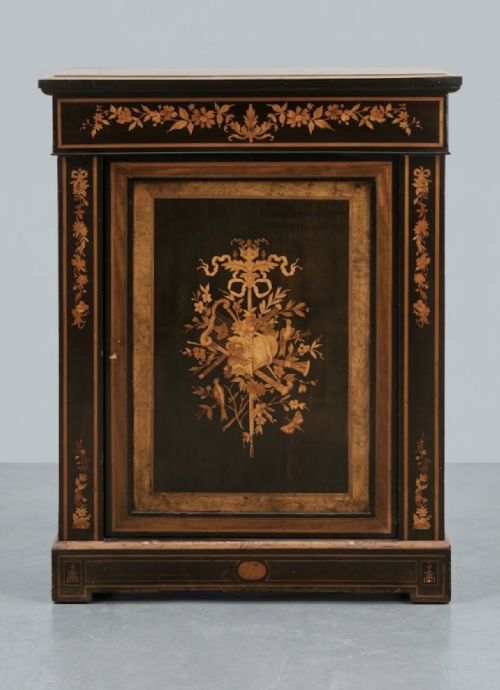
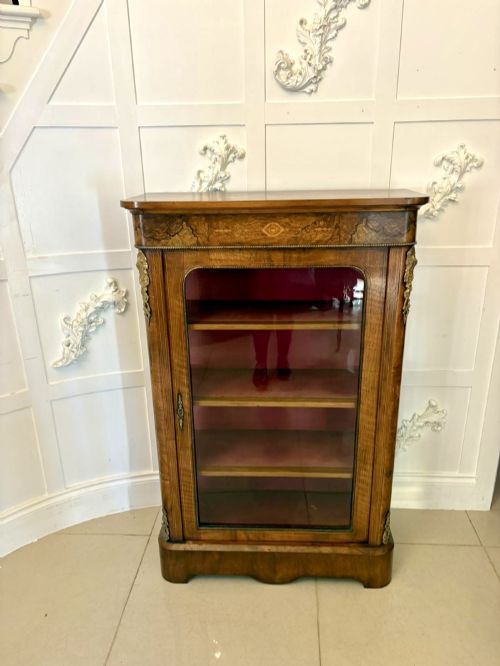
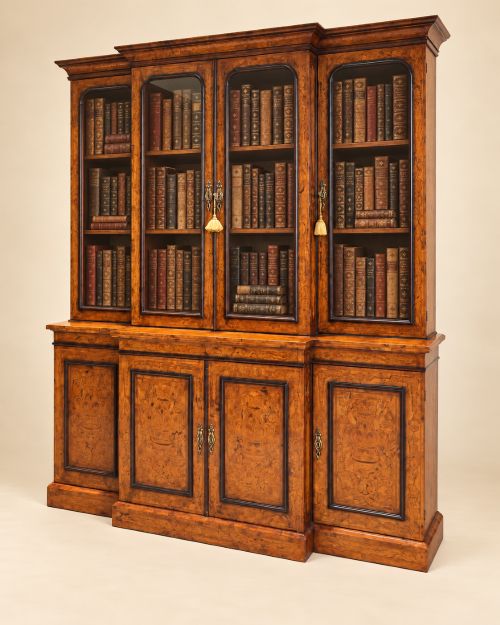
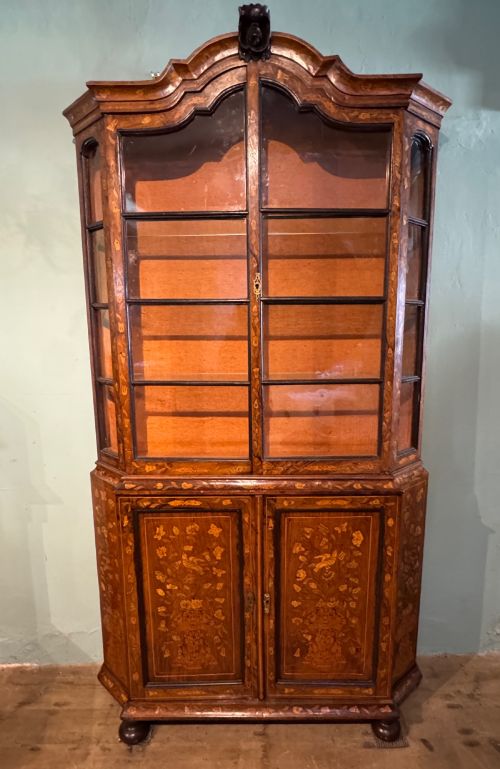
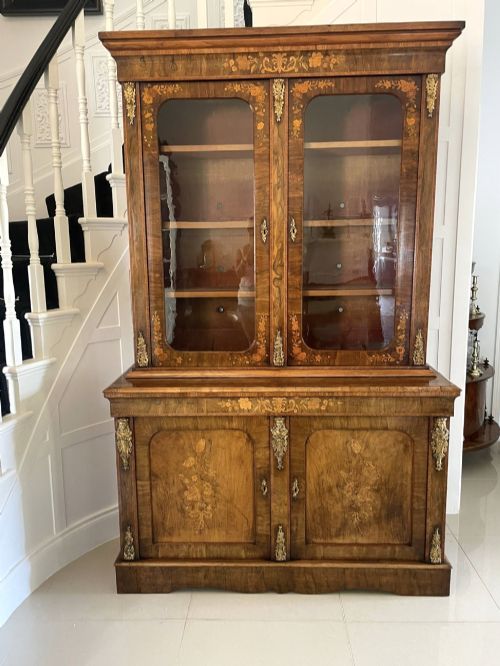
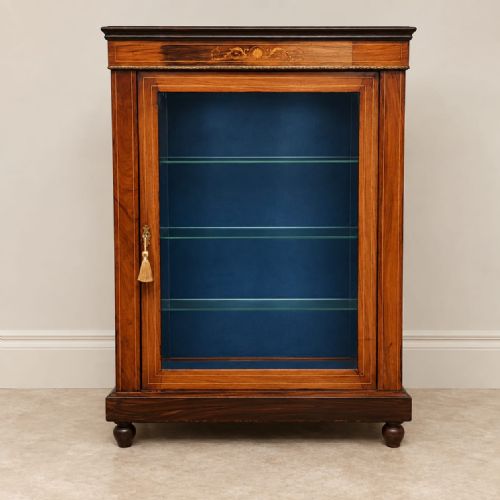
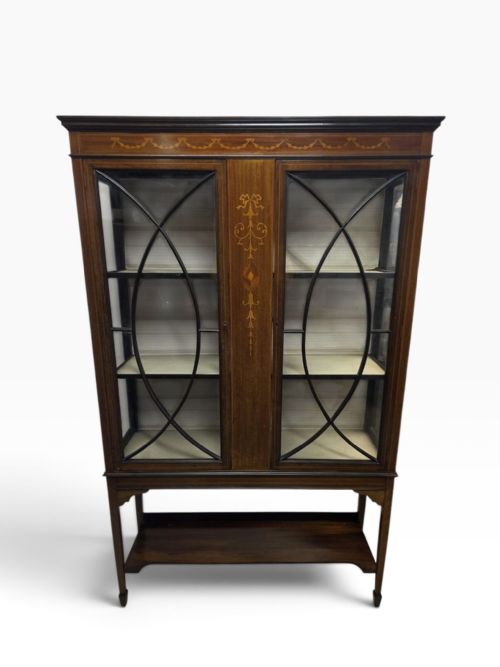
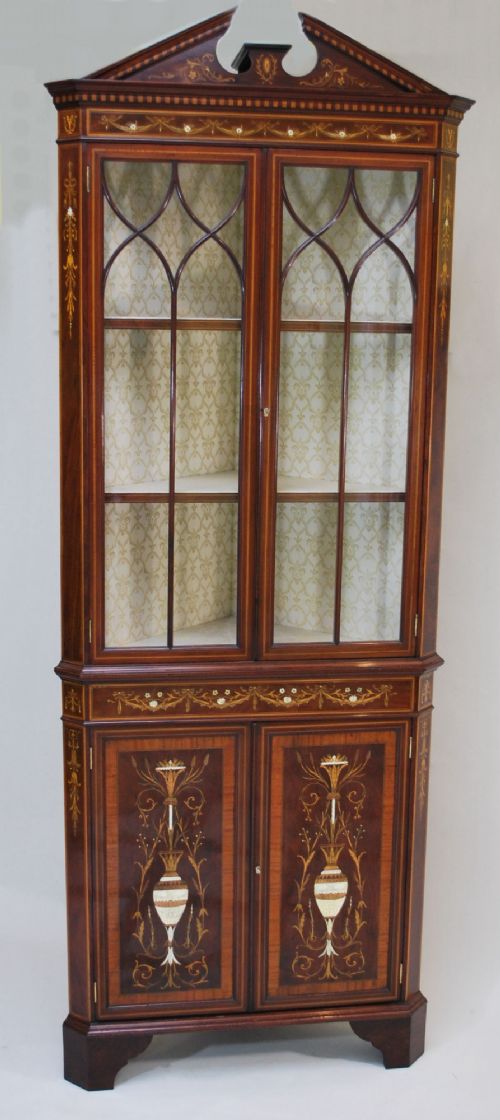
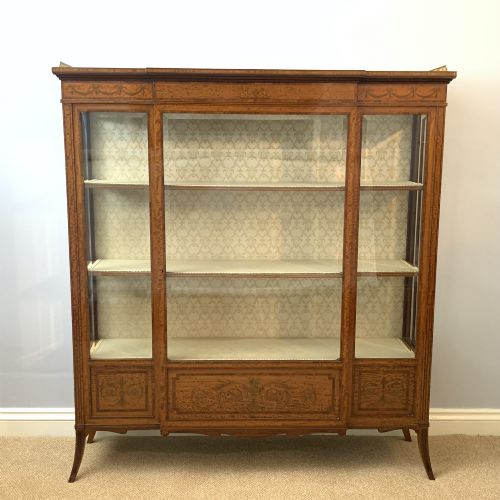
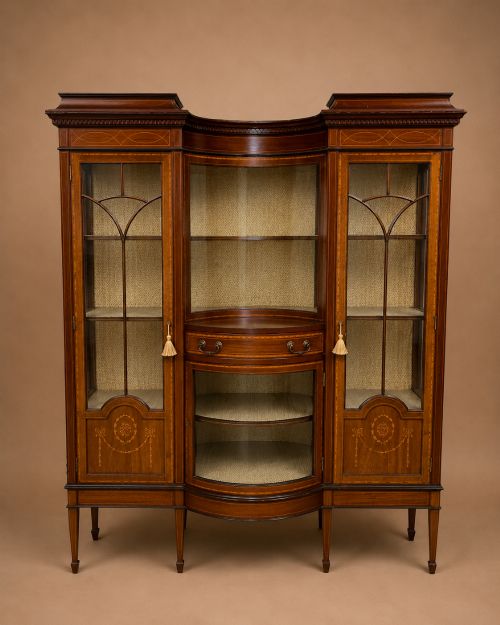
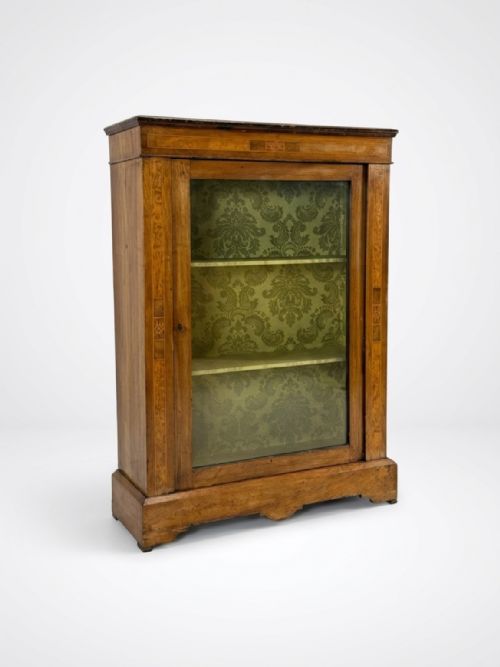
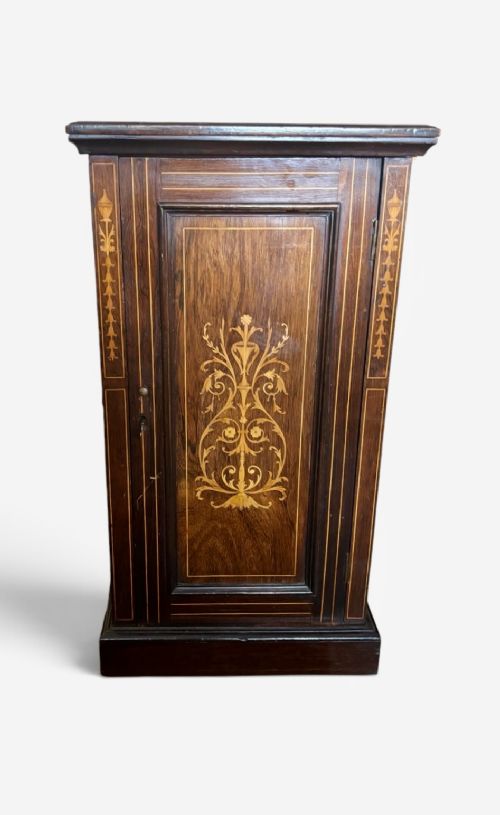
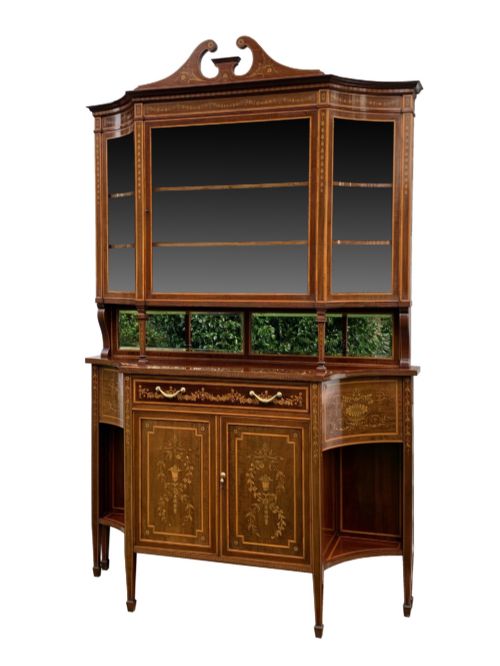
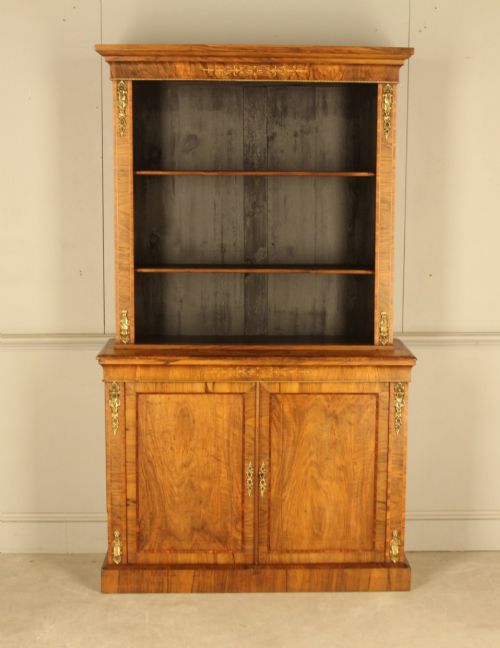
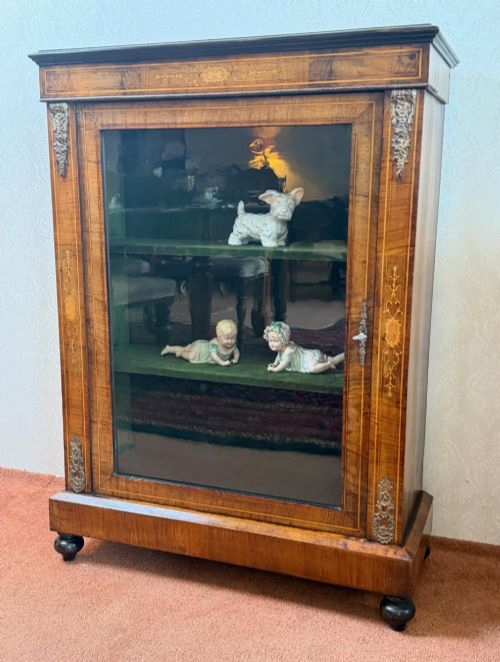
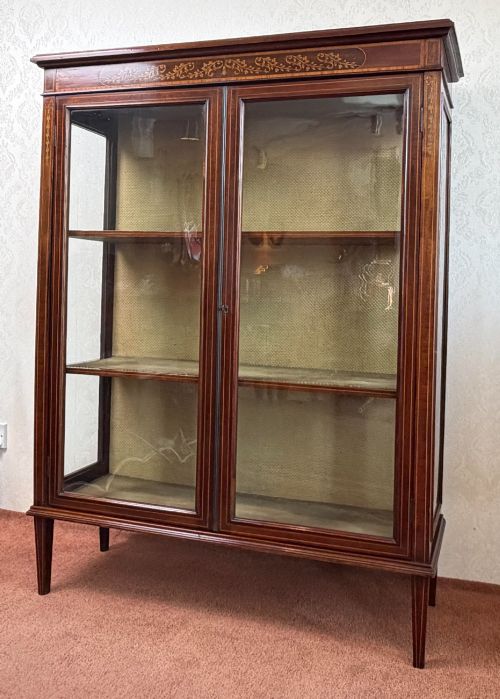
When searching for a marquetry cupboard bookcase, buyers encounter a variety of forms designed to hold books and display treasured objects behind glass. The listings show display cabinets, pier cabinets, corner cabinets, and breakfront bookcases that merge lower enclosed cupboards with upper shelving or glazed display areas.
The pieces span several periods, from 18th-century Dutch examples to Victorian and Edwardian revivals, with the nineteenth century heavily represented. Mahogany, walnut, and satinwood form the primary carcases, often enhanced by elaborate floral or geometric wood patterns set into the surfaces.
How they were made
Cabinet makers utilised dense timbers like mahogany, walnut, and satinwood as foundations for detailed veneer work. Artisans cut contrasting woods, including amboyna and maple, to construct intricate floral and pictorial marquetry panels set flush into the primary surfaces.
Many examples incorporate cast or gilt ormolu mounts to accent the corners and borders of the cabinet doors. Glazed panels framed in wood provide visibility for displayed items while protecting the contents from dust.
Birds eye maple makes unexpected appearances inside cabinet panels, offering hidden visual texture to anyone opening the doors.
What varies in quality
The sophistication of the marquetry design separates standard production from exceptional pieces. Finer cabinets feature multi-toned woods and minute detail in the floral or bird motifs rather than simple repetitive banding.
The choice of primary timber and secondary veneers also dictates the overall standard. Burr walnut, figured maple, and choice satinwood indicate higher workshop ambitions, supported by heavier ormolu mounts and refined joinery.
Edwards & Roberts·Maple & Co.
The Marquetry Cupboard Bookcase Glossary
- Marquetry
- The art of forming decorative patterns on a wooden carcase by fitting together small pieces of coloured veneers and contrasting timbers.
- Ormolu
- Gilded bronze mounts used as decorative feet, friezes, and corner guards on cabinet furniture.
- Pier cabinet
- A low, narrow cabinet designed specifically to stand against the wall space between windows.
- Breakfront
- A piece of furniture where the central section projects forward from the flanking outer sections.
- Satinwood
- A lustrous, yellow-toned timber utilised extensively during the Sheraton and Edwardian periods for fine inlay and veneer.
Marquetry Cupboard Bookcase: Frequently Asked Questions
What is a marquetry cupboard bookcase?
A marquetry cupboard bookcase is a combination piece featuring enclosed lower storage cupboards beneath upper shelving or glazed display sections, adorned with decorative wood inlay.
These hybrid items served both practical library functions and formal display purposes in period homes.
How do I identify Victorian examples?
Victorian versions often feature burr walnut or mahogany timbers, frequently augmented by gilt ormolu mounts and rich, dark patination.
They rely heavily on revival styles, incorporating classical proportions alongside elaborate marquetry panels.
Where should I place a corner cabinet?
Corner cabinets fit neatly into unused room angles, making them ideal for smaller drawing rooms or studies.
They maximise floor space while offering secure display areas for glassware and small collectibles.
What distinguishes Edwardian pieces?
Edwardian marquetry cupboard bookcase items tend to use lighter satinwood and mahogany substrates with delicate floral inlay.
These pieces reflect the Sheraton revival influence popular at the turn of the twentieth century.