



Marquetry Bedroom Chest
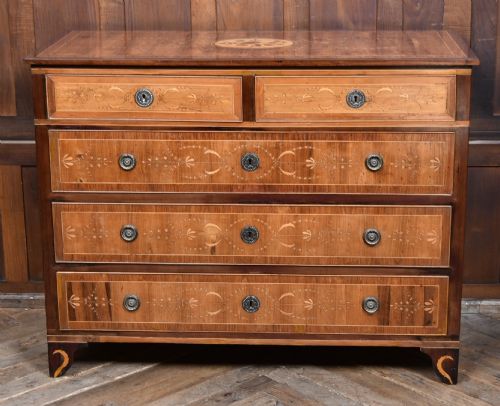
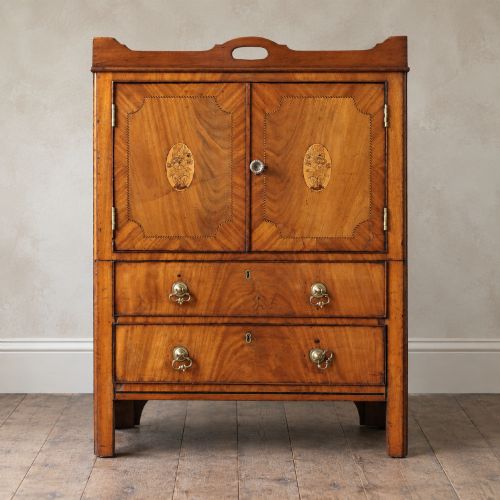
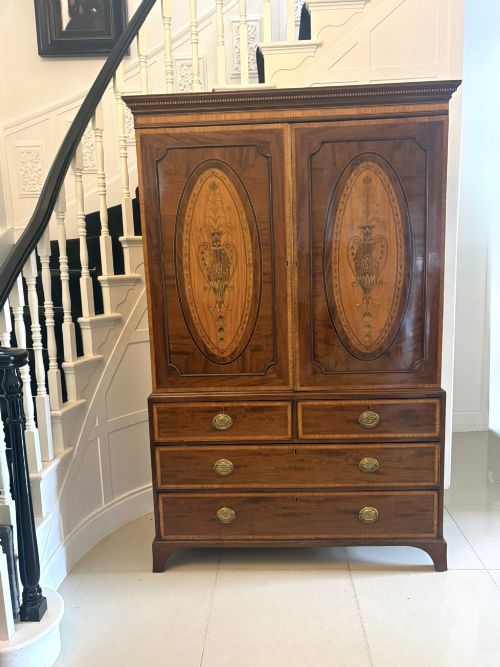
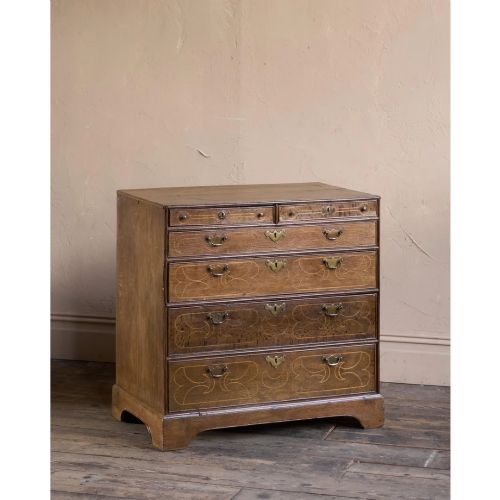
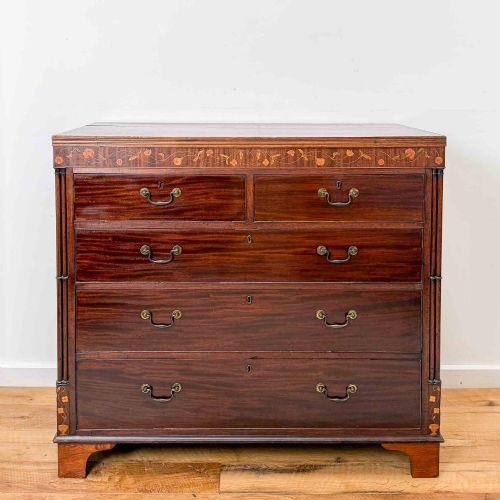
A marquetry bedroom chest brings intricate floral and geometric wood veneers into domestic spaces, offering historical storage shaped by centuries of cabinet-making skill.
Marquetry Bedroom Chest
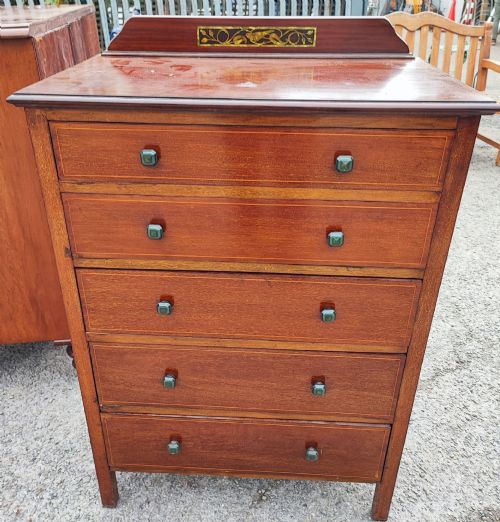
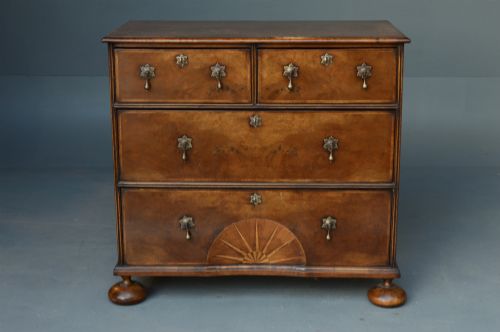
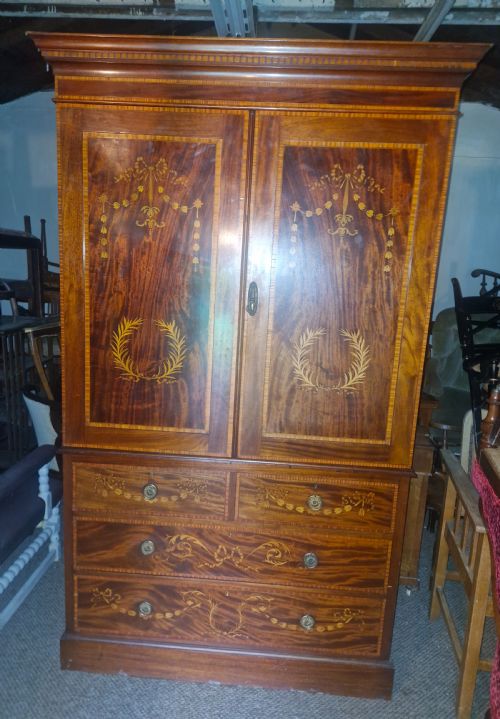
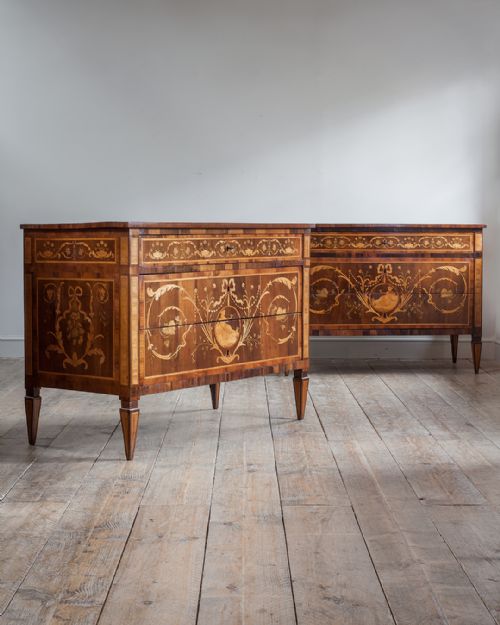
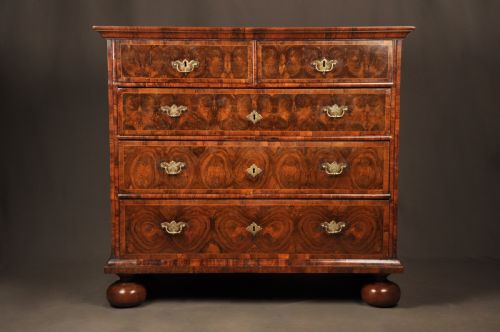
When searching for a marquetry bedroom chest, collectors encounter a diverse selection of storage forms designed for private chambers. The listings span multiple centuries, ranging from seventeenth-century walnut examples to Edwardian satinwood pieces.
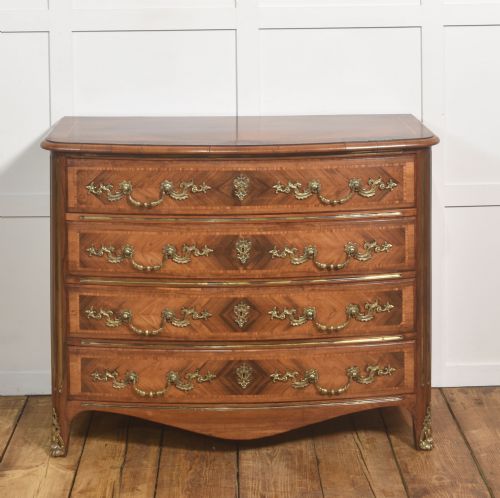
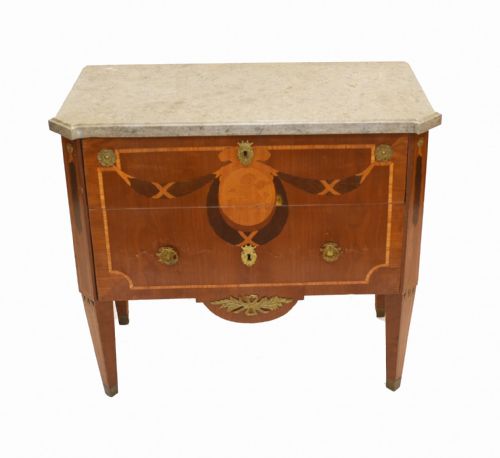
The primary forms appearing in the inventory include standard chests of drawers, commodes, linen presses, and dressing tables. Many originate from British workshops, while others reflect continental European tastes such as French Louis styles and Italian commode designs.
Regional variations introduce distinct stylistic traits, from Dutch floral motifs to Sheraton Revival proportions. Buyers navigate an array of configurations, incorporating nightstands, bedside cabinets, and multi-drawer tall chests.
How they were made
Cabinet-makers constructed these pieces using solid foundational timbers like oak, pine, or mahogany, which provided stable carcases for decorative treatments. Over these frames, artisans applied fine veneers of walnut, satinwood, kingwood, tulipwood, and rosewood.
Marquetry and parquetry techniques involved cutting thin slices of contrasting woods, sometimes combined with brass and ormolu mounts, to create pictorial or geometric patterns. These decorative elements were glued to the surface and smoothed before polishing.
Marquetry Bedroom Chest Retail Price Guide 2026
Typical asking prices for marquetry bedroom chest among the pieces listed under this phrase on Sellingantiques today, from the lower quarter to the upper quarter. They describe what is for sale here now, not the wider market.
Period representations span from the seventeenth century through the Georgian, Victorian, and Edwardian eras into the Art Deco period.
What varies in quality
The standard of a marquetry bedroom chest depends heavily on the precision of the veneer work and the complexity of the wood selection. Finely cut contrasting timbers display crisp botanical or geometric lines without excessive filler in the joints.
Structural integrity and original hardware further distinguish superior examples from simpler ones. Pieces retaining their period handles, locks, and stable carcase construction demonstrate the enduring competency of the original workshop.
Druce & Co·Holland & Sons·Edwards & Roberts·Gillows·B Cohen & Sons
The Marquetry Bedroom Chest Glossary
- Marquetry
- Decorative veneer work arranged in pictorial or floral patterns across a furniture surface. Artisans cut various coloured woods to form intricate designs.
- Commode
- A low chest of drawers or cabinet originating from eighteenth-century France. These pieces often feature serpentine or bombe fronts with elaborate marquetry.
- Linen Press
- A tall wardrobe or chest designed for storing textiles and folded garments. Upper sections typically enclose sliding trays above lower drawer banks.
- Ormolu
- Gilt-bronze mounts applied to furniture for decorative enrichment. This technique gained prominence on continental commodes and revival pieces.
- Oyster veneer
- Circular cross-section slices of branch wood arranged in patterns resembling oyster shells. This method appears on seventeenth-century walnut pieces.
Marquetry Bedroom Chest: Frequently Asked Questions
How do I care for antique marquetry?
Keep wooden chests away from direct sunlight and dramatic humidity changes to protect the delicate veneers. Apply occasional appropriate wax polish to maintain the finish without building up heavy residues.
Avoid placing damp items directly onto the timber surfaces. Gentle dusting with a soft cloth preserves the inlaid details over decades of daily use.
Where were these chests placed?
Bed chambers and dressing rooms housed these storage pieces for garments, linens, and personal accessories. Larger commodes and linen presses served principal bedrooms in country houses and town residences alike.
Smaller bedside chests and nightstands positioned close to sleeping quarters held night lamps and personal items. Their decorative surfaces added status to private domestic interiors.
How do I distinguish eighteenth-century pieces?
Eighteenth-century examples often exhibit hand-cut dovetails, native timber linings, and period brass hardware fixed with hand-made screws. Carcase proportions and the specific ageing of walnut or mahogany veneers offer reliable chronological clues.
Revival pieces from later periods frequently imitate these earlier styles but betray their origin through machine-cut elements and standardised internal construction methods.
What is the difference between marquetry and parquetry?
Marquetry utilises varied wood veneers to form pictorial, floral, or curvilinear scenes across the furniture front. Artisans piece together botanical motifs and scrollwork using contrasting natural tones.
Parquetry relies on geometric arrangements such as cubes, lozenges, or squares to create repeating patterns. This technique produces regular, architectural designs rather than organic pictures.