




Maritime Seascape Art
Maritime seascape art captures the motion of open water, coastal harbours, and sailing vessels through historical painting traditions.
Maritime Seascape Art
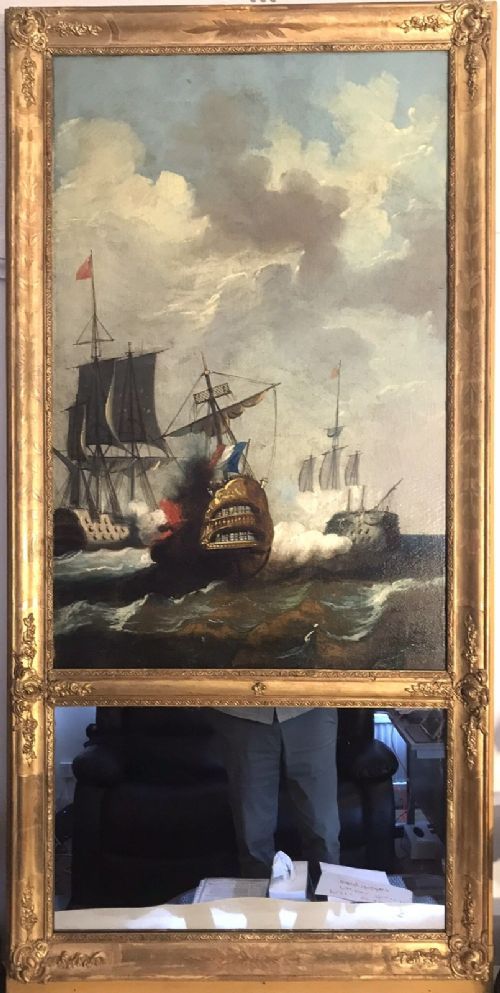
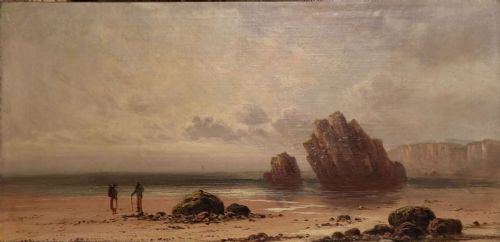
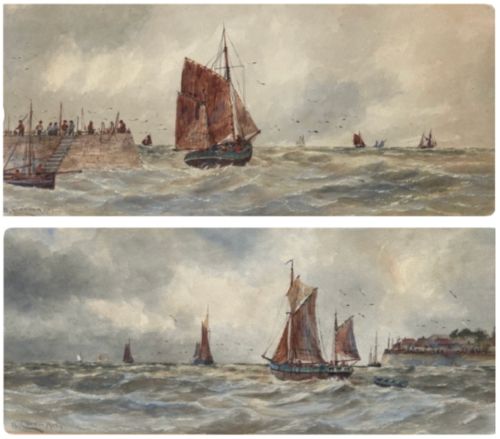
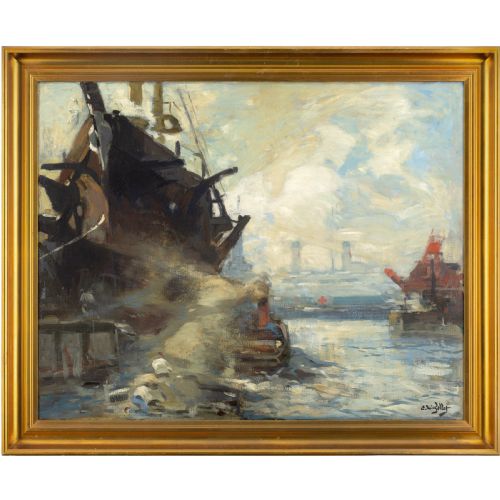
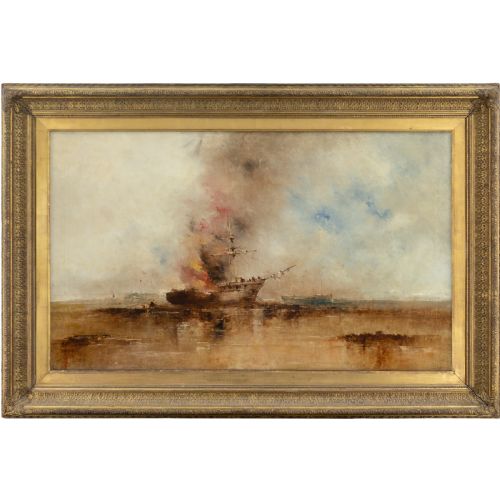
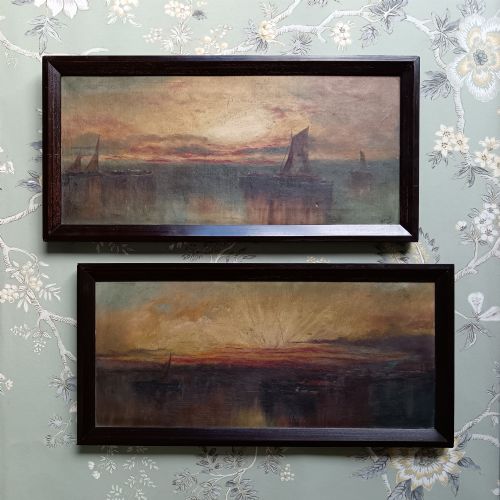
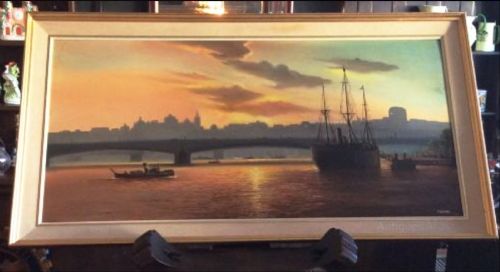
Maritime seascape art encompasses framed oil and watercolour paintings depicting coastal views, harbour scenes, and naval encounters across multiple decades. Buyers searching for maritime seascape art encounter works ranging from late nineteenth-century watercolours of fishing boats to mid-twentieth-century oil paintings of rivers and naval vessels.
The selections span Victorian, Edwardian, and mid-century periods, showing sailing vessels, steamships, and rocky shorelines. Most examples originate from British artists recording domestic coasts, bustling ports, and dramatic coastal weather.
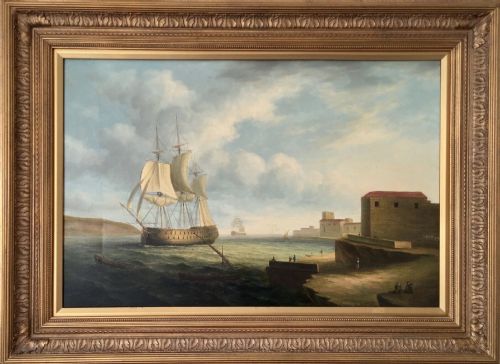
Forms vary from intimate works on paper to large canvas oil paintings, often housed in gilt wood frames. These pictures document maritime history through detailed depictions of harbour life, merchant shipping, and naval action.
How they were made
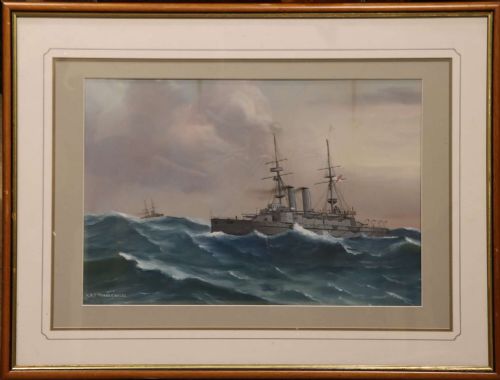
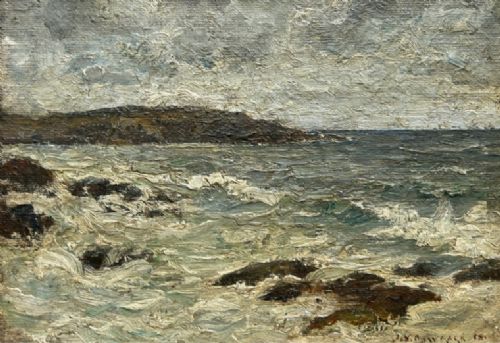
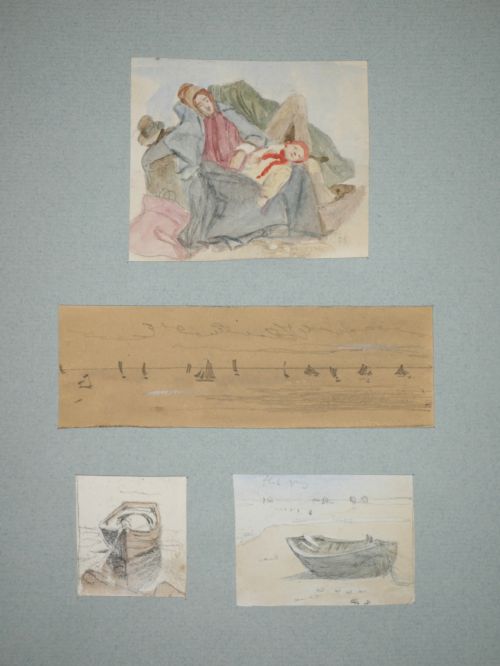
Painters applied oil paint to canvas, wood panels, or board, building up textured impasto surfaces or smooth glazes to render water and sky. Watercolour paintings on paper utilise transparent washes and fine brushwork to capture coastal light and atmospheric conditions.
Supports include prepared canvas stretched over wooden frames, sturdy wooden boards, and heavy paper sheets suited for water-based pigments. Gilt wood frames protect and complete the works, reflecting traditional framing methods of the nineteenth and twentieth centuries.
Several artists packed watercolours directly onto choppy decks, recording battleships while the salt spray dried on their paper.
What varies in quality
Quality rests upon the artist's command of light, atmospheric perspective, and the convincing movement of water in different weather conditions. Skilled handling of oil pigment or watercolour washes transforms simple coastal scenes into compelling historical records.
The precision in rendering rigging, hull construction, and maritime architecture distinguishes accomplished academic work from standard amateur output. Original framing and clear provenance further elevate individual pieces within the historical range.
James Hardy·Kenneth Cozens·James Orrock·William Cannon·William McAlpine·Charles Edward Dixon·Eric Tufnell·William Banks Fortescue·John Rose Miles·James Kay·Frank Watson Wood·William Broome·Bernard Gribble·Thomas William Morley·Bonaventura Peeters·Frank William Scarbrough·F Corpuz·Peter Brannan·Francis Moltino·Hector Caffieri·Bernard Benedict Hemy·Thomas Creswick·Lucy Pratt·Willem Bos·TB Hardy
The Maritime Seascape Art Glossary
- Impasto
- A technique where paint is laid on an area of a surface in thick layers, standing out visibly from the canvas. This method adds tactile texture and depth to crashing waves and turbulent skies.
- Gilt wood
- Wood that has been treated with gold leaf or a gold-coloured finish for decorative effect. Such frames frequently accompany traditional oil paintings and watercolours.
- Watercolour
- A paint consisting of colour suspended in a water-soluble vehicle, typically applied to paper. Artists use it to achieve luminous effects and delicate atmospheric washes.
- Canvas
- A closely woven heavy cloth used as a surface for oil painting. It is stretched tightly over a wooden frame before the artist begins working.
- Panel
- A flat piece of wood used as a rigid support for oil paintings. Wooden panels provide a smooth, stable surface favored by many historical marine painters.
Maritime Seascape Art: Frequently Asked Questions
What subjects appear in maritime seascape art?
These works depict sailing vessels, steamships, naval battles, and coastal landscapes. Artists recorded bustling harbours, quiet fishing boats, and dramatic storms at sea.
Scenes range from specific locations like Malta and the Thames to imagined coastal waters under various weather conditions.
How do I care for antique oil and watercolour paintings?
Keep paintings away from direct sunlight and damp environments to protect the canvas, paper, and pigments from fading or deterioration. Display them on stable interior walls with steady temperature and humidity levels.
Dust gilt wood frames gently with a dry, soft brush and avoid using liquid cleaners on the painted surfaces.
How can I tell the period of a maritime painting?
Examine the vessel types, rigging styles, and clothing of figures depicted within the scene, as these evolved across the nineteenth and twentieth centuries. Canvas stamps, framing styles, and artist signatures also provide clues to the creation date.
Nineteenth-century works often feature detailed sailing ships, while twentieth-century pieces frequently introduce steam power and industrial port architecture.
What is the difference between oil and watercolour marine art?
Oil paintings utilise thick pigments on canvas, board, or wood panels, offering rich textures and deep colour saturation. Watercolours employ translucent washes on paper, emphasising light and atmosphere.
Watercolours require glass protection in their frames, whereas oil paintings on canvas remain exposed to the air.