



Maritime Impressionist Oil Landscape
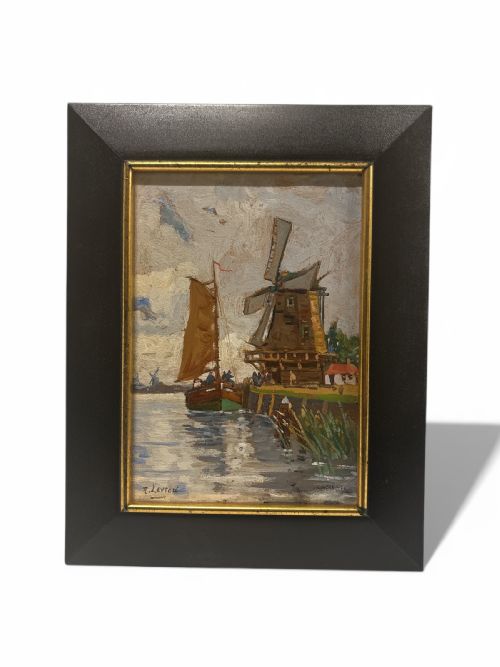
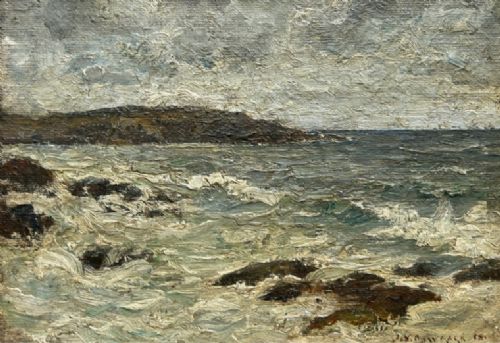
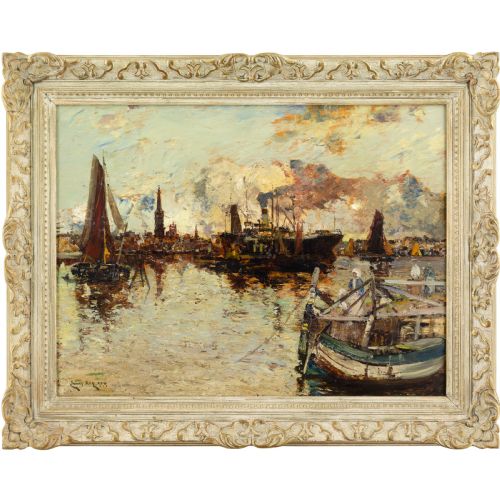
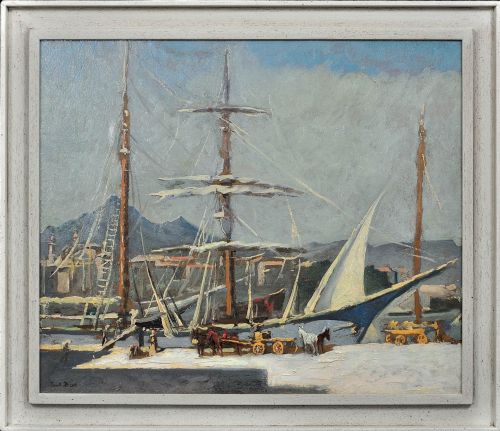
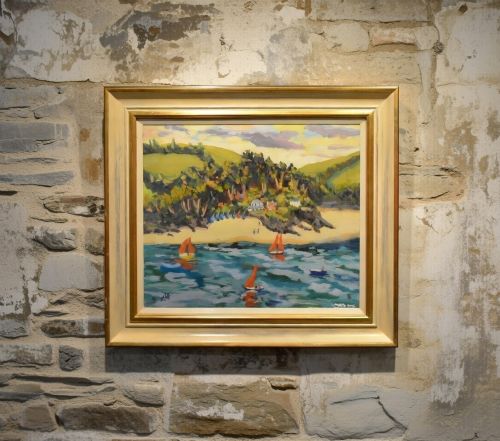
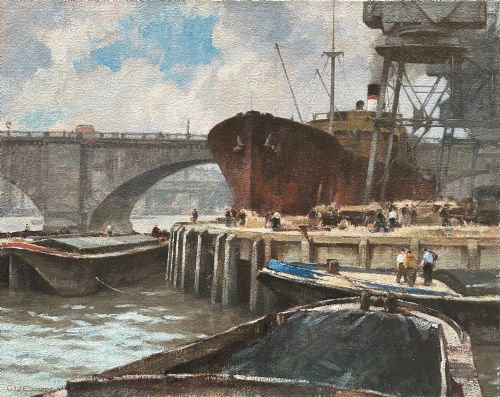
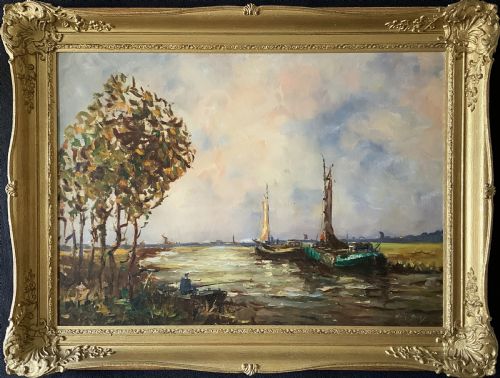
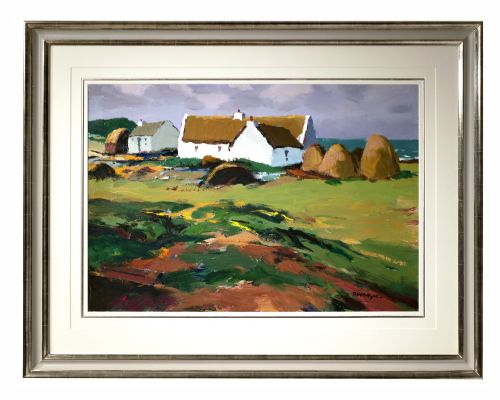
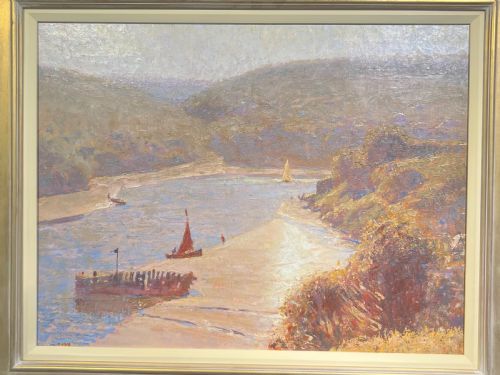
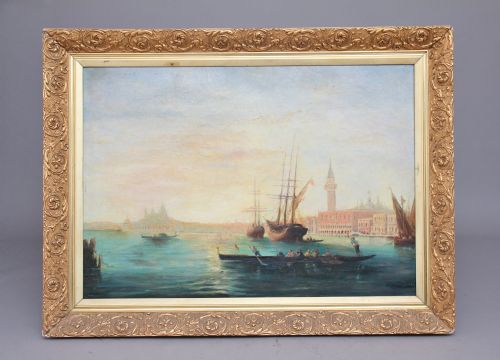
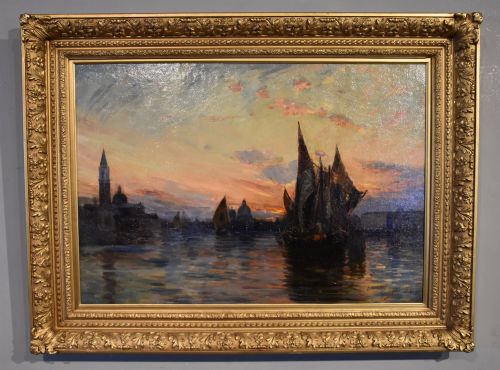
A maritime impressionist oil landscape captures light on water and harbour walls through loose, expressive brushwork.
Maritime Impressionist Oil Landscape
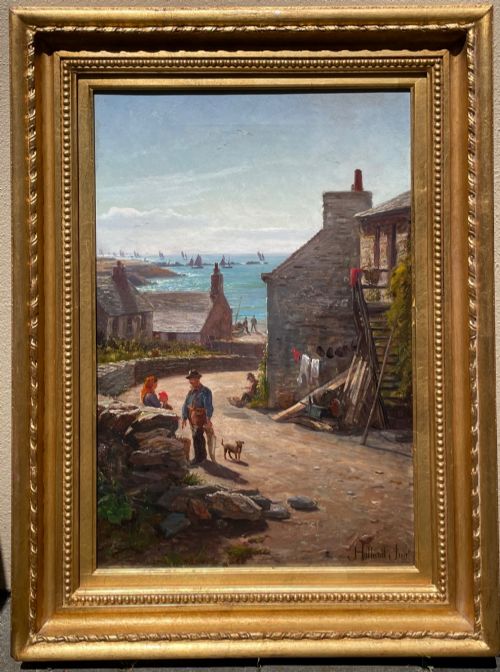
A maritime impressionist oil landscape records coastal waters, busy harbours, and tidal shores through the lens of early twentieth-century and mid-century movements. These works focus on shifting light upon the sea rather than precise architectural detail, capturing the atmosphere of fishing ports from Cornwall to the Mediterranean.
The pieces on this page span from Edwardian visions to mid-century modern interpretations, frequently applying thick impasto or rapid brushstrokes to render water and sky. Buyers encounter local British scenes alongside French, Dutch, and Italian coastal views executed on canvas, board, or wood panels.
Subject matter ranges from quiet moonlit seascapes and calm Venetian canals to bustling quaysides filled with sailboats and steamers. Each canvas preserves a specific moment of coastal weather, rendered by artists working within British Impressionism, Post-Impressionism, and related regional schools.
Materials and Construction
Artists painted primarily with oil paint on stretched canvas or prepared wooden board, building texture through varied brush techniques and palette knives. This medium allowed painters to capture the reflection of sunlight or moonlight on water with thick, tactile strokes.
Many of these works retain their period frames constructed from wood with applied gilt and gesso ornaments. These frames often complement the palette of the painting, providing a finished boundary that matches the aesthetic of the early to mid-twentieth century.
Several canvases smell faintly of old linseed oil and decades of seaside air.
Markers of Quality
Quality rests upon the artist's command of light and atmosphere, where confident handling of paint brings movement to water and sky. The strongest examples demonstrate a clear understanding of tonal harmony rather than mere mechanical recording of a harbour scene.
Preservation of both the painted surface and the original frame contributes significantly to the integrity of the piece. Works that retain their textural impasto without excessive cracking or canvas distortion offer a more direct connection to the artist's hand.
James Kay RSW·Paul Bret·Willem Bos·Donald McIntyre·Edward Seago·Armand Guillaumin
The Maritime Impressionist Oil Landscape Glossary
- Impasto
- Paint applied thickly to a canvas or board, standing out in relief from the surface. This technique adds tangible texture to crashing waves and billowing sails.
- Gesso
- A plaster-like mixture applied to wooden frames as a base for gilding and ornamentation. It provides a smooth foundation for decorative mouldings.
- Provenance
- The documented history of ownership or exhibition associated with an artwork. It helps establish authenticity and historical context.
- Post-Impressionism
- An artistic movement extending impressionist methods while rejecting its limitations for more expressive forms. Painters explored bolder colours and distinct structural brushwork.
Maritime Impressionist Oil Landscape: Frequently Asked Questions
What periods do these paintings cover?
The works predominantly date from the late nineteenth century through to the mid-twentieth century, encompassing Edwardian output and post-war modernist canvases.
Most pieces cluster around the early decades of the twentieth century, reflecting the spread of impressionist techniques across British and continental European art communities.
How should I care for an oil painting on canvas?
Keep the artwork away from direct sunlight and dramatic shifts in temperature or humidity to protect the canvas and the oil pigments.
Dust the surface gently with a soft, dry brush and avoid using chemical cleaning agents on either the painting or its gesso frame.
How do I distinguish canvas from board supports?
Canvas works are woven textile stretched over a wooden frame, often showing a slight give when pressed gently from the reverse.
Board supports utilise rigid wooden or composite panels that remain entirely fixed and do not flex under light pressure.
Where were most of these coastal scenes painted?
Locations range from British fishing ports in Cornwall and Yorkshire to continental harbours in France, Italy, and the Netherlands.
Artists frequently travelled to active maritime centres such as St Ives, Brittany, and Venice to study changing light conditions on the water.