


19th Century French Oil Painting
Discover a 19th century french oil painting to bring historic portraiture, pastoral landscapes and romantic figurative scenes into your interior.
19th Century French Oil Painting
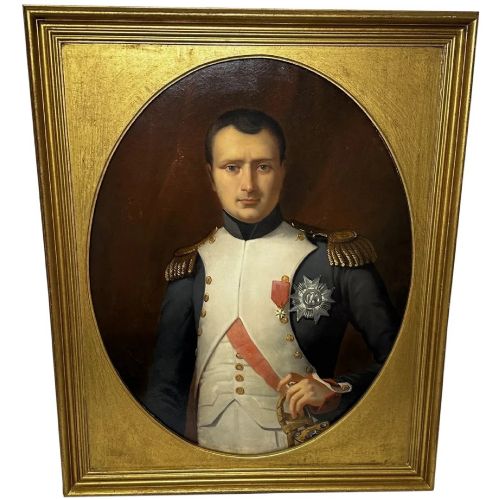
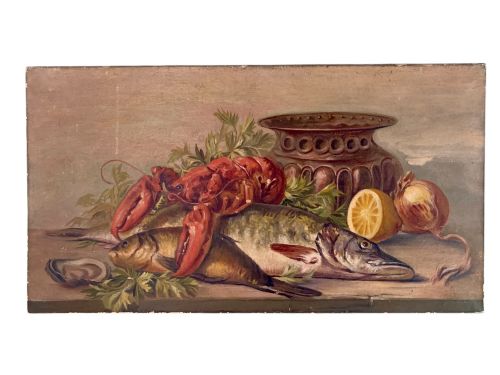
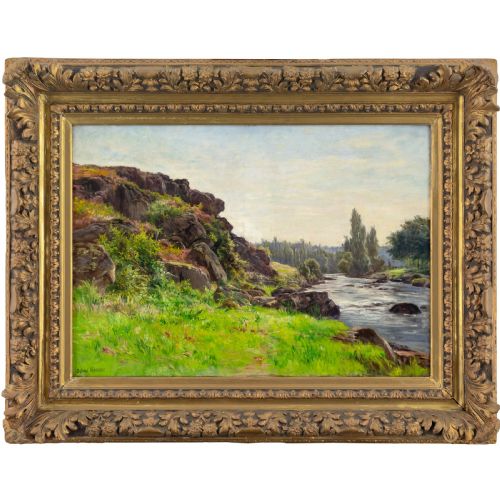
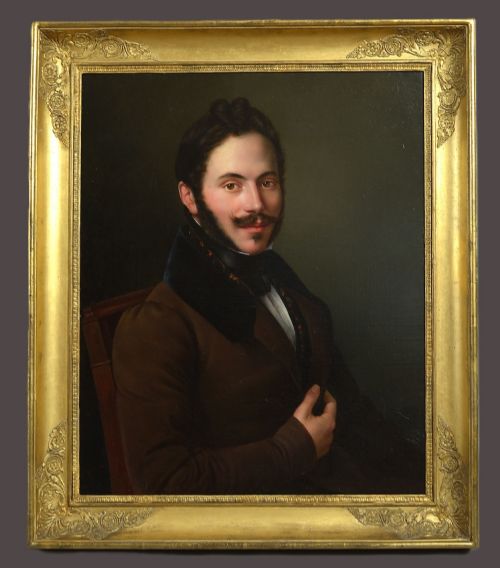
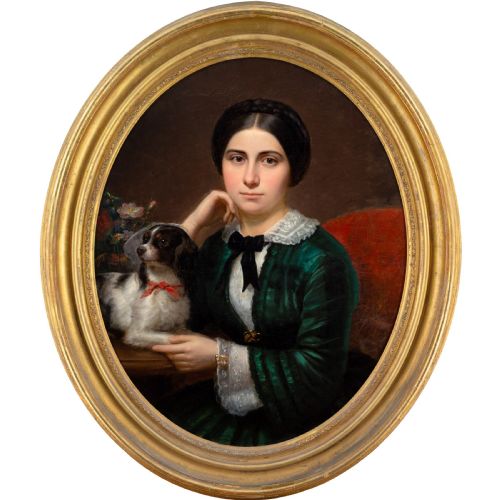
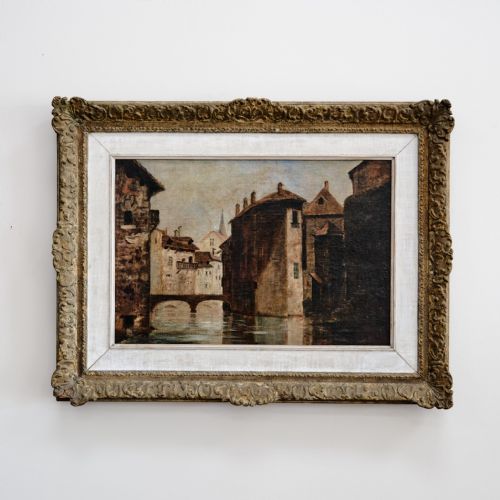
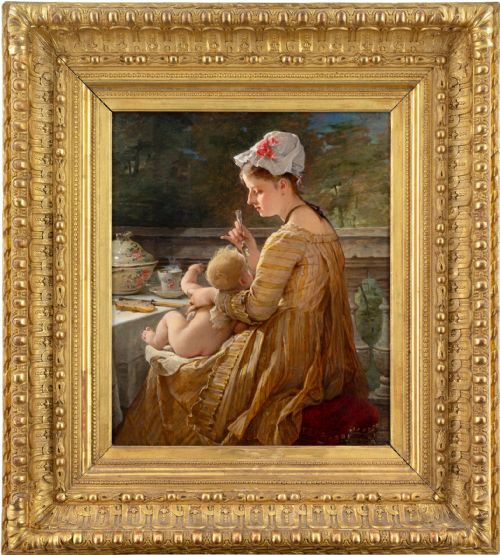
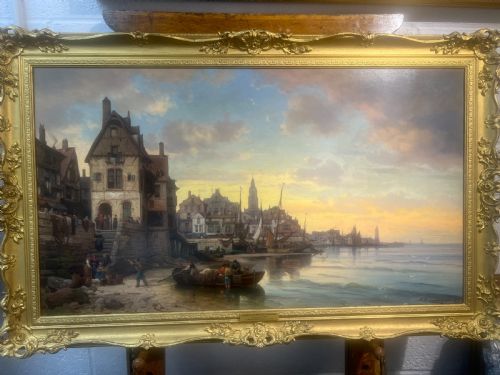
A 19th century french oil painting encompasses a diverse range of artistic traditions spanning landscapes, formal portraits, and genre scenes. Buyers encounter works originating from recognised regional movements like the Barbizon School as well as anonymous French school compositions.
Many items bear signatures of salon-exhibiting artists or represent the academic and impressionist styles popular throughout the period. These artworks capture rural life, historical narratives, and domestic interiors across various decades of the eighteen hundreds.
How they were made
Artists painted primarily with oil paint applied to stretched canvas or wooden boards, frequently employing plein air techniques for natural landscapes. Preparatory layers and gesso provided a stable ground for pigment application.
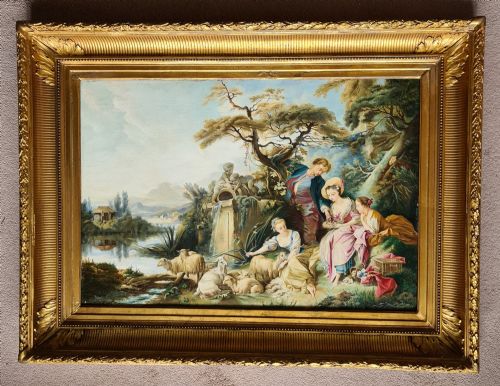
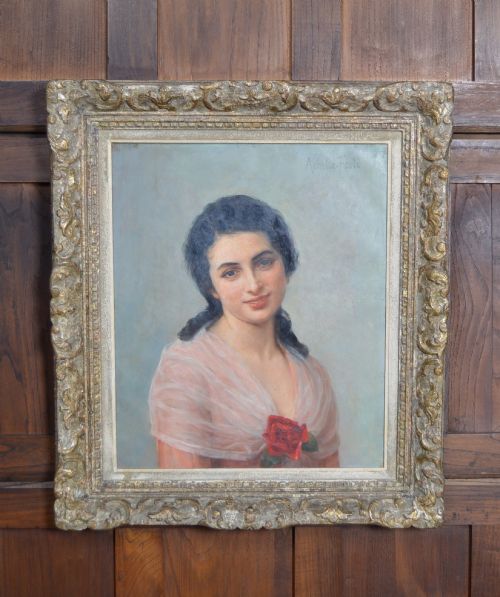
Frames associated with these works often utilise moulded wood embellished with applied gesso and gold leaf gilding. Elaborate rococo revival and empire designs complement the visual weight of the paintings they enclose.
Canvas and wood panel serve as the primary supports, complemented by gesso and giltwood frames.
What varies in quality
The sophistication of brushwork, anatomical proportion in figurative subjects, and atmospheric depth distinguish masterworks from simpler school pieces. Superior examples demonstrate confident handling of light and shadow, particularly in landscape foliage and facial expressions.
The preservation of the original pigment and the structural integrity of the canvas or panel influence the overall desirability. Original giltwood frames with intact gesso enrich the complete presentation of the artwork.
Francois Boucher·Edouard Pingret·Adelaïde Salles-Wagner·Paul Désiré Trouillebert·Alfred Arthur Brunel de Neuville·Honore Cavaroc·Benjamin Eugene Fichel·Henri Jaques Delpy·Charles Zacharie Landelle·Alexandre Le Bihan·Ferdinand Victor Leon Roybet·André Prévot-Valéri·Léon Richet
The 19th Century French Oil Painting Glossary
- Barbizon School
- A collective of French painters who championed naturalistic landscape painting outdoors during the mid-nineteenth century. Their focus on rural working environments heavily influenced later impressionist developments.
- Gesso
- A plaster-like mixture applied to wooden panels, frames or canvases to prepare a smooth surface for oil paint. It provides a durable base that accepts gilding exceptionally well.
- Genre Painting
- The pictorial representation of scenes from everyday life, involving ordinary people engaged in common activities. These works frequently depict domestic interiors, market squares, or tavern gatherings.
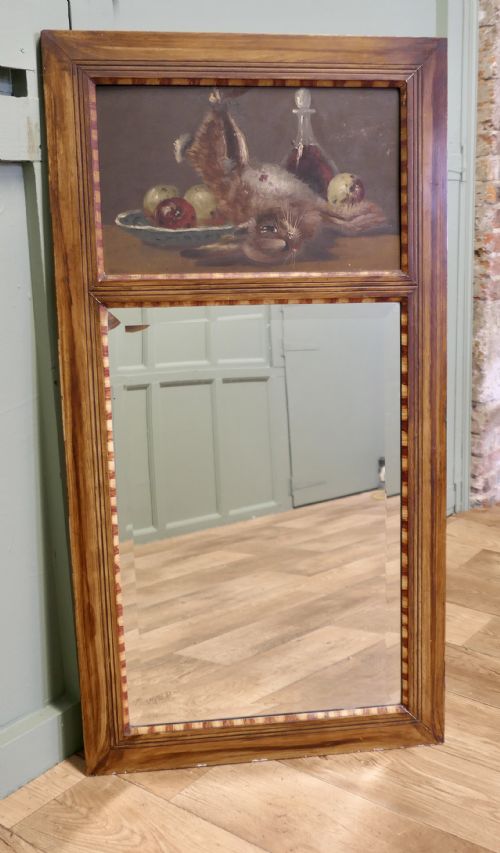
- Trumeau Mirror
- An antique architectural wall mirror incorporating a painted panel or oil painting positioned above the glass plate. They typically featured decorative giltwood frames suited to formal nineteenth century reception rooms.
19th Century French Oil Painting: Frequently Asked Questions
What subjects do these paintings show?
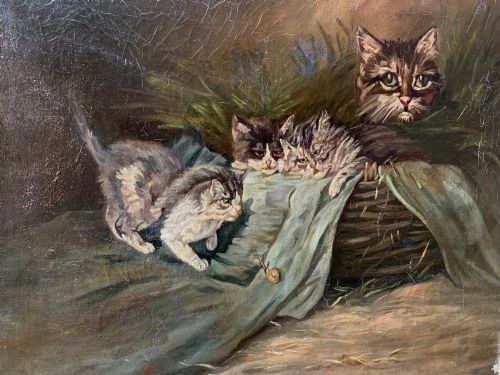
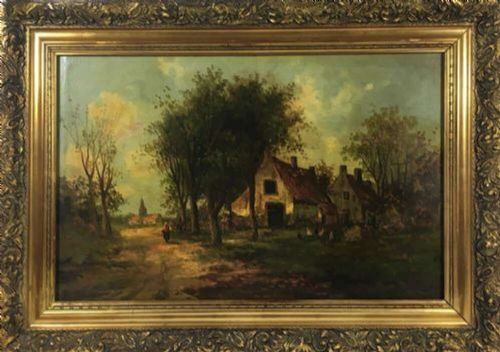
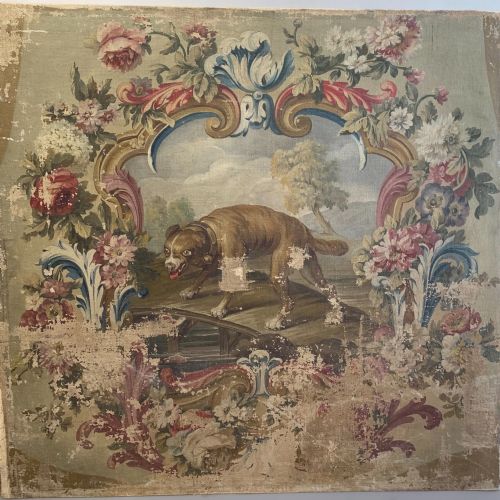
The compositions cover a wide spectrum of visual interests including serene river landscapes, domestic animal studies, and bustling farmyard scenes. Portraiture forms another major category, featuring military officers, children, and elegant ladies.
Historical narratives and classical mythology also appear frequently, reflecting the academic training of nineteenth century French artists.
How do I identify a Barbizon piece?
Barbizon works typically prioritise atmospheric effects, soft natural lighting, and rural or forest landscapes such as Fontainebleau. The brushwork tends to be loose and expressive rather than strictly linear.
These paintings capture ordinary countryside workers, cattle, and rural paths rather than grandiose historical events.
How should I care for an oil painting?
Keep the artwork away from direct sunlight and dramatic fluctuations in temperature or humidity to prevent canvas warping and paint cracking. Dust the surface gently with a soft, dry brush without applying pressure.
Avoid using liquid cleaners or chemical solvents on both the canvas and the giltwood frame.