



Maritime Fine Art
Maritime fine art brings the movement of coastal waters and historic vessels into interiors through enduring painted and worked surfaces.
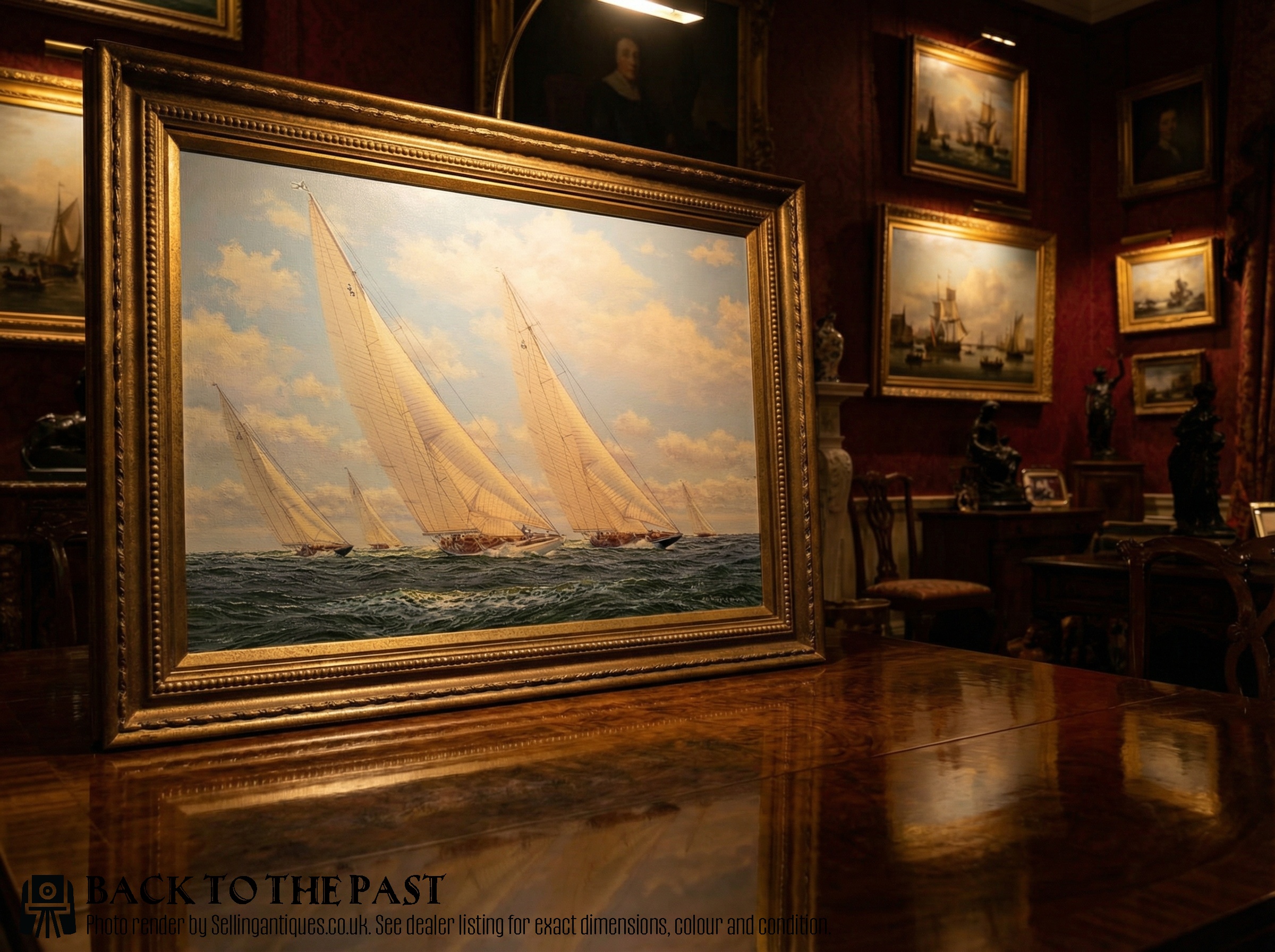
Maritime Fine Art
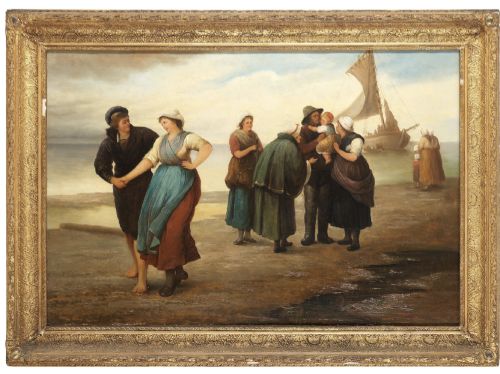
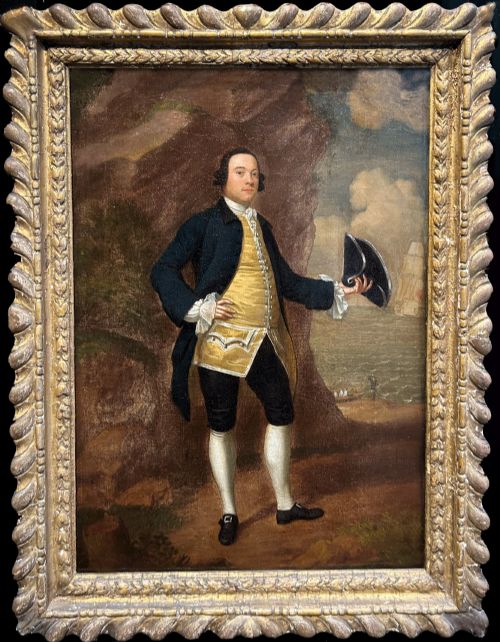
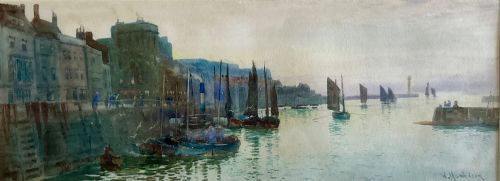
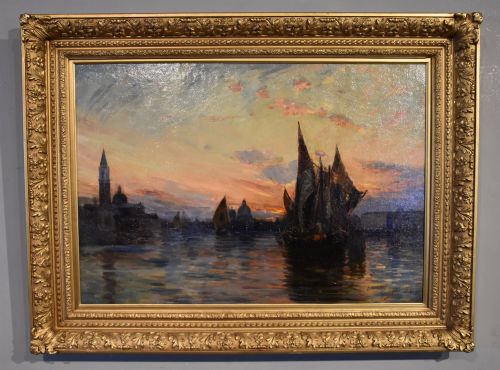
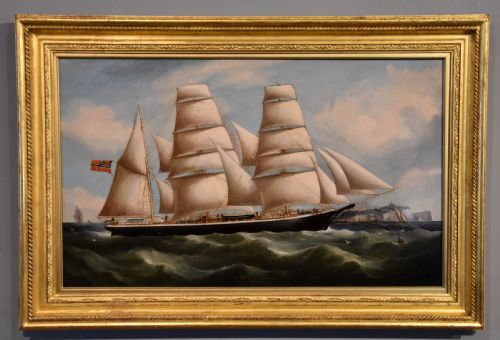
Maritime fine art encompasses visual works dedicated to the sea, ships, and coastal life across several centuries of production. When searching for maritime fine art, collectors encounter oil paintings on canvas and detailed paper watercolours ranging from the eighteenth century through to the mid-twentieth century.
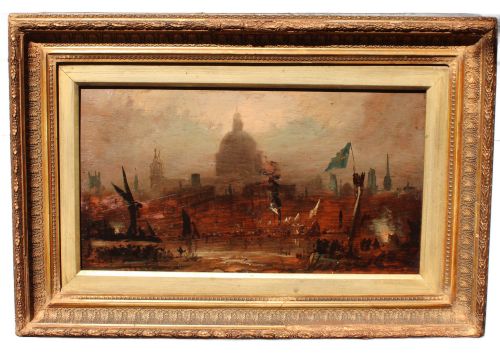
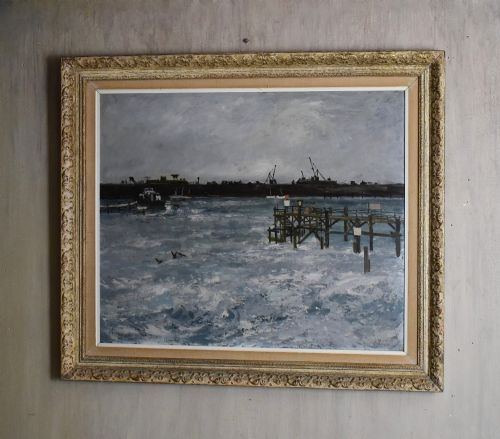
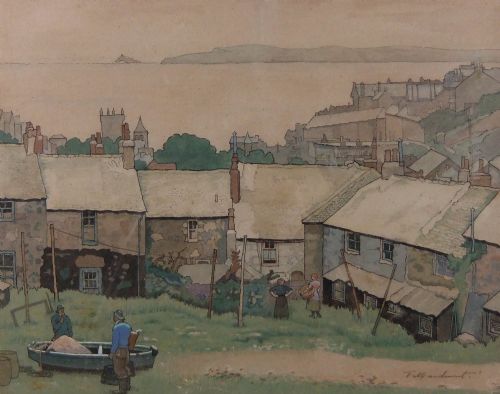
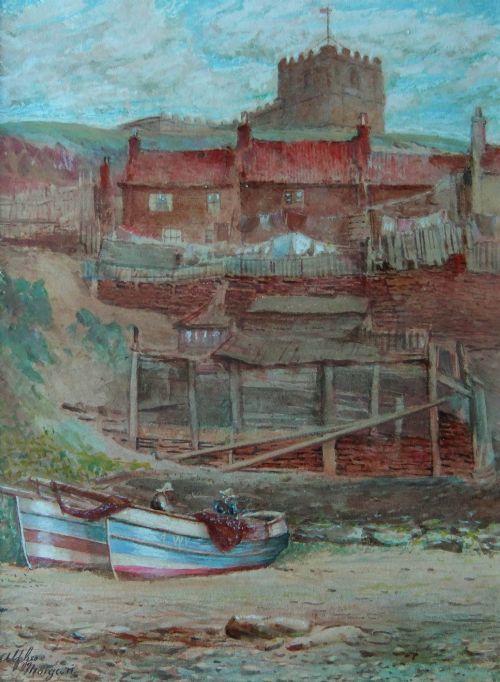
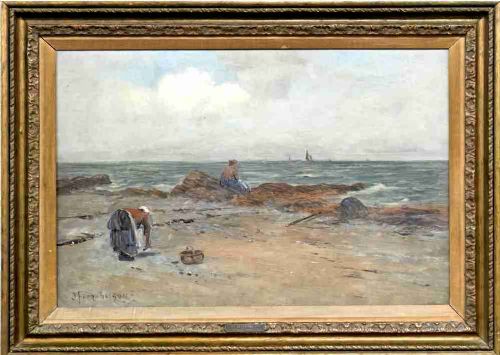
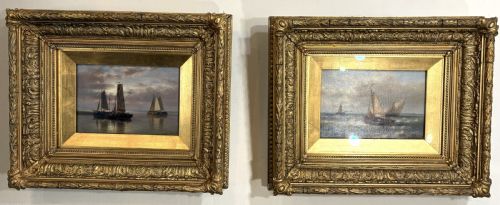
The selection on this page leans heavily toward nineteenth-century and early twentieth-century British and European works. Common subjects include bustling harbours, quiet coastal paths, and vessels navigating open waters under varying atmospheric conditions.
Beyond standard canvas works, the category embraces varied physical objects linked to maritime culture, including works on paper and carved items. These pieces reflect regional schools from British impressionism to French coastal scenes.
Materials and Technique
Artists relied primarily on oil paint applied to canvas or wood panels, building rich textures to capture the motion of water and the weight of clouds. Watercolour on paper offered a lighter medium well-suited to capturing transparent tides and coastal light.
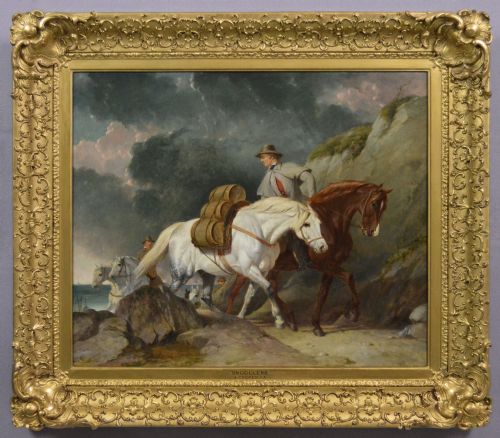
Many surviving pieces retain their period frames constructed from wood and gesso, frequently augmented with gold leaf finishes. These traditional mountings complete the physical structure of the artworks as recorded in the listings.
Maritime Fine Art Retail Price Guide 2026
Typical asking prices for maritime fine art among the pieces listed under this phrase on Sellingantiques today, from the lower quarter to the upper quarter. They describe what is for sale here now, not the wider market.
Current listings feature nineteenth-century and early twentieth-century works executed in oil on canvas, paper, and wood.
Assessing Quality
Quality rests upon the artist's command of light, atmosphere, and the convincing movement of water. Superior examples demonstrate confident brushwork and accurate anatomical rendering of rigging and hull structures.
The integrity of the original canvas, paper support, and surface pigment dictates the overall standard of preservation. Finer pieces maintain their original colour harmony without heavy overpainting or structural compromise in the substrate.
Peter Brannan·Abraham Cooper·Joseph Farquharson·Thomas Hodgson Liddell·Richard B. Spencer·Abraham Hulk I·Jean-Baptiste Olive·Pieter Cornelis Dommersen·John Simmons·Stephen J. Renard·George Morland·William Pitt·Jane Vivian·Armand Guillaumin·John McDougal·Thomas Bush Hardy·Frank W. Scarborough·Owen Bowen·John Sanderson Wells·William Knox
The Maritime Fine Art Glossary
- Oil on Canvas
- Pigment mixed with drying oil applied to a stretched woven fabric support. This combination allows for deep impasto and long-lasting colour stability.
- Watercolour
- Pigment suspended in a water-soluble binder applied to paper. It relies on the white of the paper to supply luminosity.
- Gesso
- A plaster-like mixture applied to wood frames before gilding. It provides a smooth base for gold leaf application.
- Impressionism
- A nineteenth-century style characterised by relatively small, thin yet visible brush strokes and open composition. It prioritises accurate depiction of light in its changing qualities.
- Romanticism
- An artistic movement emphasising inspiration, subjectivity, and the primacy of individual emotion. Works in this vein often depict dramatic seascapes and the sublime power of nature.
Maritime Fine Art: Frequently Asked Questions
What subjects appear in these works?
The works depict busy trading ports, quiet coastal fishing villages, and open seas navigated by sailing ships and barques. Scenes often incorporate local landmarks, lighthouses, and figures engaged in maritime trades.
Compositions range from calm Venetian canals to dramatic coastal storms and river processions on the Thames. Each subject captures a specific aspect of historic maritime life and coastal geography.
Where were these artists working?
Makers operated across major British ports, Scottish borders, and coastal communities in Cornwall, Yorkshire, and the Isle of Man. Continental practitioners recorded scenes in France, Italy, and along the Riviera.
Travel along established trade and leisure routes inspired artists to document harbours from Whitby to Venice and Toulon.
How should I display maritime art?
These pieces require stable indoor environments away from direct sunlight and excessive humidity to protect canvas and paper supports. Proper wall placement preserves both the integrity of the pigment and the original frame.
Lighting should be even and indirect to prevent glare on varnished oil surfaces and delicate watercolour sheets.