



Maritime Fine Art Painting
Maritime fine art painting captures open waters, coastal harbours and vessel traffic through the skilled hands of artists working across several centuries.
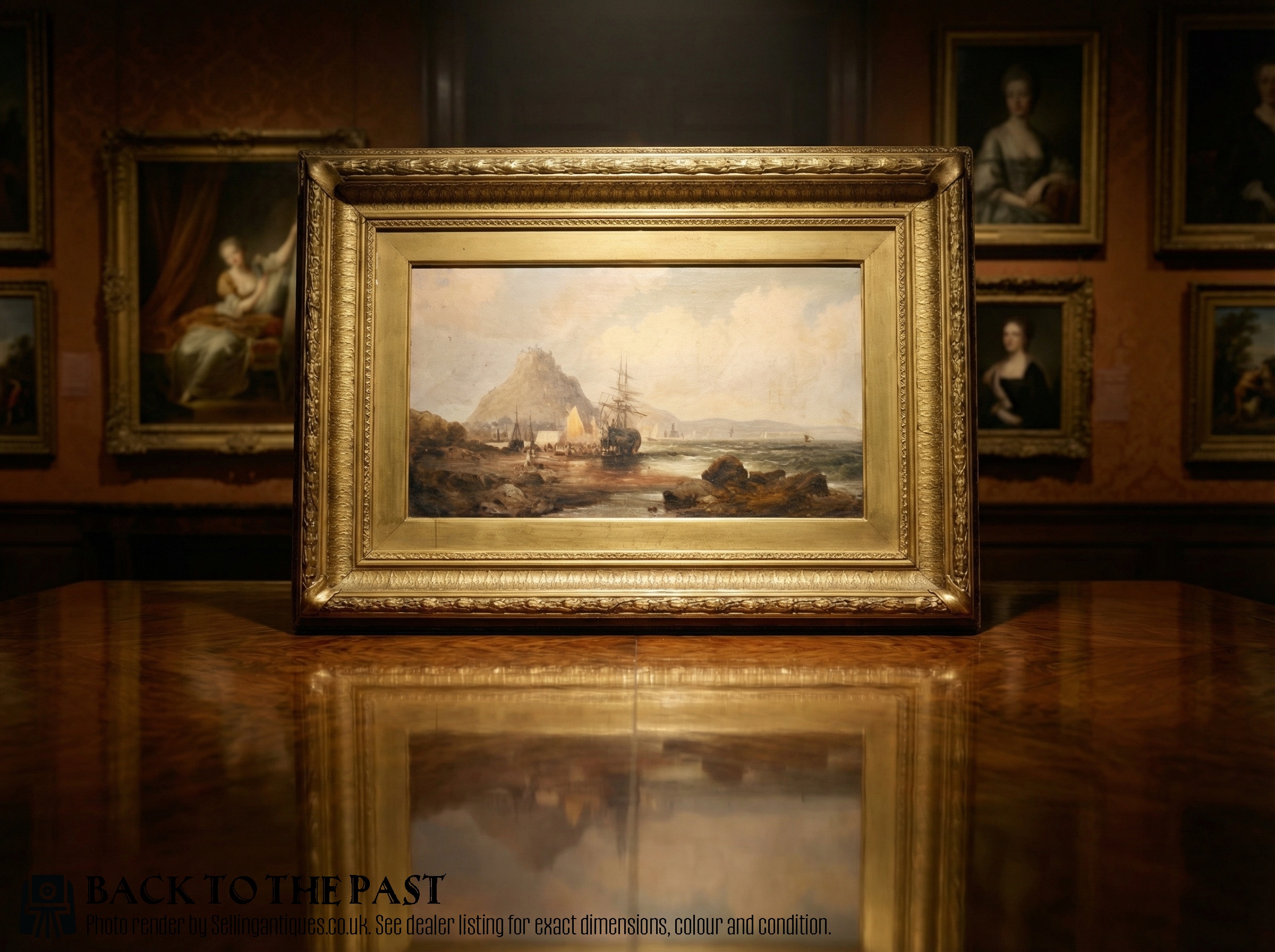
Maritime Fine Art Painting
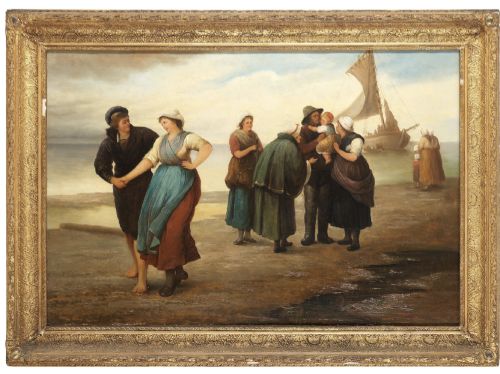
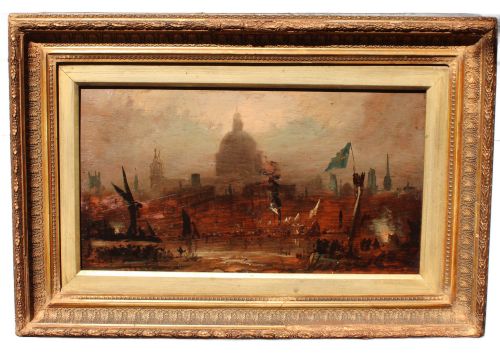
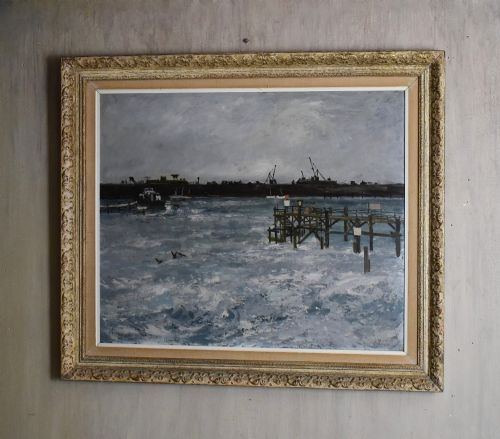
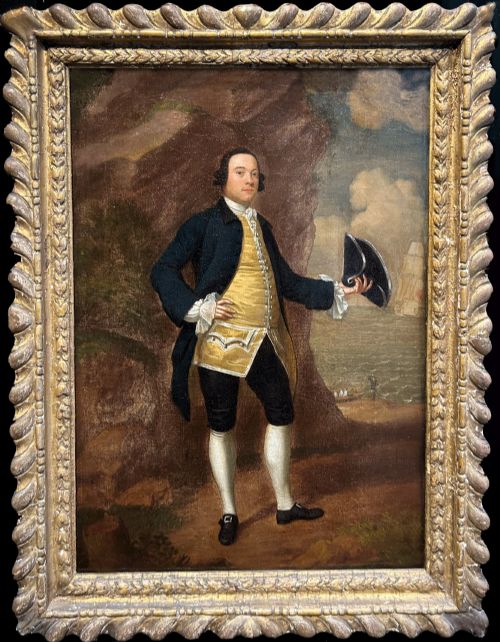
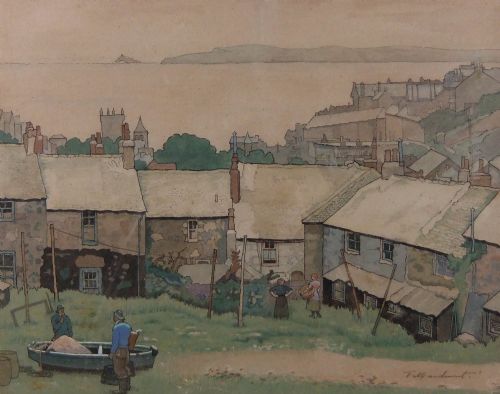
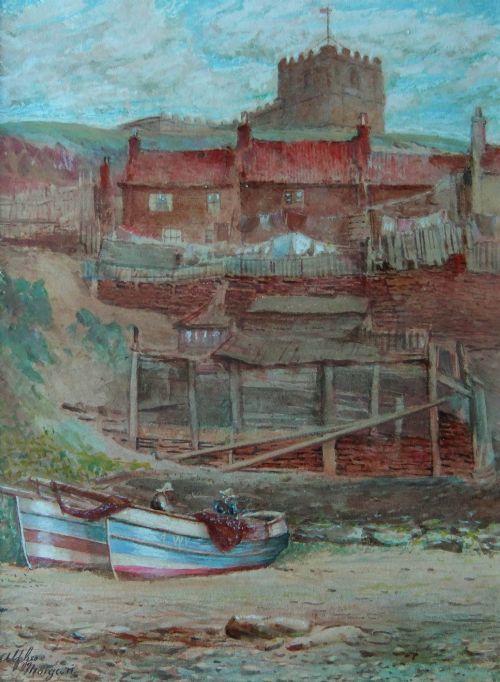
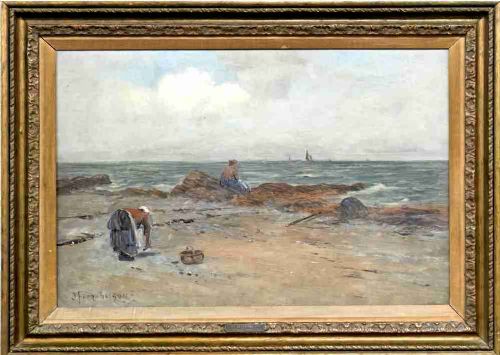
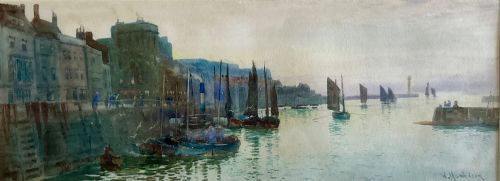
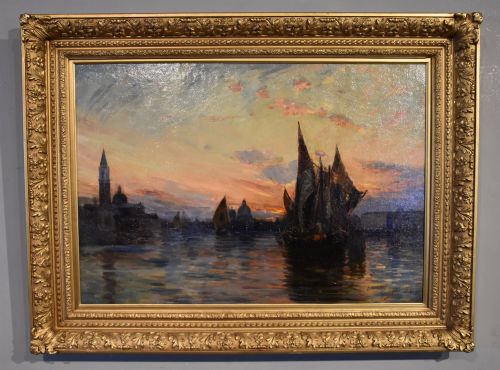
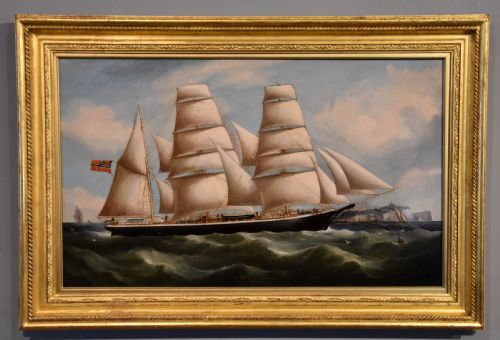
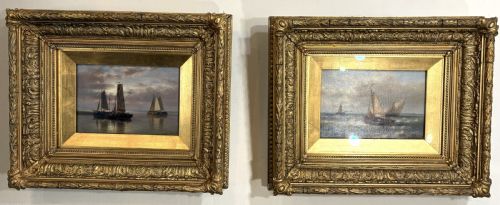
A maritime fine art painting depicts coastal scenes, marine vessels, naval portraits and harbour views executed on canvas, panel or paper. These works document maritime heritage through various regional lenses, spanning British, French and Italian schools from the eighteenth century into the twentieth century.
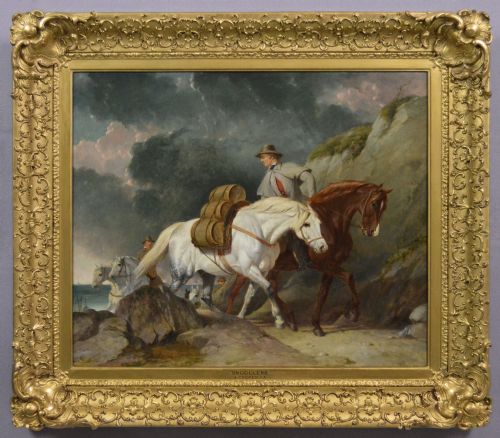
The selections available here lean heavily toward nineteenth-century oils and watercolours, alongside early twentieth-century impressions. Buyers encounter depictions ranging from bustling fishing ports and quiet Venetian canals to stormy coastal paths and detailed ship portraits.
Subjects often incorporate specific locales such as Whitby, the Thames, or French Mediterranean ports, anchoring the artistic output in genuine topography and nautical history.
Materials and Techniques
Artists relied primarily on oil paint applied to stretched canvas or wooden panels, often building up rich textures with gesso priming underneath. Watercolours on paper also feature prominently, offering translucent washes that capture coastal light and atmospheric skies.
Many works retain their period frames constructed from wood and embellished with gold leaf detailing, which provides structural support and historical context to the paintings.
The inventory records regional British and continental European scenes, including views from English harbours, French ports and Italian canals.
Distinguishing Quality
Quality in these works rests upon the artist's command of light, movement and maritime anatomy, separating competent topographical records from compelling artistic achievements. The handling of water, rigging and atmospheric conditions reveals the depth of the painter's direct observation.
The integrity of the original canvas, stability of the paint layers and presence of period-appropriate framing contribute significantly to the standing of any given piece.
Peter Brannan·Abraham Cooper·Joseph Farquharson·Abraham Hulk·Charles Euphrasie Kuwasseg·Thomas Hodgson Liddell·George Morland·Stephen J. Renard·Frank W. Scarborough·Richard B. Spencer·Hendrik Yan Wolter
The Maritime Fine Art Painting Glossary
- Oil on Canvas
- Pigment mixed with drying oils applied to a woven fabric support stretched across a wooden frame. This medium allowed artists to achieve deep colour saturation and rework areas over extended periods.
- Watercolour
- Pigment suspended in a water-soluble vehicle applied to paper. It relies on the white of the paper to show through translucent washes.
- Gesso
- A paint mixture consisting of a binder mixed with chalk, gypsum, or pigment, used to prepare a substrate such as wood or canvas for painting. It provides a smooth, stable surface for subsequent layers of oil.
- Gold Leaf
- Gold beaten into extremely thin sheets, used for gilding frames and decorative elements. It adds warmth and reflects ambient light around the artwork.
Maritime Fine Art Painting: Frequently Asked Questions
What periods do these paintings cover?
The available works span from the eighteenth century through the Victorian era and into the mid-twentieth century. This timeline captures shifting artistic movements from Romanticism to Impressionism.
Earlier pieces often focus on formal naval portraiture or historical maritime scenes, while later works embrace looser brushwork and atmospheric coastal light.
How do I care for an antique oil painting?
Keep paintings away from direct sunlight, high humidity and sudden temperature fluctuations to protect the canvas and paint layers. Avoid using chemical cleaners on the surface.
Dust the frame gently with a soft, dry brush and consult a professional conservator if the canvas requires cleaning or structural attention.
Are watercolours as durable as oil paintings?
Watercolour paintings on paper require more careful protection from light exposure than oil paintings on canvas. Framing them behind conservation-grade glass helps prevent fading.
Displaying them away from direct sunlight ensures the pigments retain their original vibrancy over time.
How can I identify the subject of a marine painting?
Many works include inscriptions, artist signatures, or legible vessel names on the hull or stretcher bars. Researching the named port, such as Whitby or Toulon, often reveals local maritime history.
Clothing styles of figures depicted in the foreground also provide reliable clues to the decade in which the work was created.