


Maritime Art Oil Painting
Maritime art oil painting captures centuries of seafaring history, naval warfare and coastal life through the traditional medium of oil on canvas, wood or board.
Maritime Art Oil Painting
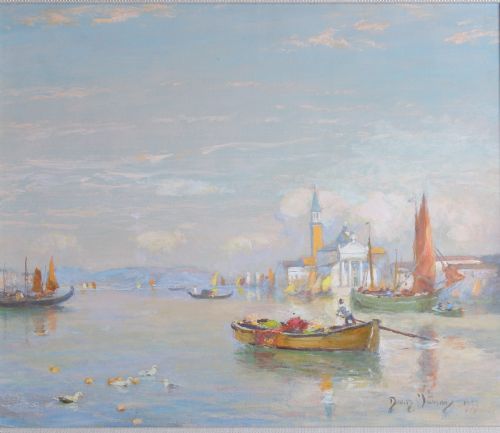
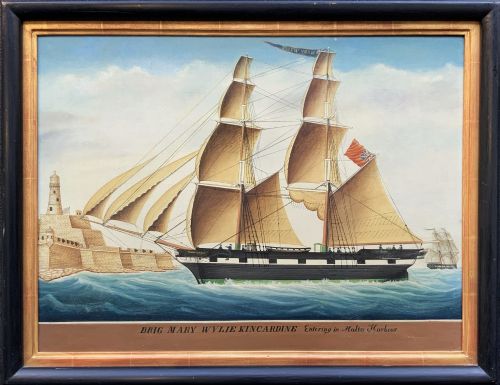
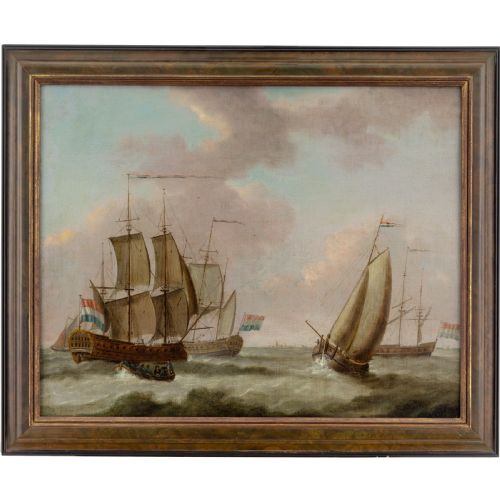
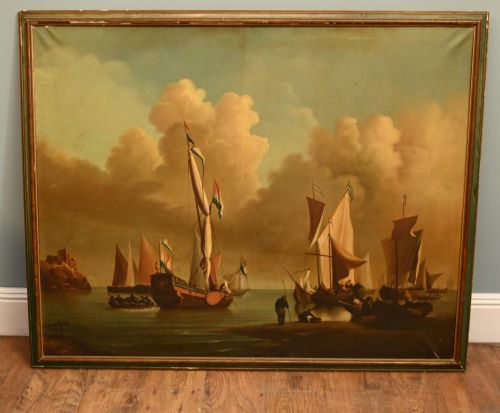
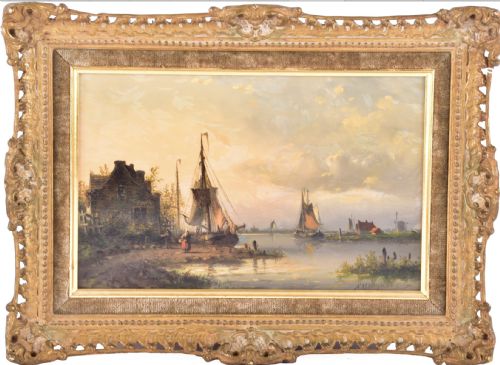
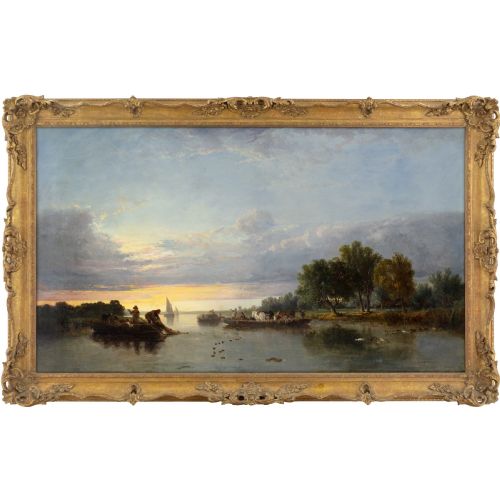
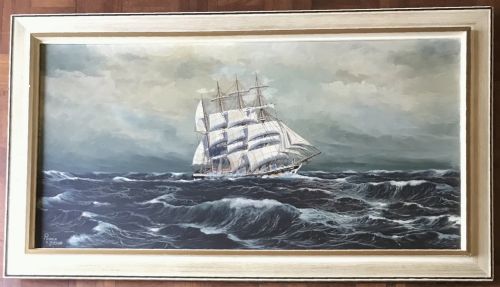
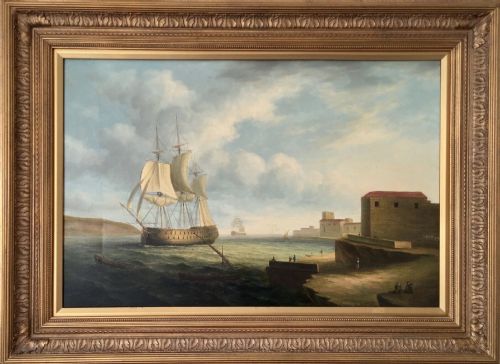
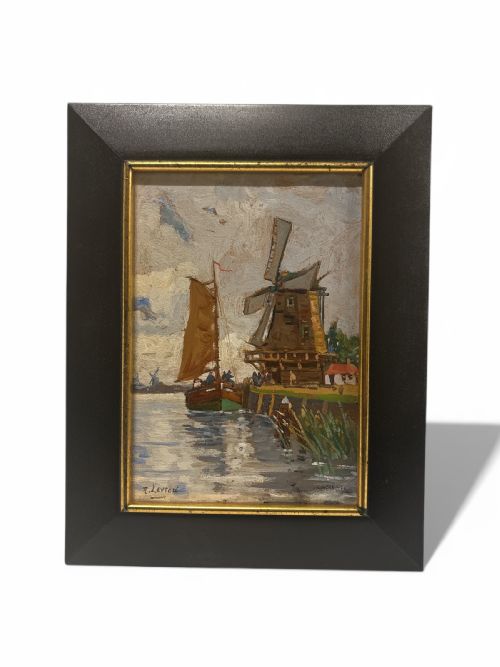
When you search for a maritime art oil painting, you encounter works ranging from 17th-century Dutch gale scenes to mid-20th-century coastal landscapes and industrial harbour views. The selection spans quiet river scenes on the Thames, depictions of warships off foreign harbours, and dramatic records of merchant vessels in heavy seas.
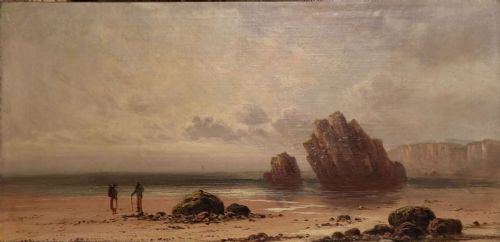
You are most likely to meet 19th-century and Edwardian canvases on this page, reflecting a period of intense maritime output. These works vary from detailed portraits of specific steamships and sailing barks to impressionistic studies of sailboats and coastal towns.
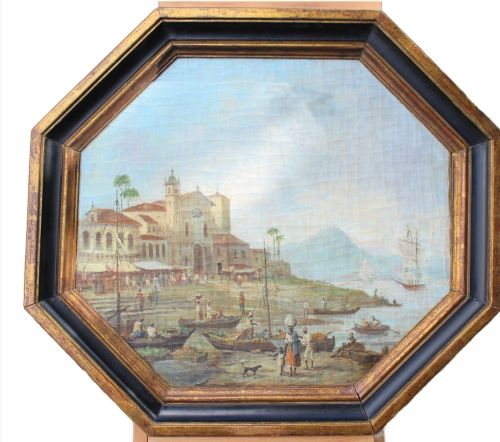
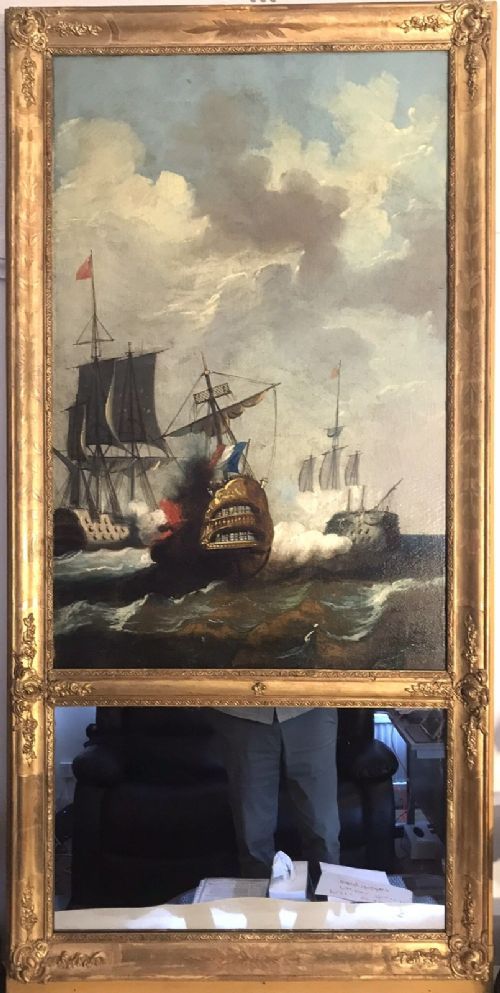
The subjects encompass historical naval engagements, port activities from Sicily to Malta, and quiet coastal escapes. Formats range from standard rectangular oil paintings on canvas and panel to oval sea views and panoramic river vistas.
How they were made
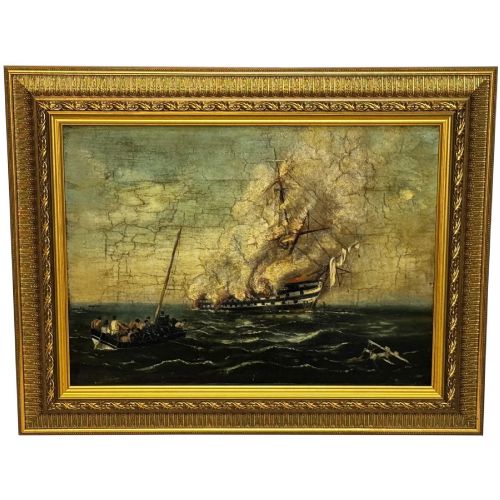
Artists painted primarily with oil paint on stretched canvas, wooden panels, or rigid boards. Many works incorporate textured impasto techniques to render the physical turbulence of waves or the dramatic smoke of burning ships.
Supports often include traditional wood panels or prepared canvas, sometimes housed within period gilt or giltwood frames that complement the maritime subject matter. Associated media such as gouache occasionally appear alongside standard oil formulations on board.
Sailors occasionally trusted artists to paint missing anchors back onto vessels before portraits were officially finished.
What varies in quality
Quality rests upon the artist's command of light, atmosphere and maritime architecture, separating stiff documentary renderings from convincing portrayals of open water and wind-filled sails. The handling of difficult subjects, such as vessels maneuvering in a gale or accurate rigging detail, distinguishes superior compositions.
The integrity of the surface condition, the harmony of the original framing, and the clarity of attribution or signature further divide standard decorative works from significant pieces of fine art.
Lemuel Francis Abbott·Eugène-Louis Gillot·William McAlpine·Reginald Arthur Borstel·James Kay·Bernard Gribble·Bonaventura Peeters·Francis Moltino·John Wilson Carmichael·Willem Bos
The Maritime Art Oil Painting Glossary
- Impasto
- A technique where paint is laid on an area of the surface in very thick layers, usually thick enough that the brush or painting-knife strokes are visible. This method brings a tactile sense of movement to turbulent water and stormy skies.
- Giltwood
- Wood that has been thinly coated with gold leaf or gold paint. It forms the traditional decorative finish for period frames surrounding marine canvases.
- Panel
- A rigid flat piece of wood used as a support for painting instead of stretched canvas. Panel paintings frequently date from earlier periods or intimate cabinet-sized works.
- Seascape
- A work of art that depicts the sea, closely related to landscape art. Maritime examples specifically focus on ships, harbours, and coastal human activity.
Maritime Art Oil Painting: Frequently Asked Questions
What subjects appear in maritime oil paintings?
These works depict a wide variety of nautical subjects, including warships, merchant steamers, harbour scenes, and quiet coastal landscapes. Artists also recorded specific historical events, naval battles, and everyday river traffic on waterways like the Thames.
Compositions range from calm sunrise and sunset views to dramatic storm scenes featuring vessels in heavy seas. You will also find topographical views of foreign ports and industrial shipping hubs.
How do I identify the period of a painting?
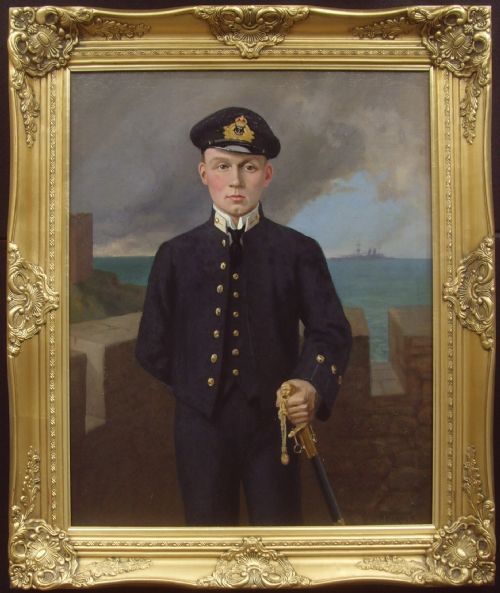
Dating relies on stylistic clues, the type of vessel depicted, clothing styles of any figures, and physical evidence on the back of the canvas or panel. Steamships and specific naval uniforms help narrow the timeline, particularly for 19th-century and Edwardian pieces.
Signatures, framing styles, and stretcher construction provide additional context. Attributions to known artists active in specific decades also assist in dating the work.
Where should I hang a maritime painting?
Maritime art suits rooms with neutral walls where the rich tones of oil paint and gilt frames can stand out. Placing the artwork away from direct sunlight and damp environments helps preserve the integrity of the canvas and paint layers.
Consider eye-level placement in studies, living rooms, or hallways to appreciate the fine details of rigging and coastal light. Matching the scale of the painting to your wall space ensures a balanced display.
Are these paintings usually framed?
Many antique marine paintings retain their original or period-appropriate frames, often finished in gilt or giltwood. These frames are selected to complement the subject matter and enhance the visual weight of the artwork.
Some listings offer works framed and ready to hang, while others present panels or canvases that may have been reframed over time. Checking the listing details confirms the current framing status.