



Maritime Antiques Sailing Ship
Maritime antiques sailing ship pieces bring the power and scale of historic vessels into a room through paint, wood, and glass.
Maritime Antiques Sailing Ship
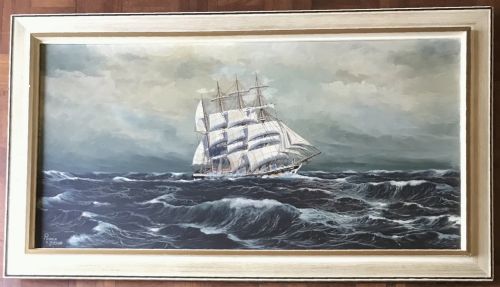
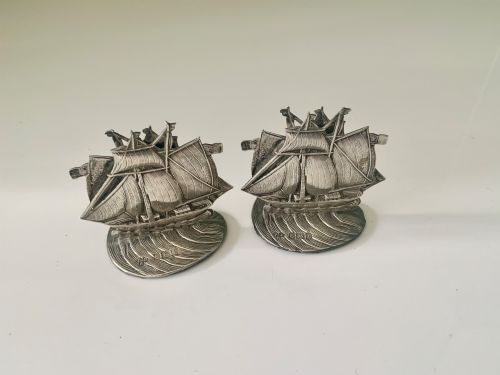
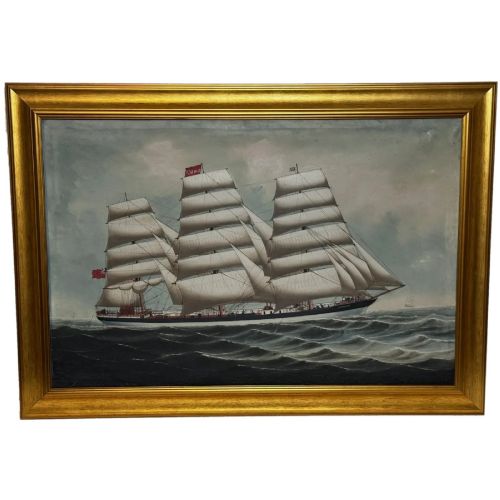
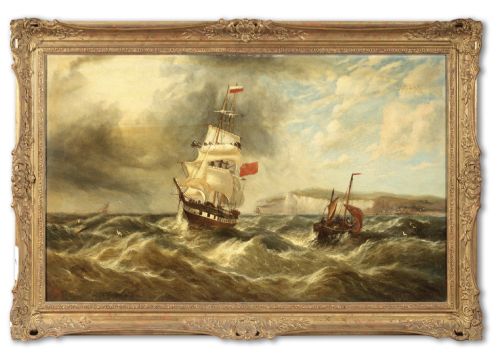
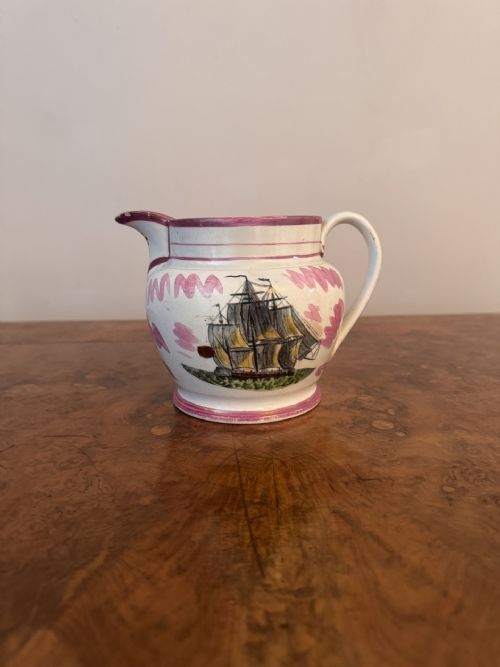
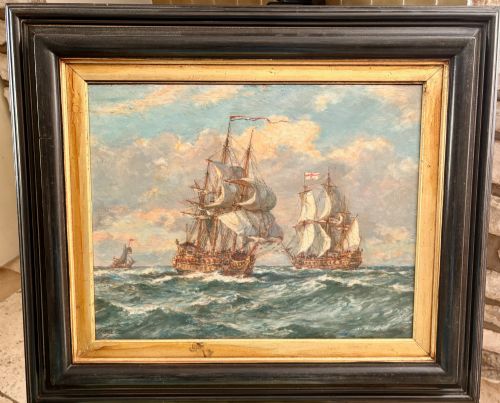
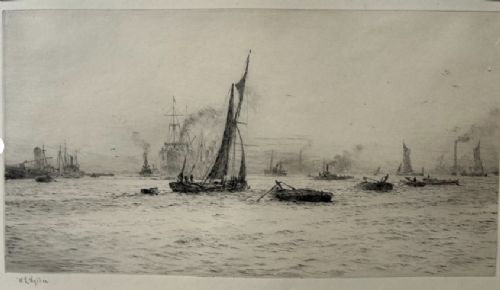
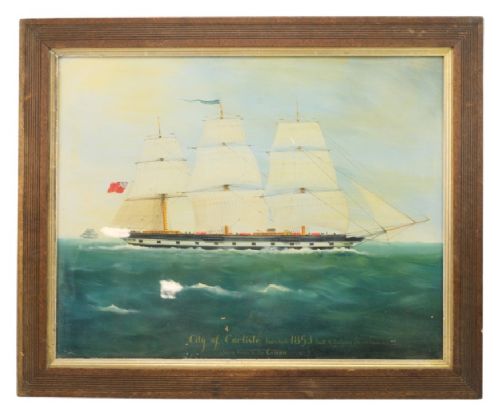
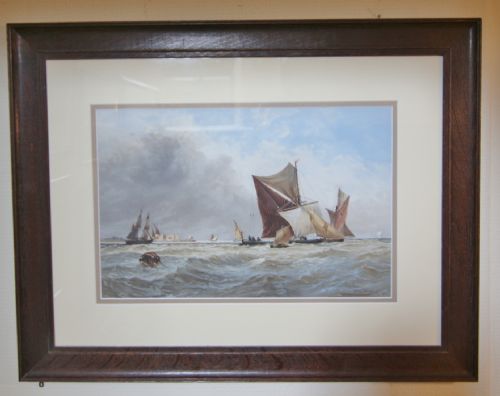
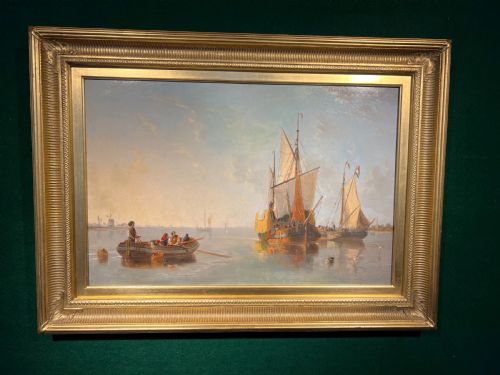
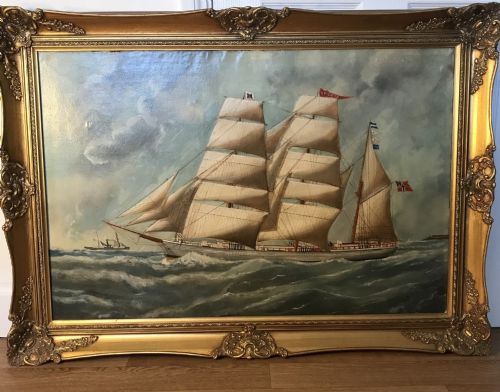
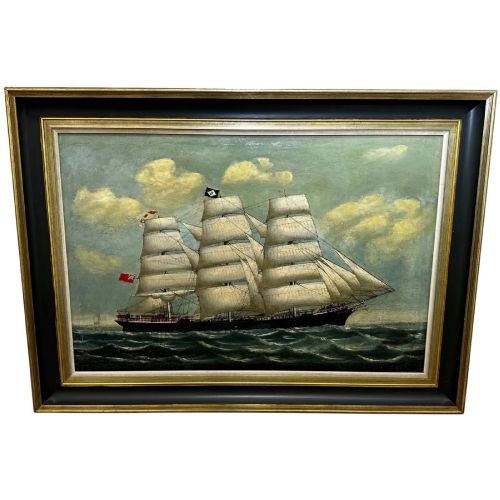
Maritime antiques sailing ship works encompass oil paintings, watercolours, framed etchings, and detailed dioramas depicting vessels at sea. These pieces capture specific historic ships, merchant vessels, and naval scenes across coastal waters and open oceans.
The most common forms on this page include nineteenth-century oil paintings on canvas and board, maritime watercolours, and cased ship dioramas. They range from small cabinet watercolours to large scale models and canvases framed in giltwood.
How They Were Made
Makers utilised traditional canvas, panel, and paper supports for paintings, applying oil and watercolour pigments to render light on water and rigging with precision. Pencil and etching ink record finer details of docks and river reaches.
Three-dimensional pieces combine carved and painted wood, canvas, and glass to construct detailed model ships housed within glazed boxes or glass bottles.
Listings span the nineteenth century and the early decades of the twentieth century, featuring oil, watercolour, and carved wood.
What Varies In Quality
The standard of execution in rigging, hull proportions, and water movement distinguishes finer maritime works from simpler decorative items. Direct observation of maritime anatomy marks the work of accomplished marine artists.
The preservation of the original surface, frame, and glass case impacts the integrity of paintings and dioramas alike.
Reginald Arthur Borstel·Charles Edward Dixon·John Rose Miles·Bernard Gribble·William Lionel Wyllie·Bonaventura Peeters·John Wilson Carmichael·Lai Fong·Abraham Hulk I·Daniel Sherrin
The Maritime Antiques Sailing Ship Glossary
- Diorama
- A three-dimensional scene enclosed in a glass-fronted case, often featuring a model ship set against a painted background.
- Giltwood
- Wood that has been treated with gold leaf or a gold-coloured finish, commonly used for traditional picture frames.
- Barque
- A sailing vessel with three or more masts, having the fore and main masts square-rigged and the mizzen mast fore-and-aft rigged.
- Etching
- A printmaking technique where lines are bitten into a metal plate with acid to hold ink for transfer to paper.
Maritime Antiques Sailing Ship: Frequently Asked Questions
What is a maritime diorama?
A maritime diorama is a cased three-dimensional model of a ship set against a painted backdrop of sea and sky. These pieces use carved wood, canvas, and paper to create depth.
Craftsmen assembled them to record specific vessels, ports, and sea conditions with accurate rigging and hull detail.
How do I date an oil painting?
Dating relies on the style of the canvas preparation, framing materials, and recorded signatures or dates on the reverse. Costume and vessel design also provide clear clues.
Comparative study of known artist working periods helps narrow down the decade of execution.
Where should I hang maritime art?
These works suit rooms with steady light levels away from direct sunlight to protect watercolours and oil surfaces. Hanging them at eye level allows the viewer to study the detail in the rigging and water.
Pairing them with simple wall colours lets the giltwood frames and painted seascapes stand out.
Are ship models fragile?
Cased dioramas and glass bottle models protect the delicate rigging and masts from dust and physical contact. Uncased pond yachts require careful handling to preserve their wooden hulls and fittings.
Keeping them away from sudden temperature changes prevents wood and paper from warping.