



Wood Ship Model Diorama
These wood ship model diorama pieces capture maritime history in miniature, offering handmade charm that brings authentic nautical character into any room.
Wood Ship Model Diorama
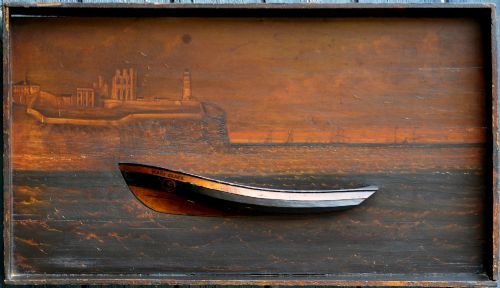
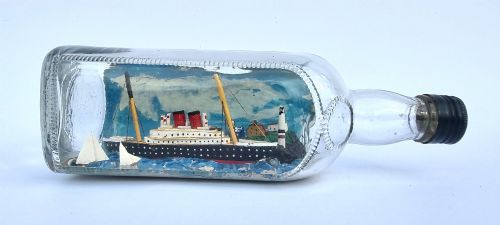
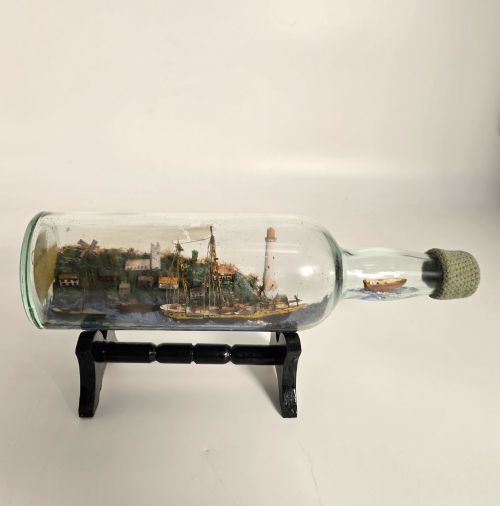
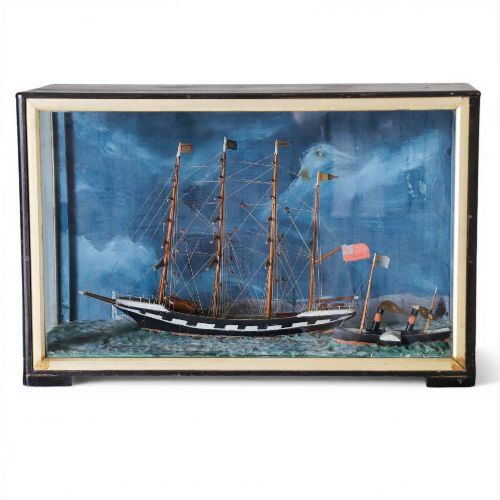
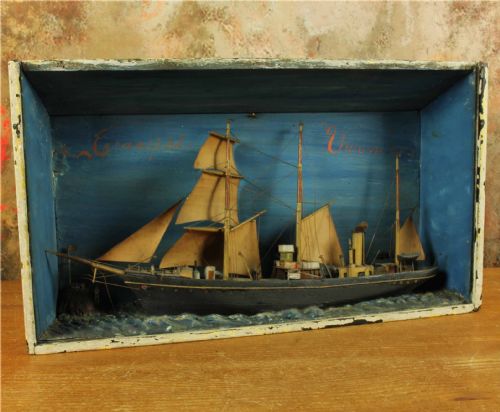
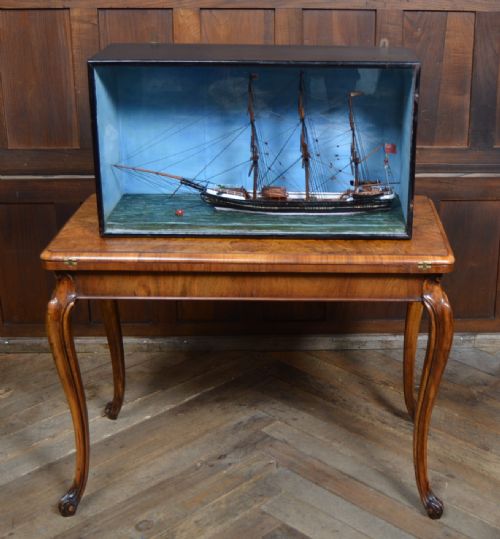
A wood ship model diorama brings maritime scenes into three dimensions, usually housed within a protective wooden box, shadow box or glass bottle. When searching for a wood ship model diorama, collectors encounter Victorian maritime folk art alongside early twentieth-century pieces, capturing sailing vessels and steam ships alike.
The examples found on this page span the nineteenth century up to the 1930s, featuring named vessels such as the Glynllifon and Queen Anne alongside anonymous racing ships and barques. Makers ranged from British and English traditional folk artists to French handmade boat model makers working in Vienne.
Most items take the form of wall art or tabletop decorative objects, presenting detailed miniature hulls and rigging set against painted seascapes. These works serve as a direct link to maritime heritage, constructed by sailors and shore-based craftspeople.
How they were made
Makers constructed these models primarily from wood, utilising fabric, canvas and thread to form the sails, rigging and hull details. Scratch-built components were meticulously assembled inside wooden boxes or glass bottles to protect the delicate miniature scenes from dust and damage.
Background seascapes were painted directly onto wood or canvas, often complemented by plaster, putty and paint to model realistic waves and churned water around the vessel. This combination of carved wood and layered media created a convincing sense of depth within a shallow shadow box.
Makers occasionally squeezed full-rigged sailing vessels through narrow bottle necks using ingenious collapsible masts.
What varies in quality
Quality in a wood ship model diorama rests on the precision of the miniature rigging and the realism of the painted or sculpted sea. Finer examples display intricate threadwork and carefully carved hulls that capture the specific architecture of clipper ships or steam barges.
The integration of the painted background with the physical model dictates the overall visual impact. Superior pieces maintain their original glass fronts, frames and painted surfaces without heavy restoration, preserving the authentic hand of the maker.
The Wood Ship Model Diorama Glossary
- Shadow Box Diorama
- A deep picture frame enclosing a three-dimensional scene under glass. It protects delicate miniature models while displaying them on a wall.
- Maritime Folk Art
- Decorative objects created by self-taught makers or sailors inspired by sea life. These pieces often utilise everyday materials found on hand.
- Barque
- A sailing vessel with three or more masts having the fore-and-aft sails on the aftmost mast only. This rig was common for merchant vessels during the nineteenth century.
- Scratch-Built
- A model built entirely from raw materials rather than from a commercial kit. This method defines traditional folk art construction.
Wood Ship Model Diorama: Frequently Asked Questions
How were these dioramas displayed originally?
Most cased dioramas and shadow boxes were designed to hang on walls or sit upon mantels in homes and maritime offices. The protective wooden framing and glass kept delicate canvas sails and thread rigging safe from the elements.
Today, they function as decorative objects that retain this dual purpose of wall art and tabletop display.
How do I date a ship diorama?
Dating relies on the style of the vessel, the materials used in construction, and any accompanying inscriptions or documentation on the frame. Nineteenth-century examples often feature traditional sailing ships, while pieces from the 1920s and 1930s sometimes incorporate steam ships.
Folk art construction methods and paint analysis also help place an object within the Victorian or early twentieth-century periods.
Are these models made by sailors?
Many maritime dioramas and ship-in-bottle pieces were indeed created by sailors during long voyages or by shore-based folk artists. Their firsthand knowledge of rigging and hull design informed the accuracy of the scratch-built models.
French and English makers alike contributed to this tradition, producing both named portraits of vessels and anonymous racing scenes.