




Marine Oil Artwork
When you search for marine oil artwork, you are looking at centuries of canvas and board capturing vessels, coasts and open water.
Marine Oil Artwork
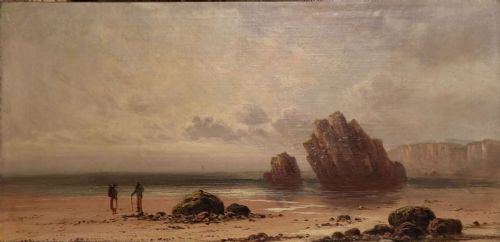
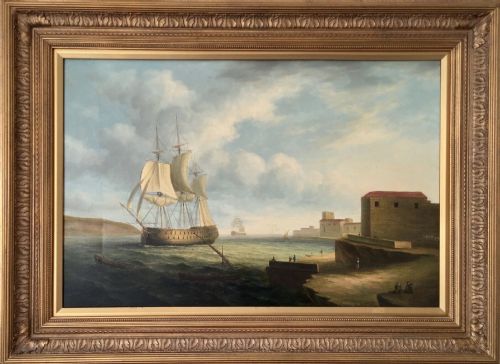
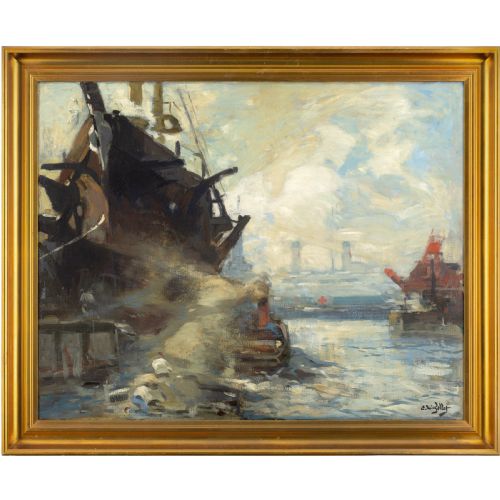
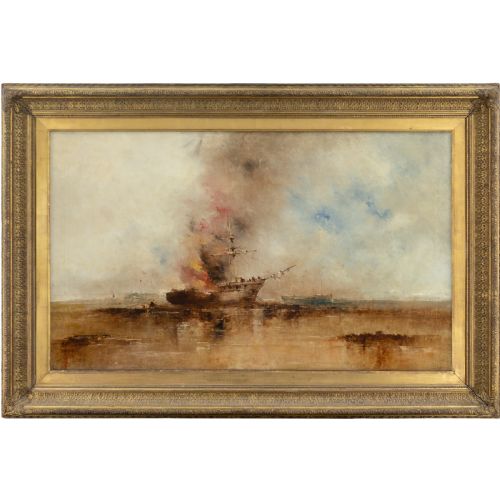
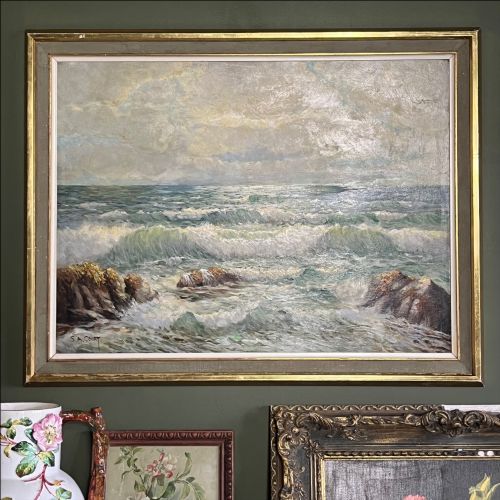
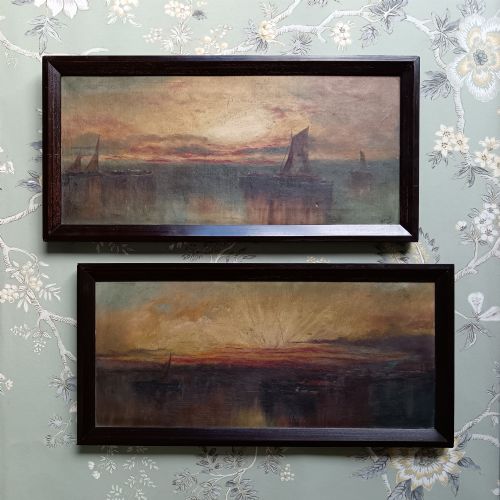
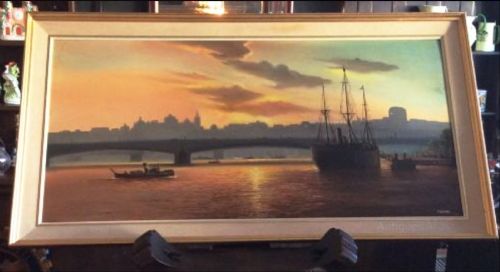
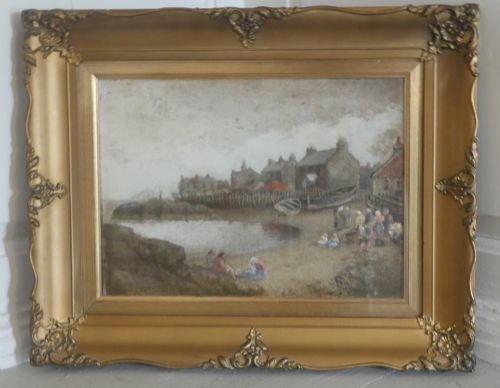
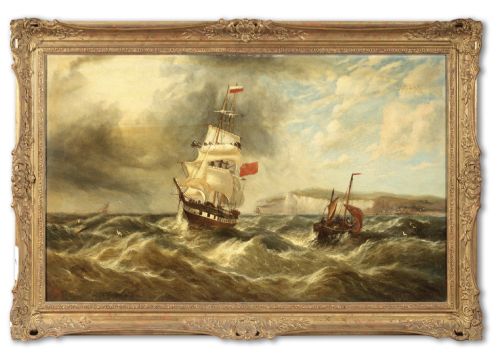
Marine oil artwork spans turbulent shipwrecks, quiet harbour scenes, and coastal landscapes rendered in oil paint.
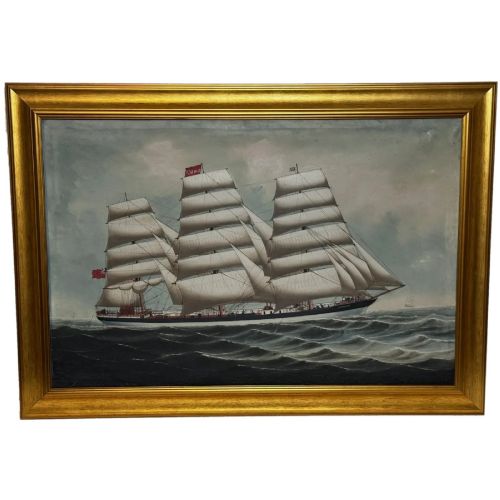
You will frequently encounter nineteenth-century British and European pieces featuring galleons, merchant ships, and steamers upon the sea.
The selection extends from Victorian maritime scenes to mid-twentieth-century coastal views executed on canvas or board.
Materials and methods
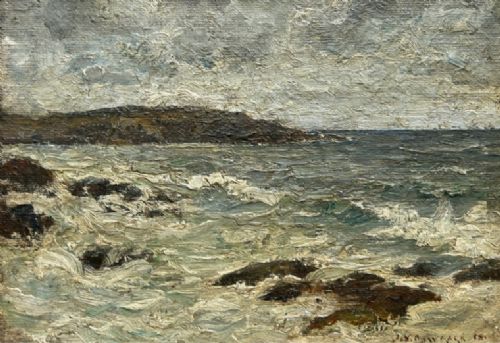
Artists painted primarily with oil paint upon stretched canvas, wooden panels, or board, sometimes building thick impasto texture.
Finished works were frequently housed in gilt or giltwood frames, occasionally complemented by gold leaf detailing.
The listings span from the seventeenth century through the Victorian era to the mid-twentieth century, utilising oil on canvas, board, and wood.
Quality factors
Skill in depicting shifting light, atmospheric weather, and accurate nautical rigging separates exceptional maritime paintings from simpler decorative efforts.
The handling of the medium, whether through smooth glazing or energetic brushwork en plein air, dictates the artistic standing of each piece.
James Hardy·Kenneth Cozens·Clifford Hanney·Eugène-Louis Gillot·William McAlpine·Reginald Arthur Borstel·Sidney A Court·B Nash·Edward Mills·John Rose Miles·William Broome·Bernard Gribble·Bonaventura Peeters·F Corpuz·Clive Browne·Peter Brannan·Paul Bret·Francis Moltino·Bernard Benedict Hemy·Thomas Creswick·Willem Bos·Charles Euphraisie Kuasseg·John Wilson Carmichael·Lai Fong
The Marine Oil Artwork Glossary
- Oil on Canvas
- Pigment mixed with drying oil applied to a woven fabric support. This remains the most common medium for historical marine paintings.
- Giltwood
- Wood carved and covered with a thin layer of gold leaf or metallic powder. Many nineteenth-century maritime frames utilise this finish.
- Impasto
- Paint laid thickly on a surface so that brush or palette-knife marks stand out. Artists often applied this technique to render turbulent seas and frothing waves.
- En Plein Air
- The act of painting outdoors to capture direct natural light and weather conditions. Several coastal views in the collection utilise this method.
- Panel
- A flat piece of wood or board used as a rigid painting support. Panels frequently appear in smaller nineteenth-century marine works.
Marine Oil Artwork: Frequently Asked Questions
How do I hang a heavy framed marine oil painting?
Ensure your wall fixings are secured directly into masonry or wooden wall studs rather than relying solely on plaster.
Heavy gilt frames require robust picture wire and sturdy D-rings attached securely to the wooden stretcher or frame backing.
Should marine oil paintings be displayed in direct sunlight?
Prolonged exposure to direct sunlight can fade oil pigments and dry out historical canvases or wooden panels over time.
Position your artwork away from south-facing windows and keep them clear of modern radiators to prevent cracking in the paint layer.
How can I tell the age of a marine oil painting?
Examine the back of the canvas, stretcher bars, or wooden panel for maker stamps, handwritten labels, and the type of nails used.
Styles of rigging, vessel types, and clothing on figures depicted can also help narrow down the decade or century of creation.