







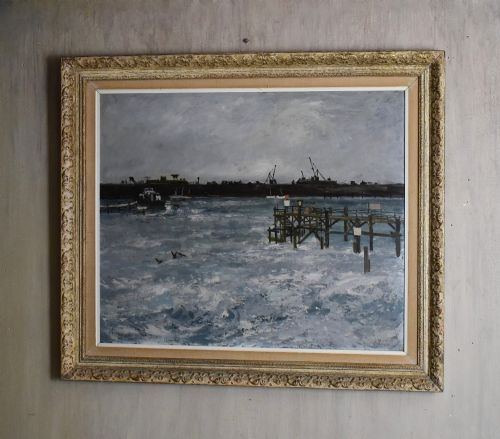
Marine Landscape Wall Art
Marine landscape wall art captures the enduring pull of the coast, bringing the movement of open water and busy harbours into your home.
Marine Landscape Wall Art
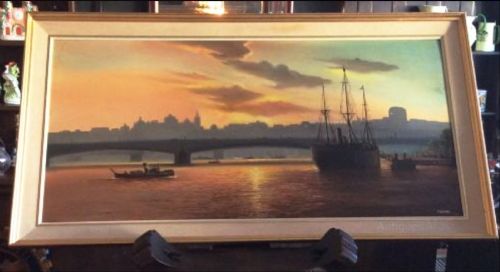
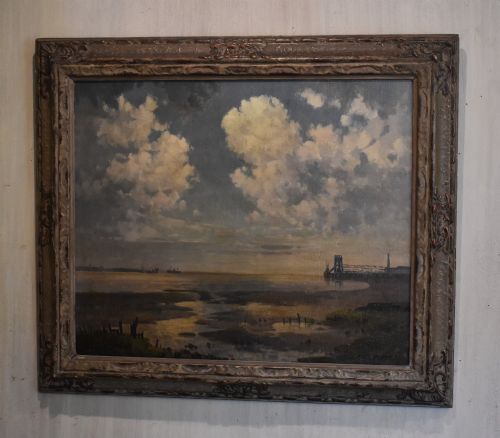
When you search for marine landscape wall art, you encounter a visual record of coastal life, shipping lanes and tidal estuaries. These works span the nineteenth and twentieth centuries, recording changes in how artists approached the sea.
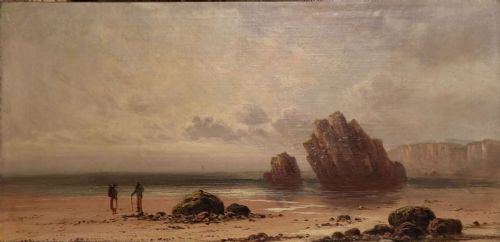
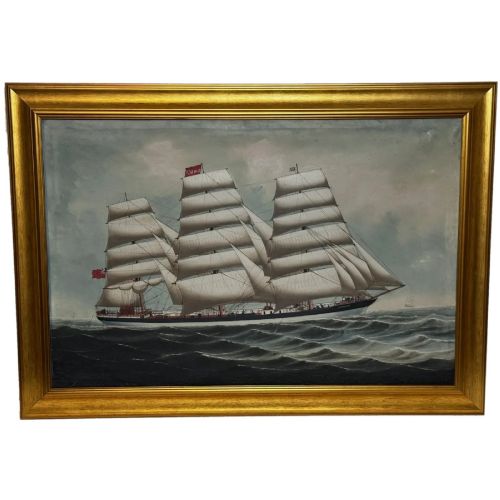
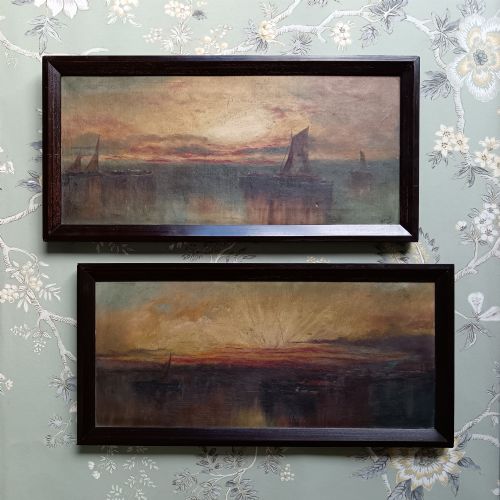
The selections here are predominantly oil paintings and watercolour paintings on canvas, board or paper. You will find framed depictions of familiar British havens alongside continental scenes executed in mid-century styles.
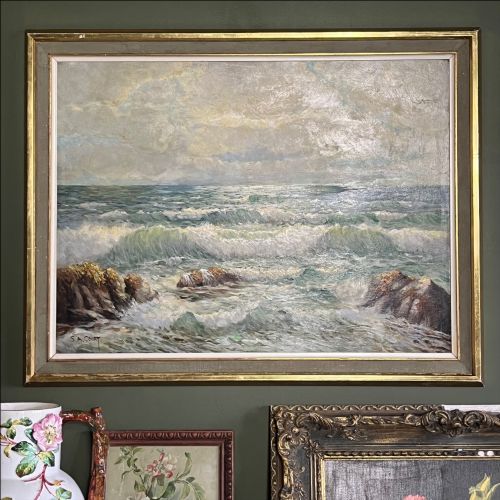
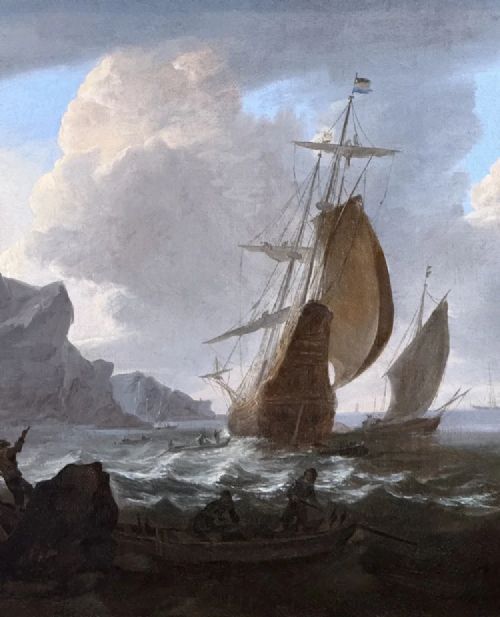
Subjects range from quiet rural river mouths and sandy beaches to heavy shipping in gale-force winds. The pieces vary from intimate oval views to large panoramic canvases meant to anchor a room.
Materials and methods
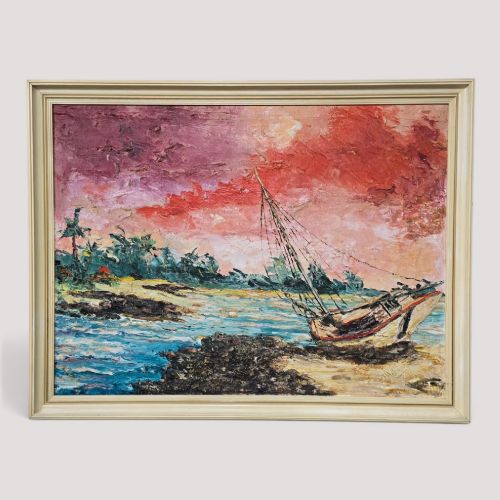
Painters relied on oil paint and watercolour applied to canvas, stretched board or heavy paper. Oil on canvas allows for thick impasto texture that captures churning waves and heavy skies, while watercolour offers fluid transparency for lighter coastal atmospheres.
Many works retain their period gilt wood frames, which add weight and warmth to the composition. Supports vary from traditional woven canvas to wood panels and paper sheets preserved behind glass.
Listings feature works spanning the nineteenth and twentieth centuries, created in both oil and watercolour on canvas, paper and board.
What distinguishes finer examples
The distinction between ordinary and exceptional works lies in the artist's command of light, atmosphere and movement. Superior pieces convey the specific weight of maritime air and the convincing motion of vessels upon the water.
Execution also shows in the handling of difficult subjects like rigging, architectural detail in harbour walls and shifting cloud formations. The best examples balance technical precision with expressive brushwork.
Kenneth Cozens·James Orrock·Reginald Arthur Borstel·Sidney A Court·B Nash·Edward Mills·John E Aitken·William Banks Fortescue·Bonaventura Peeters·Clive Browne·Peter Brannan·Paul Bret·Bernard Benedict Hemy·Thomas Creswick·Willem Bos·John Wilson Carmichael·William Henry Williamson·Robert Leslie Howey·George Stanfield Walters·Walter Goodin·John Moxon·William Frederick Settle·Alfred George Morgan·Charles William Wyllie·Lionel Horsnell
The Marine Landscape Wall Art Glossary
- Impasto
- Paint applied thickly to a canvas or board, leaving visible brush or palette knife marks that give texture and physical presence to waves and clouds.
- Seascape
- A work of fine art that depicts the sea, coastal shores, beaches and maritime activities.
- En plein air
- Painting outdoors in natural light to capture immediate atmospheric conditions and shifting weather along the coast.
- Gilt wood
- Wood carved and coated with a thin layer of gold leaf or metallic paint, commonly found on period frames.
- Watercolour
- A paint consisting of pigment suspended in a water-soluble binder, used on paper to create luminous, translucent washes.
Marine Landscape Wall Art: Frequently Asked Questions
What subjects appear in marine art?
These works depict sailing ships, fishing boats, rocky shorelines, estuaries and busy commercial ports. Artists recorded both tranquil coastal inlets and violent gales on open water.
Scenes range from British locations like Cornwall and Whitby to continental European harbours and rivers.
How do I care for these paintings?
Keep framed works away from direct sunlight and damp environments to protect both the paint surface and the paper or canvas support. Consistent indoor temperatures prevent the wood panels and stretchers from warping.
Dust surfaces gently with a soft, dry brush and avoid liquid cleaners on exposed paint or antique gilt frames.
Are these works signed?
Many pieces carry visible signatures, monograms or contemporary inscriptions identifying the artist or the specific location depicted. Some works remain unsigned or indistinctly signed while maintaining strong stylistic attribution.
Examine the lower corners and reverse of the canvas or board for artist signatures and old gallery labels.
How do watercolours differ from oils?
Watercolour paintings utilise translucent pigments on paper, requiring framing behind glass to protect the delicate surface from moisture and dust. They often present lighter, more luminous atmospheric effects.
Oil paintings use heavier pigments on canvas or board, offering deeper texture, visible brushwork and greater durability over time.