



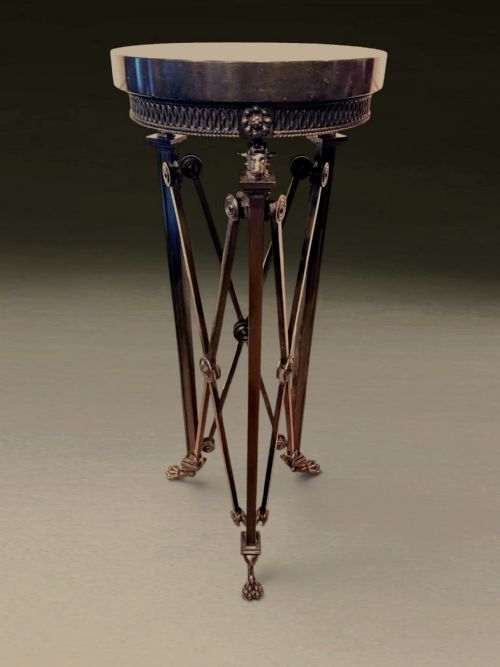
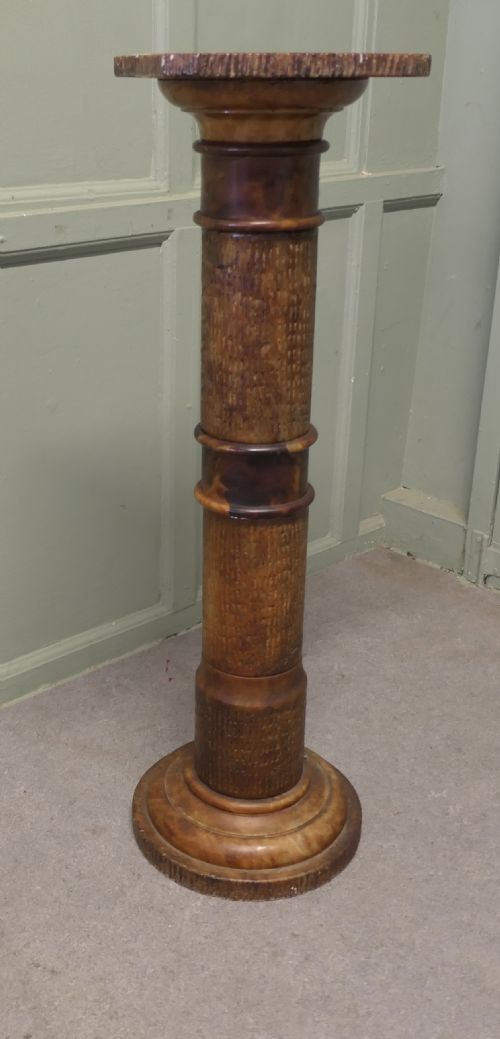
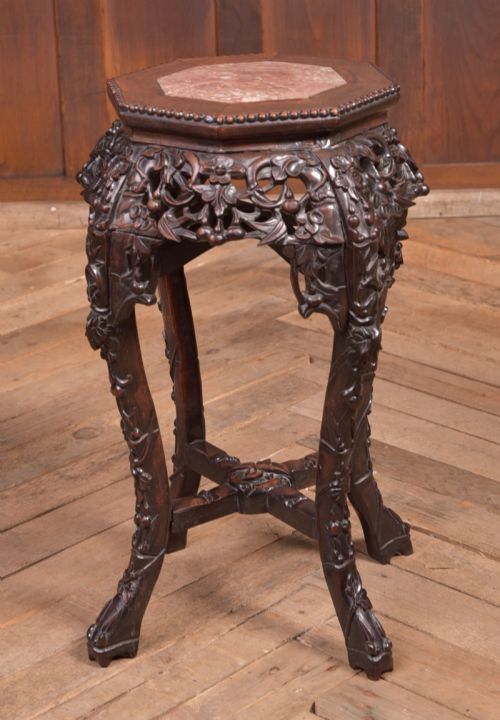

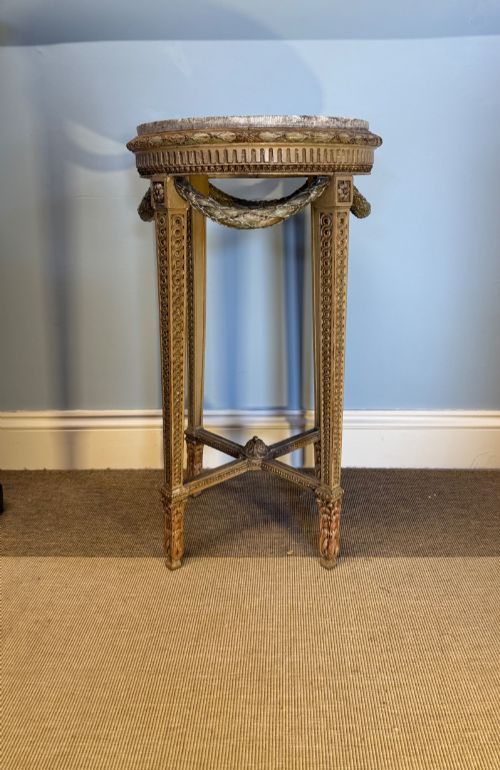
Marble Plant Pedestal
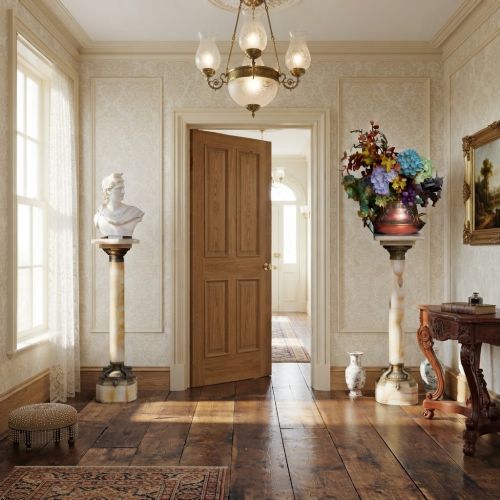
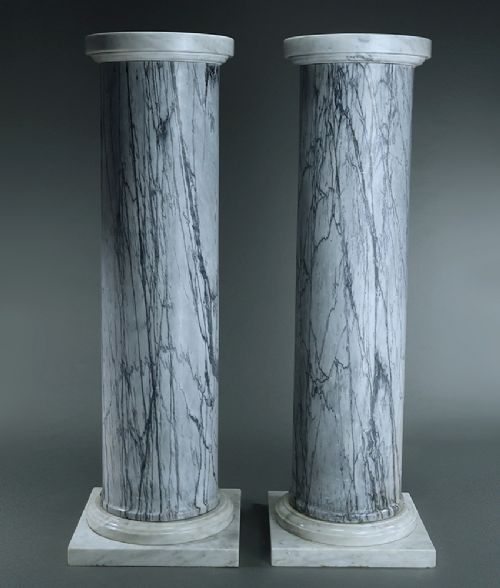
A marble plant pedestal elevates greenery or sculpture, bringing classical proportion and solid weight into a room.
Marble Plant Pedestal
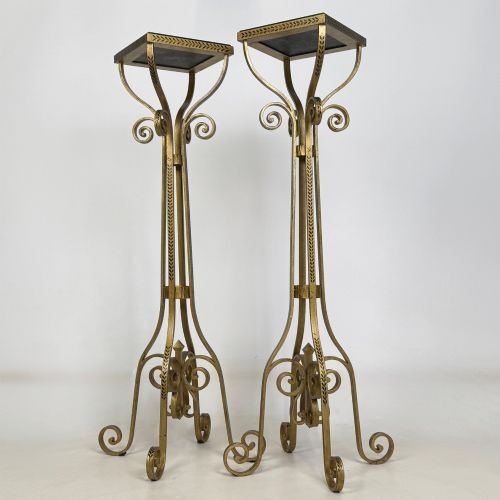
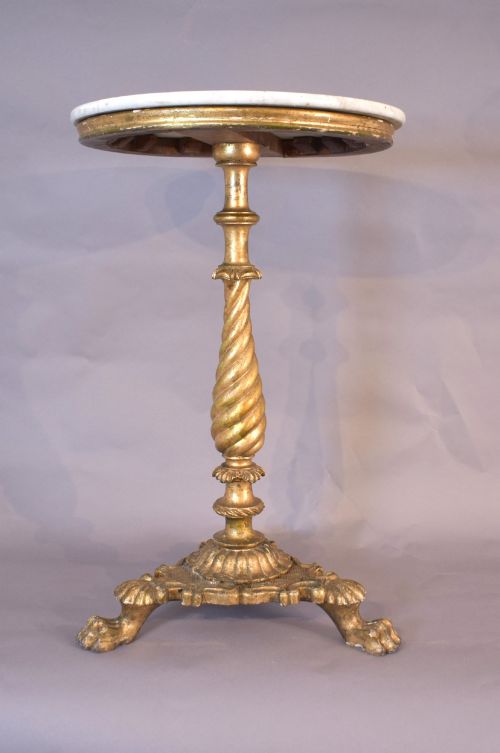
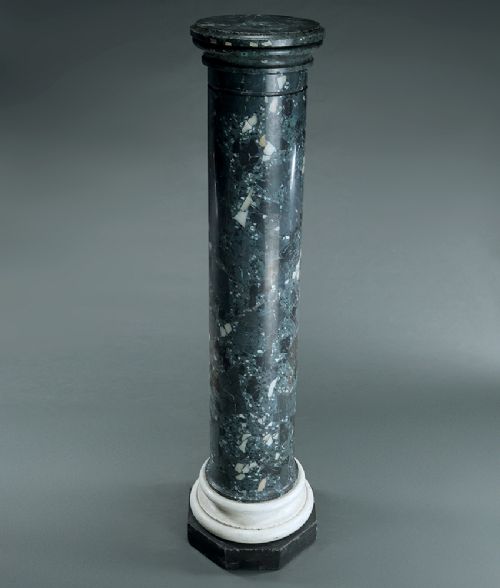
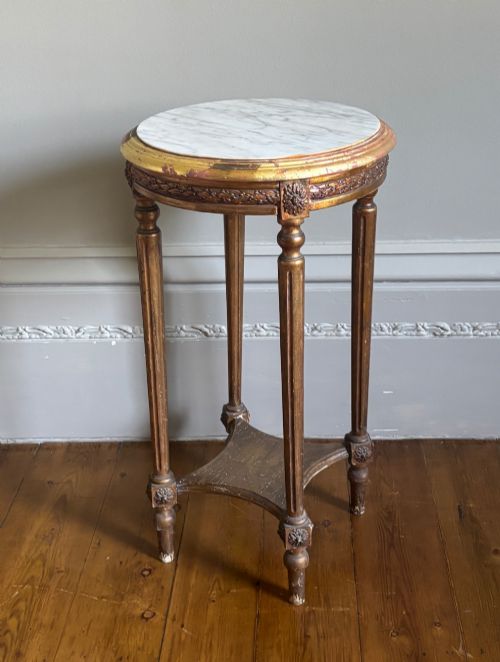
A marble plant pedestal serves as an elevated platform for botanical displays, sculptures and lamps. The forms range from slender columnar supports to low occasional tables and multi-tiered stands.
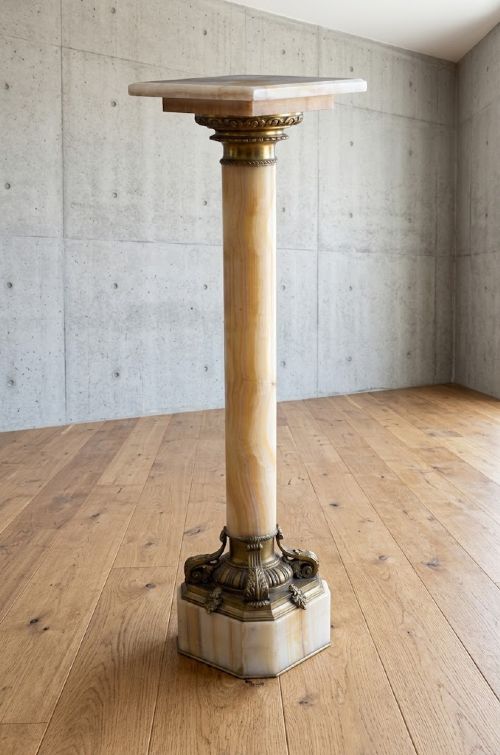
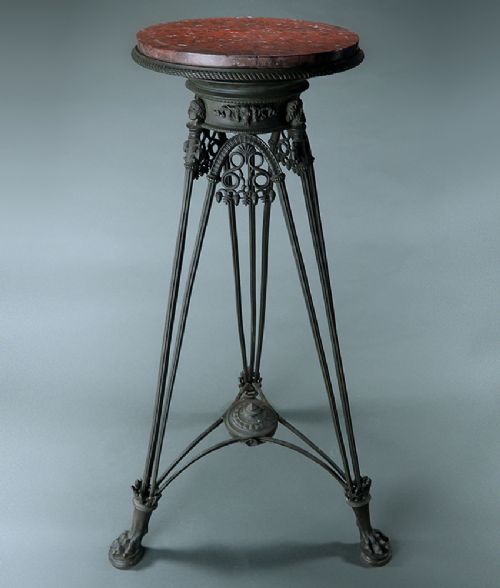
The materials combine heavy stone tops with supporting frames of mahogany, rosewood, bronze and ormolu. Many items function equally well as lamp tables or independent decorative columns.
How they were made
Carvers and cabinetmakers united heavy geological specimens with timber or cast metal frames. Solid marble, onyx, bardiglio and verde antico slabs sit atop turned hardwood shafts or chiseled brass structures.
French workshops integrated gilt bronze ormolu collars and mounts to accentuate the stone work, while Chinese makers carved padouk, rootwood and rosewood to house inset marble or quartz panels.
Materials recorded across the inventory include Carrara marble, onyx, ormolu, brass, mahogany, rosewood, and rootwood.
What varies in quality
Quality rests in the density of the stone and the precision of the joinery. Finer pieces employ unblemished Carrara, rouge or verdant marbles fitted flush into hand-carved wooden or cast bronze chassis.
The distinction lies between standard production furniture and sculptural works boasting chiseled ormolu mounts, intricate mother-of-pearl inlay, or deeply carved wood frames that demand hours of specialised labour.
François Linke
The Marble Plant Pedestal Glossary
- Ormolu
- Gilded bronze mounts applied to furniture and decorative columns. This technique adds metallic contrast to stone and wood surfaces.
- Verde Antico
- A dark green serpentine breccia marble prized in classical architecture and antique furniture. It brings deep tonal variation to pedestals.
- Guéridon
- A small French occasional table supported by one or more columns. The form adapts well to stone tops for display use.
- Scagliola
- A composite material made from selenite, glue and pigments, mimicking natural stone. Artisans apply it to create convincing faux marble columns.
- Jardiniere
- A decorative receptacle or stand designed to hold plants and flowers. These pieces often feature water-resistant stone surfaces.
Marble Plant Pedestal: Frequently Asked Questions
What is a marble plant pedestal?
A marble plant pedestal is a raised architectural stand featuring a stone top designed to hold heavy planters, urns or sculptural objects.
These pieces lift greenery off the floor to display foliage at eye level while introducing durable stone surfaces into interior spaces.
How were pedestals used historically?
Historically, these stands occupied drawing rooms, hallways and conservatories to display imported exotic plants or classical art collections.
They functioned both as practical horticultural furniture and as formal decorative elements within period interiors.
Where should I place a pedestal?
A pedestal suits corners, empty wall spaces, or flanking doorways where height and vertical emphasis benefit the room layout.
Ensure the floor surface is level because heavy stone columns require stable foundations to prevent tipping.
How do I identify French revival styles?
French revival styles show symmetrical ormolu mounts, turned mahogany columns, and specific neoclassical motifs like acanthus leaves and fluted shafts.
Comparing the timber species and the weight of the bronze elements helps distinguish continental workshop pieces from domestic British production.