


Marble Child Statue
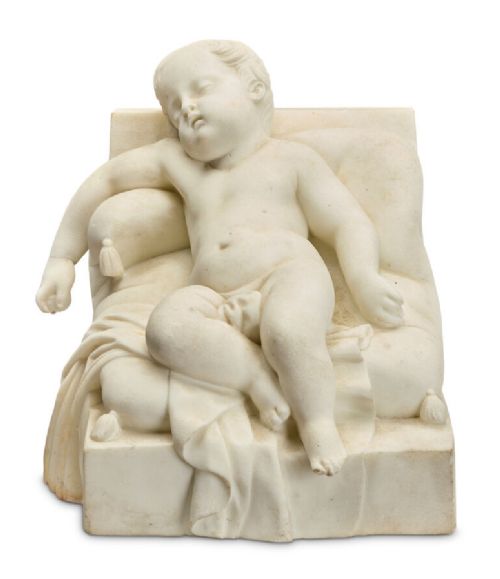
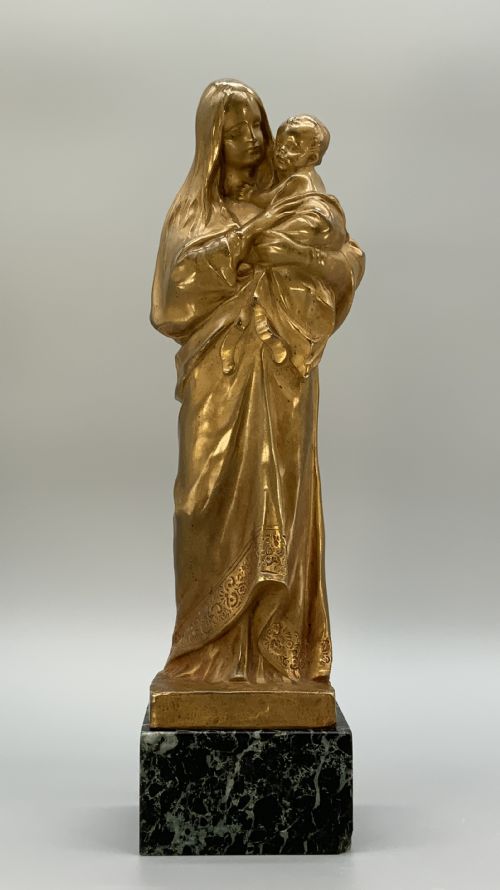
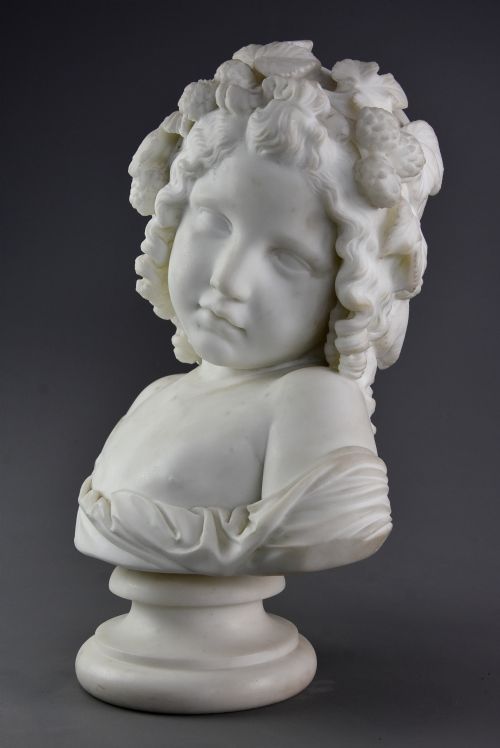
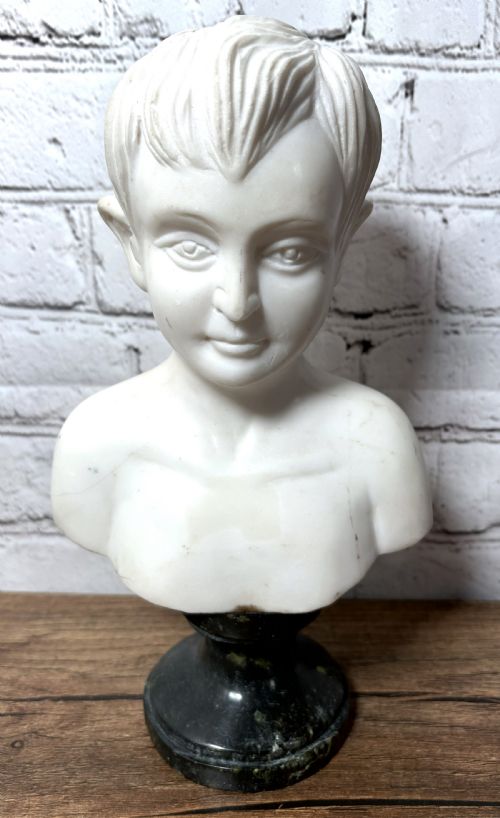
When you seek a marble child statue, you enter a world of classical sculpture, 19th-century portrait busts, and Art Deco figural bronzes depicting youths.
Marble Child Statue
A marble child statue encompasses carved marble figures, library busts of young boys and girls, and sculptural groups depicting children with pets or siblings. These pieces span periods from the early 19th century through the Art Deco era of the 1930s.
You will encounter works in white marble, Carrara marble, and alabaster, alongside mixed media pieces pairing marble with bronze or gilt bronze. Italian and French workshops produced many of these figures, drawing on neoclassical and realist traditions.
Materials and Methods
Carvers shaped white marble, Carrara marble, and alabaster using chisels and rasps to achieve smooth flesh tones and detailed drapery or hair. Parian porcelain figures offered a matte ceramic alternative modelled to imitate carved marble statuary.
Foundries cast bronze, gilt bronze, and spelter elements using the lost-wax method or sand casting before applying patination or gilding by hand. Sculptors frequently signed their finished works directly into the stone or metal base.
Children appear alongside loyal dogs, pet cats, teddy bears, grapes, and even a lobster.
Judging Quality
The choice of material alters the character of the piece, with fine-grained Carrara marble and heavy cast bronze commanding greater presence than softer alabaster or spelter substitutes. Signatures by recorded artists add distinct art-historical weight to individual figures.
Hans Müller·P. Sega·H. Chiparus·Carl Kauba·John Durham·Alexandre Kelety·P. Della Vedova·Xavier Raphanel·Pugi
The Marble Child Statue Glossary
- Carrara marble
- A type of white or blue-grey marble quarried in the city of Carrara in Tuscany, prized by sculptors since antiquity for its fine and uniform grain.
- Parian porcelain
- A biscuit porcelain developed in the 19th century to resemble carved marble, frequently utilised for Victorian statuary figures and busts.
- Patinated bronze
- Bronze that has been treated with chemical solutions to produce a coloured surface finish, ranging from deep brown to green.
- Alabaster
- A soft mineral stone, typically white or translucent, carved into decorative figures and sculptural groups across Italian workshops.
Marble Child Statue: Frequently Asked Questions
How do I clean marble statues?
Dust the surface regularly with a soft, dry cloth to prevent dirt accumulation in the carved crevices. Avoid using household detergents or acidic cleaners, which etch the polished stone.
For stubborn marks, consult a professional conservator rather than attempting chemical removal at home. Keep marble away from direct heat sources and strong sunlight.
Are these figures solid marble?
Many smaller busts and figures are carved from solid blocks of marble or alabaster. Larger sculptural groups sometimes utilise composite stone bases or internal metal supports.
Weight and coldness to the touch generally indicate solid stone construction. Examine the underside or base edges to inspect the material structure.
What is Parian ware?
Parian ware is a fine-grained type of unglazed biscuit porcelain introduced in the 19th century. It was specifically formulated to imitate the appearance of carved marble statuary.
Manufacturers used it for affordable reproductions of classical sculptures and portrait busts. The material fires to a smooth, matte finish that highlights sculptural detail.
How do I date a bronze figure?
Dating relies on the foundry marks, the style of the base, and the quality of the patination. Art Deco figures from the 1930s often feature geometric bases and stylised clothing.
Signatures inscribed directly into the metal before casting suggest a more authentic period origin. Compare the casting seams and surface wear against known examples from the same foundry.