

Mappin and Webb
Discover fine antique silverware, clocks, and serveware stamped by the renowned house of Mappin and Webb.

Mappin and Webb
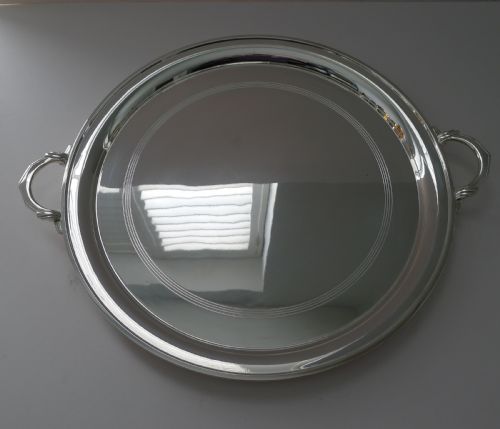
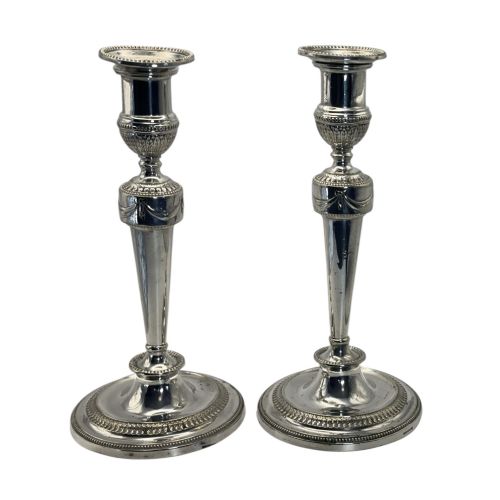
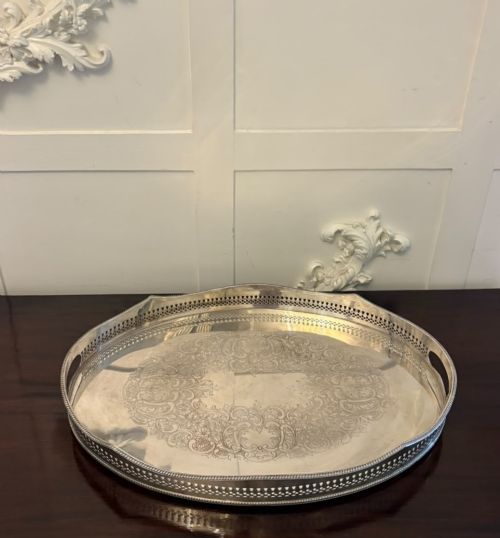
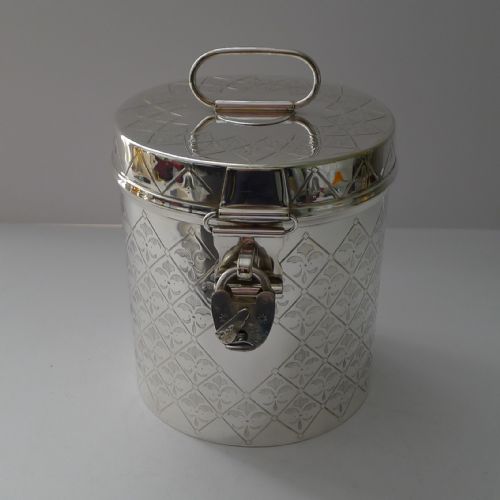
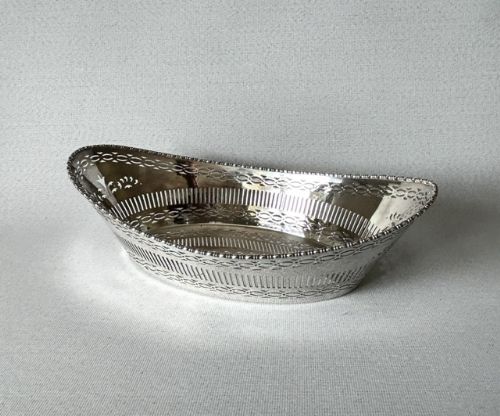
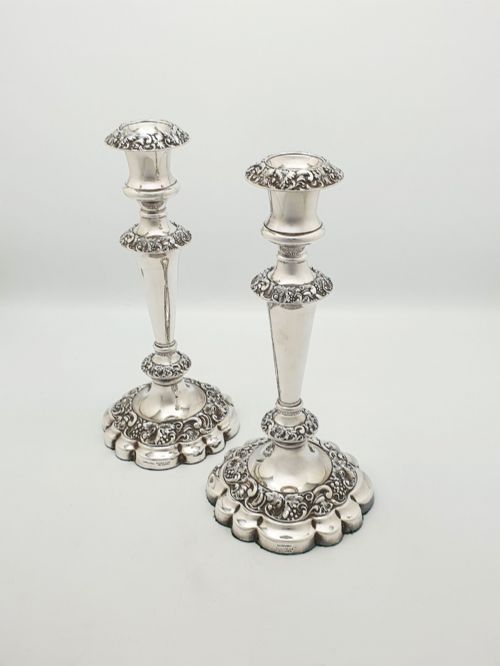
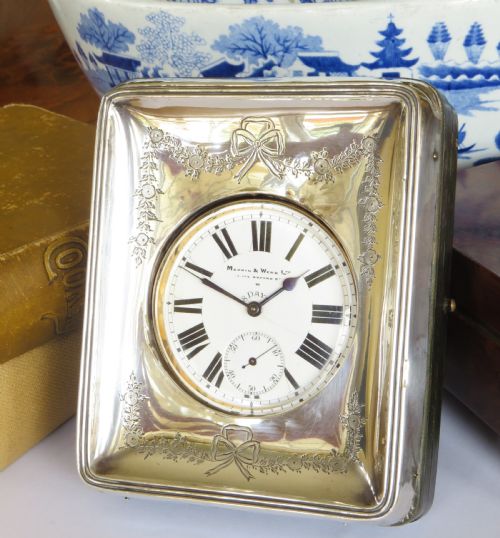
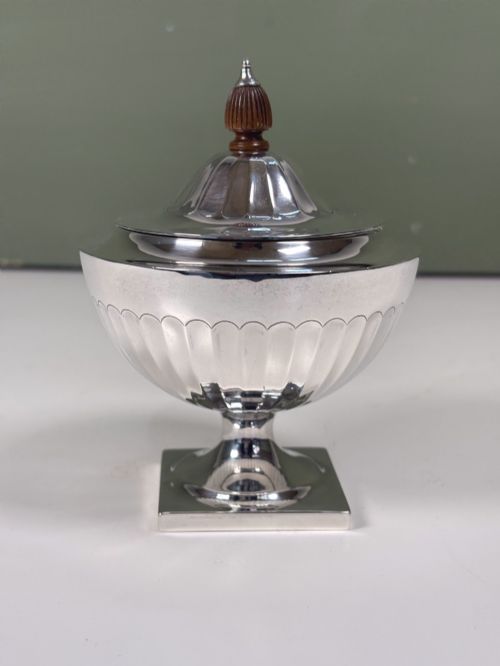
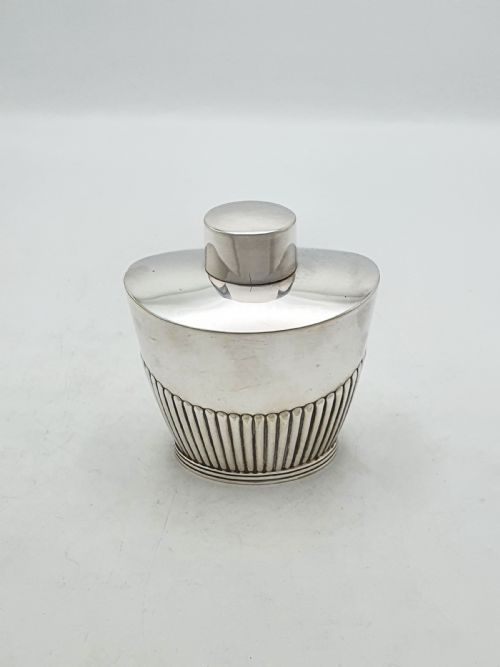
Items associated with the search phrase Mappin and Webb span practical household serveware, timekeeping devices, and personal accessories produced from the Victorian era through the mid-twentieth century. Buyers encounter a diverse range of objects, with silver-plated tea trays, Edwardian caddies, and carriage clocks appearing frequently among the current selection.
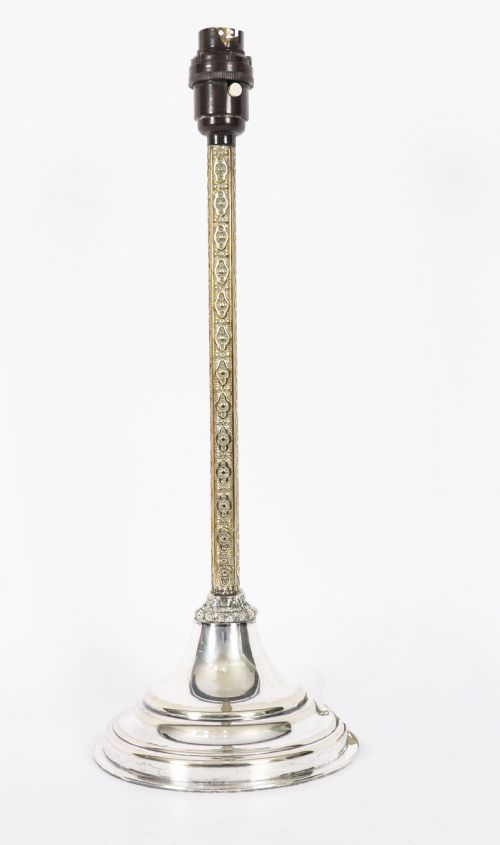
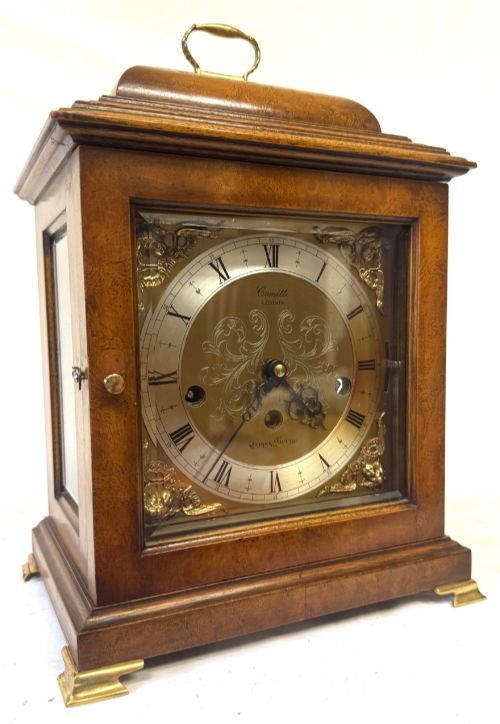
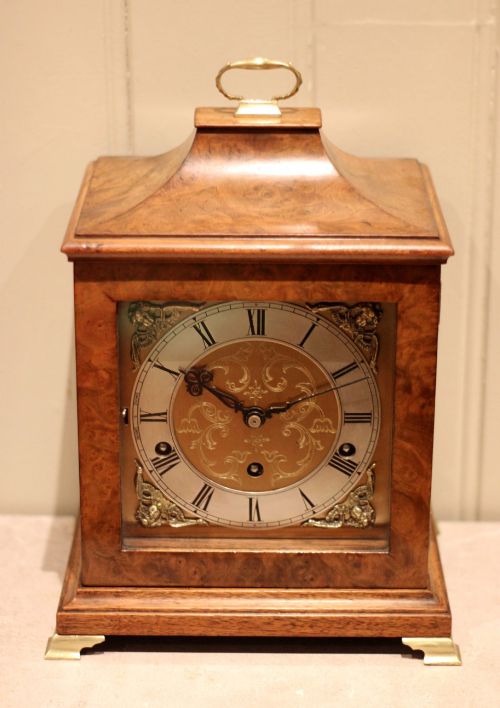
The firm produced utilitarian items for dining and dressing tables alongside decorative showpieces for the home. Examples extend from revolving breakfast dishes and champagne coolers to bracket clocks, table lamps, and fitted dressing cases.
Pieces from this maker bridge formal dining traditions and domestic utility, reflecting shifting aesthetic preferences across the Edwardian period, the Art Deco decades, and mid-century modernism. Surviving objects demonstrate how middle- and upper-class households equipped their dining rooms and studies.
Materials and Construction
Manufacturing methods combine traditional silversmithing with electroplating techniques, utilising sterling silver, electroplated nickel silver, brass, and glass. Many hollowware items pair robust metal bases with cut crystal or pressed glass inserts, while wooden cases incorporate burr walnut, oak, and satinwood.
Surface decoration relies on hand engraving, parcel gilding, guilloche enamel, and shagreen panels, particularly on boxes, mirrors, and magnifying glasses. Clock movements range from simple eight-day platforms to complex triple-chime mechanisms housed in architectural wooden or brass frames.
Listings feature items spanning the Victorian, Edwardian, and Art Deco eras, constructed from silver plate, sterling silver, glass, and wood.
Quality and Distinction
Differentiation across the range rests on the complexity of the design, the weight of the metal, and the integrity of the maker's mark. Pieces designed by notable collaborators like Keith Murray or items featuring detailed hand-engraved motifs sit at a higher level than standard mass-produced plate.
Condition plays a major role in evaluation, specifically the retention of silver plating over base metal, the original working order of clock movements, and the presence of matching fitted components or original presentation boxes.
Keith Murray·Comitti Of London·Doxa
The Mappin and Webb Glossary
- Electroplated Nickel Silver
- A base metal alloy coated with a layer of pure silver through an electrical process. This technique allowed manufacturers to produce durable tableware that imitated solid silver at a lower cost.
- Carriage Clock
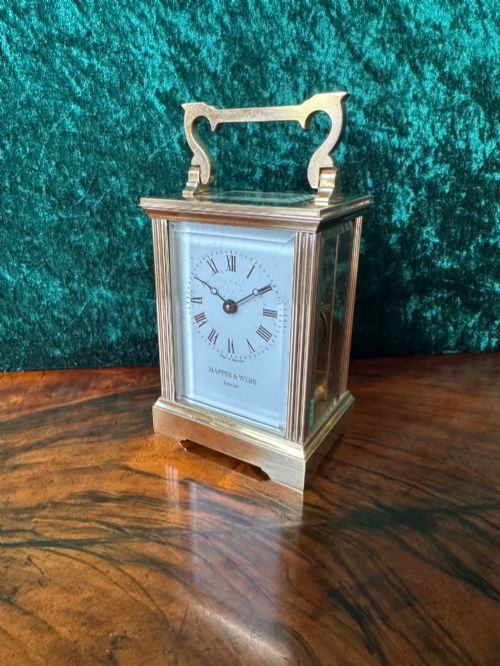
- A small, portable spring-driven timepiece equipped with a handle, originally designed for travellers in the nineteenth century. Examples by this maker often feature brass cases with bevelled glass panels.
- Quaich
- A traditional two-handled Scottish drinking vessel, typically shallow in form. These were produced in both solid silver and plated variants for ceremonial or domestic use.
- Tantalus
- A locking wooden frame holding glass decanters securely visible while preventing access to the contents without a key. They are frequently fitted with brass mounts and handles.
- Fusee movement
- A conical pulley mechanism used in clocks and watches to equalize the diminishing power of the mainspring as it unwinds. This system ensures more accurate timekeeping throughout the duration of the power reserve.
Mappin and Webb: Frequently Asked Questions
How do I date a Mappin and Webb piece?
Dating relies on identifying the hallmarks stamped into the metal, which indicate the assay office, year letter, and standard of silver or plate. Stylistic markers such as Edwardian garland motifs or Art Deco geometric lines also help place the item within a specific decade.
Makers' marks evolved over the centuries, changing the company name structure and address stamps on the base of the object. Comparing these touchmarks against established silversmith registries provides the most accurate production window.
Were all items made of solid silver?
The firm produced a large volume of goods in electroplated nickel silver alongside items fashioned from solid sterling silver. Plated pieces offer the visual appeal of precious metal combined with the durability needed for heavy everyday use.
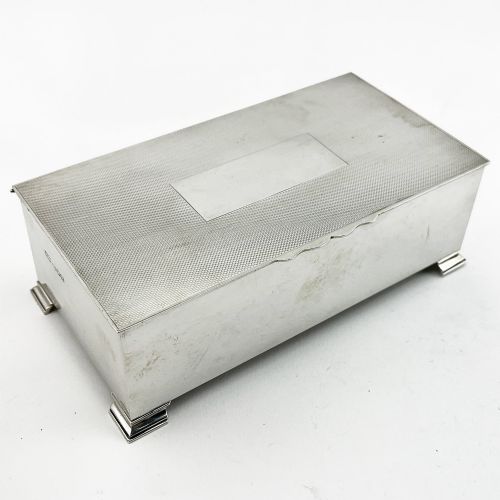
Items intended for personal carry, such as cigarette boxes, pocket watches, and certain vanity items, were more frequently rendered in solid silver or gold. Hallmarks on the body or rim clearly distinguish solid precious metals from plated wares.
How should I clean antique silver plate?
Cleaning requires a soft microfibre cloth and a reputable, non-abrasive silver polish formulated specifically for plated items. Vigorous scrubbing strips the thin layer of silver from the underlying base metal, permanently damaging the finish.
Store pieces in a dry environment away from direct sunlight and sulfur-bearing materials to slow down the natural tarnishing process. Regular dusting with a dry cloth keeps maintenance minimal.
Can antique carriage clocks still keep accurate time?
Many mechanical clocks maintain good time if they have received professional servicing and cleaning of the internal gear train. Older spring mechanisms accumulate dust and dried oil over decades, which stops the movement from running smoothly.
A qualified horologist can disassemble, clean, and adjust the escapement to restore full working order without altering the original components.