
Clear Crystal Glass Decanter
A clear crystal glass decanter brings weight and brilliance to the sideboard, turning the pouring of wine into a deliberate ritual.
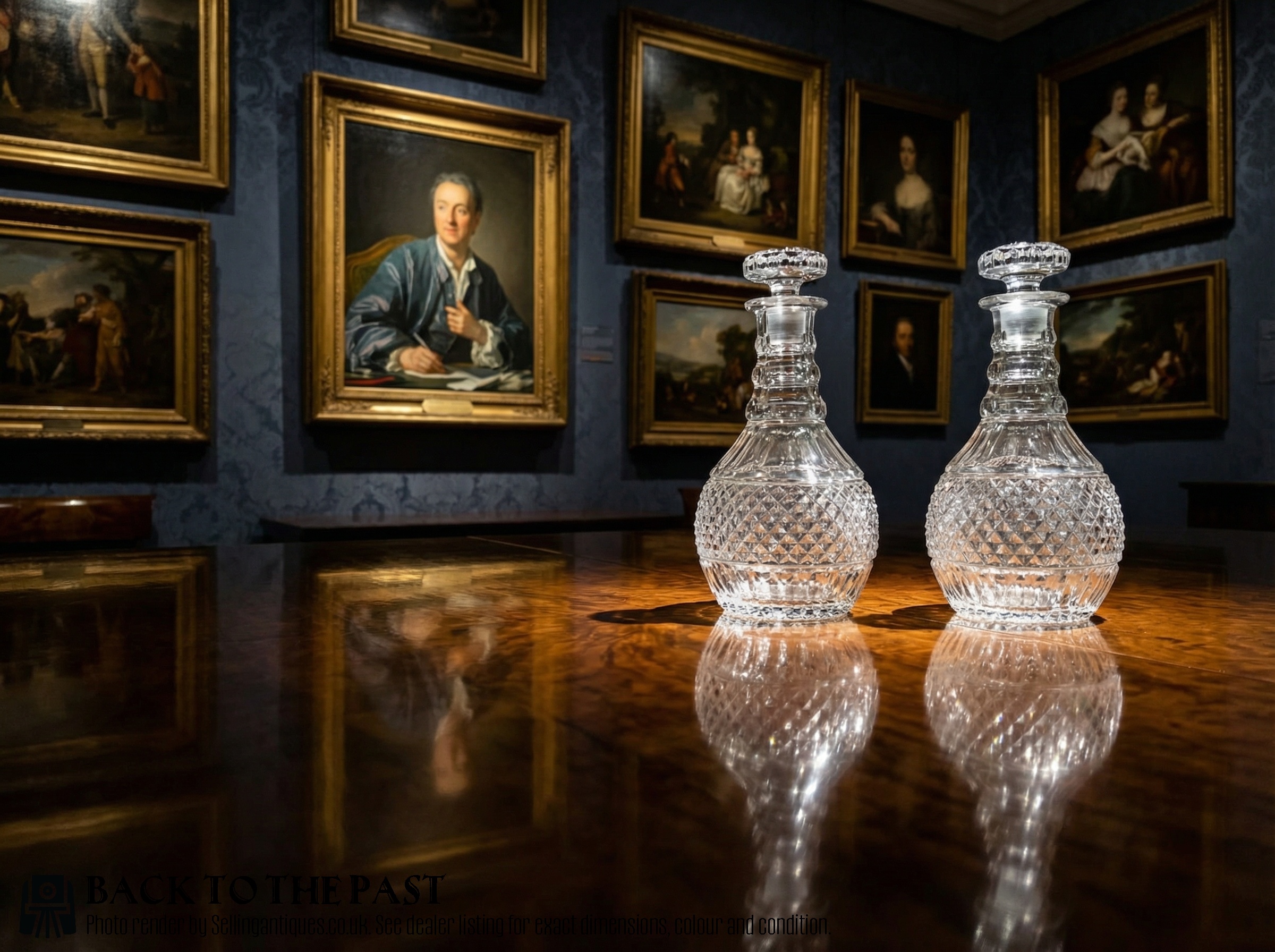
Clear Crystal Glass Decanter
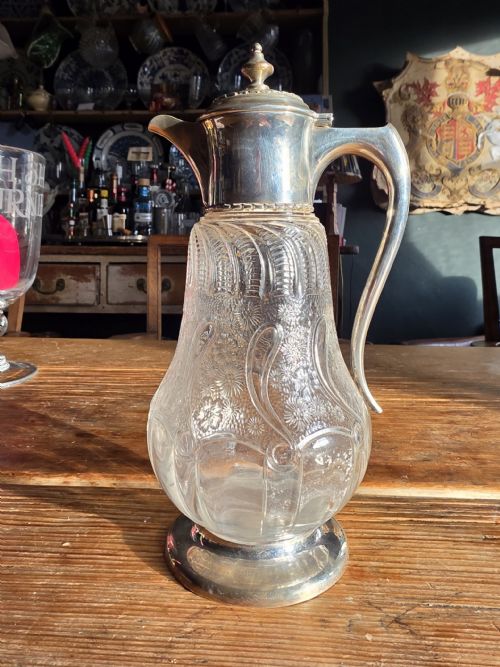
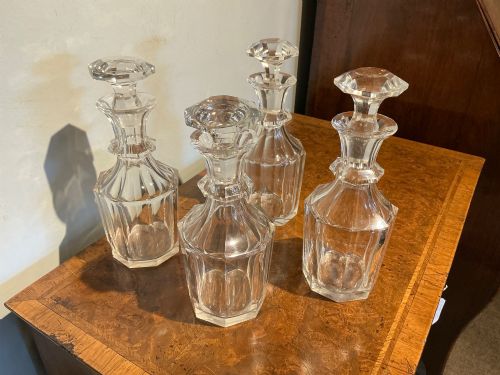
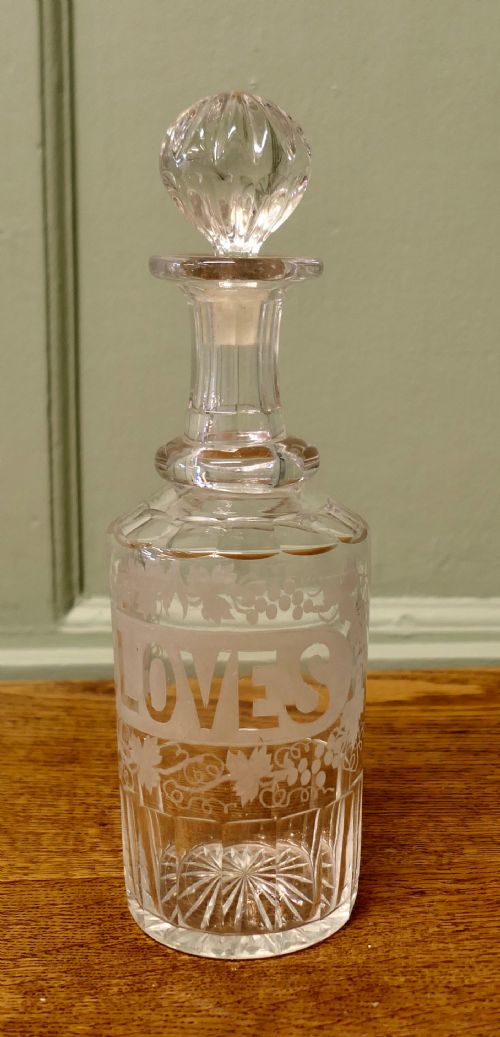
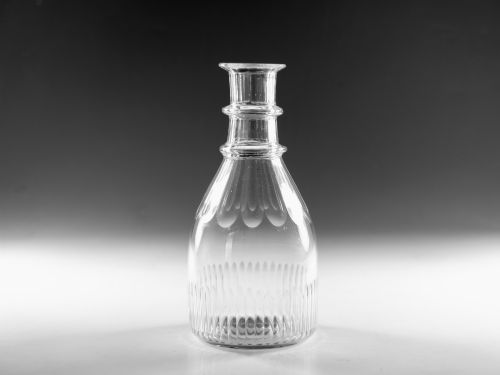
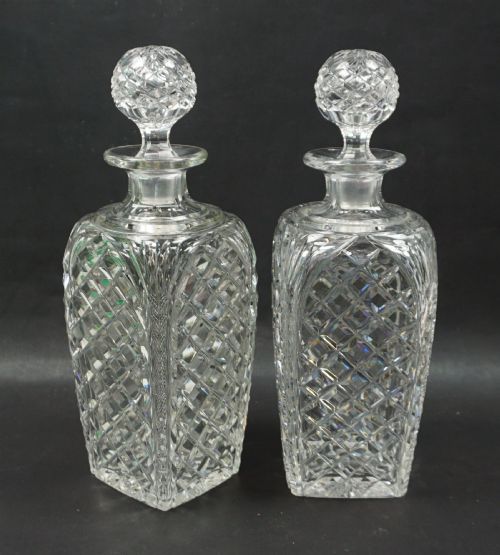
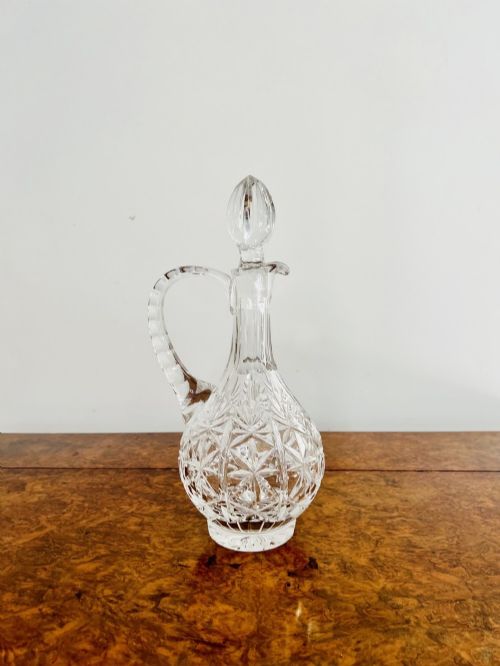
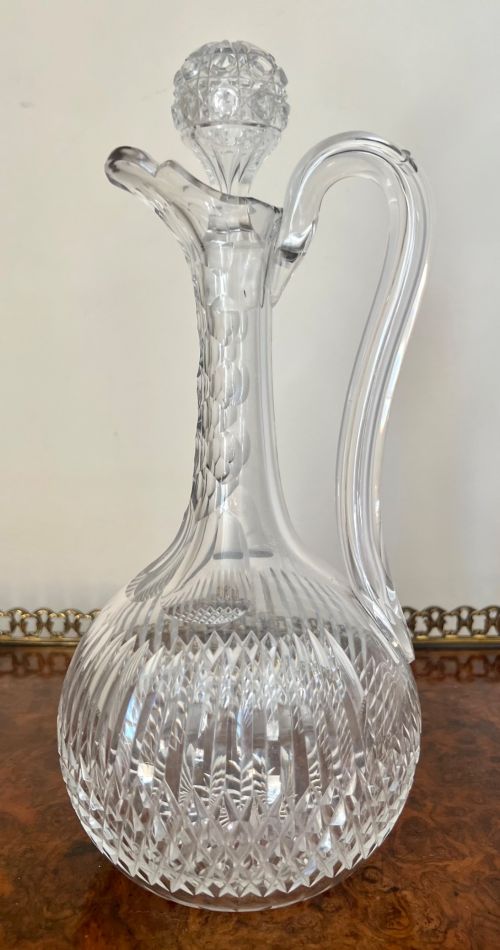
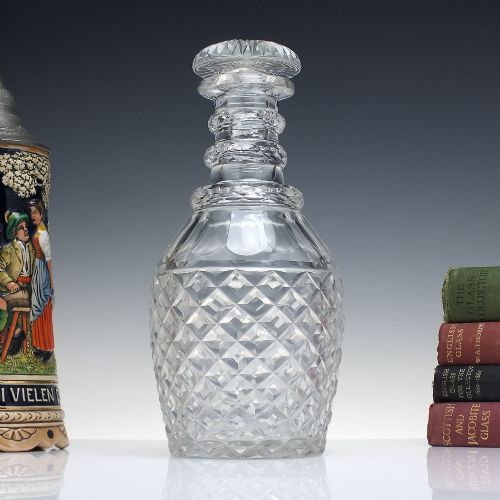
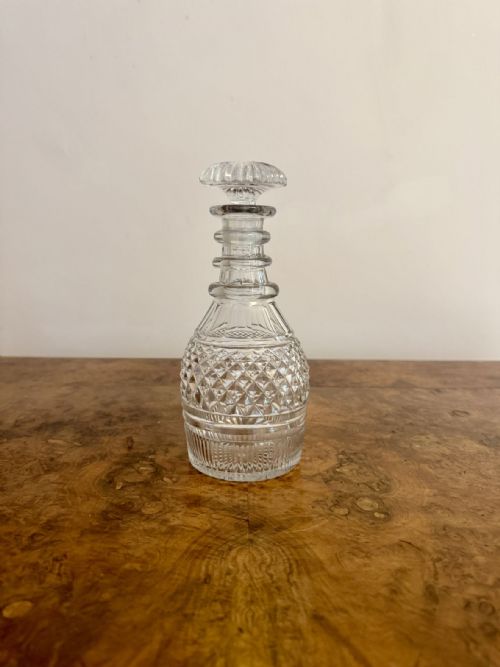
When you search for a clear crystal glass decanter, you encounter vessels shaped for wine, spirits, and water, originating primarily from the Victorian, Edwardian, and Regency periods. The forms range from shaft and globe carafes to square section tapered vessels and bell shaped decanters.
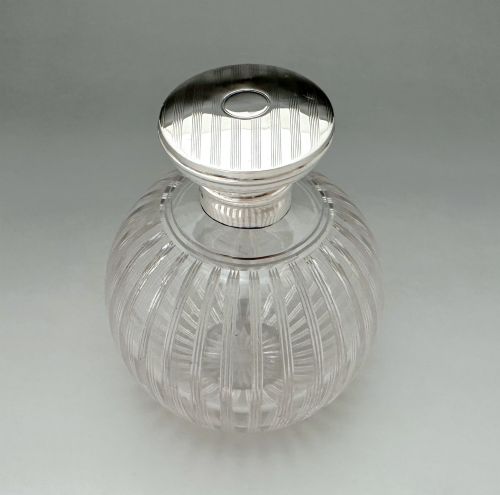
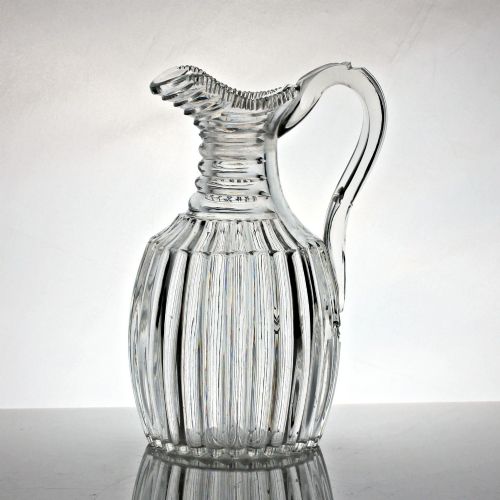
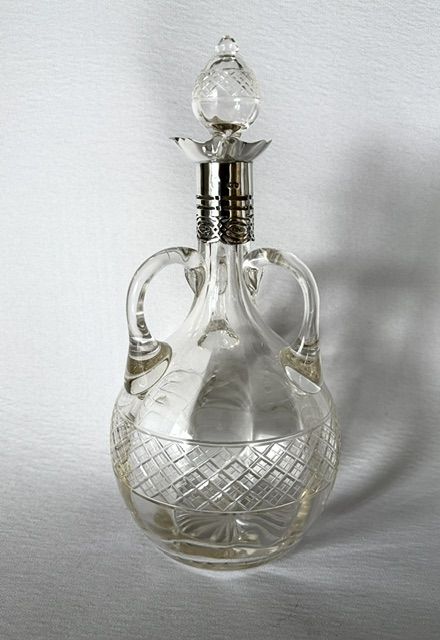
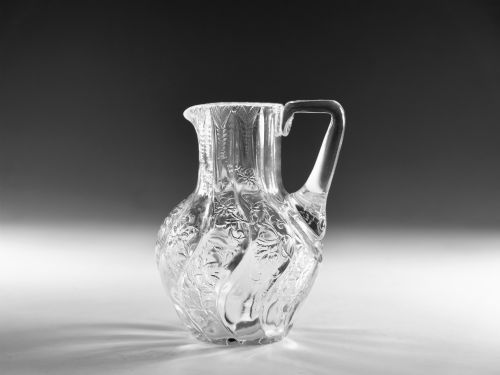
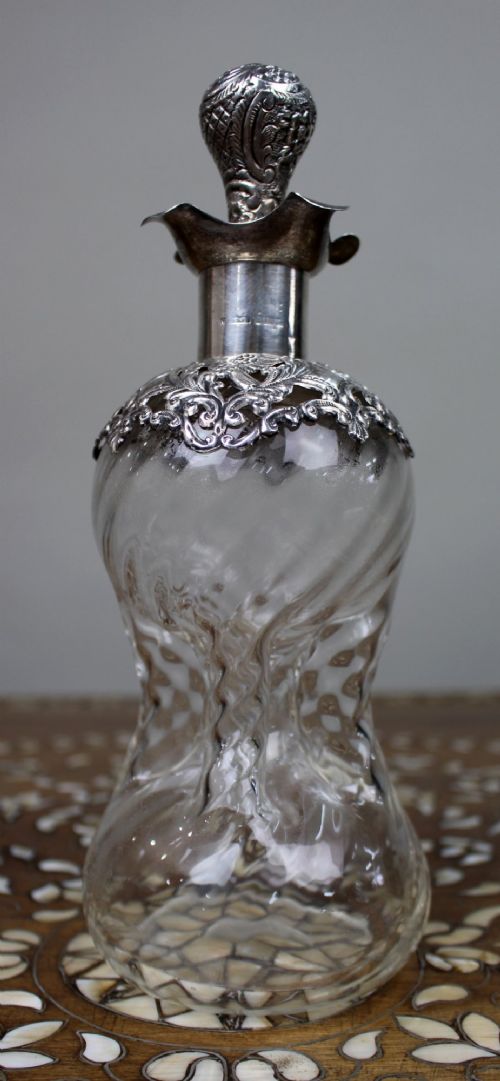
Edwardian and Victorian examples dominate the selection, frequently paired with sterling silver collars, mounts, or stoppers. Alongside standard decanters, the listings include claret jugs, scent bottles, and water pitchers sharing the same cut and clear materials.

How they were made
The makers utilised lead crystal and clear glass, shaping them through blowing and heavy cutting to refract light across facets such as pillars and prisms. Artisans added sterling silver mounts and collars to necks and lips, combining metalwork with heavy glass vessels.
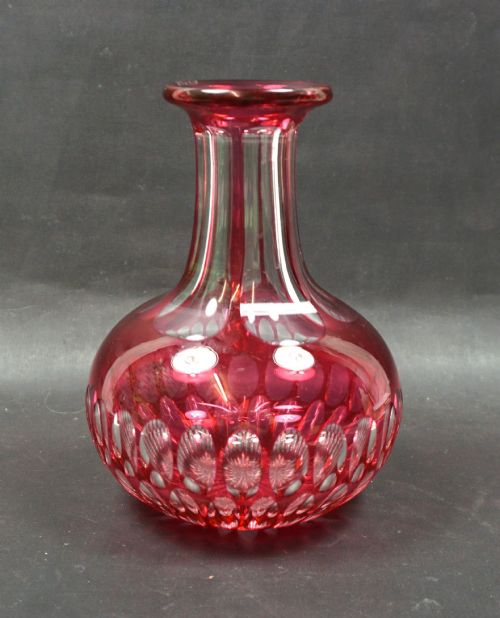
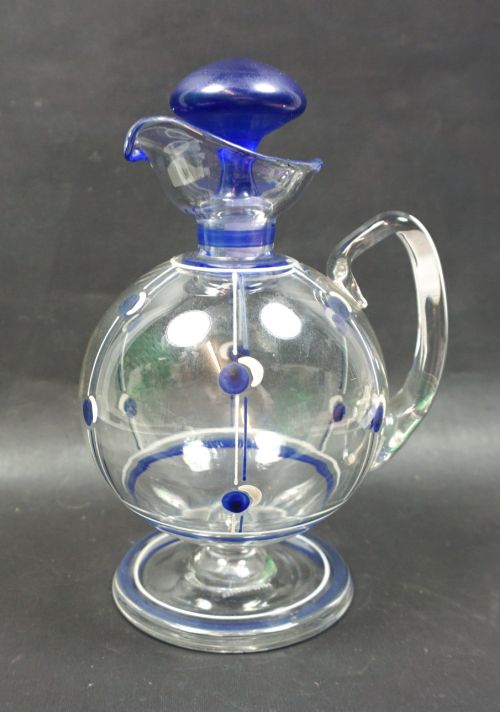
Decoration relied on deep wheel cutting, etching, and occasionally blue enamel or gilding, as seen in Bohemian and Czech pieces from the early twentieth century. Cranberry and amethyst overlays added colour to clear glass bodies before cutting.
Materials span lead crystal, clear glass, cut crystal, and sterling silver across Victorian, Edwardian, and Regency periods.
What varies in quality
Quality rests in the crispness of the glass cutting and the weight of the metal collars. Sharp, deep facets catch the light differently than soft, rounded moulding, defining the standard of the vessel.
Proportion and symmetry set the finer works apart, from the balance of a shaft and globe body to the exact fit of the original stopper. Maker attribution, such as work by Karl Palda or Stevens and Williams, elevates specific pieces.
Stevens And Williams·Karl Palda
The Clear Crystal Glass Decanter Glossary
- Lead crystal
- Glass containing metal oxides that increase density and refractive index. This material allows for deeper cutting and sharper brilliance than standard soda-lime glass.
- Silver collar
- A band of sterling silver fitted around the neck of a decanter. It often bears hallmarks indicating the year and place of assay.
- Prism cut
- A linear cutting technique producing parallel facets that split light. It appears frequently on nineteenth century water and wine jugs.
- Shaft and globe
- A decanter silhouette featuring a long slender neck above a spherical body. This form dates back to the eighteenth century and persisted into later revivals.
- Claret jug
- A specialised pouring vessel designed for red wine, usually fitted with a hinged silver lid and handle. They appear frequently in Victorian and Edwardian dining contexts.
Clear Crystal Glass Decanter: Frequently Asked Questions
How do I date an old decanter?
Dating relies on the shape of the body, the style of the cut glass facets, and any accompanying silver hallmarks. Examining the pontil mark on the base also reveals clues about the manufacturing era.
Victorian and Edwardian pieces often feature heavier silver collars and sharper geometric cuts, whereas Georgian examples tend toward simpler pillar and prism patterns with distinct pontil scars.
Are these decanters safe for modern wine?
These vessels were designed to hold and serve wine, spirits, and water during historical dining services. Most nineteenth and twentieth century crystal can hold modern wine safely for the duration of a meal.
Lead crystal should not be used for long term storage of liquids, but pouring and serving wine presents no issue. Gentle hand washing preserves both the glass and any silver mounts.
What is the difference between a decanter and a carafe?
Decanters traditionally feature a fitted glass stopper designed to seal the contents, making them suitable for serving spirits and fortified wines over longer periods. Carafes are generally stopperless vessels intended for immediate table service.
In historical listings, the terms occasionally overlap, but the presence of a ground glass stopper or a silver collar usually distinguishes a decanter or perfume bottle from an open carafe.
How do I clean inside a cloudy decanter?
Cloudiness inside old glass results from mineral deposits or wine residue etching the surface over decades. Warm water, mild detergent, and specialised cleaning beads or rice can dislodge stubborn residue.
Harsh chemical abrasives should be avoided to protect the interior walls and the original clarity of the crystal.