

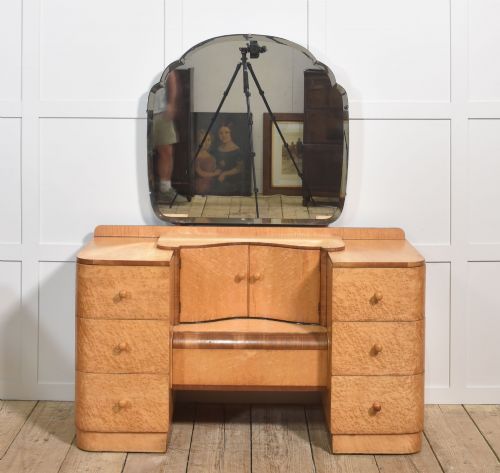


Maple Vanity Mirror
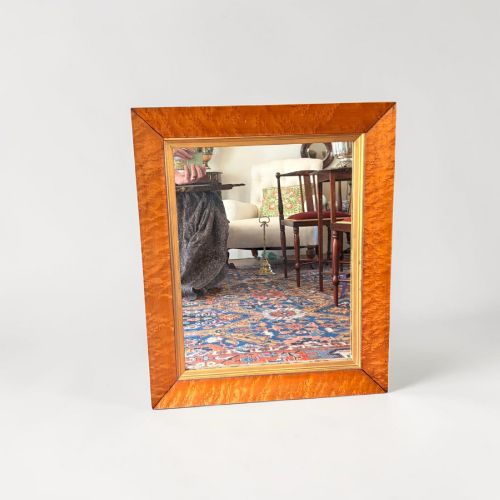
A maple vanity mirror brings warm figured wood and clear reflection to a dressing space, combining utility with decorative presence.
Maple Vanity Mirror
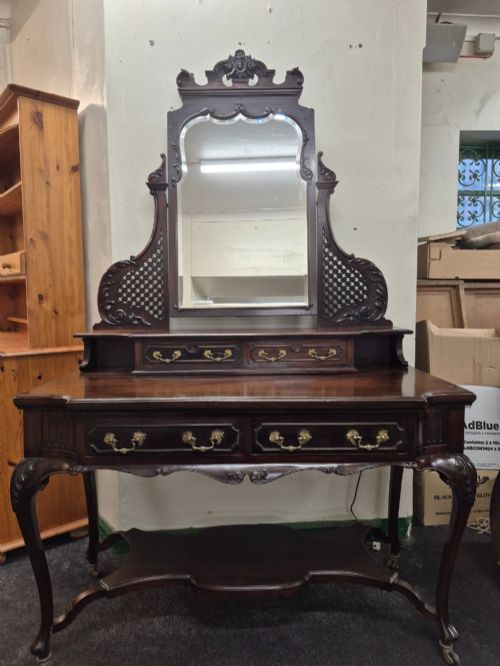
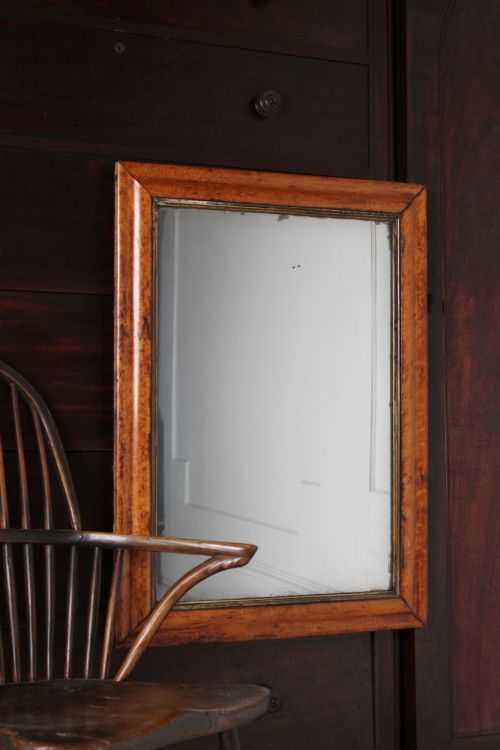
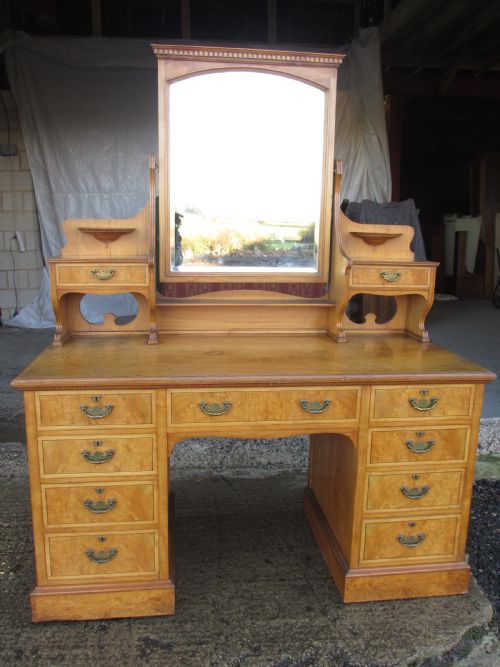
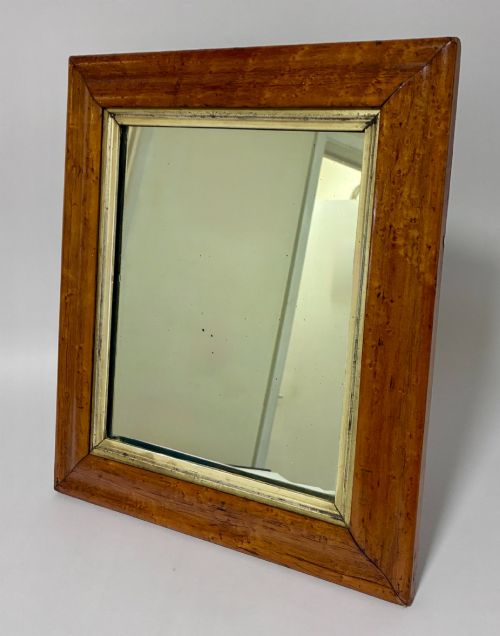
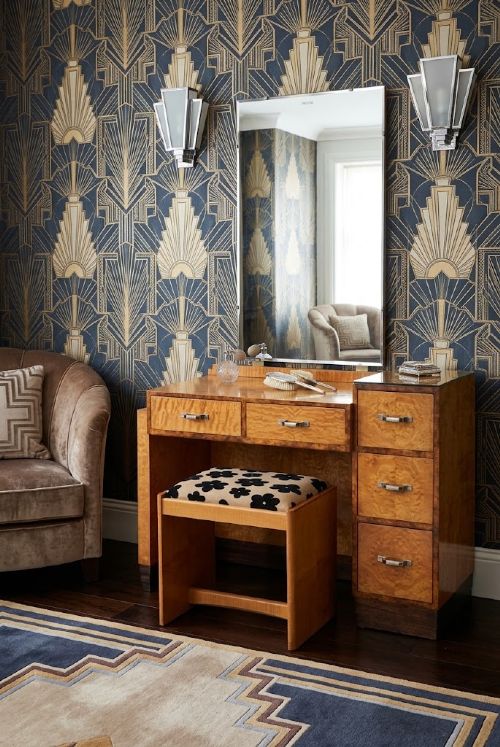
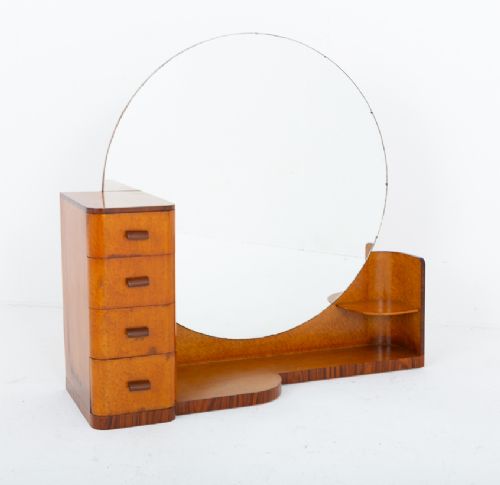
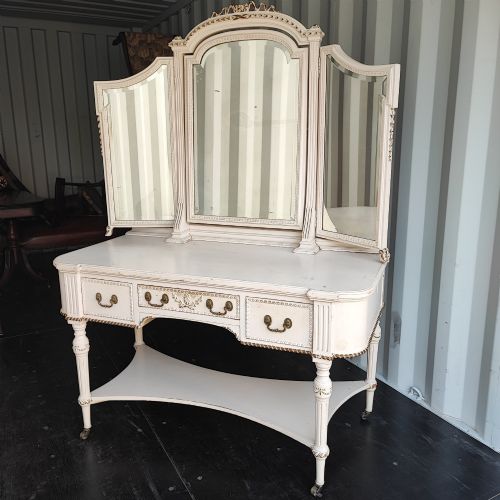
When you search for a maple vanity mirror, you encounter dressing mirrors and dressing tables spanning the Georgian, Victorian, and Art Deco periods. These items range from compact easel-back desk mirrors to substantial freestanding dressing tables fitted with adjustable glass.
How they were made
Maker construction relies on cabinet woods combined with mirror glass, utilising birds eye maple veneers and solid timbers like walnut and gilt wood. Frames are constructed to house pivoting or fixed glass plates securely within the wooden surrounds.
Surface treatments involve polishing the figured wood to highlight the natural patterns of the grain. Some examples incorporate contrasting elements such as chrome or painted finishes alongside the primary maple material.
Maple Vanity Mirror Retail Price Guide 2026
Typical asking prices for maple vanity mirror among the pieces listed under this phrase on Sellingantiques today, from the lower quarter to the upper quarter. They describe what is for sale here now, not the wider market.
The available selection includes both compact easel-back mirror frames and full dressing tables with integrated glass.
What varies in quality
The standard of timber selection determines the visual impact of the wood, with dense and evenly distributed figuring marking out superior examples. Craftsmanship in the joinery of the frame and the stability of the easel or support structure also set finer pieces apart.
The clarity and originality of the mirror glass contribute significantly to the character of the object. Pieces that retain their original glass plates and hardware demonstrate a higher level of historical integrity.
Harry and Lou Epstein·Maples of London and Paris
The Maple Vanity Mirror Glossary
- Birds Eye Maple
- A figure in maple wood where small knots in the grain resemble birds eyes. This decorative pattern occurs naturally and is prized for veneer work.
- Easel Back
- A hinged prop attached to the reverse of a mirror frame. It allows the glass to stand upright on a table or chest.
- Dressing Table
- A low table equipped with one or more mirrors and drawers for cosmetics and personal items. They appear in various revival and modernist styles.
- Regency
- A British design period spanning the early nineteenth century. Characterised by classical revival motifs and refined proportions.
Maple Vanity Mirror: Frequently Asked Questions
What is a maple vanity mirror?
A maple vanity mirror is a dressing glass or dressing table constructed using maple timber, frequently featuring distinct birds eye figuring. These items serve both practical grooming functions and decorative roles within a bedroom.
They appear across multiple historical periods, ranging from Georgian and Victorian designs to nineteen-thirties Art Deco forms.
How do I date a mirror?
Dating involves examining the construction methods of the wooden frame, the fixing screws, and the backing materials. Stylistic clues such as Art Deco geometry or Georgian proportions also indicate the era of manufacture.
The bevel and silvering of the glass plate provide additional physical evidence of the period.
Where should I place it?
These mirrors suit dressing tables, chest tops, or dedicated vanity consoles in bedrooms and dressing rooms. Placing them near a natural light source enhances their reflective utility.
Freestanding table mirrors require a stable surface with adequate depth to support their easel backs or swinging frames.
How do I care for the wood?
Maintain birds eye maple surfaces by dusting gently with a dry, soft cloth to prevent particulate accumulation. Avoid excessive moisture and chemical polishes that can damage the historical finish.
Keep glass clean using standard non-ammonia cleaner applied to a cloth rather than sprayed directly onto the frame.