
Male Portrait Oil Painting
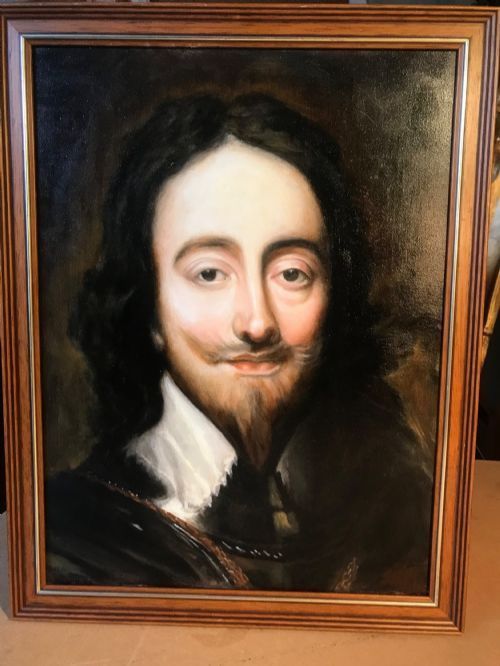
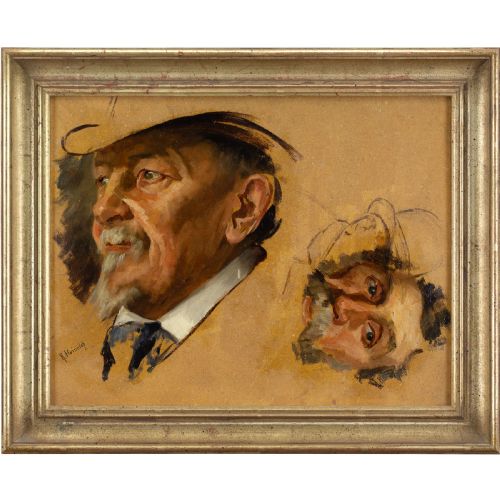
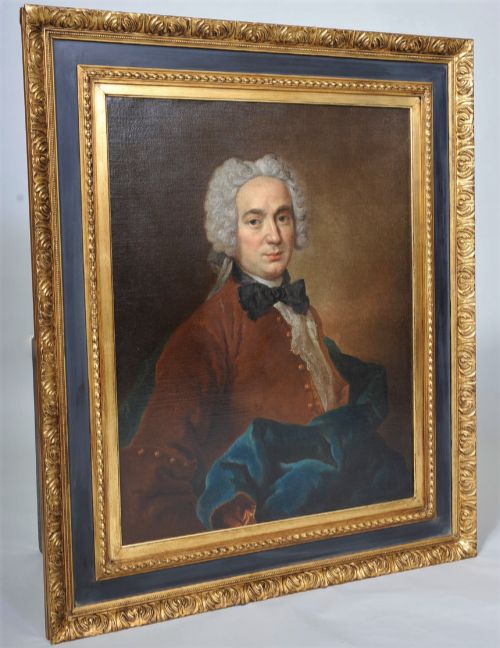
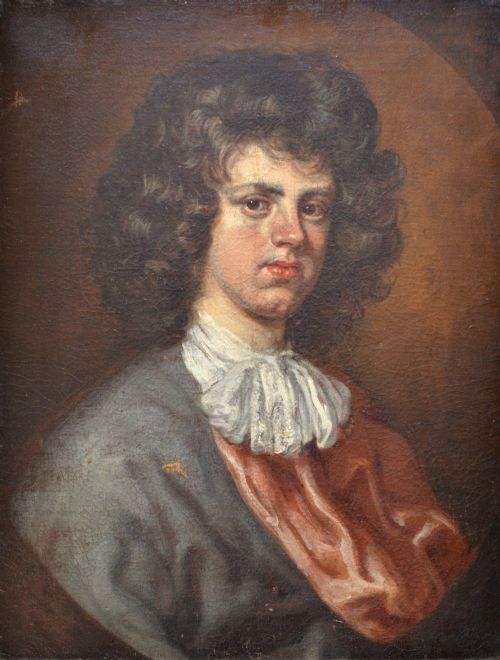
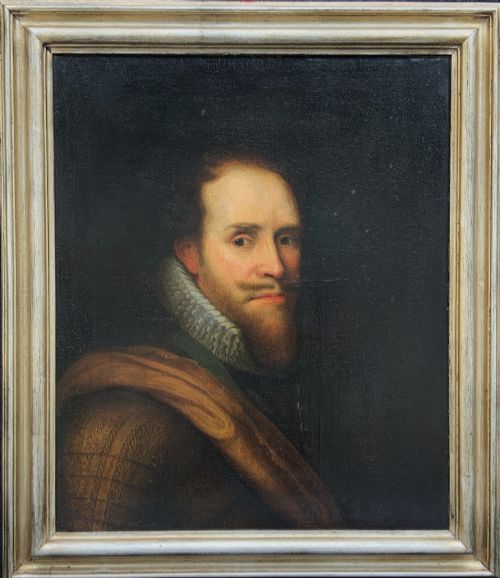
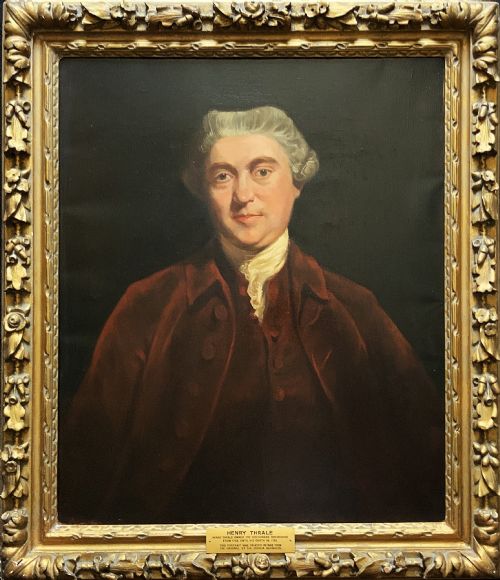
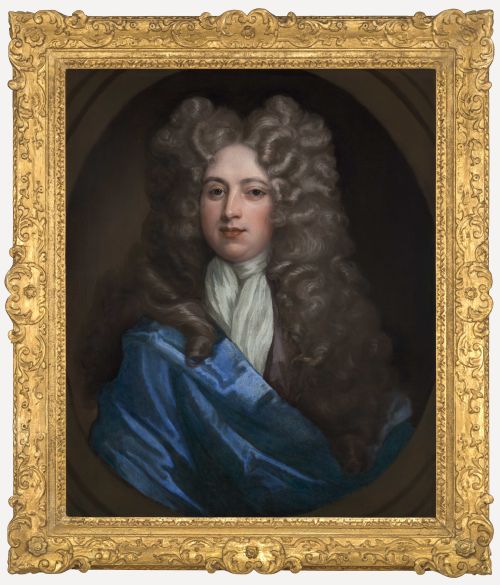
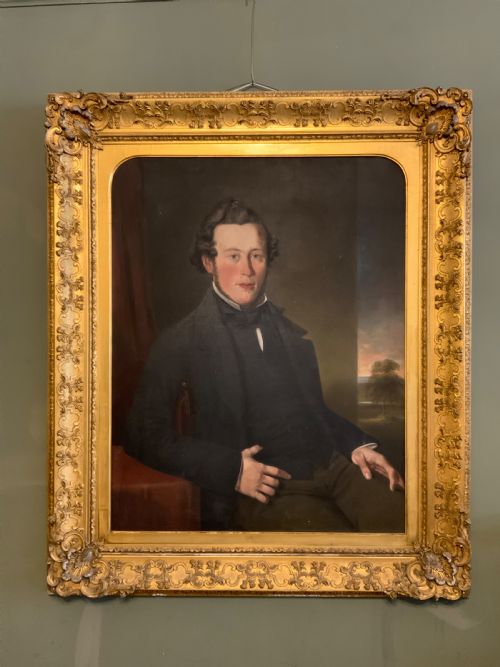
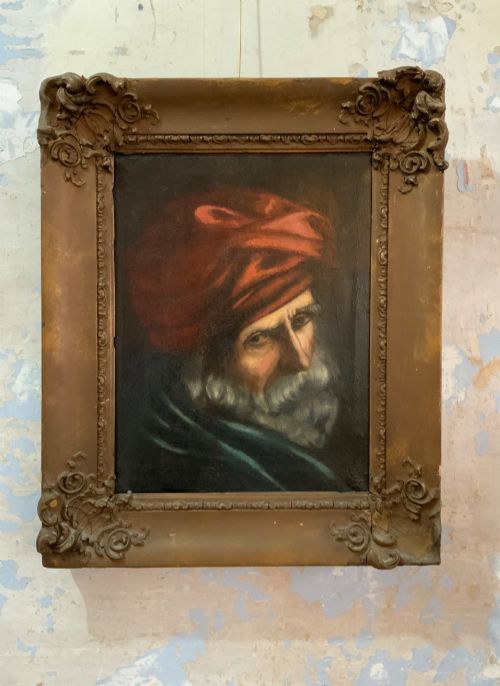
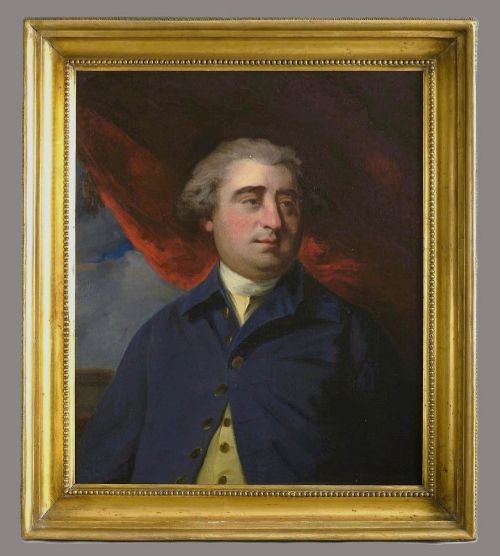
A male portrait oil painting captures the presence and character of a historical gentleman through layered pigments and studied brushwork.
Male Portrait Oil Painting
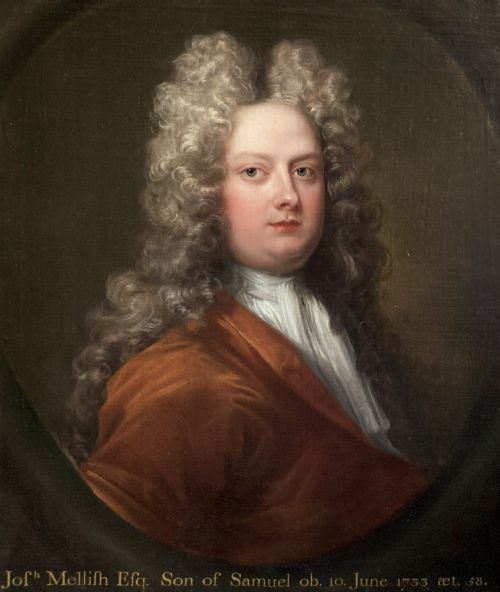
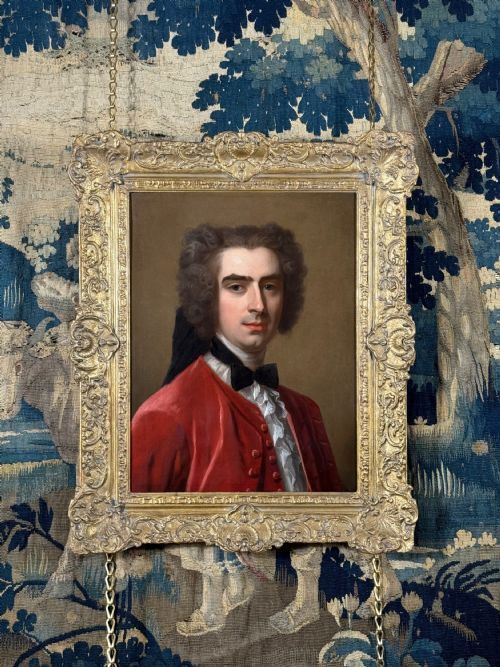
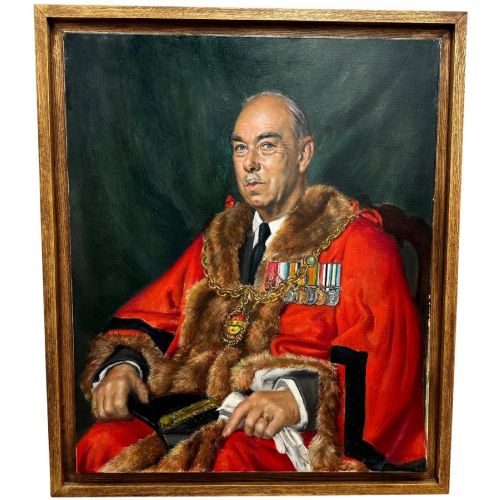
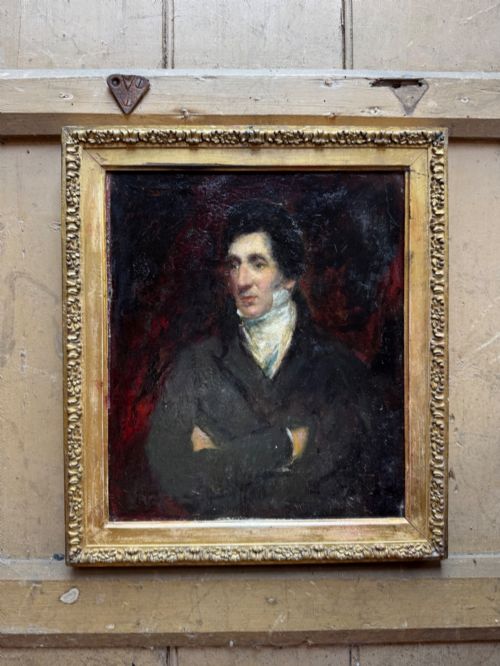
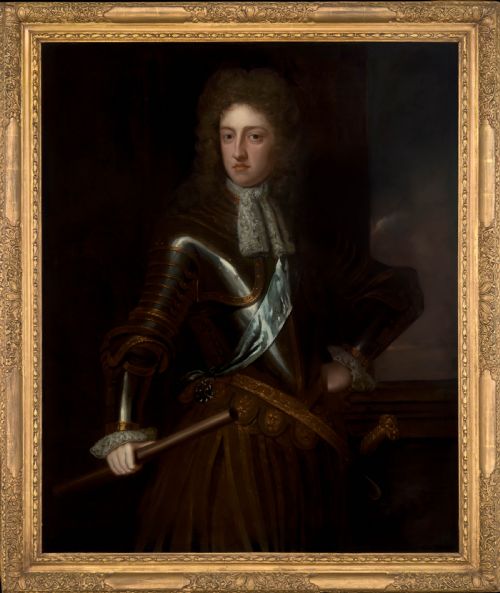
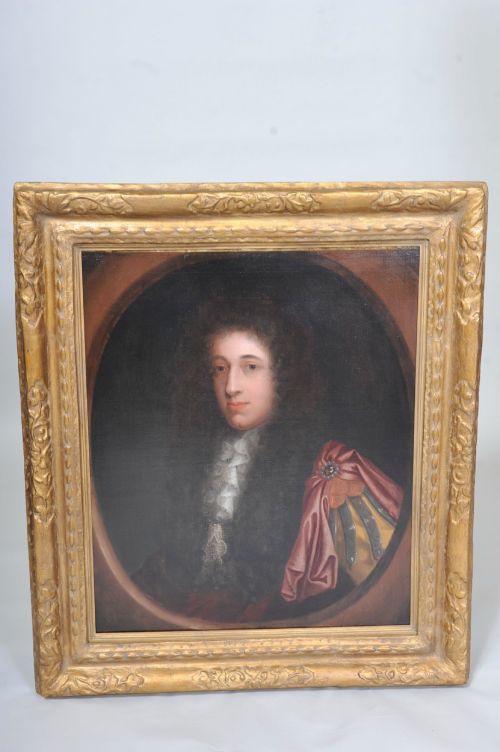
A male portrait oil painting presents a likeness of a man, ranging from 17th-century nobility to later sitters captured during the Victorian and Regency periods.
Buyers encounter works originating from British, Dutch, German, and Scottish schools, depicting figures from merchants to statesmen in oil on canvas.
Pigments, Canvas, and Giltwood Frames
Artists built these works using oil paint applied to stretched canvas or prepared wood panels, often set within decorative giltwood frames.
The technique relies on successive layers of oil pigments to build depth in clothing, such as velvet doublets or scarlet jackets, and facial tones.
Male Portrait Oil Painting Retail Price Guide 2026
Typical asking prices for male portrait oil painting among the pieces listed under this phrase on Sellingantiques today, from the lower quarter to the upper quarter. They describe what is for sale here now, not the wider market.
The selection includes oil paintings from the 17th, 18th, and 19th centuries, utilising canvas, wood panels, and giltwood frames.
Brushwork and Psychological Depth
Superior examples demonstrate confident handling of facial anatomy, light on skin, and intricate details like lace collars or periwigs.
The distinction between a master workshop and a provincial copy lies in the expressive vitality of the sitter's gaze and the harmony of the palette.
Charles Jervas·Jean Baptiste Van Loo·Sir Godfrey Kneller·Thomas Murray·Sir Joshua Reynolds
The Male Portrait Oil Painting Glossary
- Oil on Canvas
- A painting medium where pigment suspended in drying oil is applied to a woven fabric support. This combination allows for rich colour blending and durability over centuries.
- Periwig
- A voluminous artificial hairstyle popular among men during the late 17th and early 18th centuries. Its presence helps date a portrait precisely within a specific stylistic window.
- Giltwood
- Carved wood coated with gold leaf or a gold-coloured metallic finish used for framing. These ornate surrounds often reflect the period taste of the artwork's creation or subsequent re-framing.
- Studio of
- A term indicating a work produced by assistants or pupils working under the direct supervision of a master artist. Such pieces typically follow the composition and style established by the principal painter.
Male Portrait Oil Painting: Frequently Asked Questions
How do I date a male portrait oil painting?
Examine the sitter's clothing, hairstyle, and framing materials. Elements such as lace ruffs, periwigs, and specific doublet cuts align with distinct historical decades.
Brushwork technique and canvas preparation also offer clues, supported by inscriptions or artist attributions recorded on the reverse or within the frame.
What is the difference between studio work and an original?
A work from an artist's studio is executed by trained assistants following the master's composition and oversight. While not entirely by the master's hand, these pieces are period-contemporaneous and share stylistic authority.
Primary originals represent the direct execution of the named artist, often commanding higher recognition among collectors.
How were these paintings displayed originally?
Gentlemen's portraits were traditionally hung in the panelled rooms, libraries, and grand halls of country houses and town residences. They served to display lineage, status, and intellectual or political affiliations.
Today, they function well as statement pieces in domestic interiors, bringing historical depth and rich colour palettes to modern rooms.
How should I care for an antique oil painting?
Keep the canvas away from direct sunlight, high humidity, and rapid temperature fluctuations to prevent cracking of the oil paint and warping of the wooden stretcher.
Dust the surface gently with a soft, dry brush and avoid using chemical cleaners or water on either the canvas or the giltwood frame.