





Majolica Wall Plate
These majolica wall plate selections bring vibrant coloured tin-glazed earthenware and decorative chargers into your home.
Majolica Wall Plate
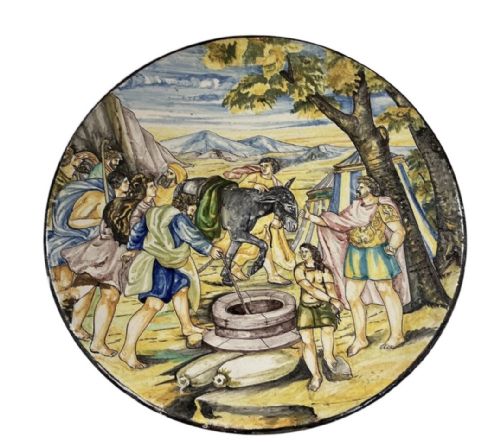
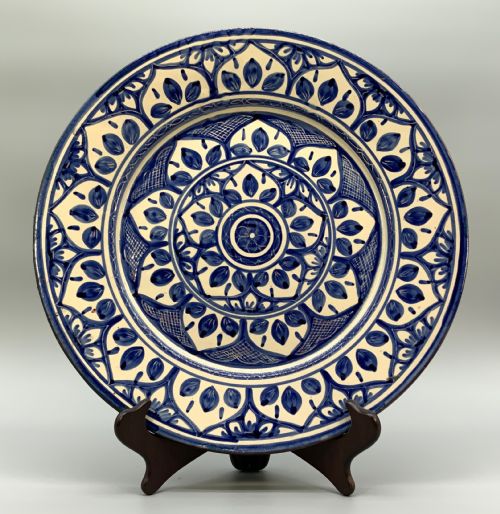
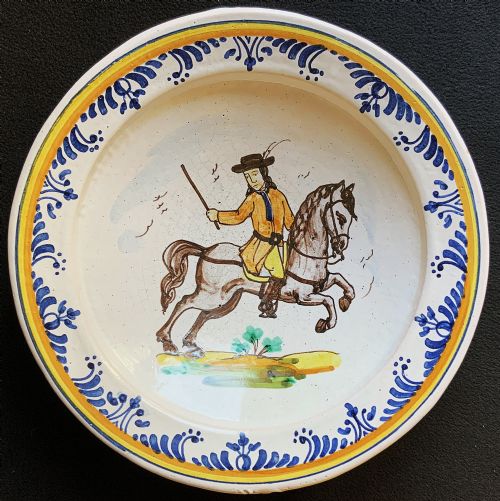
A majolica wall plate brings colourful tin-glazed earthenware and decorative chargers into domestic spaces, drawing on a rich tradition of decorative wall display. When you search for a majolica wall plate, you encounter substantial chargers, decorative platters, and dishes spanning multiple centuries from the seventeenth to the twentieth.
The pieces appearing on this page include large Spanish and Dutch faience, Italian maiolica chargers in classical styles, and later nineteenth-century Austrian and Portuguese works. These items function primarily as visual centerpieces, frequently featuring pictorial scenes, birds, and botanical motifs intended for display on walls or surfaces.
Materials and construction methods
Makers formed these pieces using earthenware clay, which was then coated in a white or tinted tin glaze to provide a smooth ground for painting. Pigments were applied directly to this unfired or fired glaze surface, capturing polychrome detail before a final kiln firing fixed the colours.
Techniques range from hand-painted tin-glazed earthenware typical of seventeenth-century Dutch delft and eighteenth-century Spanish production to nineteenth-century Italian istoriato and Portuguese moulded earthenware.
Majolica Wall Plate Retail Price Guide 2026
Typical asking prices for majolica wall plate among the pieces listed under this phrase on Sellingantiques today, from the lower quarter to the upper quarter. They describe what is for sale here now, not the wider market.
Materials documented across the available pieces include ceramic, glaze, and pigment applied to earthenware bodies.
Quality variations across the range
Quality in a majolica wall plate rests upon the crispness of the hand-painted detail and the complexity of the design, such as the narrative ambition found in historical istoriato scenes compared to simpler folk art patterns. The brilliance and preservation of the tin glaze and polychrome pigments also distinguish finer examples from standard production.
The scale and ambition of the piece define the upper tiers, with large chargers and matched pairs demonstrating greater sculptural presence and potting skill than smaller decorative dishes.
Bassano pottery works·Jose Alvez Cunah
The Majolica Wall Plate Glossary
- Majolica
- A type of tin-glazed earthenware featuring colourful opaque glazes, often painted with pictorial or botanical designs. This term also encompasses historical maiolica and faience variations.
- Charger
- A large decorative plate or platter traditionally utilised for ceremonial display rather than dining. These substantial pieces dominate wall display arrangements.
- Tin Glaze
- An earthenware glaze made opaque by the addition of tin oxide, creating a white surface suitable for painting in pigments. It forms the technical basis for delft and faience.
- Istoriato
- A style of pottery decoration featuring detailed historical, mythological, or biblical narratives painted across the surface. This technique appears on Italian chargers.
- Faience
- European tin-glazed earthenware produced in France, Germany, Spain, and other regions outside Italy. The term connects closely with traditional delftware.
Majolica Wall Plate: Frequently Asked Questions
What is the difference between majolica and delft?
Majolica generally describes tin-glazed earthenware with rich polychrome painting, originating from Italian traditions and later European revivals. Delft specifically refers to tin-glazed pottery associated with Dutch production methods and aesthetics.
Both share the fundamental tin-glaze on earthenware technique, but regional painting styles and colour palettes set them apart.
Can I use these plates for food?
Historical tin-glazed earthenware and majolica wall plates are intended strictly for decorative display rather than culinary use. The glazes on older pieces can be delicate and unsuited for modern dining.
Displaying them on walls or surfaces preserves the glaze and painted pigments from wear and potential damage.
How do I date an older piece?
Dating relies on examining the characteristics of the earthenware body, the tone of the tin glaze, and the style of painting. Comparing the motifs to documented periods like seventeenth-century Dutch work or nineteenth-century revivals offers a reliable guide.
Stylistic markers such as classical historical scenes or Moorish revival patterns also point toward specific manufacturing eras.