
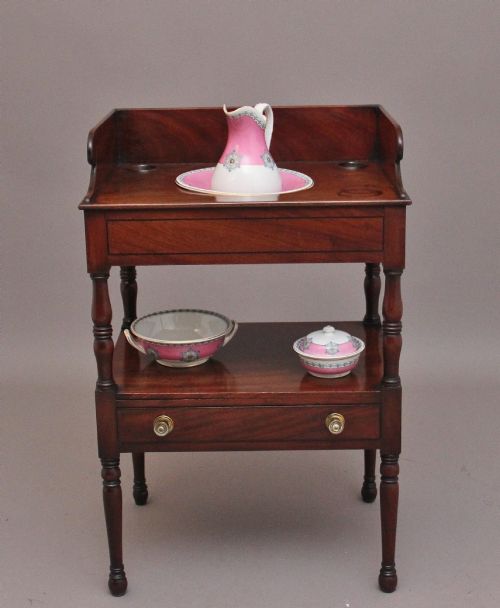
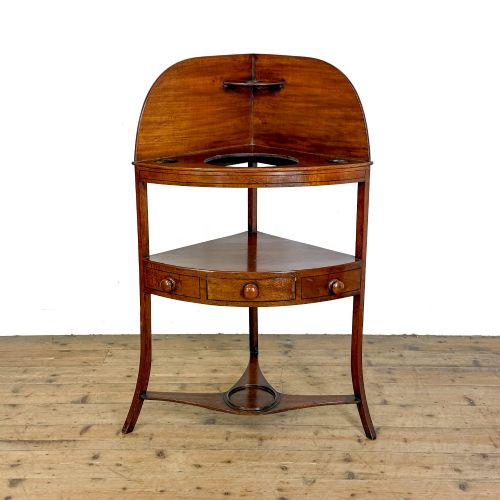
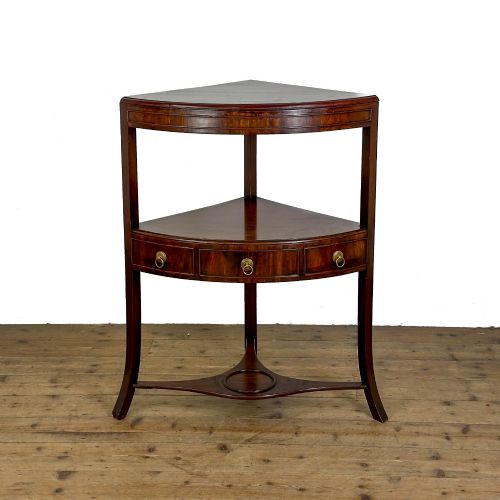
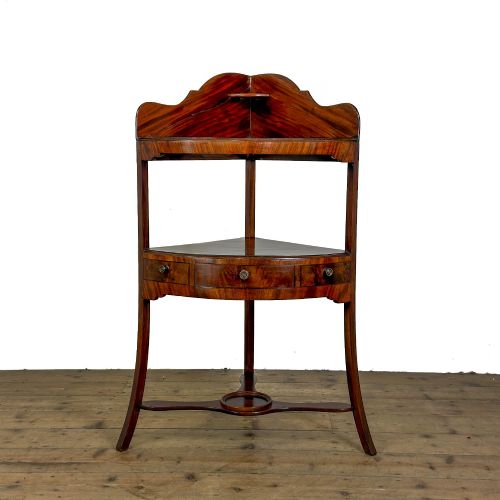


Mahogany Wash Stand
These mahogany wash stand examples combine practical timber construction with period form, offering buyers functional antique furniture rooted in Georgian and Regency design.
Understanding the mahogany wash stand
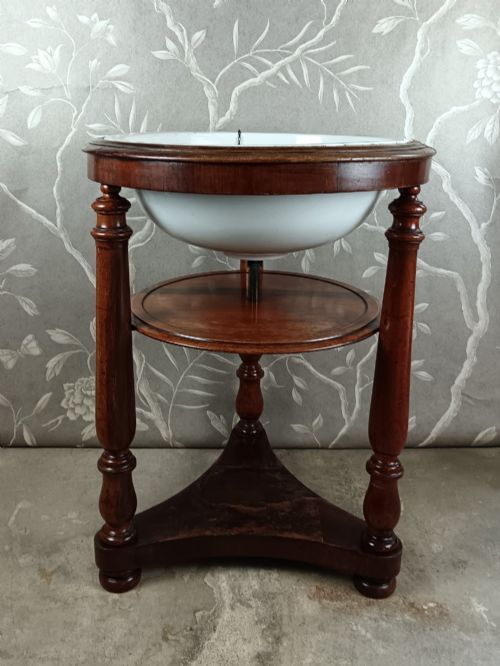
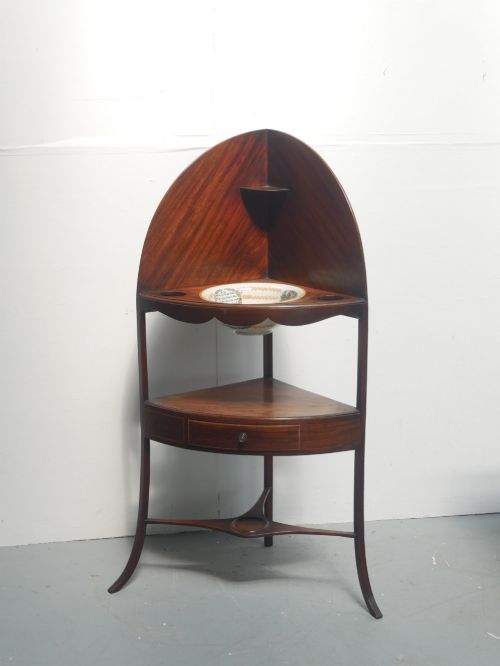
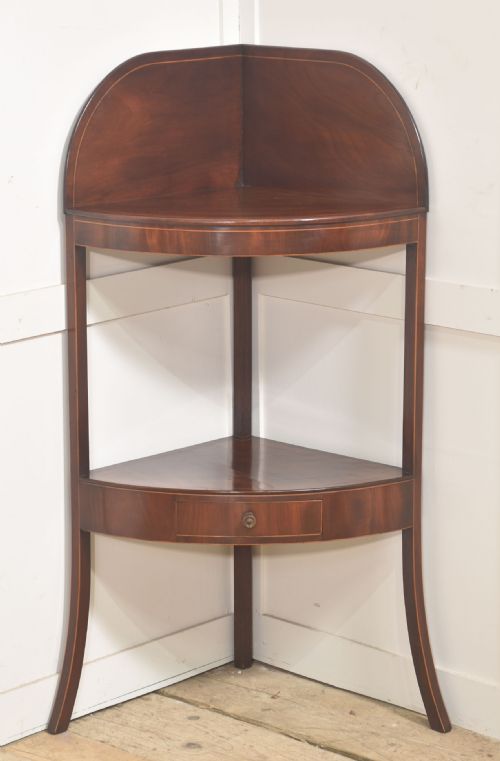
A mahogany wash stand represents a period piece designed for personal hygiene before plumbed bathrooms, appearing in forms such as corner units, wig stands, and gentleman's bedside tables. Buyers encountering this selection will find examples originating primarily from the Georgian, Regency, and 18th century periods.
The inventory includes freestanding tables, corner configurations that maximise bedroom space, and more complex pieces incorporating folding tops or tambour cabinets. Many surviving examples bridge the gap between functional bedroom furniture and occasional display tables for plants or lamps.
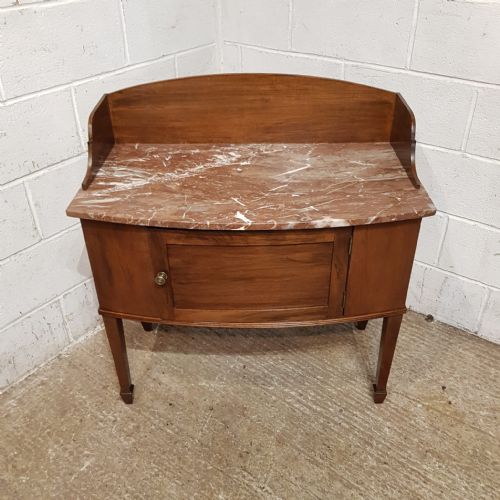
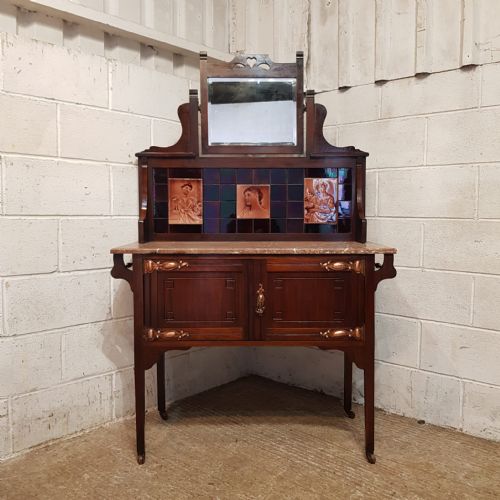
Earlier iterations often display simpler timber frames designed to hold basins, whilst later 19th-century variants frequently incorporate marble tops, tiles, and mirrors. This evolution reflects changing domestic habits and the increasing integration of stone surfaces for wet use.
Materials and construction
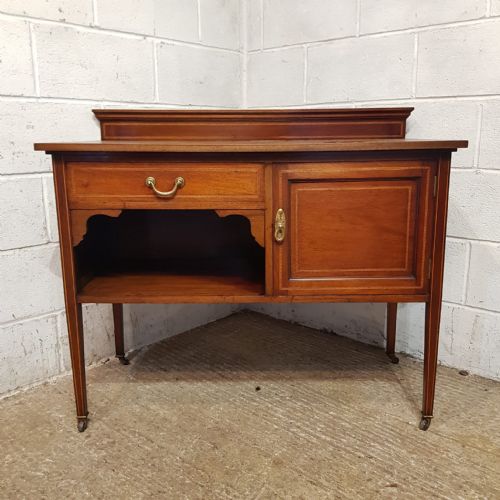
Joiners built these pieces primarily using solid and veneered mahogany, sometimes enriched with boxwood inlay to define geometric borders or panel edges. Brass hardware appears on handles, brackets, and supporting elements across various period examples.
Structural integrity relied on traditional cabinetmaking joints, with corner pieces engineered to fit domestic room angles precisely. Marble tops, particularly white Carrara varieties, were integrated into later tables to provide a durable, water-resistant surface for washing.
Retail Price Guide 2026
Typical UK retail prices for mahogany wash stand, calculated from the Sellingantiques database of over a million retail prices indexed since 2003. This retail price guide relies exclusively on Sellingantiques data; no external sources or auction records are used, so the figures do not describe the wider market.
Listings feature mahogany wash stands spanning the Georgian, Regency, and Victorian periods, incorporating materials such as brass, boxwood inlay, and Carrara marble.
Differentiating quality across the range
The refinement of the timber selection and the precision of any boxwood inlay separate standard utility items from higher-status commissions. Cabinetmakers who spent additional time selecting figured mahogany veneers produced surfaces with greater visual depth.
Gillows Lancaster
The Mahogany Wash Stand Glossary
- Washstand
- A piece of furniture designed to hold a basin, jug, and related washing equipment. These items range from simple timber tripod frames to marble-topped tables with tiled backs.
- Corner washstand
- A specialised furniture form built with an angled footprint to fit neatly into the corner of a room. This design was particularly popular in Georgian bedrooms to save floor space.
- Boxwood inlay
- A decorative technique where contrasting light boxwood is set into recesses within the darker mahogany surface. It creates fine lines and geometric patterns along edges and panel borders.
- Tambour cabinet
- A small enclosed storage section made from narrow strips of wood glued to a fabric backing, allowing the door to slide open in a track. This mechanism appears on more elaborate gentleman's washstands.
- Carrara marble
- A type of white or blue-grey stone quarried in Italy, frequently used for the tops of 19th-century washstands to provide a waterproof surface.
Frequently Asked Questions
What is a mahogany wash stand used for today?
Modern buyers often utilise these versatile items as hallway tables, plant stands, or occasional bedside furniture. Their compact dimensions make them suitable for smaller rooms where period character is desired.
Marble-topped variants continue to function well in bathrooms or kitchens as durable side tables, whilst corner designs efficiently utilise awkward dead space in hallways and living areas.
How do I identify a Georgian wash stand?
Georgian examples typically feature lighter timber frames without heavy stone tops, sometimes constructed as tripod wig stands or corner units. Look for simpler lines and proportions associated with 18th-century design.
Inlay work using boxwood and understated brass fittings also point towards the Georgian and Regency periods, prior to the heavy marble slabs introduced in Victorian times.
Did all wash stands come with marble tops?
Earlier 18th-century and Georgian pieces rely entirely on timber tops designed to support removable ceramic bowls and jugs. Marble surfaces became prevalent later in the 19th century.
Pieces with integrated white Carrara marble tops and tiled splashbacks generally date from the Victorian and Edwardian eras rather than the Georgian period.
How do I care for a mahogany wash stand?
Maintain the timber by dusting regularly with a dry cloth and occasionally applying traditional beeswax to nourish the polished surface. Avoid placing unprotected damp items directly onto antique wood.
Marble tops require simple wiping with a damp cloth and mild soap, avoiding acidic cleaning agents that can etch the polished stone surface.