
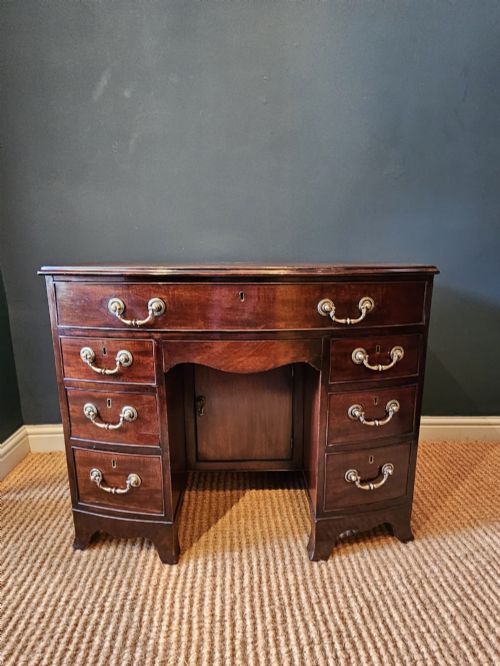
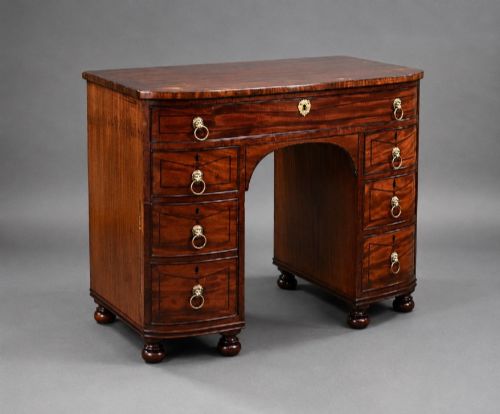
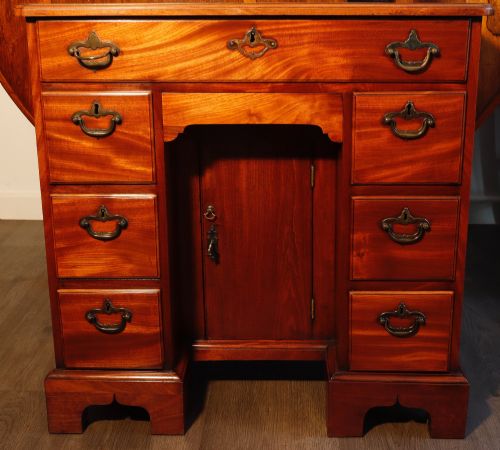
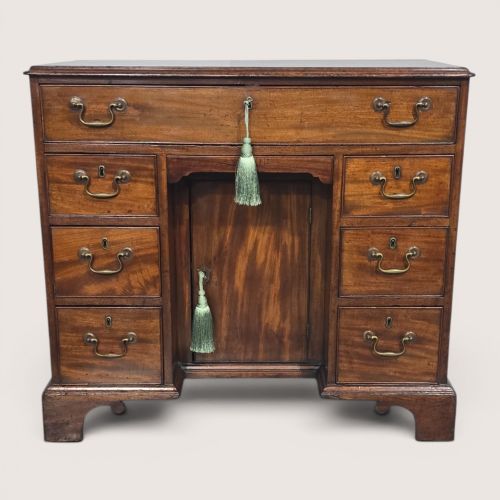



Mahogany Vanity Chest
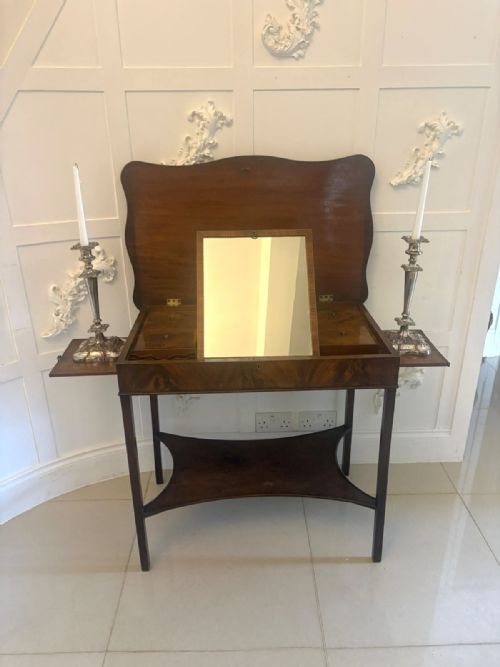
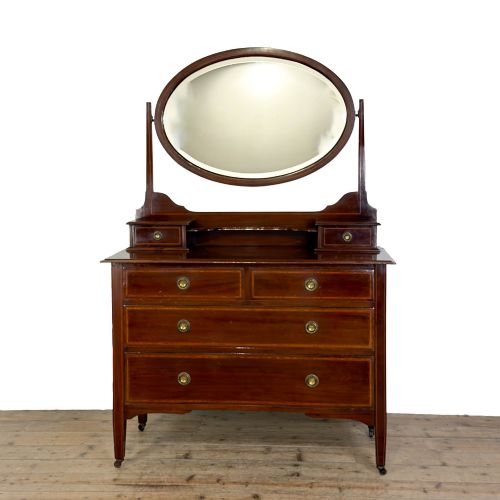
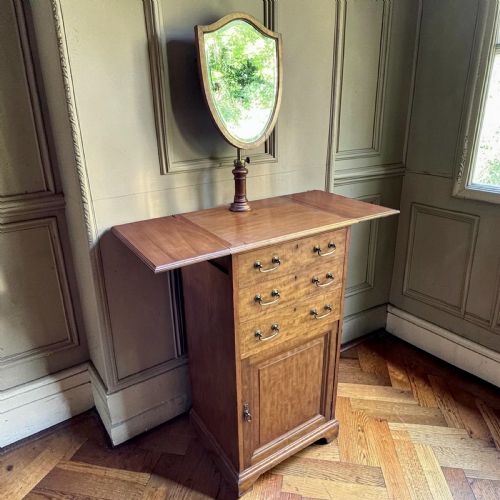
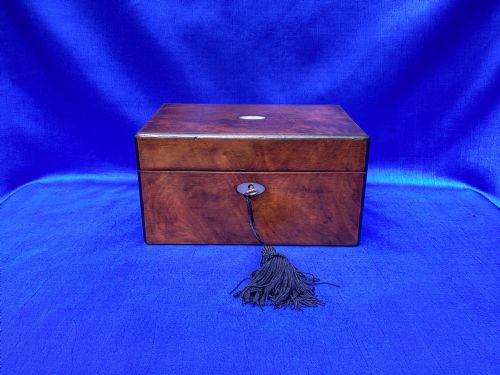
When you handle a mahogany vanity chest, you hold a piece designed for the daily rituals of the dressing room.
Mahogany Vanity Chest
A mahogany vanity chest encompasses a range of utilitarian furniture designed for grooming, writing, and storage, appearing across Georgian, Victorian, and Edwardian periods.
The versions you meet most often on this page take the form of dressing chests, dressing tables, and washstands, alongside campaign pieces and fitted travelling boxes.
These items originate from British, French, and Dutch workshops, utilising rich timber and internal compartments to serve domestic and travelling needs.
How they were made
Cabinet makers constructed these pieces primarily from solid mahogany and walnut, frequently incorporating secondary timbers such as oak and incorporating satinwood inlay for contrast.
Surfaces often feature fitted glass mirrors, rouge marble tops, and brass hardware, particularly on campaign and travelling variants designed for durability and transport.
Travellers trusted campaign chests with secret drawers to guard small valuables while on the move.
What varies in quality
Quality reveals itself in the selection of timber figures, the precision of the joinery within drawers and compartments, and the integration of secondary materials like marble and brass.
The sophistication of the design distinguishes standard utility items from pieces featuring detailed inlay work, adjustable mirrors, and specialised internal fittings.
Edwards & Roberts
The Mahogany Vanity Chest Glossary
- Campaign
- Furniture built in sections with recessed brass handles and corner brackets for transport by military officers. These pieces dismantle easily.
- Kneehole desk
- A compact writing or dressing table featuring a central recess for the legs, flanked by pedestals of small drawers. This form became popular during the Georgian period.
- Satinwood inlay
- A decorative technique where contrasting light-coloured timber is set into the mahogany surface. It creates geometric or floral patterns.
- Bowfront
- A curved cabinet front that swells outward in the centre. This shape softens the profile of chests and commodes.
Mahogany Vanity Chest: Frequently Asked Questions
What is a mahogany vanity chest used for?
These pieces served as dedicated stations for personal grooming, washing, and writing in period bedrooms and dressing rooms. Their internal compartments held cosmetics, brushes, and documents.
Many examples include mirrors, drawers, and washstand tops designed to protect surfaces from water during daily use.
How do I date a mahogany vanity chest?
Dating relies on observing structural characteristics, timber choices, and hardware styles associated with Georgian, Victorian, or Edwardian eras. Earlier pieces often display simpler lines while later Victorian and Edwardian examples incorporate marble tops and marquetry.
Makers' marks and construction methods inside the drawers also provide clear indicators of the period of manufacture.
What is the difference between a dressing chest and a washstand?
A dressing chest focuses on drawers, writing surfaces, and mirrors for personal grooming and storage. A washstand typically incorporates a marble top designed to hold a basin and pitcher.
Both utilise mahogany framing but serve distinct functions within the domestic routine.
How do I care for antique mahogany furniture?
Maintain these pieces by keeping them away from direct sunlight and extreme temperature fluctuations that cause wood to split. Clean surfaces gently with a dry cloth and avoid harsh chemical polishes.
Applying occasional wax preserves the finish and nourishes the timber.