

Mahogany Stretcher Table
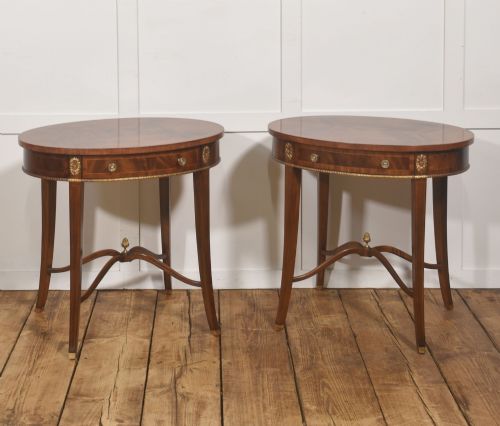
A mahogany stretcher table brings functional rigidity and rich timber grain to a room, spanning periods from George III to the Victorian era.
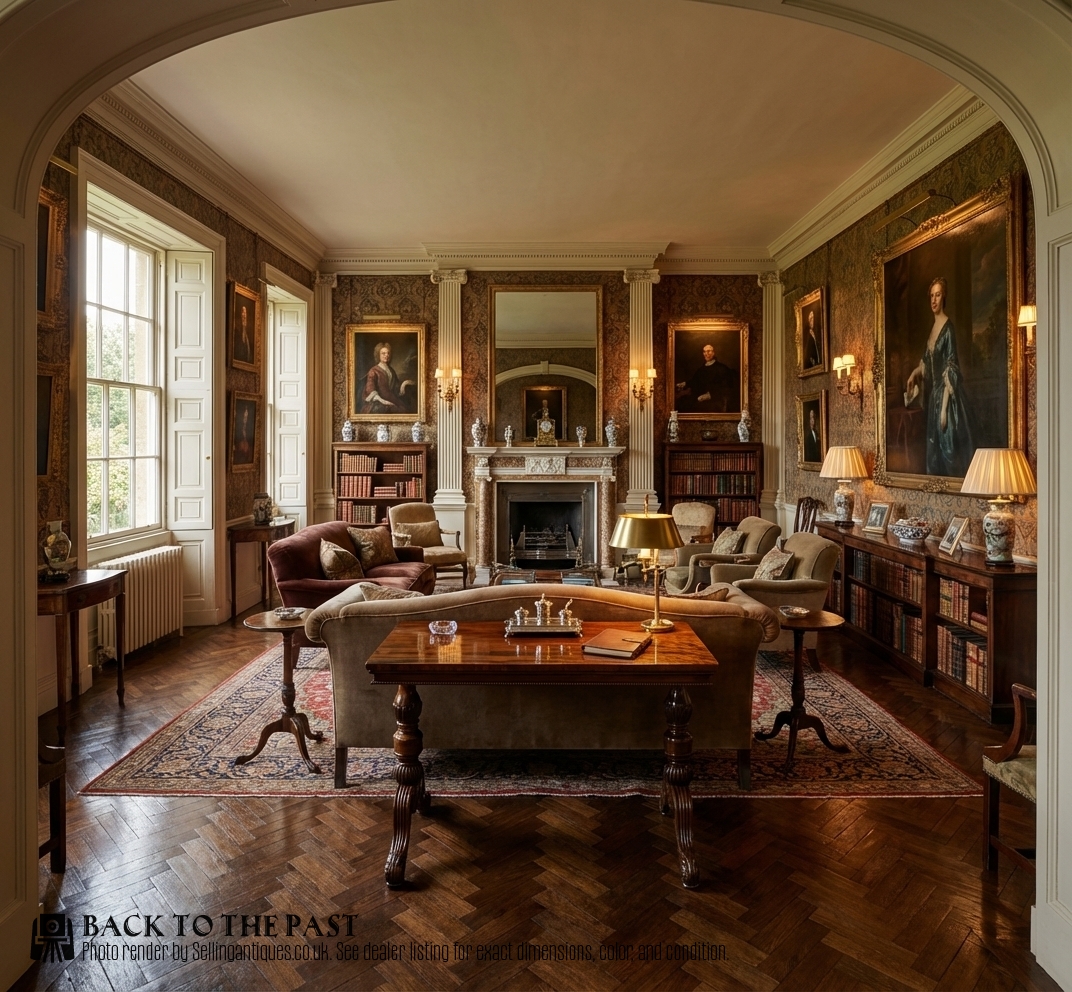
Mahogany Stretcher Table
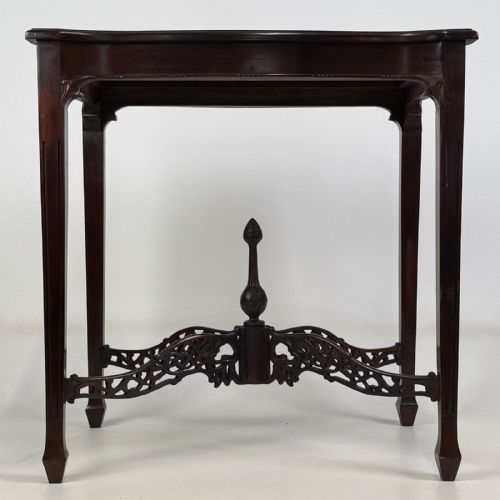
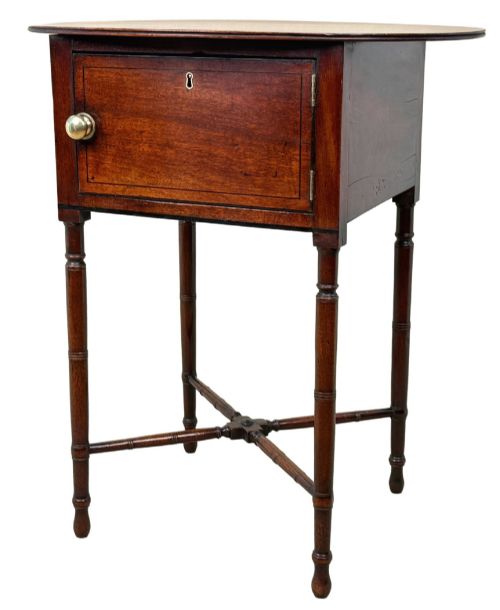
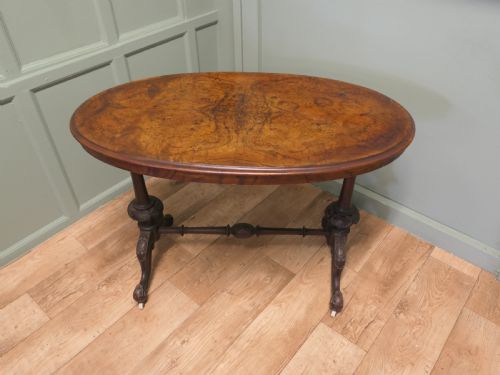
When you search for a mahogany stretcher table, you encounter pieces designed with lower cross-bracing that connects the legs for added stability. These tables appear across Georgian, Regency, and Victorian periods, taking forms that range from simple side tables and occasional tables to larger writing desks and library tables.
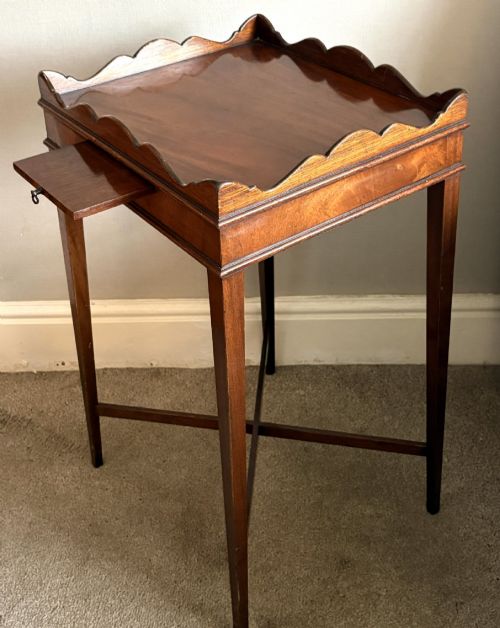
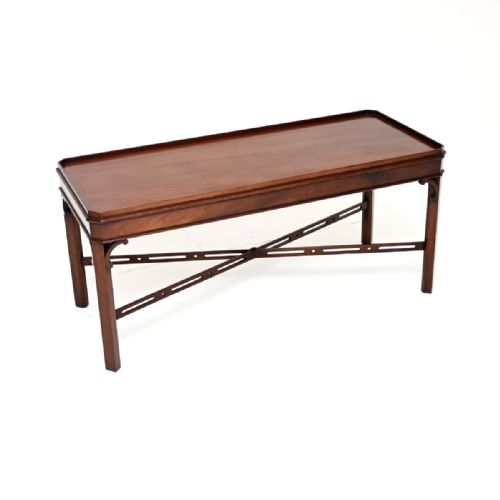
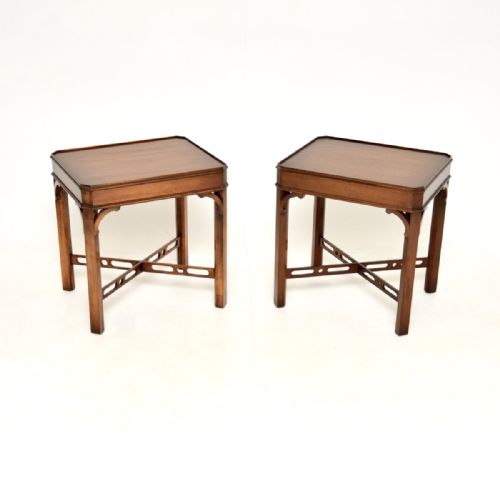
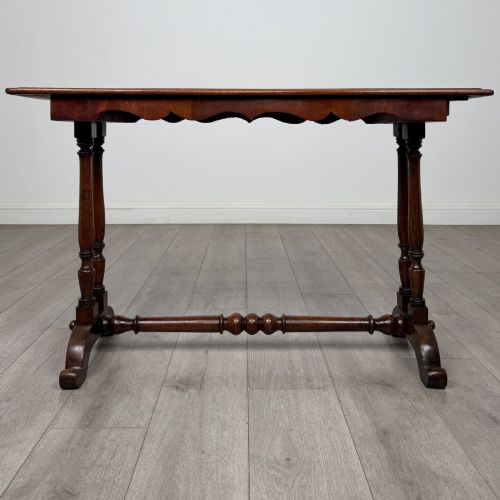
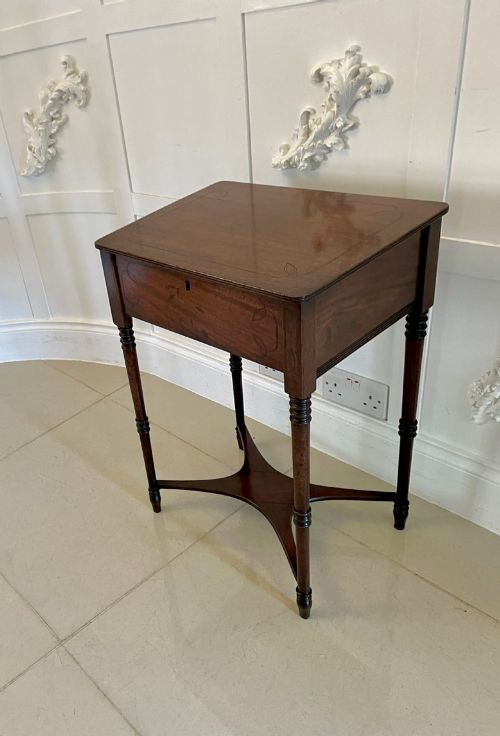
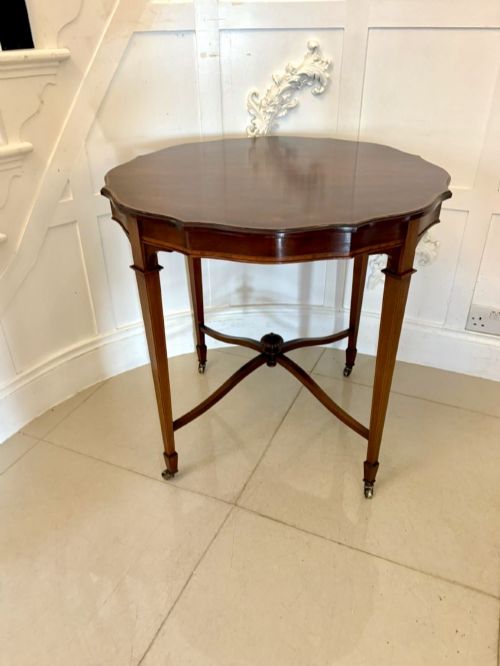
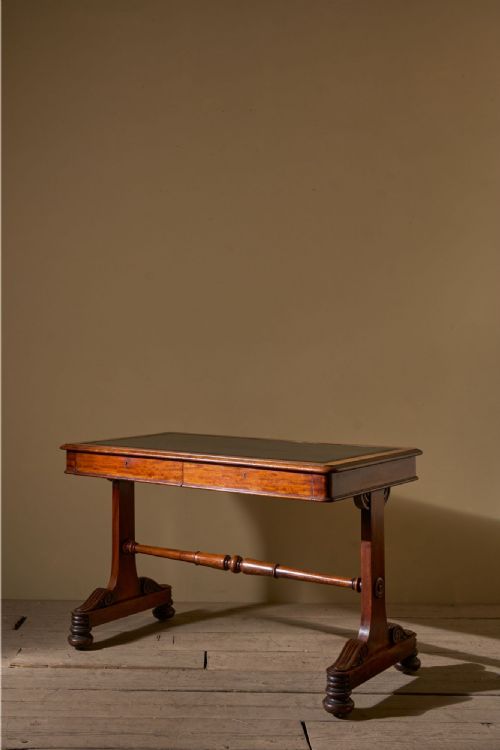
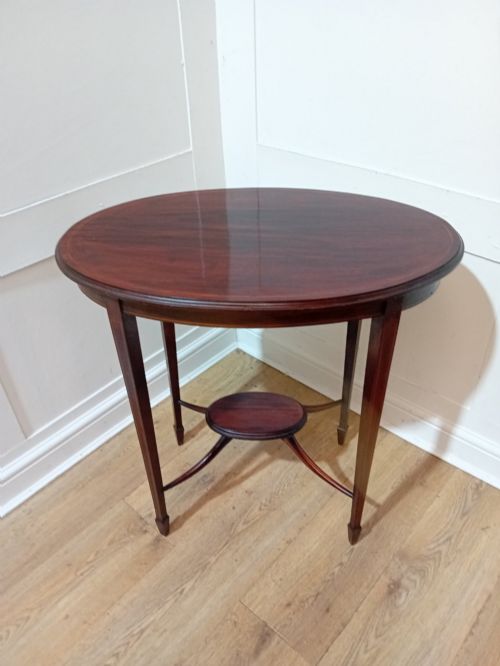
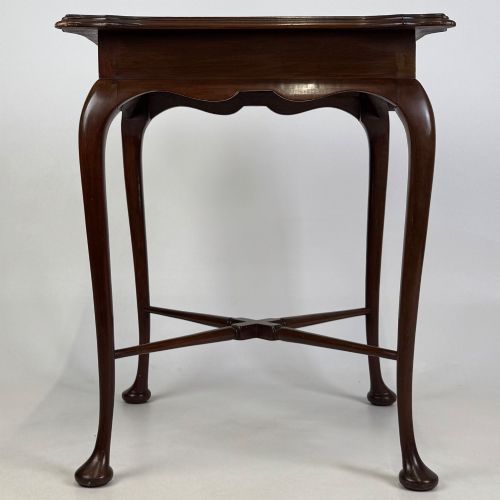
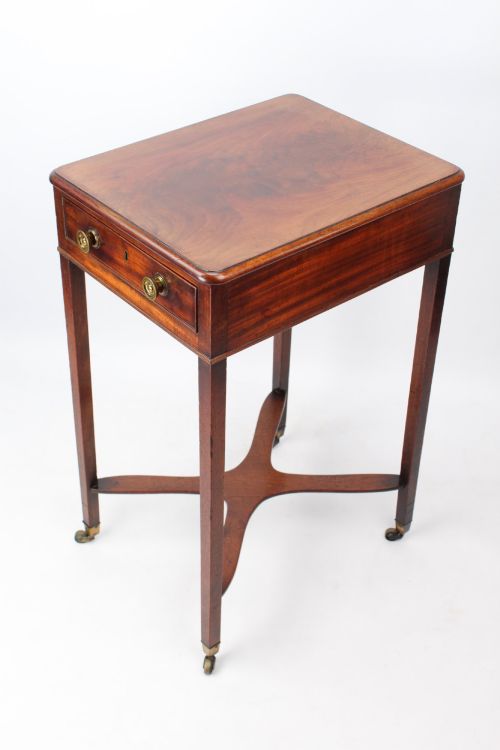
The version you are most likely to meet on this page is a Victorian or Georgian occasional or writing table featuring either an H-stretcher or an X-frame base. Such designs combine domestic utility with robust framing, often incorporating drawers, leather inserts, or drop leaves depending on their specific functional purpose.
How they were made
Cabinetmakers built these tables primarily using solid or veneered mahogany, frequently selected for its deep, warm grain and structural reliability. Workshops incorporated secondary timbers alongside boxwood, satinwood, and inlaid details to accentuate borders, drawer fronts, and top surfaces.
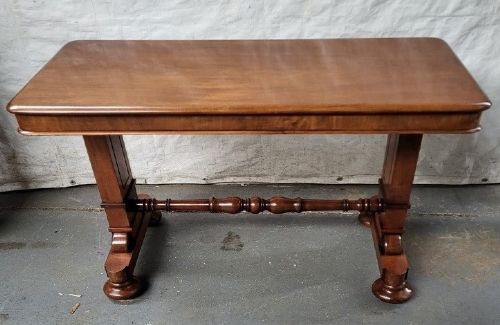
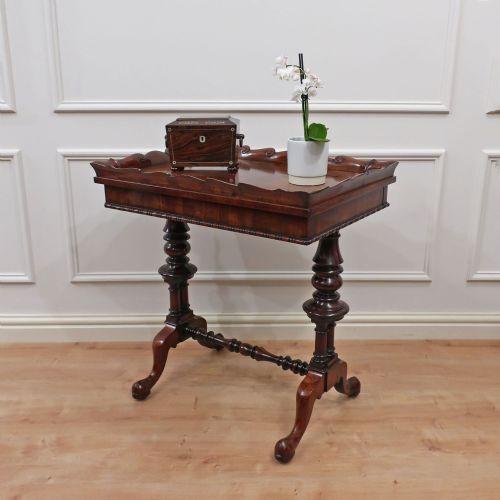
Joinery methods focused on rigid assembly, utilising mortise and tenon joints where legs met rails and stretchers. Turned, carved, or shaped stretchers were pegged or glued into position to prevent lateral wobble, supporting heavy loads on library tables and writing desks alike.
Mahogany Stretcher Table Retail Price Guide 2026
Typical asking prices for mahogany stretcher table among the pieces listed under this phrase on Sellingantiques today, from the lower quarter to the upper quarter. They describe what is for sale here now, not the wider market.
The archive shows frequent examples of Victorian and Regency stretcher tables paired with leather writing inserts and turned structural legs.
What varies in quality
The caliber of a piece rests heavily on the selection of the timber and the precision of the underlying construction. Higher-grade examples display figured mahogany, fiddleback top surfaces, or intricate satinwood and marquetry inlay that demands expert hand-cutting.
Proportion and execution set the finer specimens apart from standard utilitarian items. Cleanly turned stretchers, crisp carving on legs, and well-fitted drawers with original brass hardware indicate a workshop operating at a higher level of craftsmanship.
Johnstone & Jeanes·Gillows
The Mahogany Stretcher Table Glossary
- Stretcher
- A horizontal support connecting the legs of a table to increase rigidity and strength. These cross-braces can form an H-shape or an X-frame.
- Pembroke table
- A small occasional table with hinged drop leaves on either side and usually a single drawer. This form often utilises stretcher supports beneath.
- Sofa table
- A rectangular table traditionally placed behind a sofa, featuring drop leaves and sturdy under-framing. They frequently include drawers and stretcher bases.
- Marquetry
- The art of applying pieces of veneer to a structure to form decorative patterns. Craftsmen use various woods like boxwood and satinwood for contrast.
- Fiddleback
- A type offigured mahogany showing a wavy grain pattern resembling the back of a violin. This desirable figuring adds visual depth to the wood.
Mahogany Stretcher Table: Frequently Asked Questions
What is a stretcher table?
A stretcher table is any table design that incorporates horizontal bracing between the legs. This construction method adds structural rigidity and prevents the legs from bowing outward under heavy weight.
In mahogany examples, these stretchers range from simple turned wooden bars to elaborate carved X-frames and H-shapes. They appear on various forms including library desks, writing tables, and occasional stands.
How do I date a mahogany table?
Dating a table involves examining the secondary timbers, the style of the legs, and the construction methods used in the drawers. Georgian and Regency pieces typically show hand-cut dovetails and specific leg profiles like tapered or reeded designs.
Later Victorian and Edwardian revivals often incorporate machine-cut elements or softer secondary woods. The presence of specific inlay patterns and hardware styles also helps narrow down the manufacturing decade.
Where should I place a stretcher table?
These tables adapt well to various rooms depending on their size and specific functional design. Side tables and occasional tables fit beside seating areas or against hallways walls, while writing tables serve effectively in studies.
The lower stretcher means the base has visual weight, making these pieces suitable for anchoring open spaces or positioning where the profile remains visible from multiple angles.
How do I care for mahogany?
Mahogany requires consistent humidity levels and protection from direct sunlight to prevent the timber from drying out or fading. Regular dusting with a soft, dry cloth maintains the surface sheen without building up heavy chemical residues.
Applying a traditional beeswax polish periodically helps nourish the wood and preserve the depth of the grain. Avoid placing hot or wet items directly onto antique polished surfaces.