



Mahogany Spindle Chair
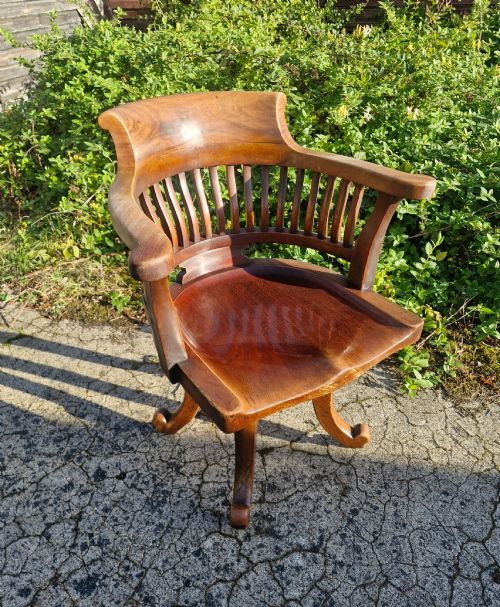
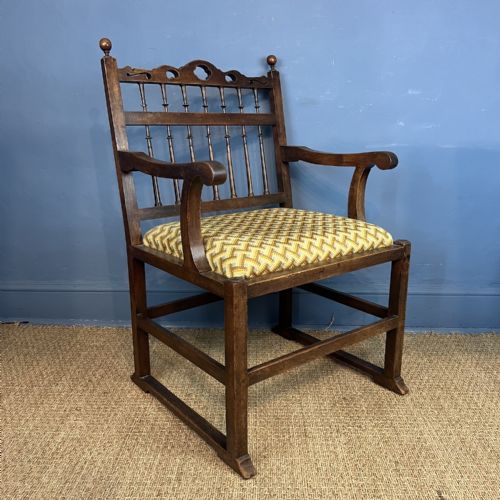
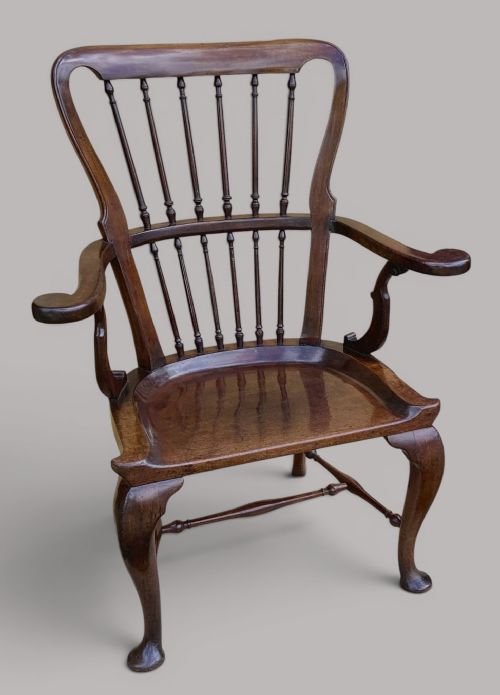
A mahogany spindle chair combines sturdy dark timber with slender turned uprights, offering both support and a light silhouette for the home.
Mahogany Spindle Chair
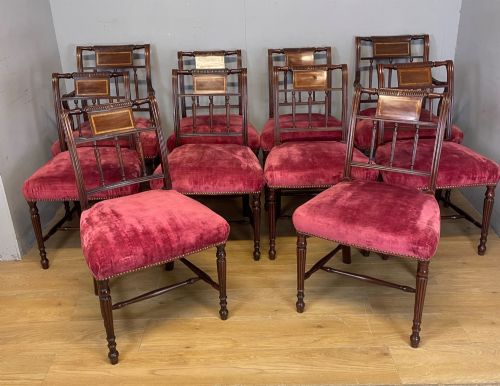
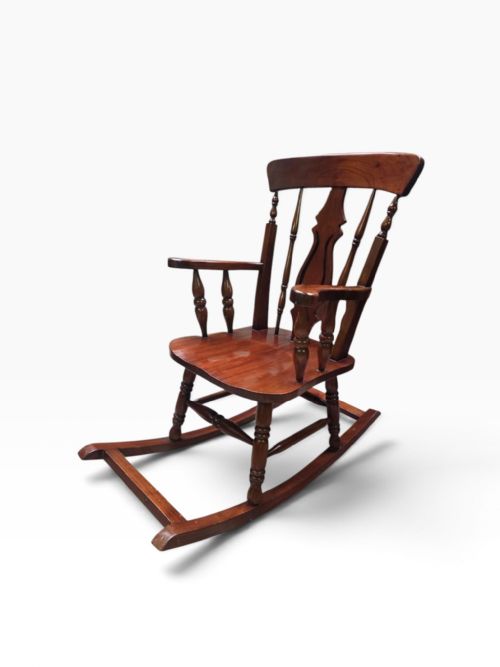
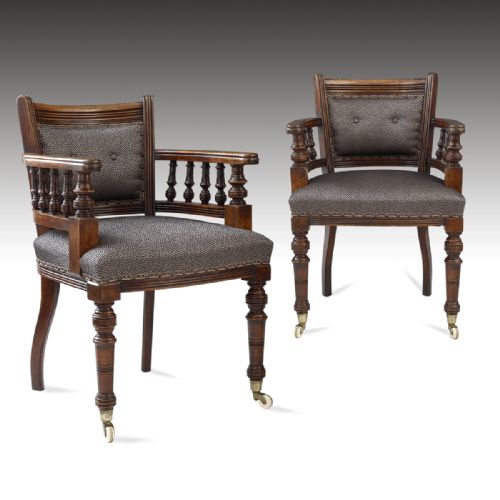
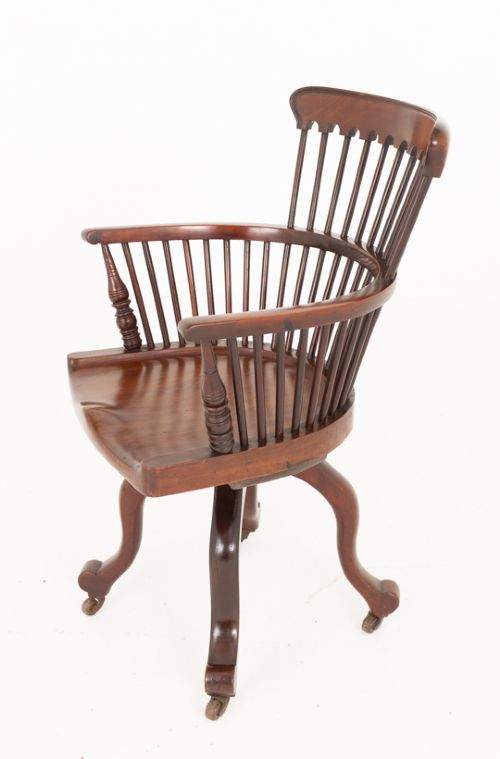
When you search for a mahogany spindle chair, you encounter a variety of seating forms spanning the nineteenth and early twentieth centuries. The selection ranges from early nineteenth-century library and desk models to Victorian and Edwardian armchairs, dining sets, and rocking chairs.
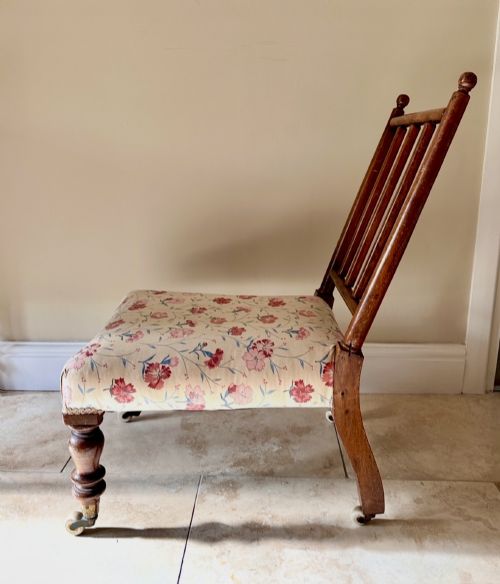
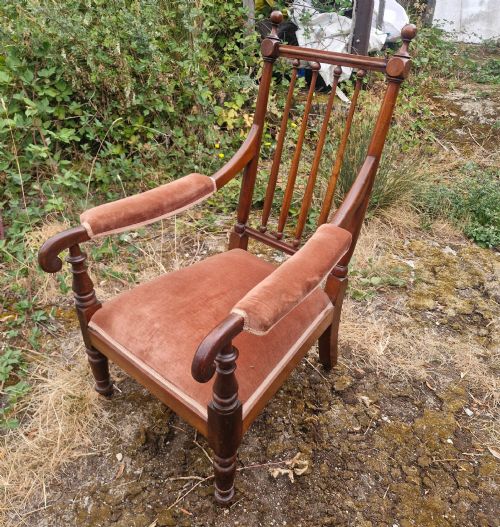
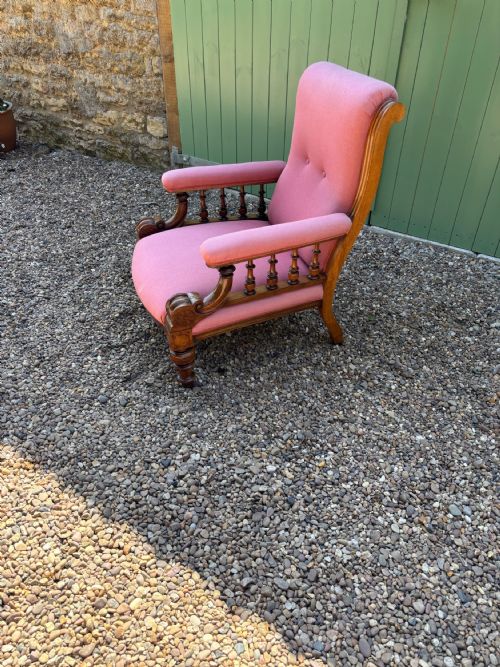
Most examples date from the Victorian and Edwardian periods, frequently featuring turned vertical wooden spindles in the backrest. These pieces appear in multiple formats, including office chairs, nursing chairs, and bedroom seating.
Earlier interpretations link to George III designs with fan-shaped spindle backs, whilst later Edwardian pieces display refined mahogany frames. The overarching characteristic is the use of turned wooden spindles integrated into hardwood framing.
How they were made
Craftsmen built these chairs using solid mahogany and other hardwoods, shaping structural elements with traditional joinery. Backrests incorporate slender turned wooden spindles set into curved or straight rails.
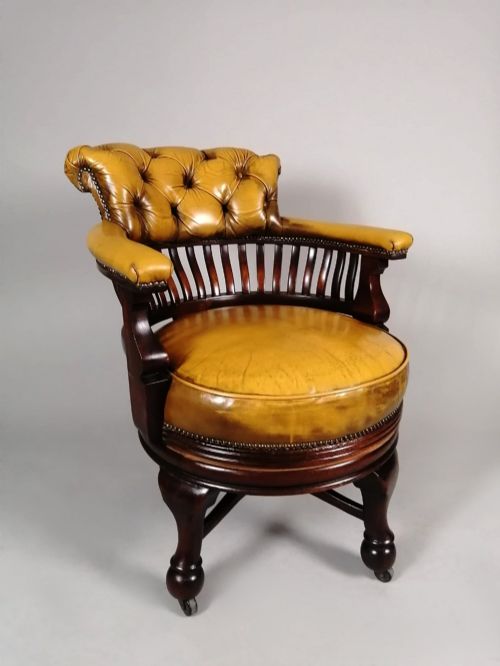
Many working variants integrate brass castor wheels, leather upholstery, and velvet or fabric pads. Frame construction relies on secure mortise and tenon joints to stabilise the turned components under regular use.
Certain nineteenth-century versions include drunkards' chairs and reclining plantation models, proving that Victorians took their relaxation with absolute seriousness.
What varies in quality
The standard of timber selection and the precision of the turning set individual pieces apart. Superior examples display crisp detail in the spindle work and dense, well-figured mahogany grain.
Structural integrity depends on the tightness of the original joints and the condition of any pivoting mechanisms found on desk or revolving variants. The quality of secondary materials, such as heavy brass castors or period leather, elevates the status of the piece.
The Mahogany Spindle Chair Glossary
- Spindle back
- A chair back constructed from a series of slender turned wooden uprights. These vertical elements provide flexible back support whilst keeping the frame visually light.
- Mahogany
- A durable reddish-brown tropical hardwood favoured for fine cabinetmaking. Its stability makes it suitable for turned components that require precise detailing.
- Castor
- A small wheel mounted on a swivel attached to the base of a chair leg. They appear frequently on nineteenth-century desk and library models to aid movement.
- Library chair
- A heavy armchair designed for reading rooms, often upholstered in leather. These sturdy seats provide comfort for extended periods of study.
Mahogany Spindle Chair: Frequently Asked Questions
Where were mahogany spindle chairs used?
These chairs served multiple domestic and professional functions across different rooms. Lighter spindle designs appeared in bedrooms and drawing rooms, whilst robust swivel and desk variants equipped Victorian offices and libraries.
Dining chairs and rocking chairs also utilised the spindle construction to lighten the visual weight of heavy timber frames. This versatility explains their presence in various settings throughout the nineteenth and early twentieth centuries.
How do I date a mahogany spindle chair?
Dating relies on observing stylistic markers, hardware, and construction techniques across different eras. Earlier George III and Regency pieces display specific turning profiles and timber finishes, whereas Victorian and Edwardian examples often incorporate mass-produced joinery refinements.
The presence of stamped maker marks, brass castors, or specific upholstery styles helps narrow down the decade of manufacture. Comparing the turning style to documented furniture catalogues clarifies the timeline further.
Are mahogany spindle chairs comfortable?
Comfort varies depending on the specific form and whether the seat incorporates upholstery. Open wooden spindle backs offer supportive upright posture, though they lack the cushioning found on upholstered parlour models.
Many desk and library variants include padded leather seats or revolving mechanisms for practical daily use. Rocking and reclining versions add movement and adjustable angles for relaxation.
How do I maintain a mahogany spindle chair?
Maintenance involves gentle cleaning and the occasional application of appropriate wood wax to nourish the timber. Avoiding direct sunlight and extreme temperature fluctuations prevents the mahogany from drying out and splitting.
Checking the stability of the turned spindles and underlying joints ensures the frame remains secure. Leather and fabric elements require specialised cleaning treatments suited to their specific material.