


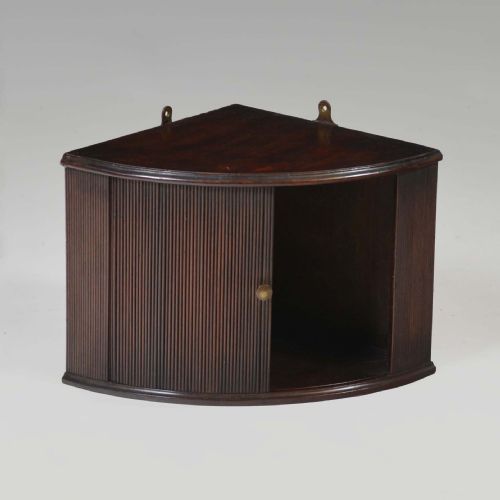


Mahogany Spice Cabinet
A mahogany spice cabinet is a compact wooden storage piece designed to hold precious seasonings, and collectors prize these refined forms for their rich grain and historic utility.
Mahogany Spice Cabinet
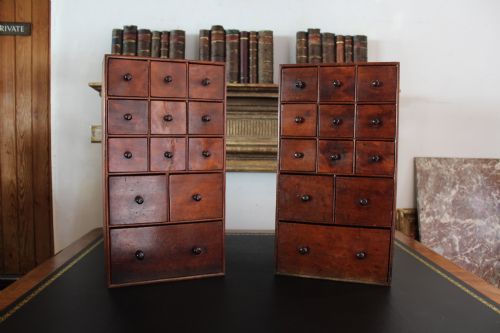
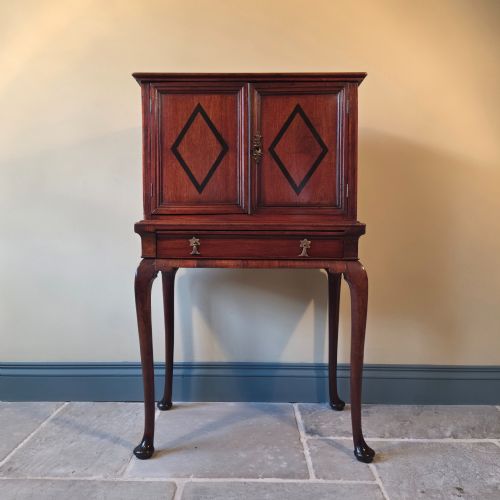
When you search for a mahogany spice cabinet, you encounter a variety of small storage forms spanning several centuries of craftsmanship. The selection encompasses wall cabinets, miniature chests of drawers, and tabletop examples constructed in rich timbers.
Georgian and Regency interpretations frequently appear alongside Victorian and Edwardian iterations. Buyers are most likely to meet wall-hanging cupboards or miniature chests of drawers that reflect these historic periods.
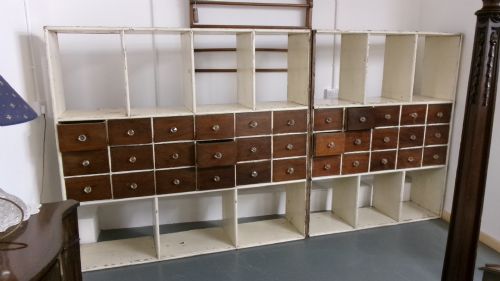
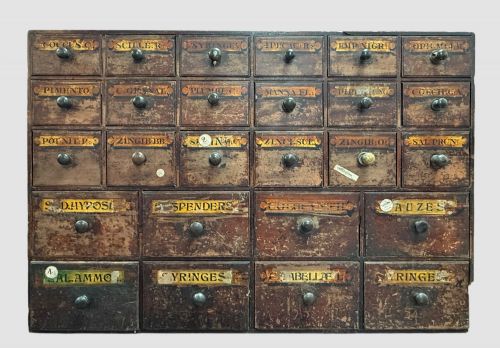
The objects serve multiple functional origins, occasionally overlapping with apothecary cabinets, homeopathic chests, and chemist shop fittings. Each piece displays the distinct domestic or commercial requirements of its era.
How they were made
Construction relies heavily on solid mahogany and pine, often enhanced with secondary timbers such as walnut, oak, and boxwood. Artisans shaped these woods into hanging corners, miniature chests, and wall cabinets using traditional joinery.
Metal hardware plays a functional and decorative role, with brass fittings appearing across numerous examples. Detail work incorporates subtle inlay and tambour fronts to secure the compact storage spaces.
Listings feature mahogany alongside brass, pine, glass, walnut, ebony, and boxwood across periods ranging from the 18th century to the Edwardian era.
What varies in quality
The distinction between standard examples and finer pieces rests in the selection of timber and the precision of the cabinetwork. Rich, well-figured mahogany paired with contrasting stringing or boxwood inlay elevates the visual presence of a cabinet.
Hardware integrity and the retention of original elements such as keys and brass pulls define the preservation standard. Finer specimens demonstrate meticulous attention to internal drawer construction and proportion.
The Mahogany Spice Cabinet Glossary
- Tambour
- A sliding door formed of narrow vertical strips of wood glued to a canvas backing. This mechanism allows the front of a cabinet to curve smoothly around corners.
- Inlay
- A decorative technique where contrasting materials such as boxwood or ebony are inserted into depressions within the mahogany surface.
- Bank of drawers
- An arrangement of multiple small drawers stacked vertically or horizontally. These configurations are frequently found in chemist shop fittings and apothecary storage.
- Wall cabinet
- A compact storage unit designed to be mounted directly onto a wall surface. These pieces often feature internal shelving or small compartments.
Mahogany Spice Cabinet: Frequently Asked Questions
What is a mahogany spice cabinet?
A mahogany spice cabinet is a small storage unit traditionally built to hold culinary spices and herbs securely. These pieces utilise fine timber and often feature internal drawers or small compartments.
Over time, collectors and homeowners have repurposed these compact items for general desktop storage or wall display. Their varied forms reflect the domestic and commercial storage needs of past centuries.
How do I date a spice cabinet?
Dating a cabinet involves examining the structural materials, secondary woods, and exterior hardware styles. Georgian and Regency pieces display specific classical proportions and inlay work, while Victorian iterations often utilise heavier timber.
Construction techniques, such as the method of drawer dovetailing and the choice of brass pulls, provide further clues. Comparing these physical characteristics against documented period pieces helps establish an approximate age.
Where were these cabinets placed?
Many historic storage pieces were designed to hang securely on walls or sit upon larger tables and chests. Wall-hanging versions kept precious contents within easy reach while saving valuable surface space in busy rooms.
Tabletop cabinets and miniature chests of drawers offered portable storage options for domestic settings. Their compact footprints allowed them to integrate seamlessly into diverse domestic environments.
What woods are used besides mahogany?
Makers frequently incorporated secondary woods such as pine and oak for internal linings and hidden structural elements. These dependable timbers provided stability to the framework without increasing the exterior cost.
Decorative accents often introduced contrasting materials like boxwood, ebony, and walnut for stringing and inlay. This combination of primary mahogany and secondary woods created subtle visual depth.