

Mahogany Side Table Brass
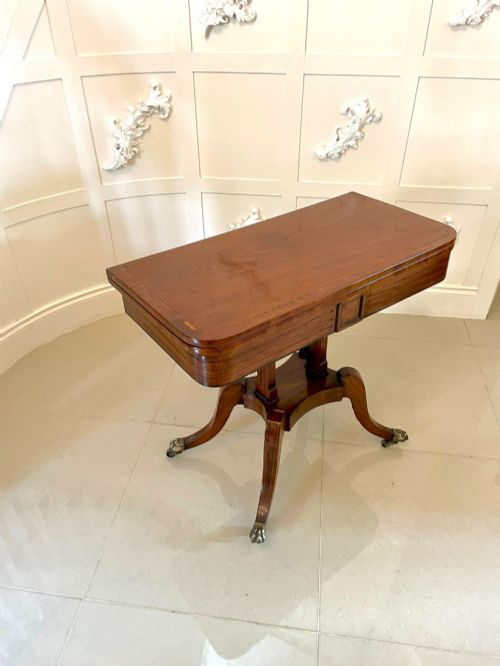
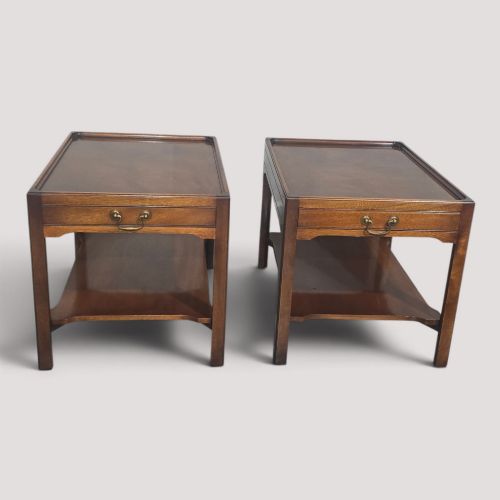
A mahogany side table brass selection brings together warm timber and gleaming metal across Georgian, Regency and Victorian forms.
Mahogany Side Table Brass
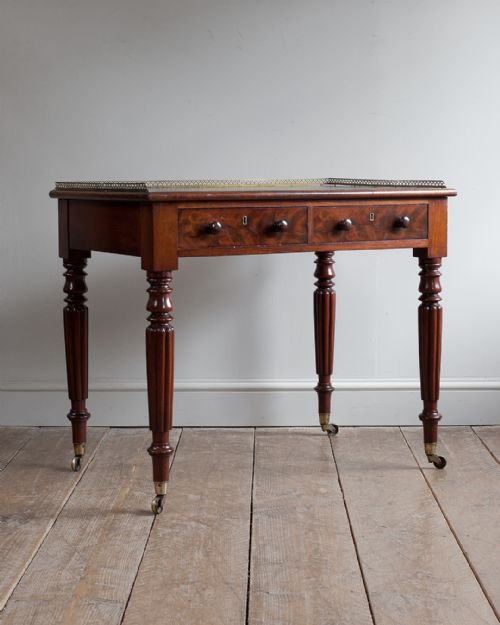
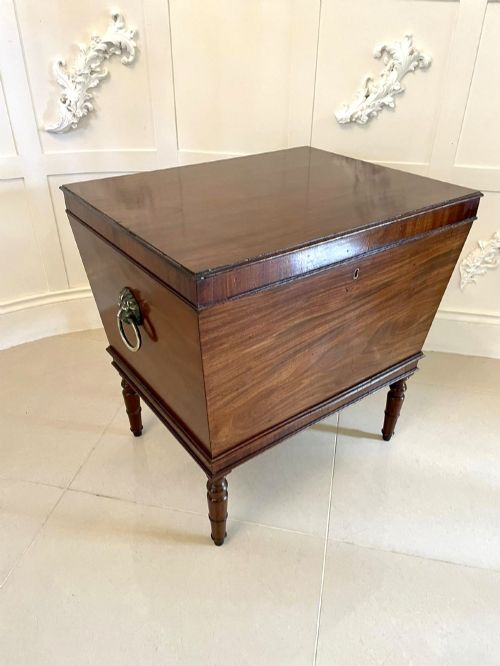
A mahogany side table brass search uncovers a diverse array of foundational furnishings designed for domestic utility and display. The selection spans distinct periods from the Georgian era through the Regency epoch and into the Victorian and Edwardian years, reflecting changing tastes in interior placement.
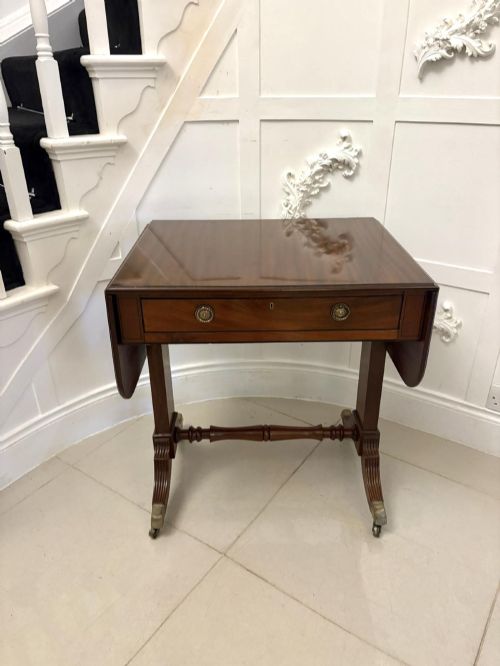
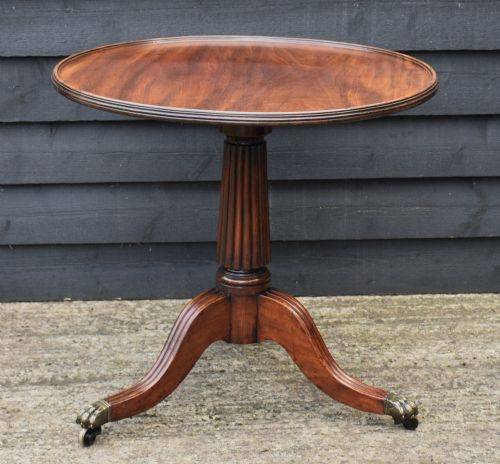
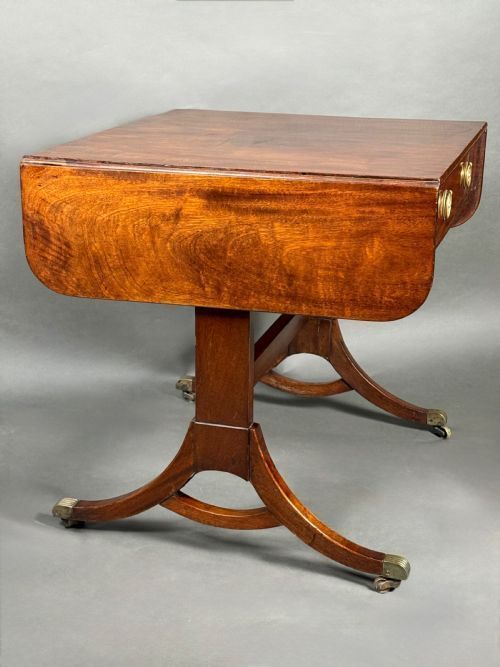
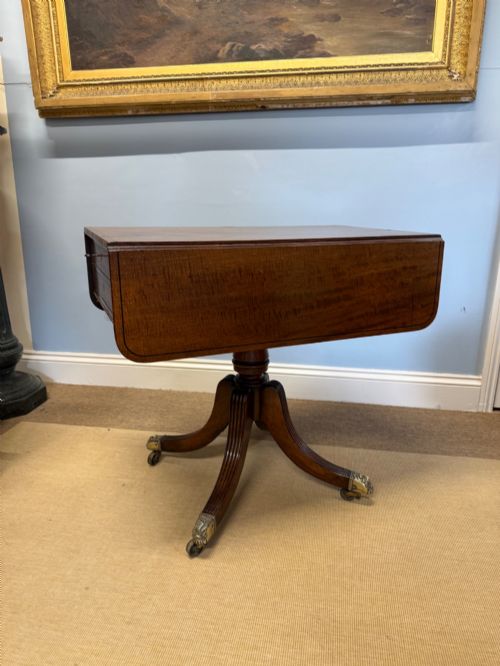
Forms vary considerably to meet specific domestic functions. Buyers encounter sofa tables, pembroke tables, occasional tables, drum tables and bedside cabinets, alongside specialised serving pieces like butler's trays.
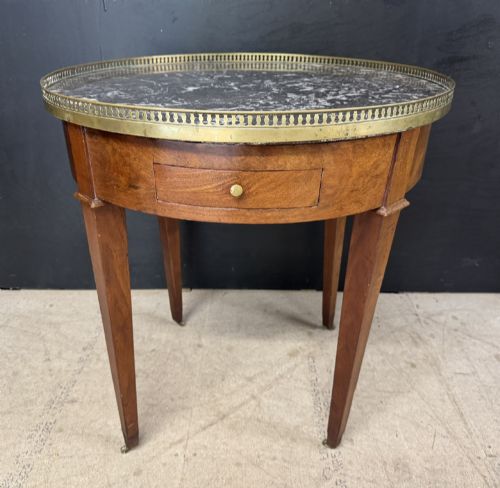
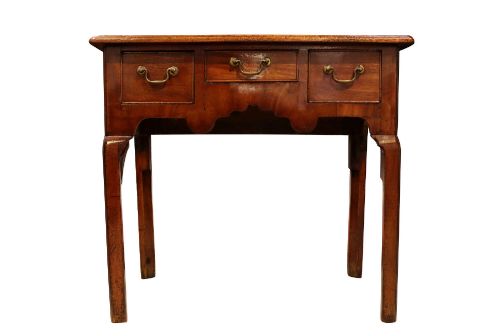
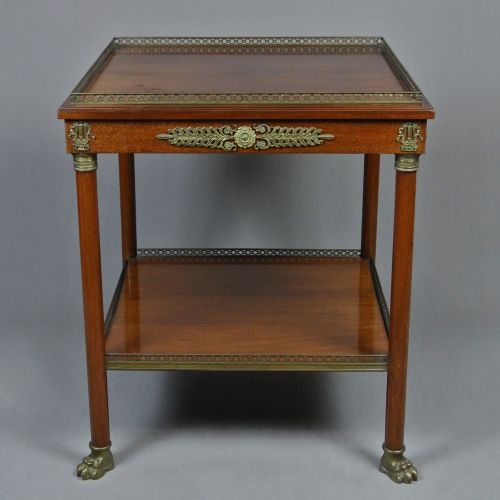
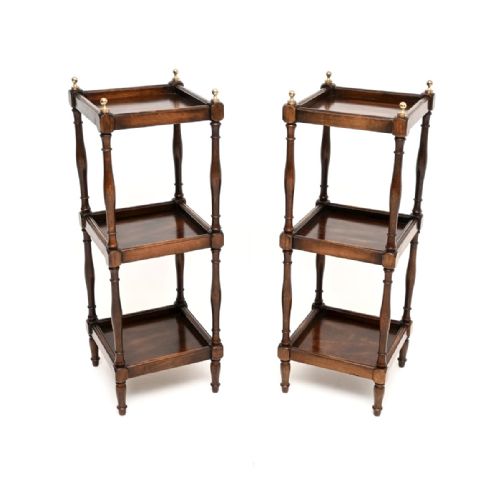
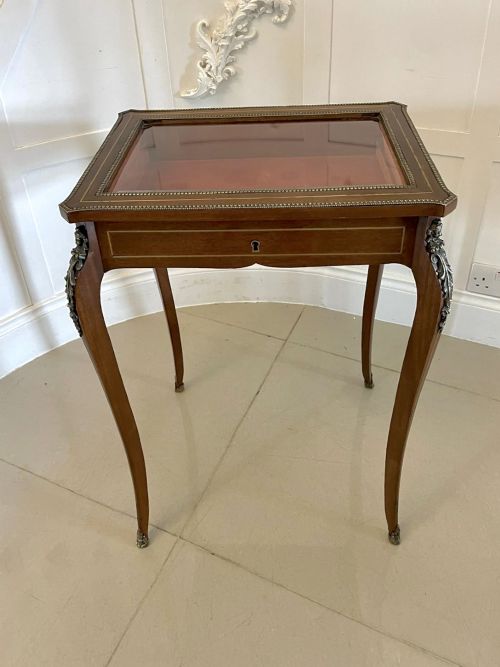
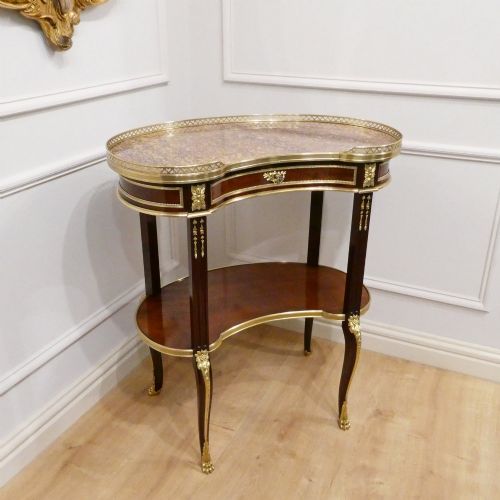
The integration of brass is equally varied. Metal appears structurally or decoratively, taking the form of cast mountings, gallery rails, inlay lines, handles, castors and magazine racks.
How they were made
Cabinetmakers utilised dense tropical hardwoods, frequently selecting figured mahogany, flame mahogany or rosewood veneers over solid secondary timbers to achieve rich surface grain. Timber construction relied on traditional joinery techniques such as dovetailing for drawers and mortise and tenon frames.
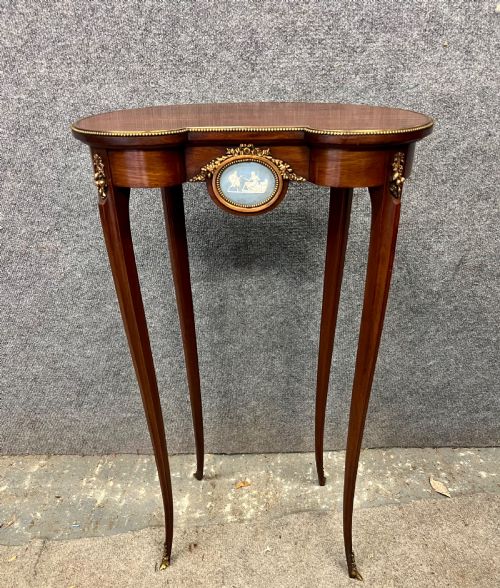
Brass elements were cast, chased or drawn into wire for stringing and inlay work. Craftsmen incorporated marble tops, leather inserts and ormolu mounts on French-influenced pieces, securing metalwork with small brass pins or screws.
Listings feature wood inlay, marble, ormolu and flame mahogany across Georgian, Regency and Victorian periods.
What varies in quality
Distinction across the range lies in the selection of the timber and the precision of the cabinetmaking. Finely figured flame mahogany or fiddle-back grain denotes superior material choice compared to plain stock.
The integration of the brass fittings dictates the tier of craftsmanship. Original cast mounts, hand-cut brass stringing and intact structural hardware demonstrate a higher grade of manufacture than later replacements or applied decoration.
Maison Millet·Alphonse Tahan
The Mahogany Side Table Brass Glossary
- Flame mahogany
- Timber featuring a distinct plume-like grain pattern created by cutting through burls or fork joints in the tree. This highly decorative figuring was favoured for prominent tabletops and drawer fronts.
- Ormolu
- Gilded bronze mounted onto furniture pieces, particularly prevalent in French-influenced design. The technique involves applying a gold amalgam to cast bronze before heating.
- Pembroke table
- A small drop-leaf table featuring hinged flaps on two opposing sides. The design originated in the eighteenth century and served versatile functions as a breakfast or occasional table.
- Stringing
- Thin inlaid lines of contrasting wood or metal, such as boxwood or brass, embedded into the surface veneer. This linear decoration frames the edges of tabletops and drawer fronts.
Mahogany Side Table Brass: Frequently Asked Questions
What periods do these tables represent?
The listings span from the late eighteenth century through the Georgian and Regency eras, extending into Victorian and Edwardian periods.
Maker styles also encompass French Louis XVI revivals, demonstrating international design influences across these manufacturing dates.
How were brass elements incorporated?
Brass served both functional and decorative purposes across the furniture. Metal appeared as drawer handles, castors, gallery rails, stringing inlay and structural mountings.
French pieces frequently integrated ormolu mounts and marble top surrounds alongside the timber construction.
Which table forms are available?
The selection includes sofa tables, pembroke tables, occasional tables, drum tables and bedside cabinets. Butler's trays and writing tables also feature among the domestic forms.
Many designs incorporate drop leaves, drawers or revolving tops to increase their daily utility.
What woods accompany the mahogany?
Mahogany forms the primary structure, utilising solid stock alongside figured, flame and fiddle-back veneer variations. Rosewood and satinwood occasionally appear for crossbanding and contrasting inlay work.
Secondary timbers like oak commonly line the interior drawer boxes of Georgian and Regency examples.