

Mahogany Side Armchairs
Mahogany side armchairs combine solid cabinet timber with seating for the parlour, dining room or desk.
Mahogany Side Armchairs
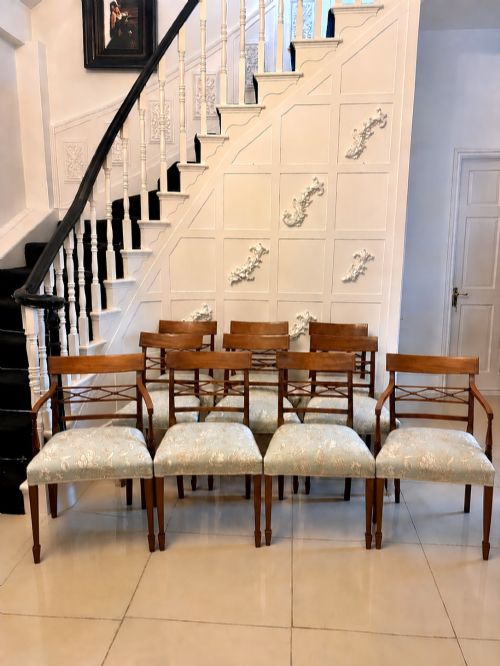
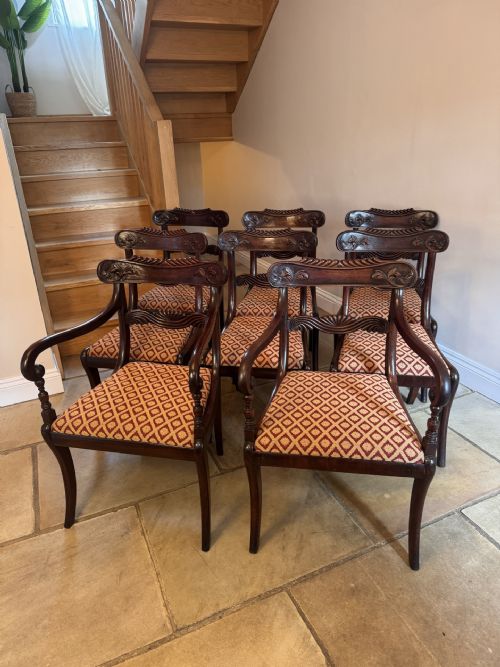
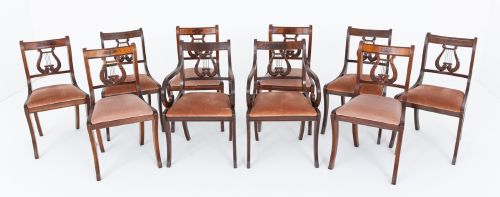
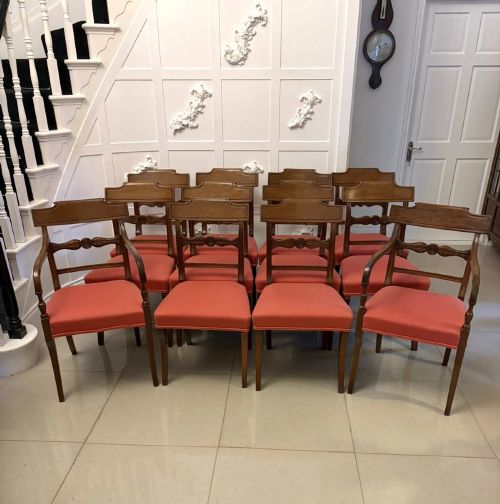
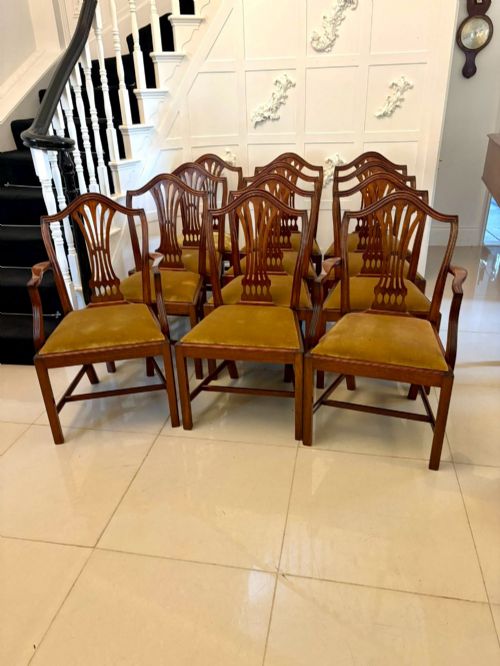
Mahogany side armchairs include single chairs with armrests made for dining rooms, salons, libraries and studies across the Georgian, Regency, Victorian and Edwardian periods.
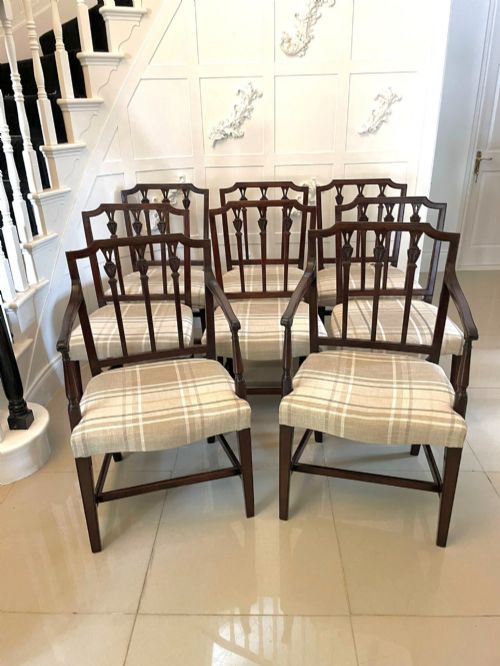
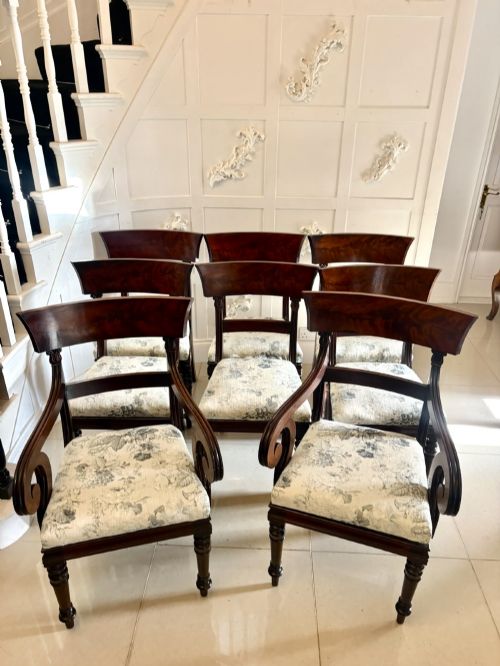
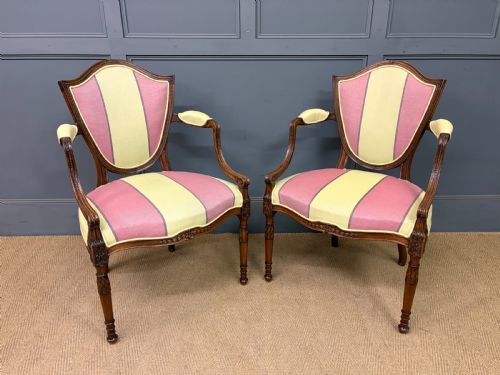
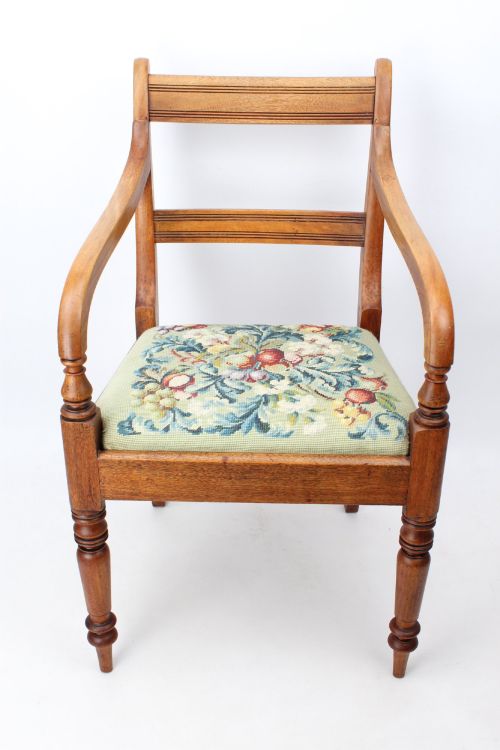
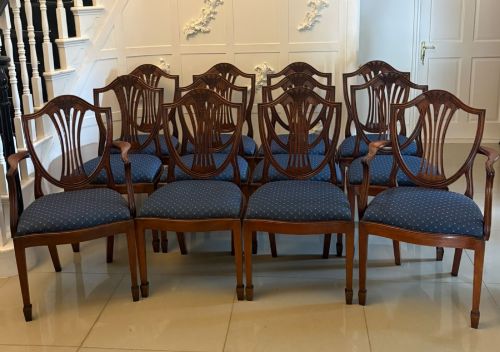
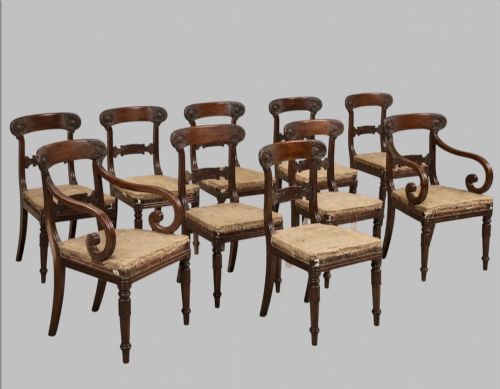
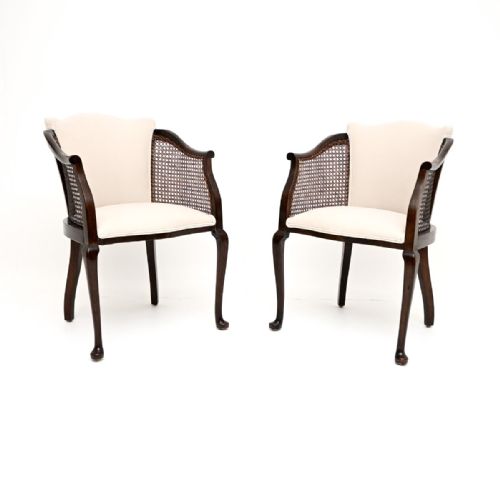
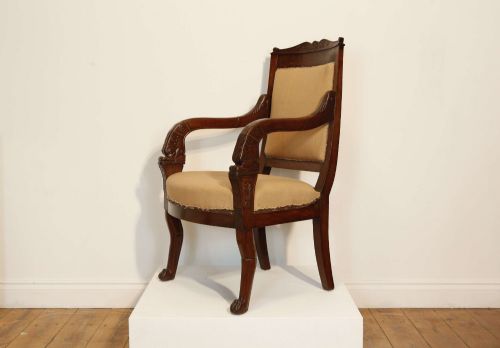
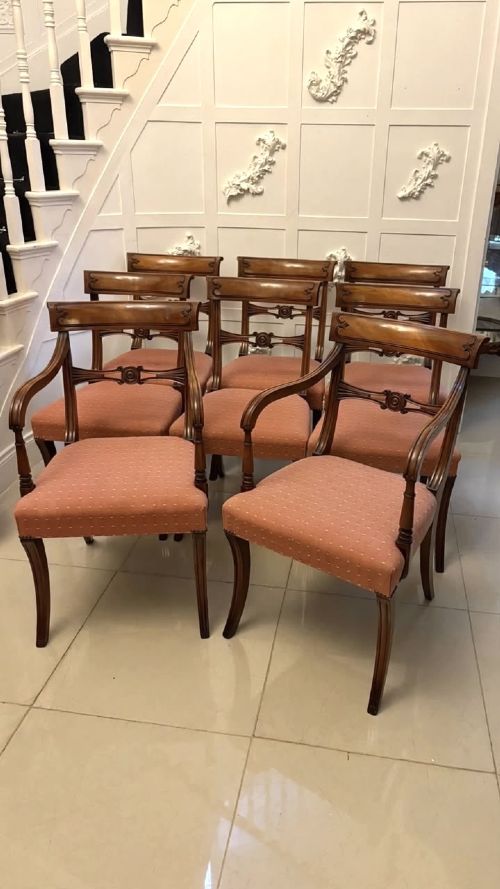
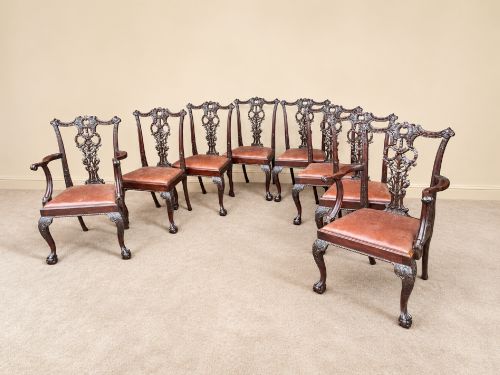
The pieces appearing here range from single open armchairs and pairs of elbow chairs to large sets of dining chairs containing carvers alongside single chairs.
Makers drew on established cabinet-making traditions, producing chairs in styles from simple Georgian designs up to revival interpretations of Chippendale, Hepplewhite and Sheraton aesthetics.
How they were made
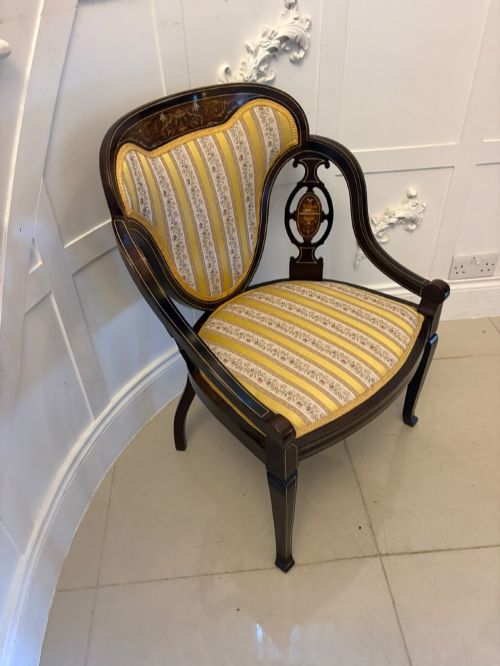
Workshops built these frames using solid mahogany, often complemented by secondary timbers and decorative inlays of boxwood and bone.
Seating portions relied on cane panels, traditional upholstery fabric, leather or velvet stretched over webbing and stuffing.
Cabinetmakers utilised brass mounts and careful joinery to secure arms, legs and shield or balloon backrests.
Mahogany Side Armchairs Retail Price Guide 2026
Typical asking prices for mahogany side armchairs among the pieces listed under this phrase on Sellingantiques today, from the lower quarter to the upper quarter. They describe what is for sale here now, not the wider market.
Certain late nineteenth-century easy chairs incorporated hidden bone inlay to guide the eye across the dark timber grain.
What varies in quality
Quality depends upon the tightness of the joinery, the selection of figured timber such as flame mahogany, and the crispness of carved details on the back splats and arm terminals.
Sets matching numerous single chairs with original carvers demonstrate higher original workshop ambition than assembled groups of varied origin.
The integrity of original cane work, leather upholstery or inlaid elements distinguishes standard utility seating from exhibition pieces.
The Mahogany Side Armchairs Glossary
- Carver
- An armchair designed with elbow supports, traditionally placed at the head of a dining table or used alongside matching single chairs.
- Bergere
- An enclosed upholstered armchair featuring cane panels on the back and sides, originating in France.
- Shield back
- A chair back shaped like a heraldic shield, popularised by designers in the eighteenth century and revisited in later revival periods.
- Flame mahogany
- Timber showing a distinctive undulating grain pattern resembling flickering flames, selected for prominent surfaces.
- Elbow chair
- An alternative term for an open armchair, denoting a seat fitted with armrests for domestic reception rooms.
Mahogany Side Armchairs: Frequently Asked Questions
How do I use these chairs today?
Mahogany side armchairs function naturally as desk chairs, bedroom seats or end chairs around a dining table. Their sturdy timber frames support daily use in living spaces.
Pairing elbow chairs with simpler single chairs creates a balanced arrangement in a dining room or hallway without overwhelming the floor plan.
How do I spot a revival piece?
Revival chairs from the Edwardian era or late nineteenth century adopt the forms of earlier Georgian and Regency makers. Closer inspection of timber ageing, construction marks and interior glue blocks helps distinguish them.
Cabinetmakers working during these later periods often applied machine-cut elements or distinct secondary woods while copying eighteenth-century styles.
What is a carver chair?
A carver is an armchair designed to match a set of dining chairs, traditionally used by the host at the table. These pieces feature structural armrests built into the frame.
Larger dining sets frequently include two carvers alongside several single chairs to complete the suite.
How do I care for mahogany?
Protect mahogany timber by keeping chairs away from direct heat sources and strong sunlight, which can dry out the polished finish and fade the grain. Regular dusting with a soft cloth maintains the surface.
Occasional application of appropriate wax polish preserves the natural lustre of the wood without building up heavy residues.