
Mahogany Revolving Stand
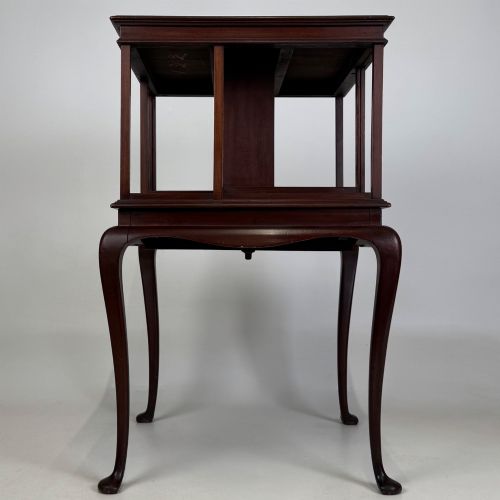
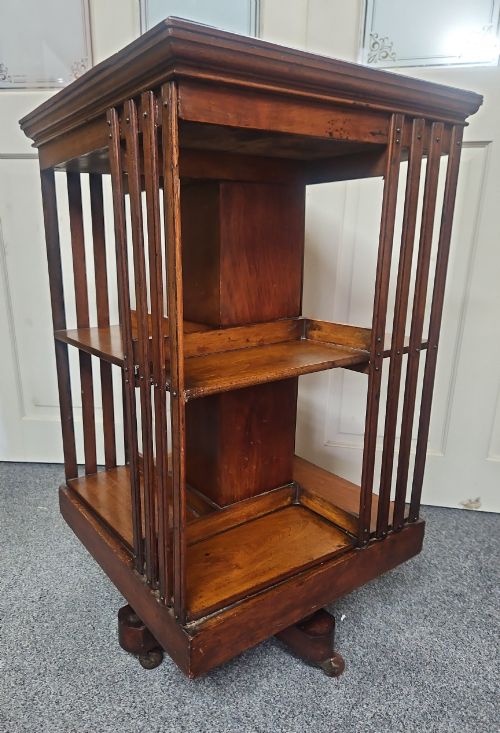
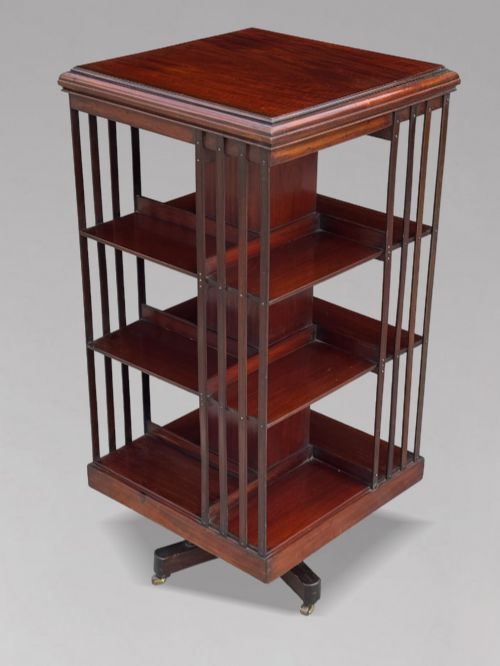
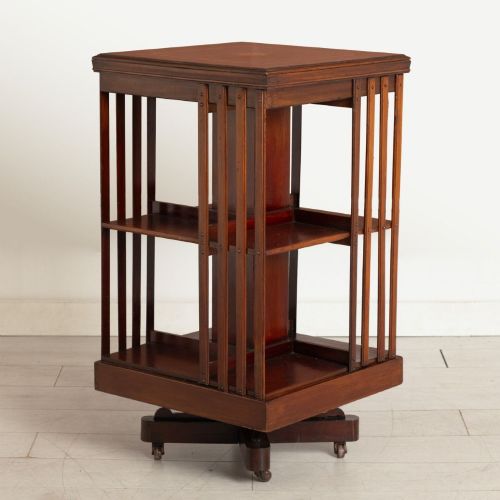
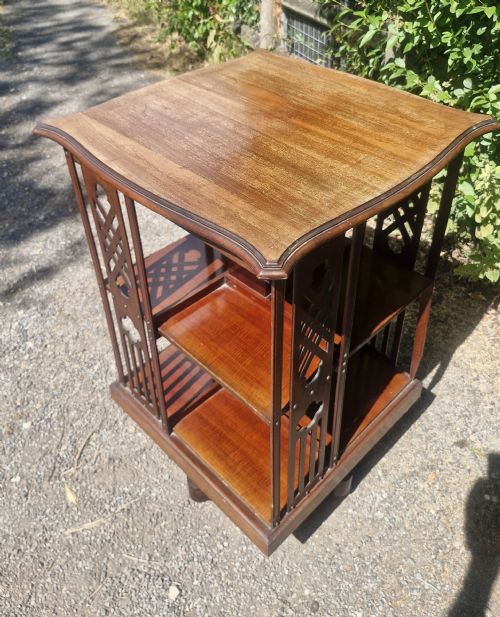
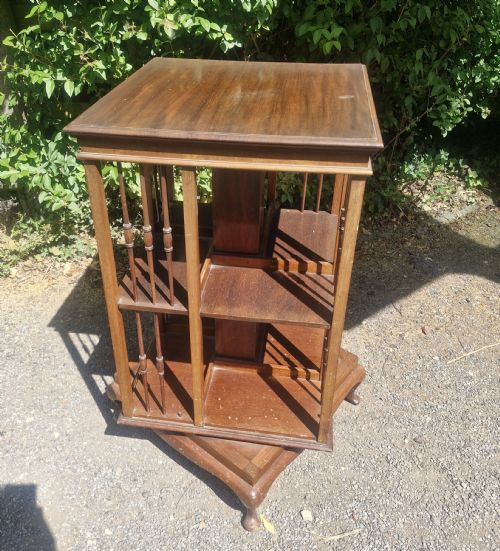
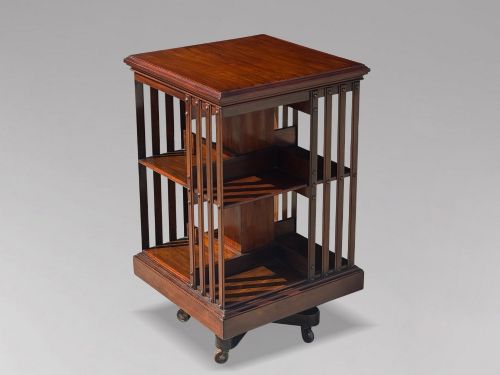
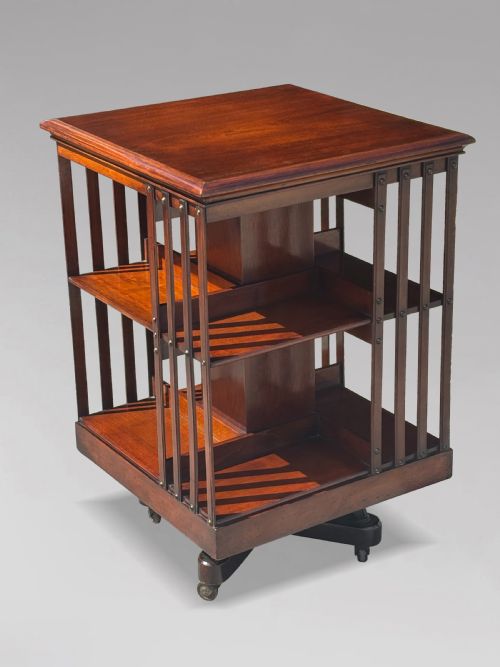
These mahogany revolving stand pieces are clever rotating furniture designed for efficient access to books or serving items, built to turn smoothly in domestic interiors.
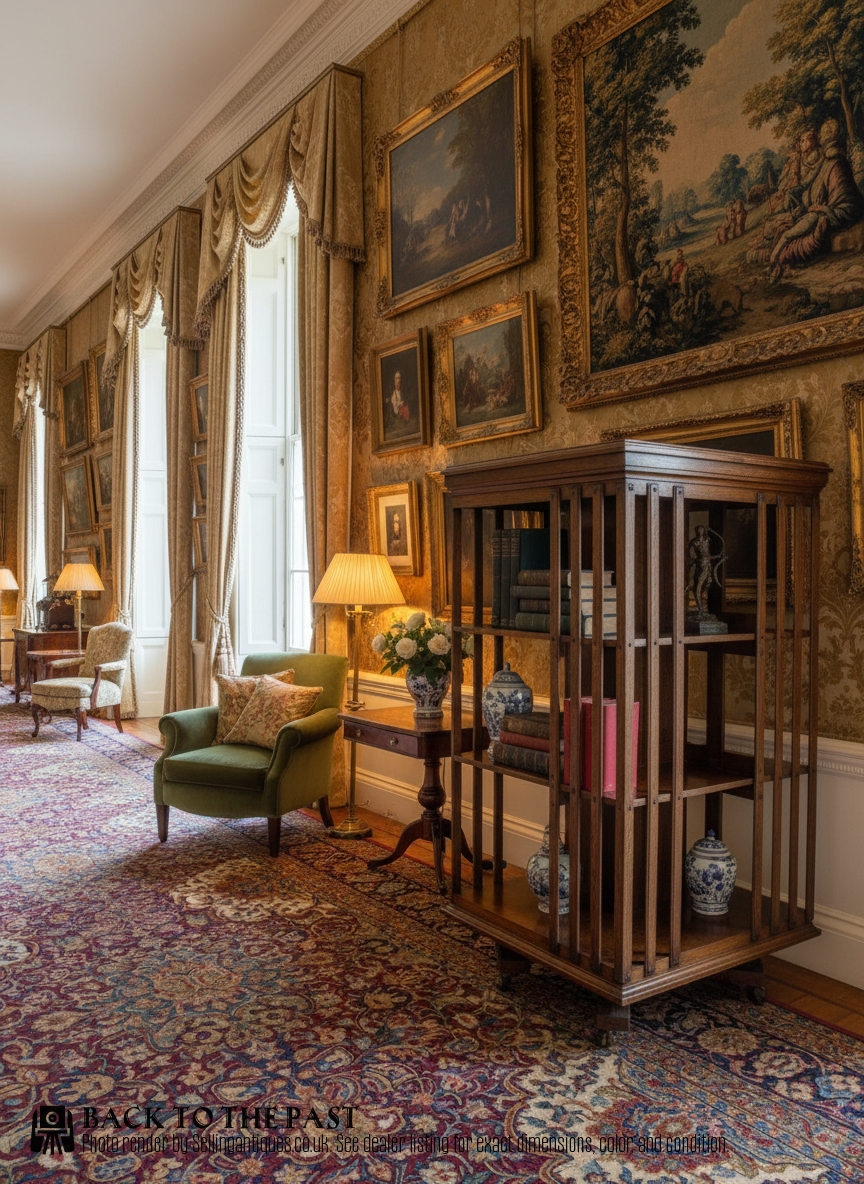
Mahogany Revolving Stand
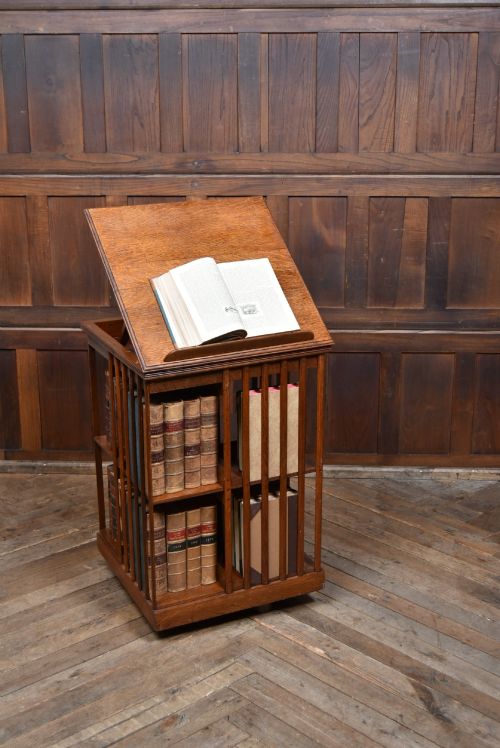
A mahogany revolving stand encompasses rotating bookcases, tiered dumb waiters, and specialised stands for hats, coats, or snooker cues. The selection spans Georgian, Regency, Victorian, and Edwardian periods, reflecting changing domestic requirements across centuries.
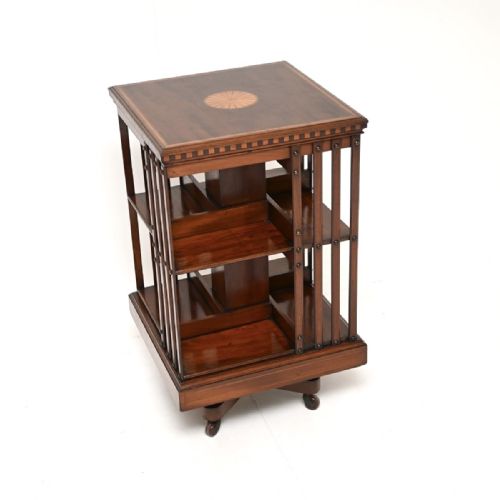
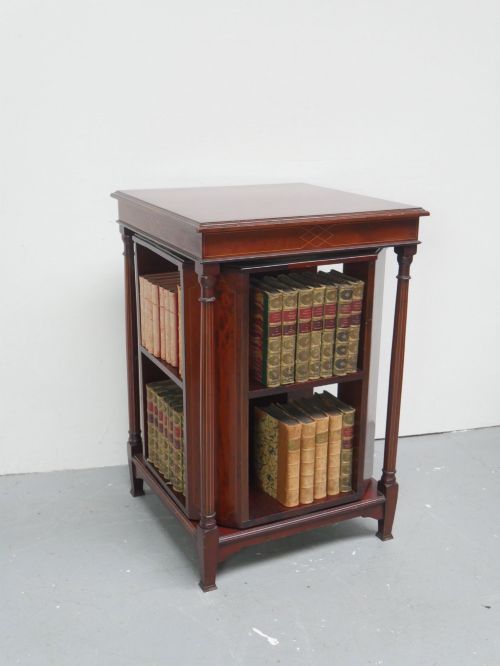
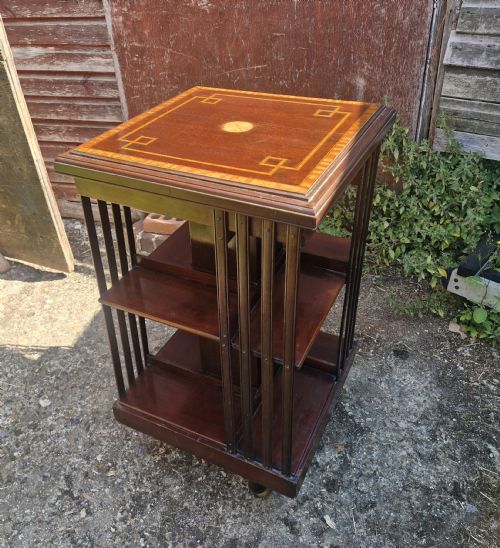
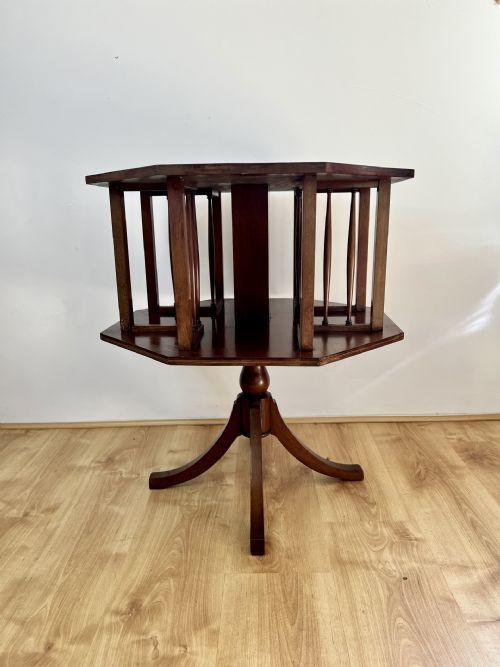
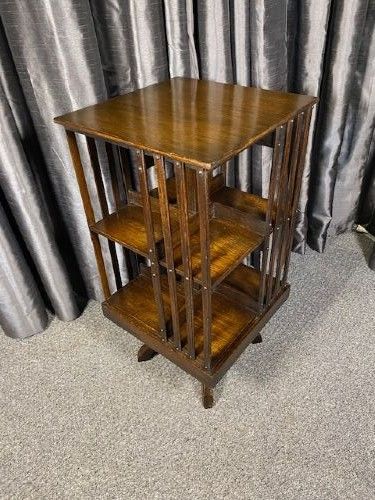
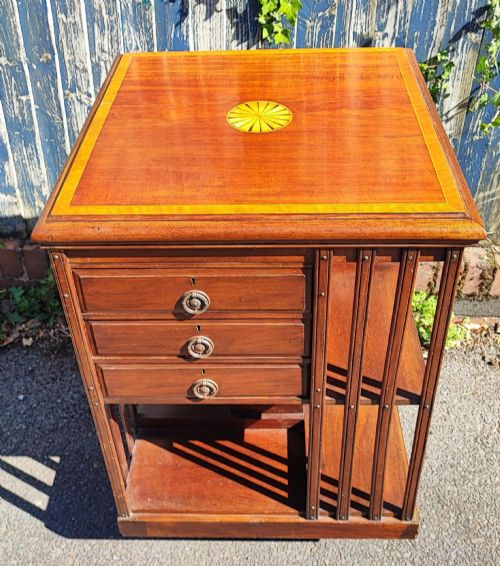
The most common variants encountered in these listings are Edwardian and nineteenth-century revolving bookcases. These sit on low bases, offering accessible tiers of shelving designed to rotate freely for quick volume selection.
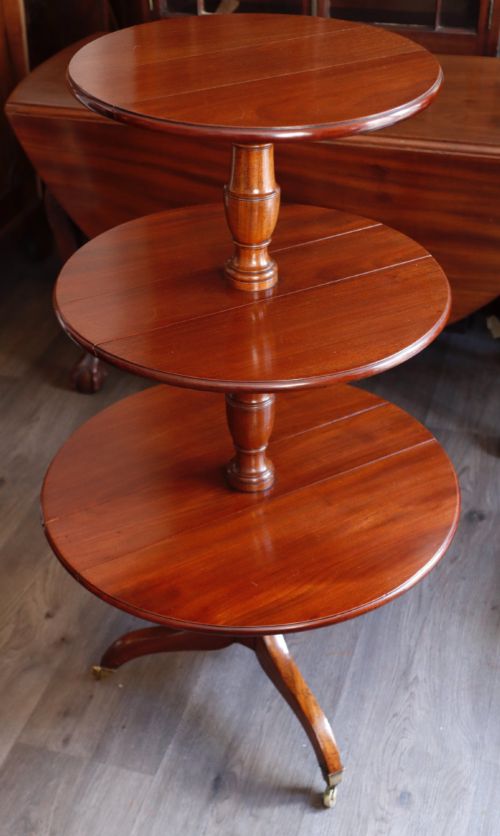
Beyond library furniture, the form extends to dining room dumb waiters and hall stands. These diverse pieces share a central pivoting mechanism that defines their utility.
How they were made
Construction relies heavily on solid mahogany and mahogany veneers, sometimes enhanced with satinwood inlay or brass and cast iron internal mechanisms. These materials provide the necessary weight and structural rigidity to support rotating tiers without tipping.
Cabinet makers utilised traditional joinery combined with hidden swivel systems, often incorporating metal ball bearings or pin pivots. Timber selection focused on grain figure, utilising flame mahogany or burr walnut for prominent surfaces.
Materials documented across the pieces include solid mahogany, brass, cast iron, satinwood inlay, and occasional marble tops.
What varies in quality
Quality reveals itself in the smoothness of the rotation and the stability of the central axis. Finer examples maintain an even balance across all tiers, preventing wobble or binding when fully loaded with books.
Surface enrichment separates standard production from superior pieces. Marquetry inlay, fine brass details, and carefully matched mahogany veneers elevate the visual balance of the stand.
Maple And Co
The Mahogany Revolving Stand Glossary
- Dumb Waiter
- A tiered piece of furniture used for serving food or holding tableware without requiring a servant present. These often feature graduating circular shelves on a central pillar.
- Satinwood Inlay
- A contrasting blonde wood used for decorative banding and geometric patterns on mahogany surfaces. It creates bright visual borders against the darker timber.
- Flame Mahogany
- A veneer cut from the fork of the mahogany tree where the branch meets the trunk. This produces a distinctive, fiery grain pattern prized by cabinet makers.
- Tiered Table
- A multi-level piece of furniture providing stacked surfaces for display or storage. Each level is supported by vertical columns or a central post.
Mahogany Revolving Stand: Frequently Asked Questions
How do I care for a mahogany revolving stand?
Keep the piece away from direct heat sources and strong sunlight to prevent the mahogany timber from drying out or fading over time. Regular dusting with a soft, dry cloth maintains the polished finish.
Periodically check the central turning mechanism to ensure dust does not impede smooth rotation. Avoid applying excessive weight unevenly across the revolving tiers to protect the internal pivot.
Were these stands used only for books?
While revolving bookcases form the majority of the pieces, the category includes various specialised domestic items. Historical examples served dining rooms as dumb waiters and hallways as coat, hat, and umbrella stands.
Other variations accommodated snooker cues or magazines. The common factor across all these forms is the rotating base rather than a single intended function.
How do I distinguish an Edwardian piece from a Victorian one?
Edwardian stands, often produced around nineteen hundred, frequently display lighter satinwood inlay and Sheraton revival influences. They tend to have a brighter finish and delicate proportions.
Nineteenth-century Victorian pieces generally present heavier proportions and deeper, darker mahogany tones. Construction details and the style of inlay help narrow down the manufacturing decade.
How does the revolving mechanism work?
The structure rests on a hidden pivot or a system of concealed metal ball bearings housed between the stationary base and the rotating upper tiers. This allows the entire weight of the loaded shelves to turn with minimal friction.
Older Georgian and Regency dumb waiters utilised timber pivots augmented with metal pins. Later Victorian and Edwardian iterations refined this action for smoother daily operation.