


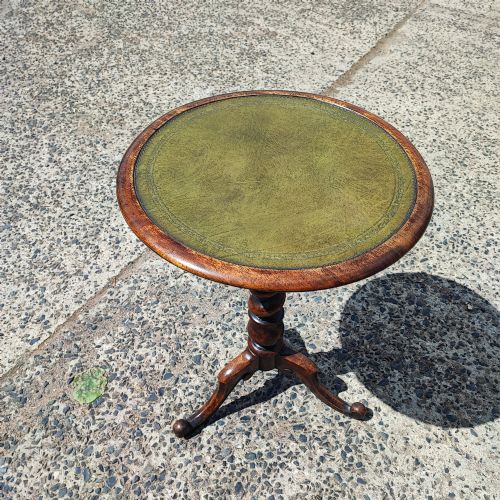

Mahogany Plant Stand Table
A mahogany plant stand table brings practical height and warm timber grain into a room, serving as a sturdy perch for lamps, urns, or foliage.
Mahogany Plant Stand Table
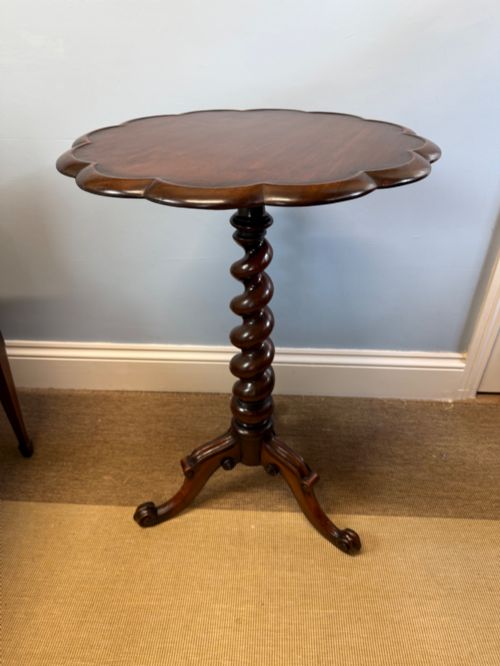
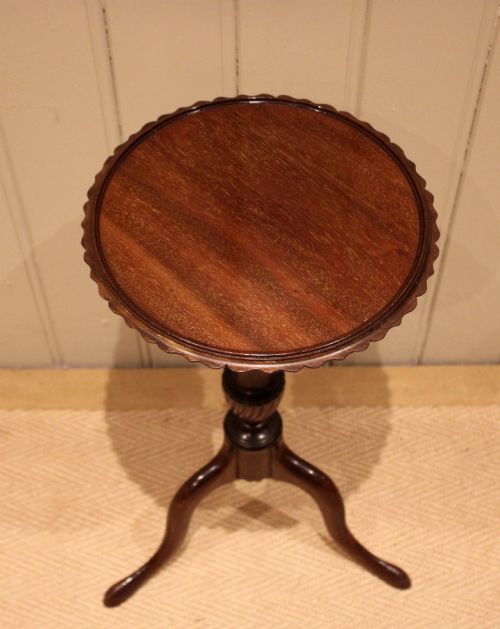
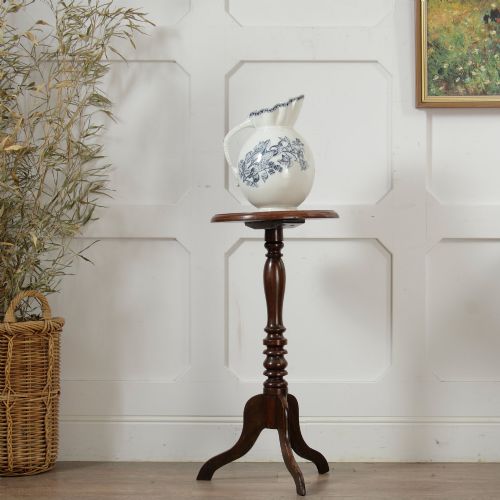
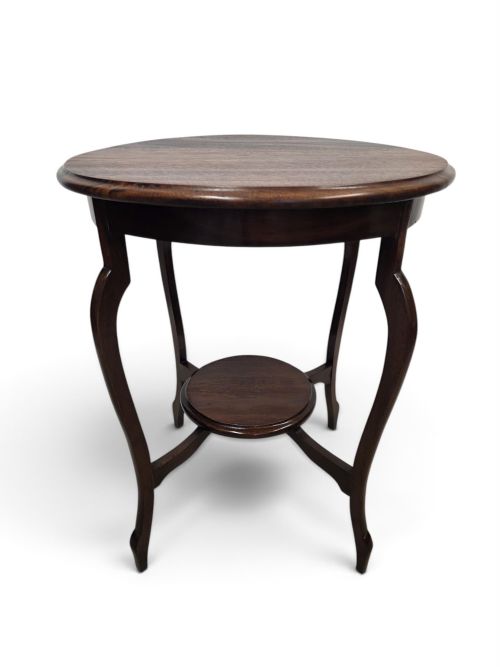
A mahogany plant stand table encompasses a variety of raised timber supports and small surfaces, spanning Georgian tripod urn stands down to Edwardian occasional lamp tables. When buyers search for a mahogany plant stand table, they frequently encounter multifunctional forms that double as wine tables, kettle stands, or converted corner washstands.
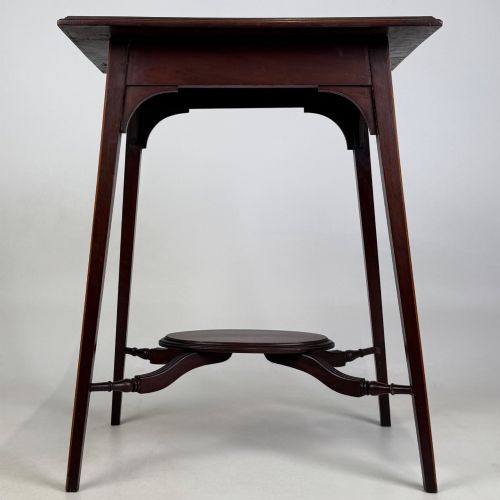
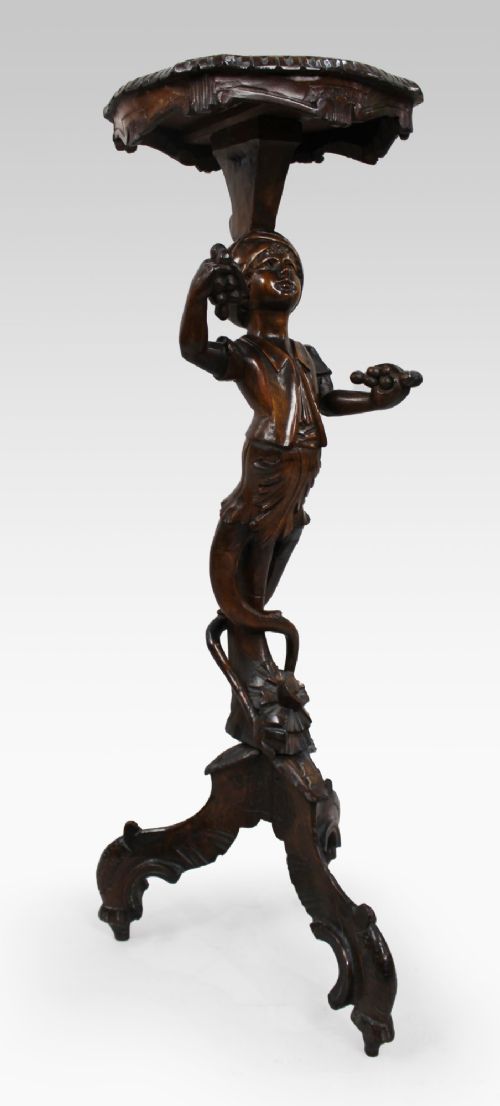
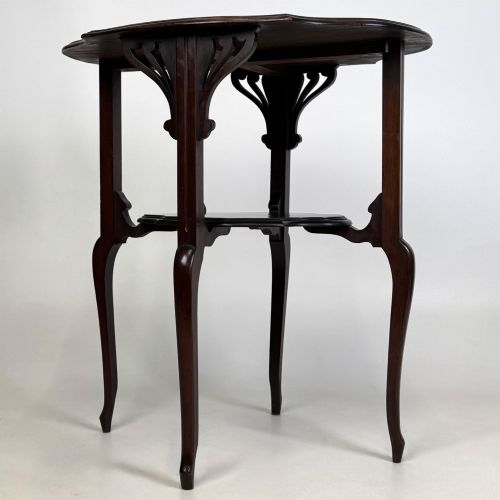
The pieces on this page originate from diverse eras, led by Edwardian and Victorian workshops alongside earlier Georgian examples. Forms range from simple circular tripod designs to shaped two-tier tables and adjustable display stands.
Makers from past decades adapted standard occasional furniture to hold plants, lamps, and decorative objects. This historical cross-pollination means many side tables, pedestals, and washstands share the exact proportions and timber characteristics sought in a plant stand today.
How they were made
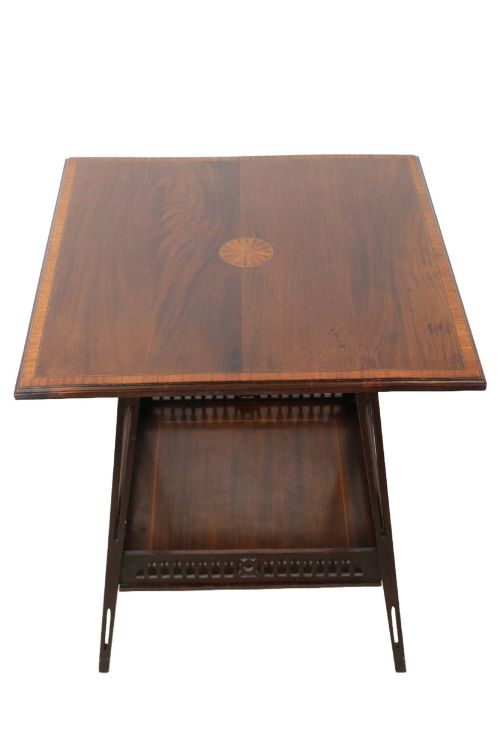
Makers built these tables primarily from solid and veneered mahogany, often selecting dense timber stocks for turned pedestals and tripod legs. Cabinetmakers added contrasting visual detail through boxwood and satinwood inlay, bringing linear patterns and geometric motifs to table tops and friezes.
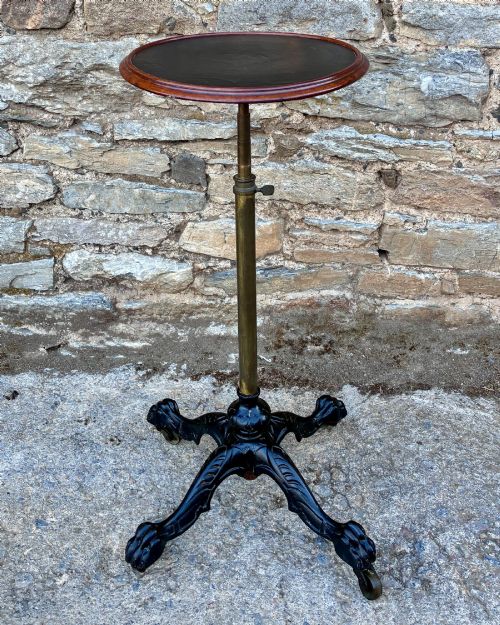
Selected pieces incorporate decorative metal elements such as cast brass feet, adjustable brass mechanisms, and gilded brass mounts. More elaborate tables integrated fitted rouge marble tops set into solid timber frames, reflecting French styles and classical proportions.
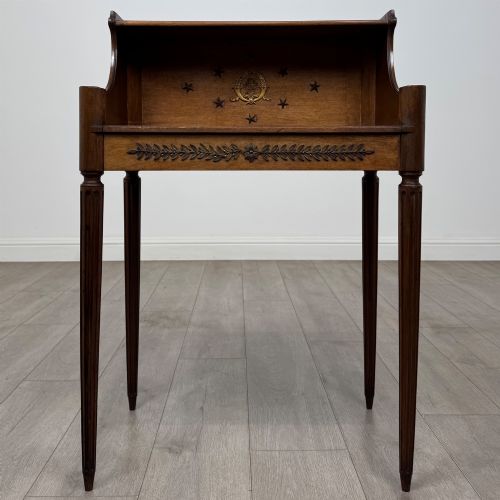
Several tables listed as plant stands began life holding washbasins in Victorian bedrooms before retiring to support ferns.
What varies in quality
Quality rests in the crispness of carved details on pedestals and legs, alongside the precision of inlaid wood banding. Finer examples display harmonious timber grain selection across the top and well-balanced structural proportions that remain steady under weight.
Joinery execution separates standard utility pieces from workshop-attributed items. Clean dovetailing, solid turning without excessive secondary timber repairs, and original brass fittings elevate the standing of any table.
Trevor Page & Co·Druce & Co London·Shapland and Petter·François Linke
The Mahogany Plant Stand Table Glossary
- Urn Stand
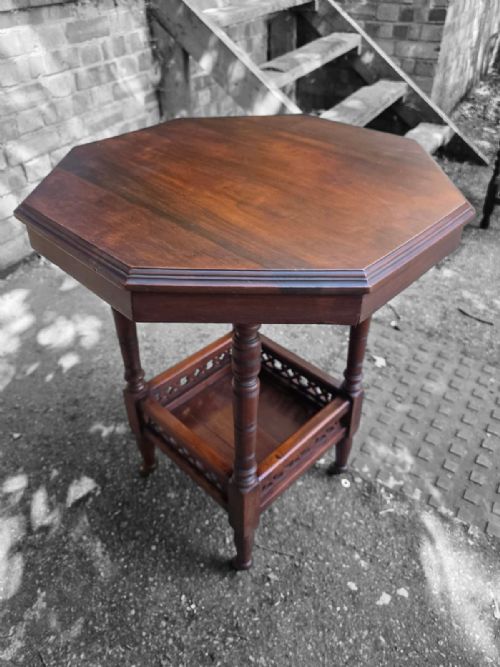
- A small, tall table designed specifically to hold a hot water urn or tea container during the eighteenth century. These pieces typically feature square or octagonal tops with raised edges.
- Torchere
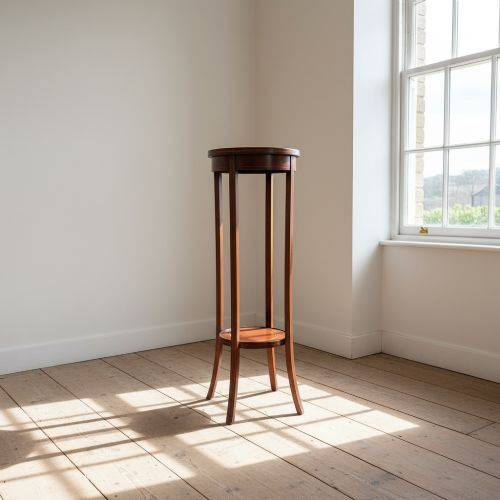
- A tall stand or pedestal originally intended to hold a candle or oil lamp. Victorian and Edwardian makers adapted these slender forms to serve as plant pedestals.
- Inlay
- A decorative technique where contrasting woods like boxwood and satinwood are inserted into recesses cut into the mahogany ground. This creates flat geometric or floral patterns across the surface.
- Tripod Table
- A small table supported by a central pillar resting on three spreading feet. This construction ensures stability on uneven floors.
- Washstand
- A piece of bedroom furniture fitted with basins or shelves, frequently converted into plant stands or lamp tables by modern collectors.
Mahogany Plant Stand Table: Frequently Asked Questions
What is a mahogany plant stand table used for?
These tables provide a raised, stable surface for heavy potted plants, porcelain urns, and reading lamps. Their compact footprints allow them to fit into neglected corners or beside seating without crowding a room.
Historically, similar small tables held tea equipment, kettles, or washing basins before transitioning into general display use. Today, they function primarily as versatile accent furniture throughout domestic interiors.
How do I date a mahogany plant stand table?
Dating relies on observing construction methods, timber choice, and stylistic cues present in the legs and top. Georgian examples often show crisp hand-carving and understated cockbeading, while Edwardian pieces frequently feature delicate wood inlay and lighter proportions.
Cabinetmaker stamps, paper labels underneath, and screw types also offer concrete clues to age. Comparing the turned pedestals to documented pieces from specific decades helps narrow the manufacturing period.
Are these tables sturdy enough for heavy plants?
Most antique tripod and pedestal tables possess adequate structural integrity to support substantial ceramic pots and heavy lamp bases. The three-legged tripod design naturally self-levels on uneven antique floorboards.
However, delicate inlaid occasional tables with slender legs require careful placement away from high-traffic areas. Checking the tightness of the central pillar joint ensures the top remains level under load.
What is the difference between a wine table and a plant stand?
Wine tables and plant stands share nearly identical forms, featuring a central pillar, a small circular or oval top, and tripod feet. Wine tables historically held glassware and bottles during evening gatherings.
Plant stands often feature slightly taller proportions or reinforced tops designed to withstand moisture and heavy loads. Many listings describe the exact same piece of furniture interchangeably as a wine table, lamp table, or plant stand.
How should I care for antique mahogany timber?
Maintaining antique mahogany involves keeping pieces away from direct heat sources and strong sunlight that can fade the wood. Regular dusting with a soft, dry cloth preserves the finish without building up heavy wax residues.
Occasional applications of traditional beeswax nourish the timber grain and enhance its natural deep colour. Avoiding excessive moisture on the surface protects both the solid mahogany and any delicate inlay work.