
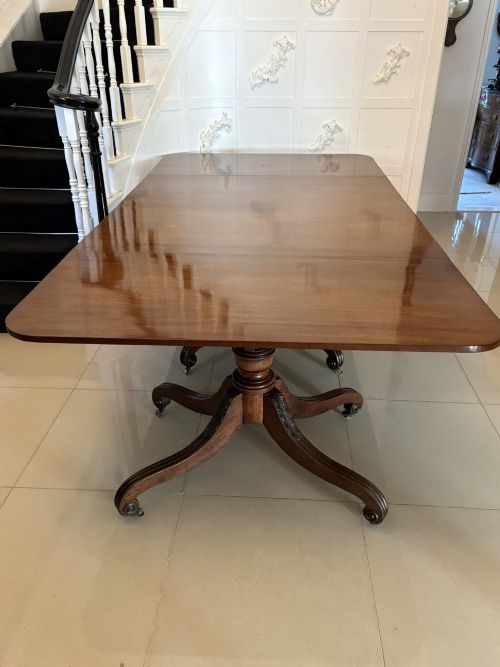
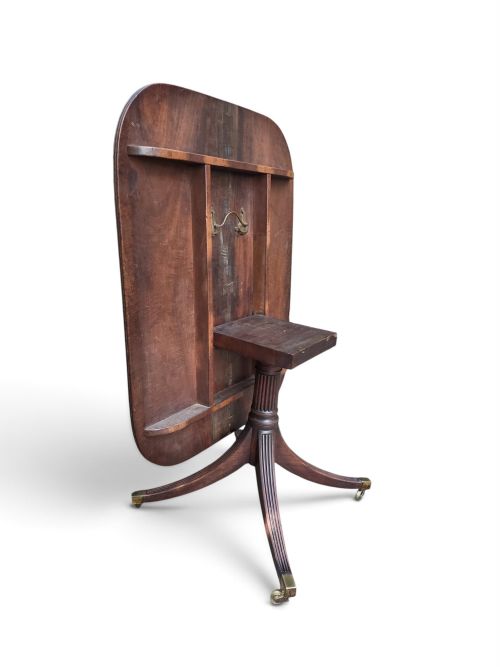
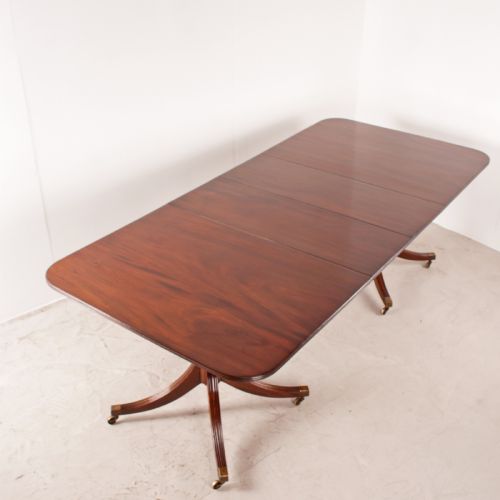
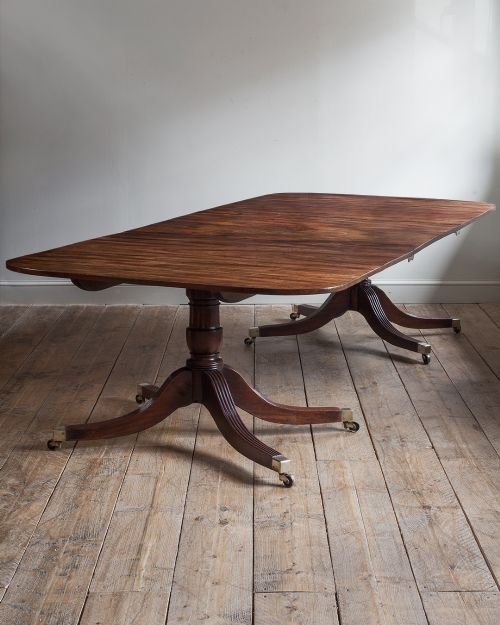
Mahogany Pedestal Table Castors
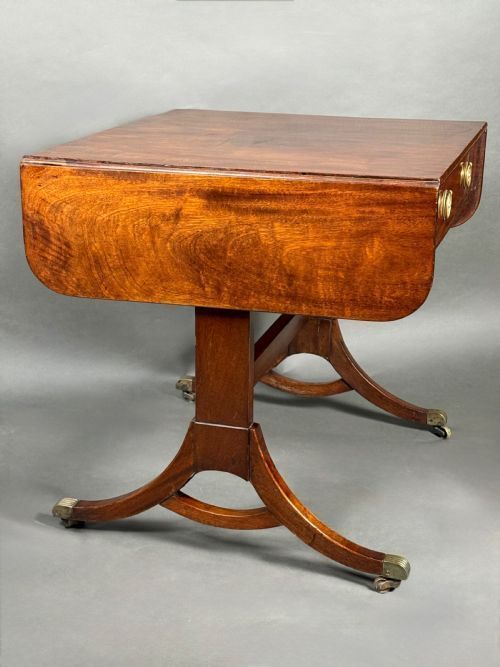
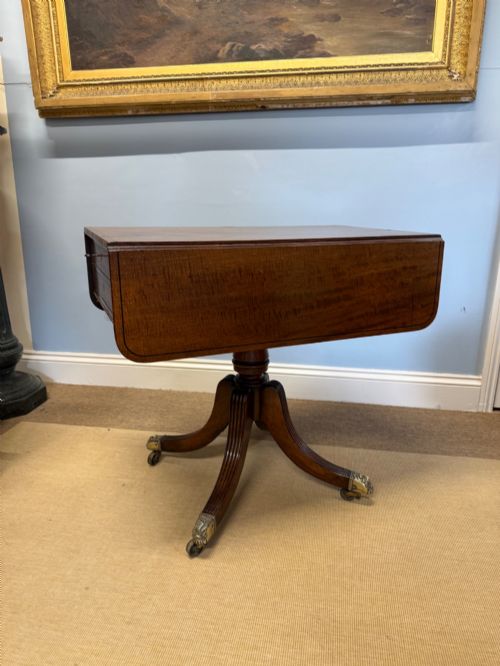
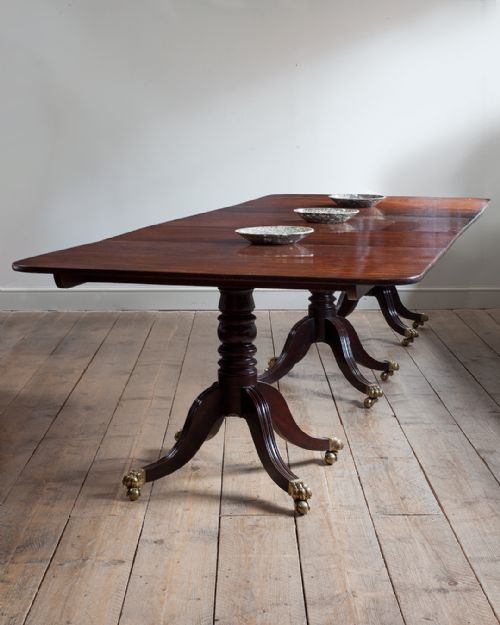
Mahogany pedestal table castors are functional brass fittings beneath pillar-supported furniture, and a collector seeks these period items for authentic mobility and historical completeness.
Mahogany Pedestal Table Castors
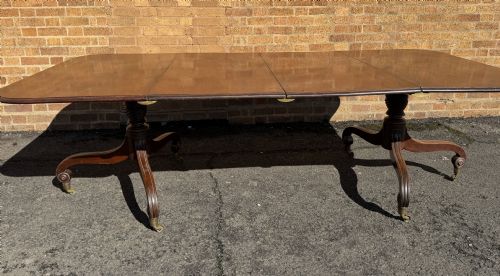
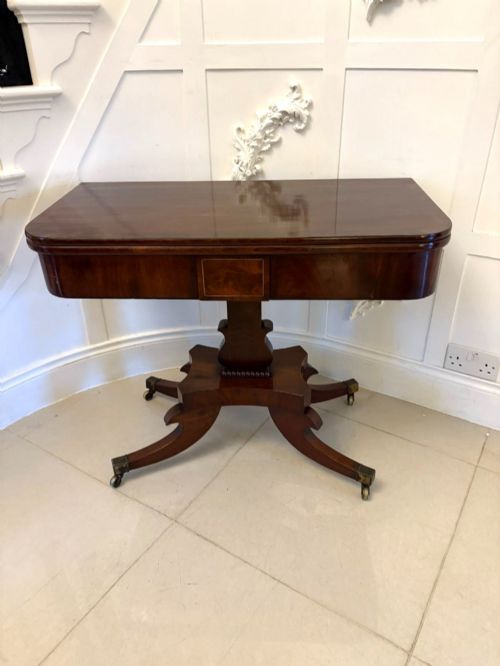
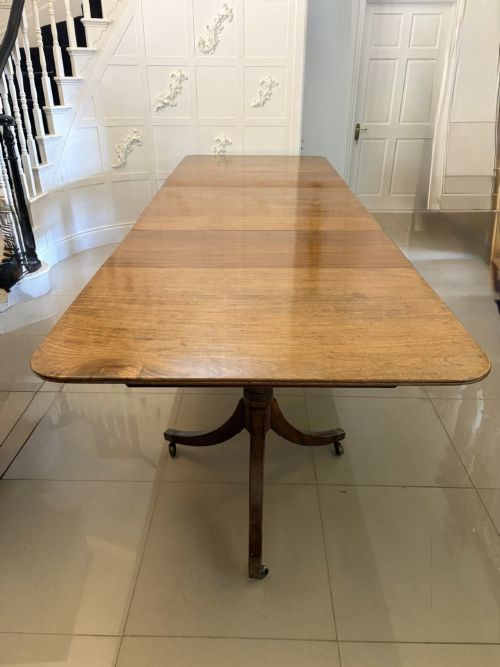
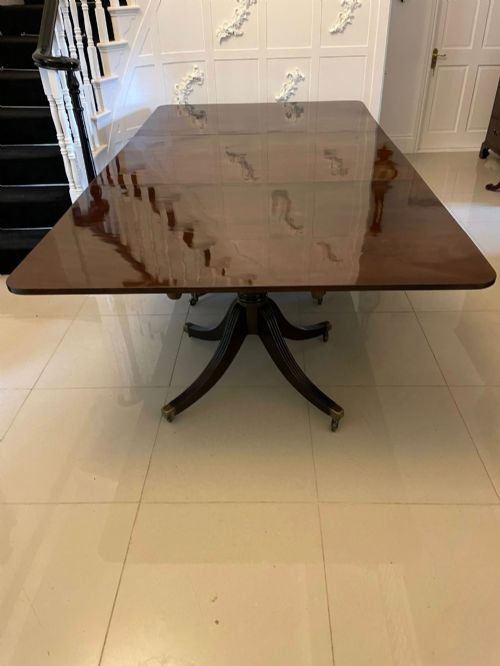
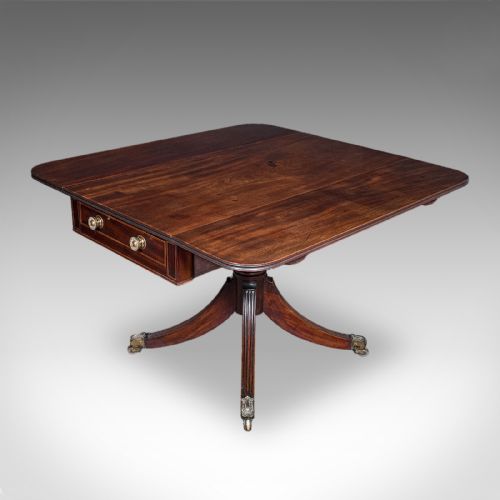
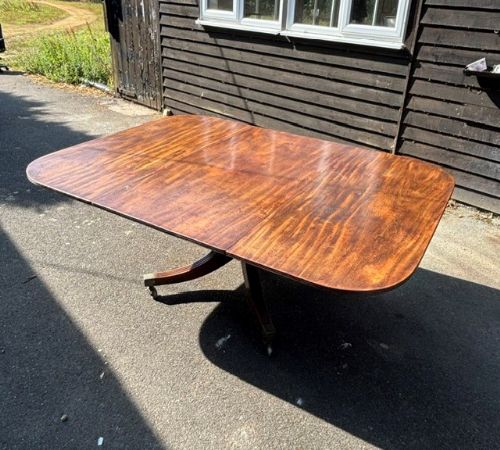
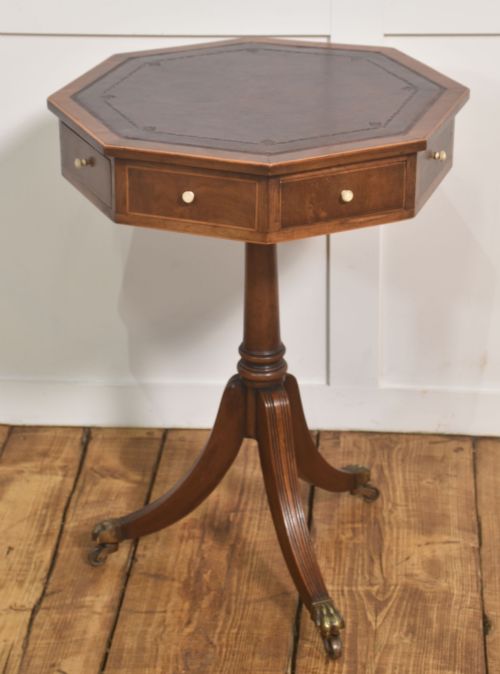
Mahogany pedestal table castors appear on pillar-supported dining tables, breakfast tables, and drum tables originating from the Georgian, Regency, and Victorian eras. These brass and metal fittings support heavy timber legs while allowing large furniture to move across floors.
Materials and construction
Makers fashioned these utilitarian items primarily from cast brass, attaching them to the feet of timber pedestals using metal pins or screws. The surrounding furniture utilises solid mahogany, flame mahogany, and rosewood veneers over secondary woods.
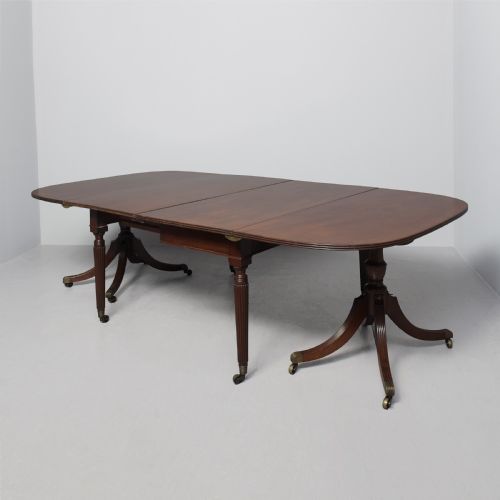
Joinery techniques on the tables themselves involve stable pillar constructions, sometimes combined with drop-leaf mechanisms, tilt-top actions, or extending leaves supported by multiple pedestals.
Listings feature woods including mahogany, flame mahogany, rosewood, satinwood, and boxwood inlay alongside brass hardware.
Factors determining quality
The distinction between ordinary and superior pieces rests on the weight and crispness of the cast brass fittings alongside the figuring of the mahogany timber. Heavier, well-defined metalwork paired with dense flame mahogany indicates superior workshop production.
Originality of components defines the upper tier of the range, where brass castors remain unaltered alongside the table base. Subtle details such as boxwood and satinwood inlay or precise turning on the centre columns elevate the standard of the piece.
Gillows of Lancaster·Thomas Butler of London·Whytock and Reid
The Mahogany Pedestal Table Castors Glossary
- Castor
- A small wheel or roller fixed to the bottom of a piece of furniture to allow easy movement. These are frequently cast in brass on nineteenth-century tables.
- Pedestal
- A central vertical support pillar holding up the weight of a table top. This form replaces traditional four-leg corners on many dining and breakfast tables.
- Tilt-top
- A hinged table mechanism allowing the top to pivot to a vertical position when not in use. This saves space in domestic interiors.
- Flame mahogany
- A decorative veneer cut from timber fork sections exhibiting striking flame-like grain patterns. It decorates the surfaces of high-status tables.
- D-end
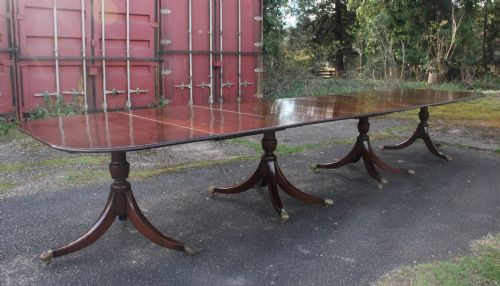
- A semi-circular table end resembling the letter D, often used in modular dining table sets. These sections join together to form long banquet surfaces.
Mahogany Pedestal Table Castors: Frequently Asked Questions
What periods do these tables represent?
The inventory spans the eighteenth, nineteenth, and early twentieth centuries, encompassing Georgian, Regency, William IV, and later revival eras.
Craftsmen built these pillar tables using mahogany and brass hardware characteristic of each successive decade.
How were pedestal tables used historically?
Dining tables served large households for formal meals, often extending with multiple pillars to accommodate numerous guests.
Smaller tables functioned as tea, card, or breakfast tables placed in parlours and libraries for daily domestic activities.
Are the castors usually original?
Many tables retain their period brass fittings, though some pieces receive replacement hardware during later maintenance.
Close inspection of the screw holes and metal patina helps determine whether the castors date to the original manufacture of the table.
How do I care for mahogany furniture?
Wood surfaces respond best to regular dusting with a soft cloth and occasional applications of traditional beeswax.
Keep these tables away from direct heat sources and strong sunlight to prevent the timber and veneers from drying out.