
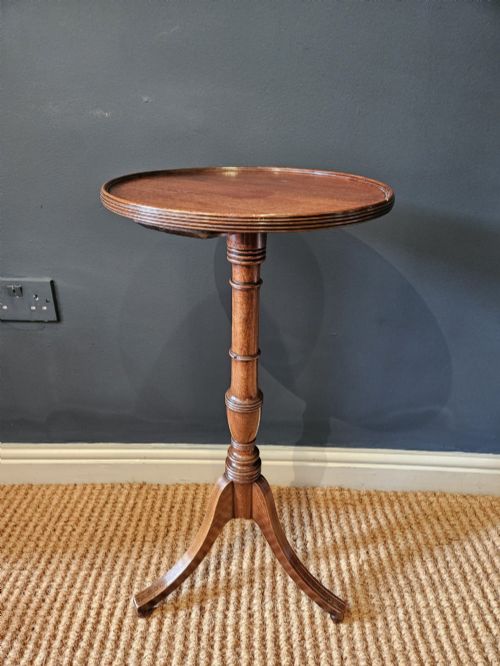
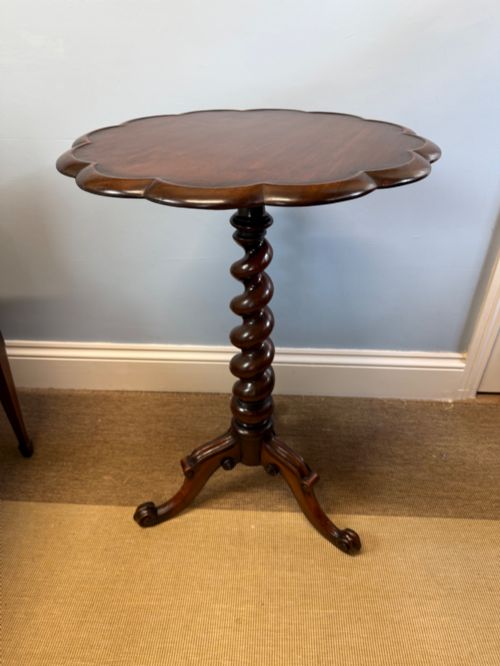
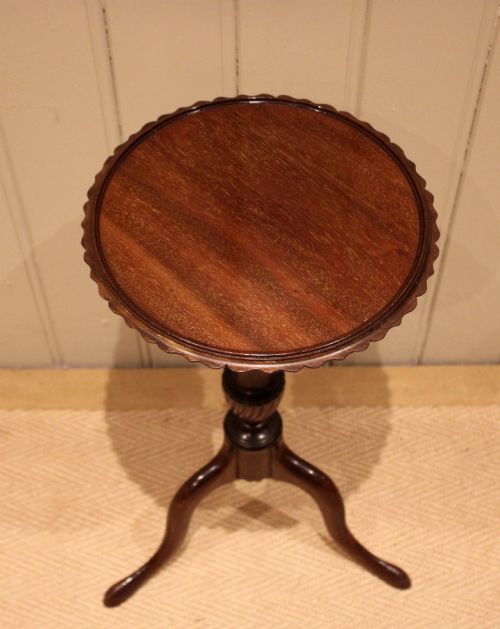


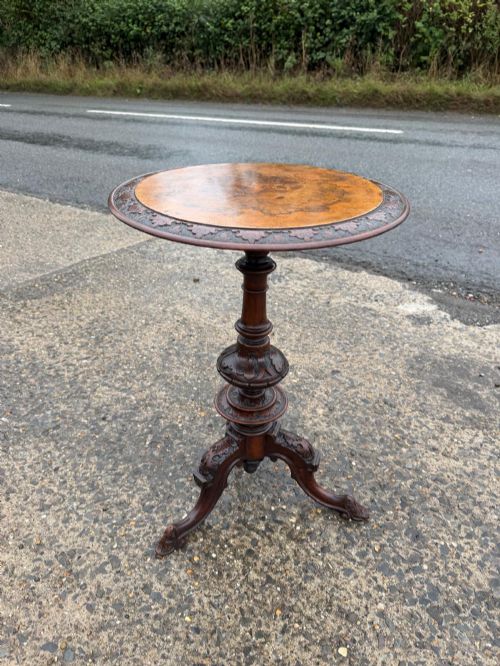
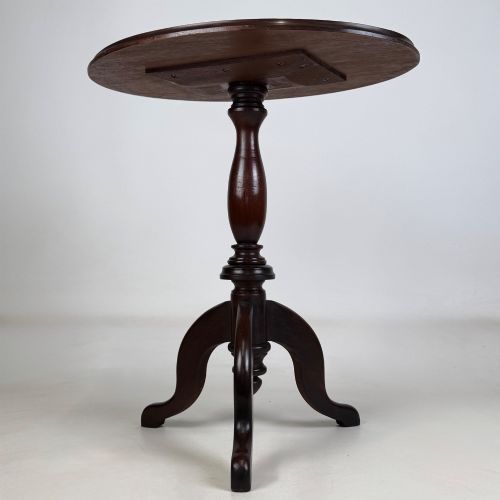
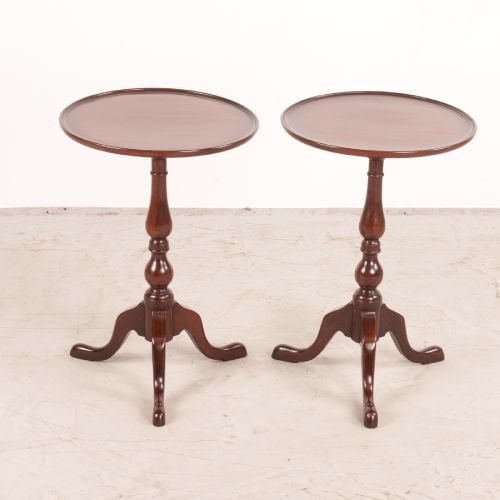
Mahogany Pedestal Standing Lamp
A mahogany pedestal standing lamp brings warmth and functional elegance to a room, offering a slender column base designed to hold illumination or smaller objects.
Mahogany Pedestal Standing Lamp
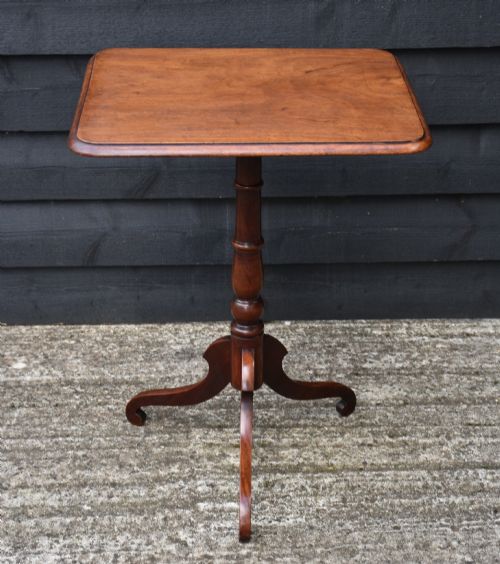
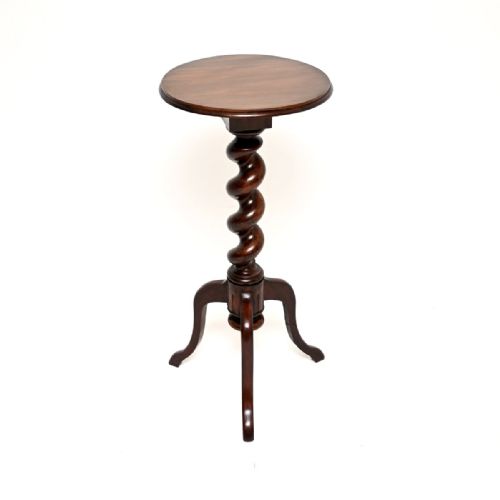
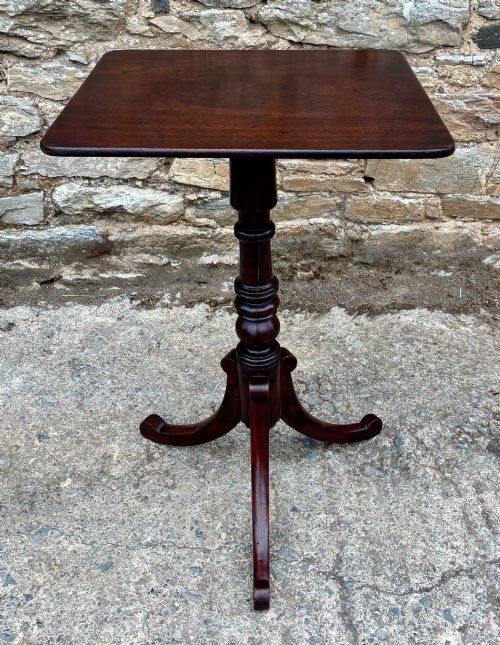
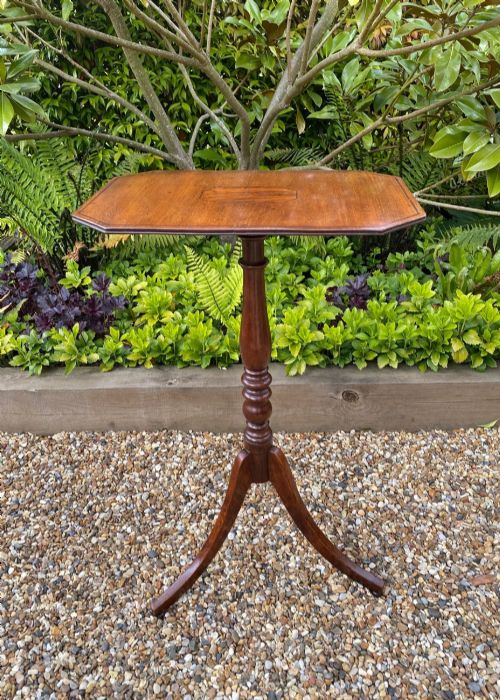
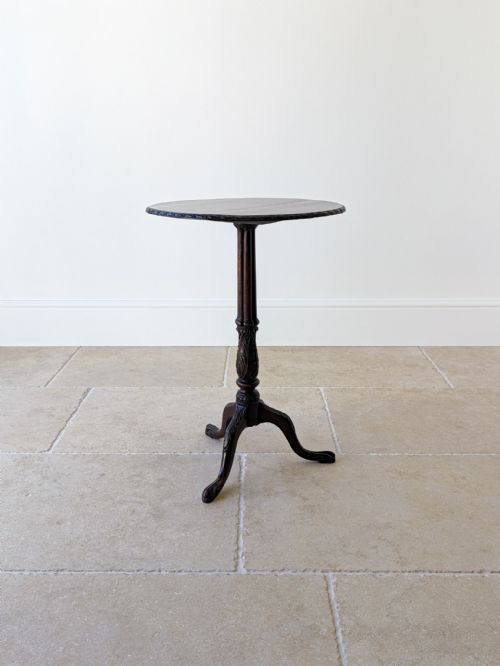
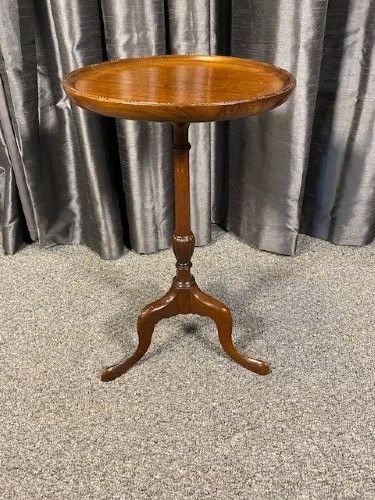
When searching for a mahogany pedestal standing lamp, buyers encounter a variety of small tables, wine tables, and occasional stands rather than tall floor lighting fixtures. These forms share a central pedestal support, often resting on a tripod base, which allows them to occupy minimal floor space while providing a stable surface.
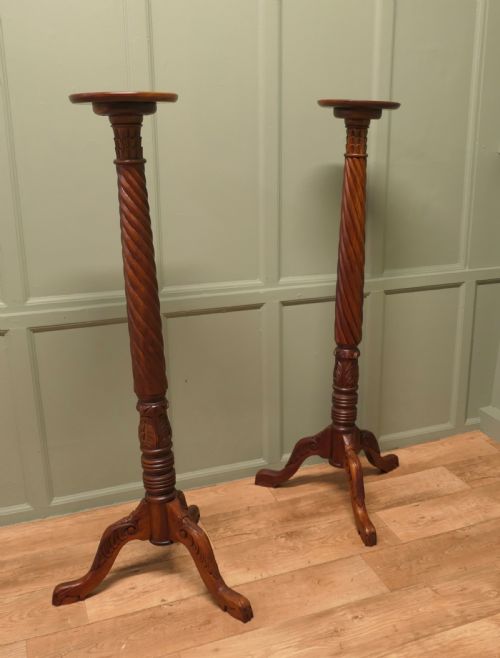
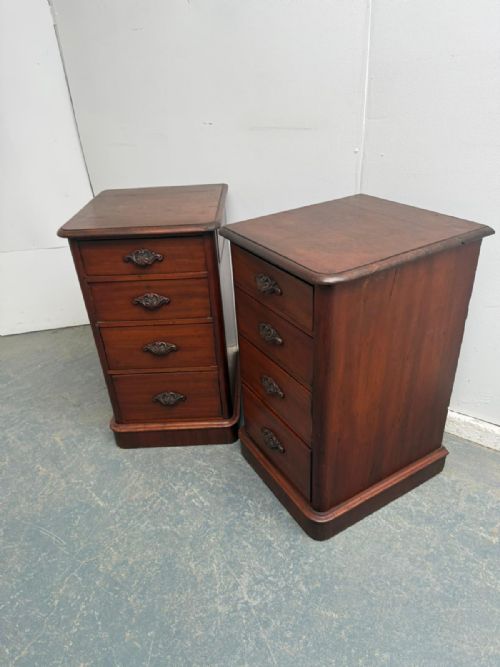
The pieces listed on this page span several distinct eras, with nineteenth-century examples and Georgian or Regency pieces appearing frequently alongside Edwardian variations. Alongside traditional wine tables and lamp tables, the selection includes occasional tables, bedside cabinets, and torchere stands.
Makers and craftsmen utilised the rich grain of mahogany to create these functional items, frequently pairing the primary timber with rosewood, brass, or marble top inserts. This variety ensures that each pedestal table serves both a practical role and a decorative purpose within a room.
What varies in quality
The distinction between standard examples and superior pieces rests on the selection of timber, particularly the choice of figured flame mahogany or burr wood for the top. Master craftsmen demonstrated greater skill in the carving of tripod legs, claw feet, and pedestal columns, achieving more harmonious proportions.
Execution of detail defines the finer items, such as shaped pie crust rims, dishtops turned from single boards, and the integration of brass or marble elements. Original patination and minimal structural intervention preserve the character that separates workshop output from ordinary production.
Listings feature eighteenth-century George III pieces alongside nineteenth-century Victorian and Edwardian examples, utilising mahogany, rosewood, walnut, and marble.
Druce & Co London·WMF
The Mahogany Pedestal Standing Lamp Glossary
- Tripod table
- A small freestanding table supported by a central pillar resting on three legs. These designs became popular during the eighteenth century for serving wine or holding candles.
- Wine table
- A compact occasional table with a small circular or oval top, designed originally to hold a single glass or bottle. They often feature tilt mechanisms to save space when not in use.
- Torchere
- A tall, slender stand or pedestal originally intended to support a candlestick or oil lamp. They frequently incorporate decorative carving or figural metalwork.
- Tilt top
- A tabletop mounted on a hinge mechanism that allows the surface to pivot into a vertical position. This construction enabled easy storage against a wall when the room was cleared.
- Flame mahogany
- A veneer cut from the fork of the mahogany tree where the branch meets the trunk. This process produces a distinctive, flickering flame-like grain pattern prized by cabinetmakers.
Mahogany Pedestal Standing Lamp: Frequently Asked Questions
What is a wine table used for?
A wine table provides a compact surface designed to hold a single glass or small object beside a chair. Their small footprint allows them to fit easily into tight spaces.
Historically, these tables were moved around rooms as needed for evening gatherings. Today, they function well as lamp stands or decorative accent pieces.
How do I identify a Georgian pedestal table?
Georgian pedestal tables typically feature solid mahogany construction with hand-turned central columns and tripod legs ending in pad or claw-and-ball feet. The timber exhibits a deep, mature colour accumulated over centuries.
Construction methods on these pieces involve traditional joinery without modern metal fasteners. Examining the underside often reveals peg joints and hand-cut elements.
Where should I place a torchere stand?
A torchere stand works best in corners or empty wall spaces where its height can add vertical interest to a room. They provide an elevated platform for display without crowding the floor.
These pieces pair effectively with small sculptures, lamps, or potted plants. Their slender proportions mean they do not overpower surrounding furniture.