
Mahogany Pedestal Centre Table
A mahogany pedestal centre table anchors a room with balanced proportions and rich timber grain.
Mahogany Pedestal Centre Table
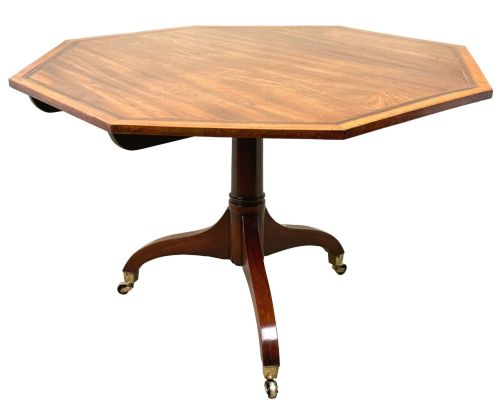
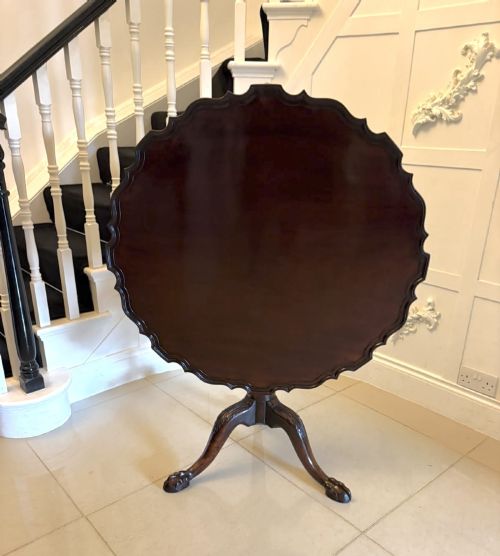
A mahogany pedestal centre table stands freely in a room rather than against a wall, designed to be viewed from all sides. These pieces range from compact circular tilt-top breakfast tables to large dining and library tables supported by a central column or tripod base.
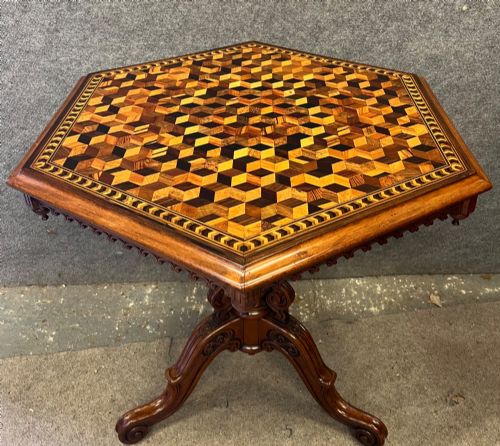
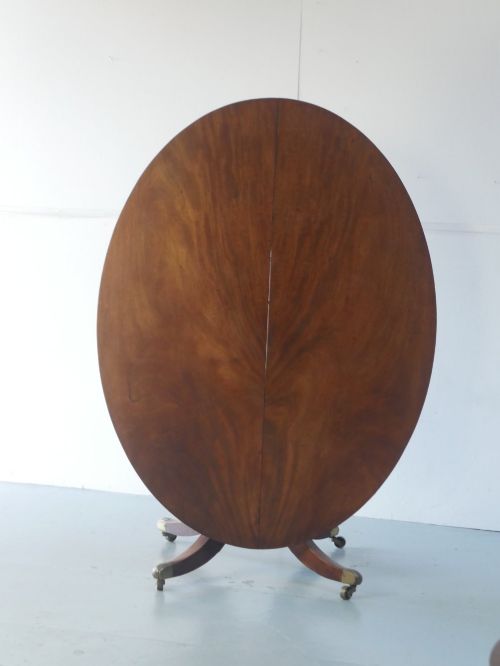
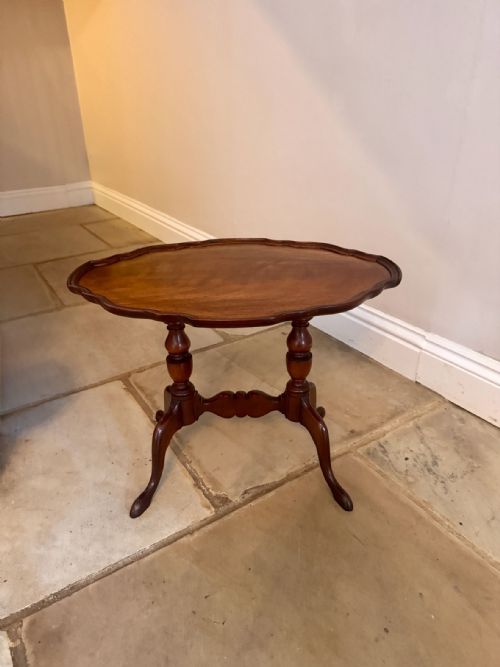
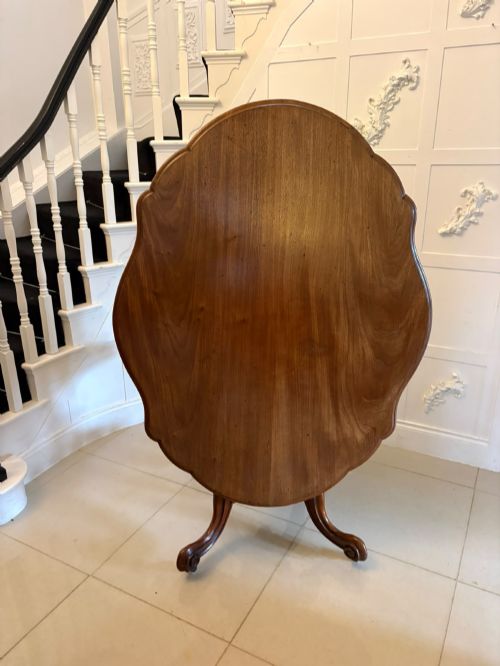
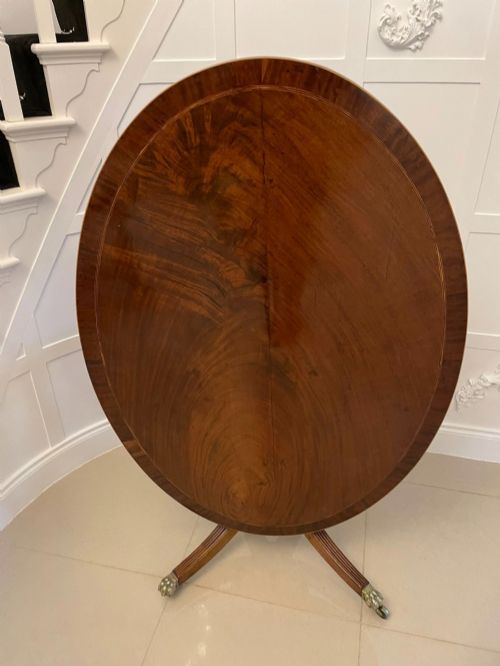
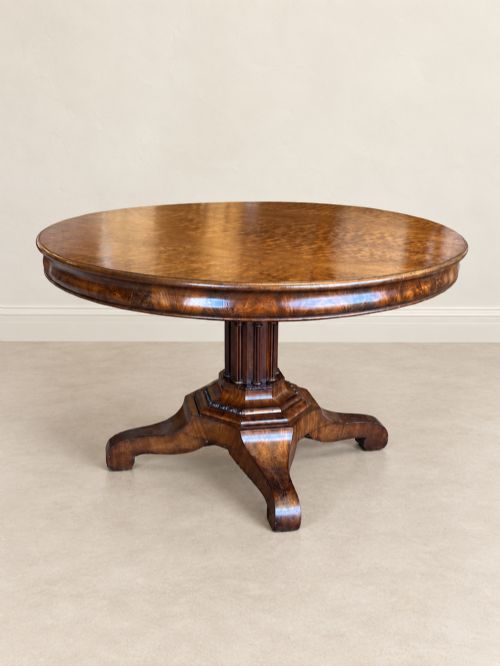
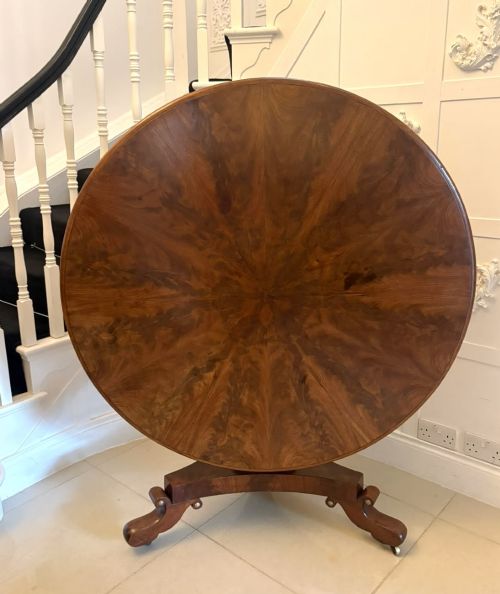
The pieces appearing on this page span the Georgian, Regency, William IV, and Victorian periods, alongside later revival styles. Circular and oval tops dominate the selection, frequently featuring figured mahogany or flame mahogany veneer.
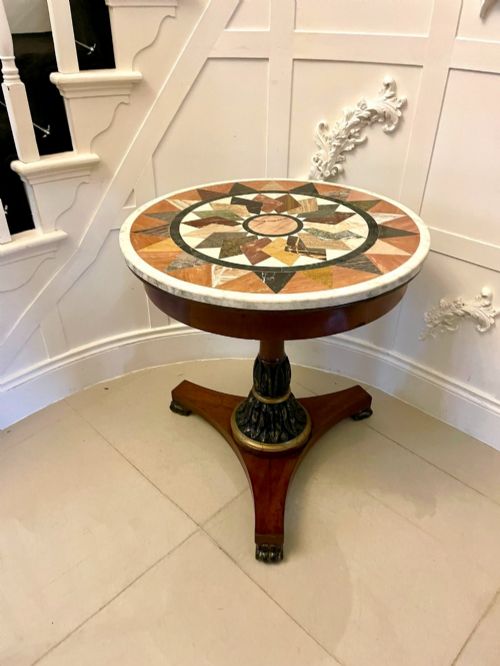
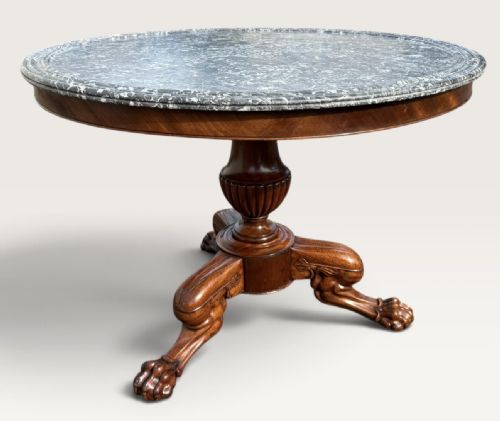
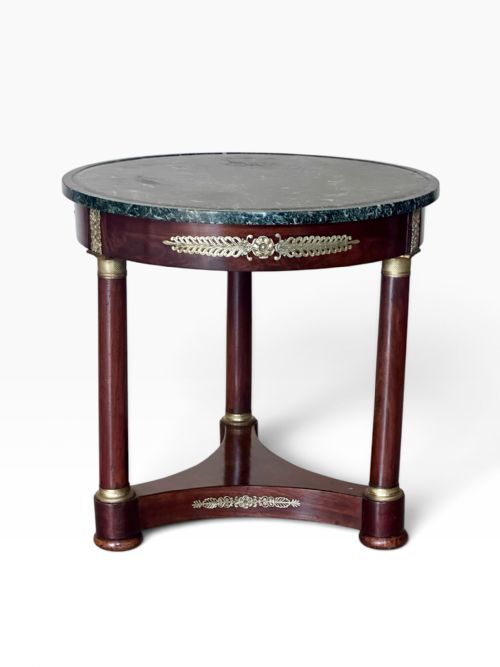
Makers and designers from these eras utilised solid timbers and sophisticated pedestals, incorporating brass castors and tripartite or tetrapod bases. French gueridon tables with marble tops also feature heavily among the current and archive listings.
How They Were Made
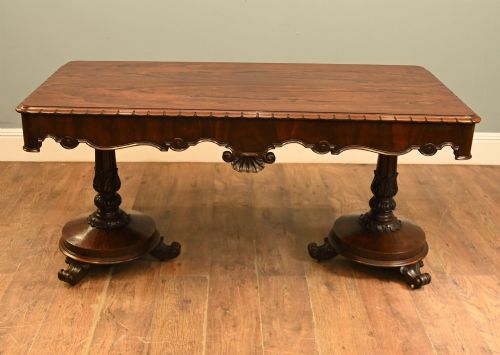
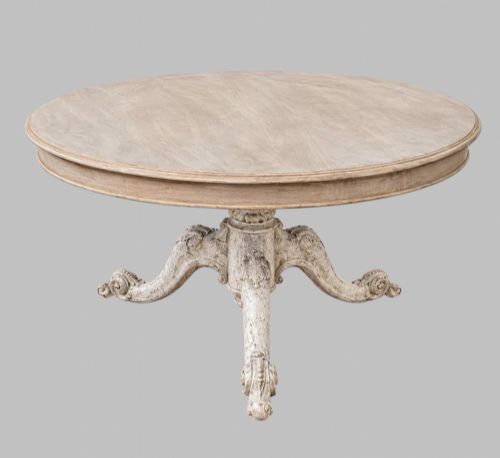
Cabinet makers constructed these tables using solid mahogany or applied flame mahogany veneer over secondary timbers to create rich visual depth on the top surface. Pedestals frequently took the form of turned central columns or carved triform bases resting on scroll feet.
Selected examples incorporate inset leather surfaces, marble slabs, or intricate brass inlay, while tilt-top mechanisms utilise timber catches and brass pivot hinges. French gueridons often pair heavy mahogany frames with veined marble inserts fitted directly into the circular wooden rim.
Tables tilt upward to save floor space, anticipating modern folding furniture by two centuries.
What Varies in Quality
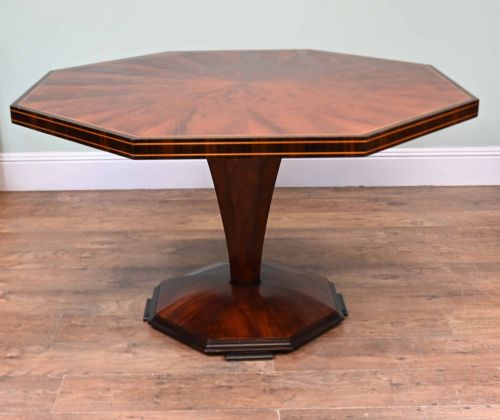
The selection of timber grain sets apart standard examples from exceptional pieces, particularly where symmetrical flame mahogany or figured boards create distinct patterns across the tabletop. The crispness of carved details on the pedestal base and the proportional weight of the central column relative to the top determine overall visual harmony.
Joinery execution at the junction where the pedestal meets the legs and the tabletop remains a key indicator of workshop skill. Original patination and the survival of secondary elements such as brass castors or fitted leather panels contribute significantly to the standing of an individual table.
Gillows·Williams and Gibton·M.Willson
The Mahogany Pedestal Centre Table Glossary
- Gueridon
- A small French freestanding table, often round, supported by a central pillar or columns. These frequently feature marble tops and mahogany veneer.
- Tilt-top
- A hinged tabletop mechanism allowing the surface to fold vertical when not in use. This clever design saved valuable floor space in nineteenth-century interiors.
- Flame mahogany
- A distinct timber figure resembling flickering flames, achieved by cutting through the branch junctions of the tree. Cabinet makers reserved this prized veneer for primary display surfaces.
- Triform base
- A three-sided support structure radiating from the central pedestal column. This formation provided stable footing for heavy circular dining and breakfast tables.
- Drum table
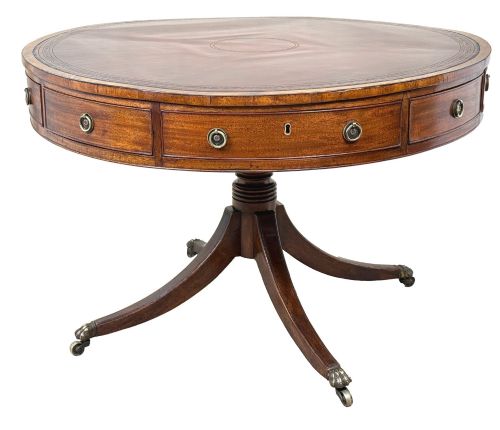
- A deep circular library table containing drawers around the perimeter. These pieces usually stand on a robust central pillar with splayed wooden legs.
Mahogany Pedestal Centre Table: Frequently Asked Questions
What is a pedestal centre table?
A pedestal centre table is a freestanding piece designed to sit in the middle of a room rather than against a wall. It relies on a central column or pillar base to support the top.
These tables were used for breakfast, dining, or displaying decorative objects in the principal rooms of large houses. Their accessible perimeter made them versatile for daily domestic life.
How do I date a mahogany table?
Dating relies on examining the timber species, construction methods, and stylistic cues from periods like Regency or Victorian. The joinery beneath the tabletop and the turning of the pedestal offer clear chronological indicators.
Archive records and listed pieces show distinct shifts from the lighter George III designs to heavier William IV proportions. Hardware such as brass castors also helps narrow down the decade of manufacture.
How do I care for a mahogany surface?
Maintaining antique mahogany requires keeping the timber away from direct heat sources and sudden humidity changes. Regular dusting with a soft, dry cloth preserves the finish without building up greasy residues.
Applying occasional appropriate wax feeds the grain and protects the historic patina. Avoiding harsh modern cleaning chemicals ensures the original polished surface remains intact.