
Mahogany Music Holder
These mahogany music holder pieces offer practical elegance for sheet scores and periodicals, sought after for their rich timber and functional design.

Mahogany Music Holder
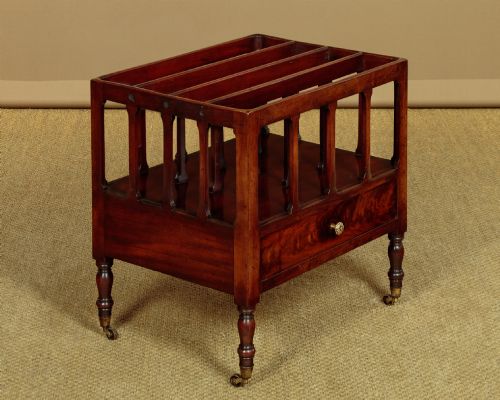
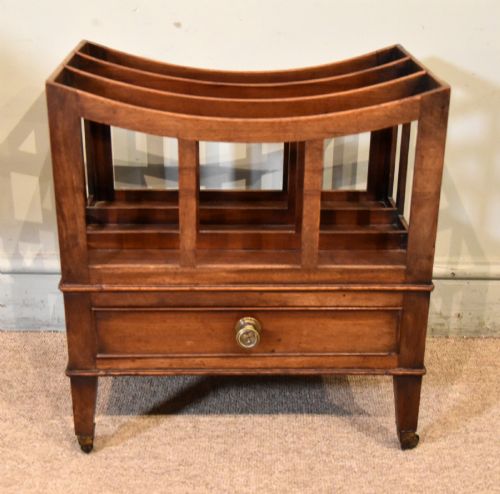
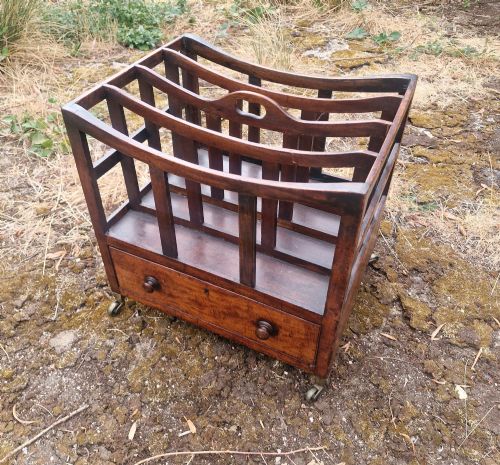
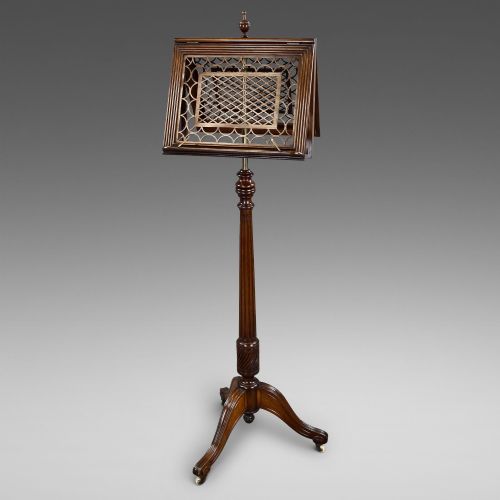
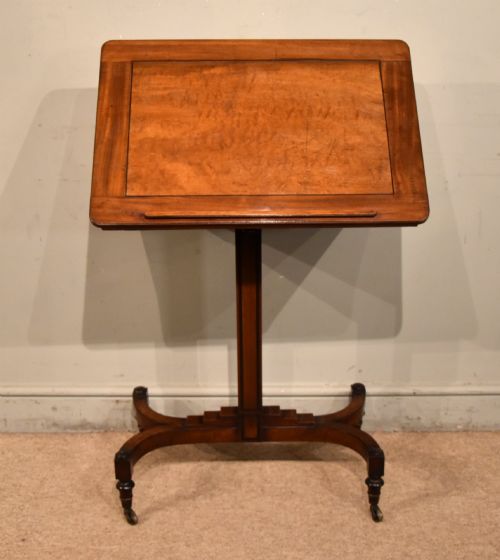
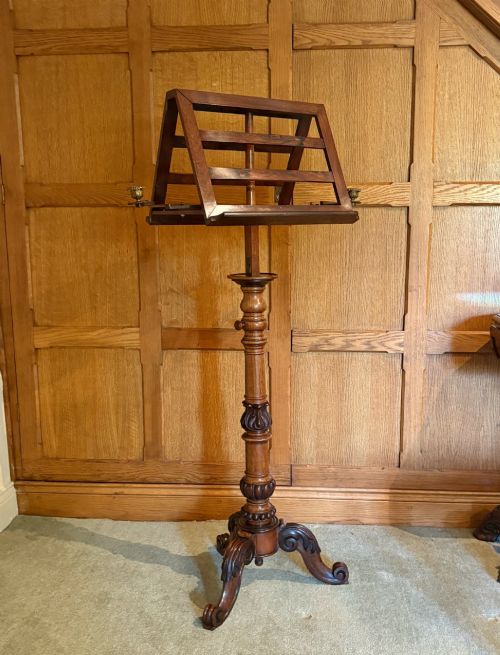
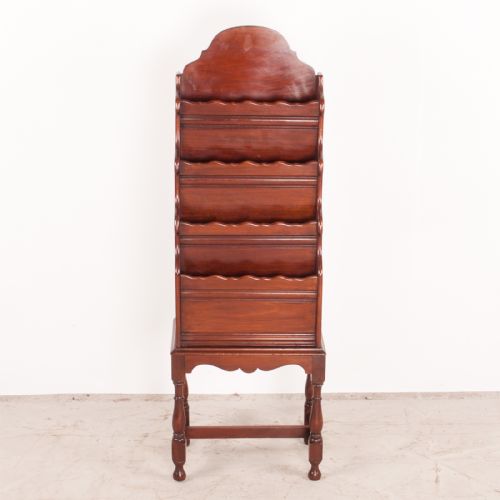
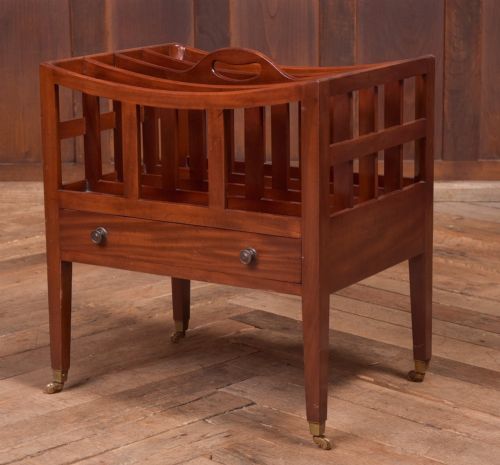
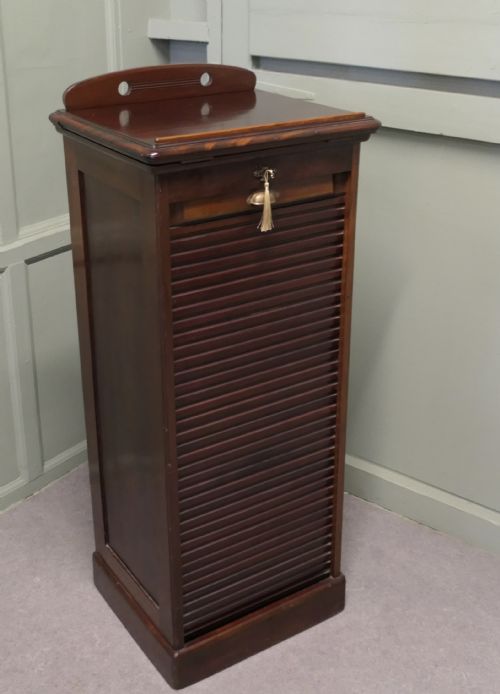
When you search for mahogany music holder, you encounter items designed to store scores, folios and periodicals in domestic interiors. The selections span form types such as canterburys, magazine racks and music stands originating from Georgian, Regency, William IV, Victorian and Edwardian periods.
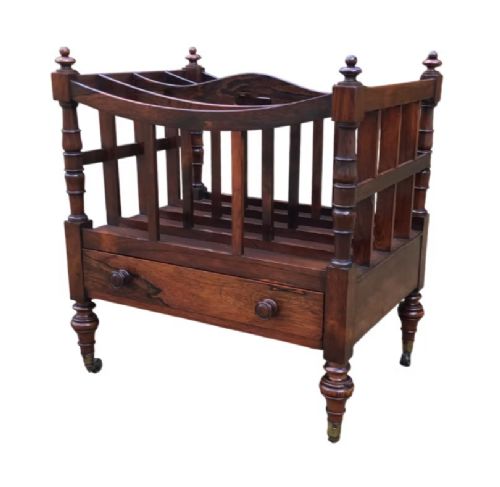
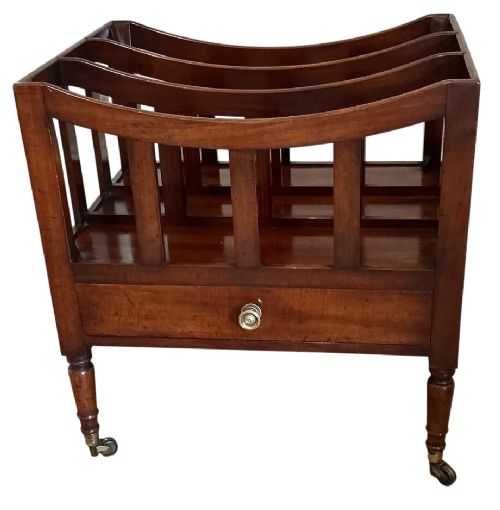
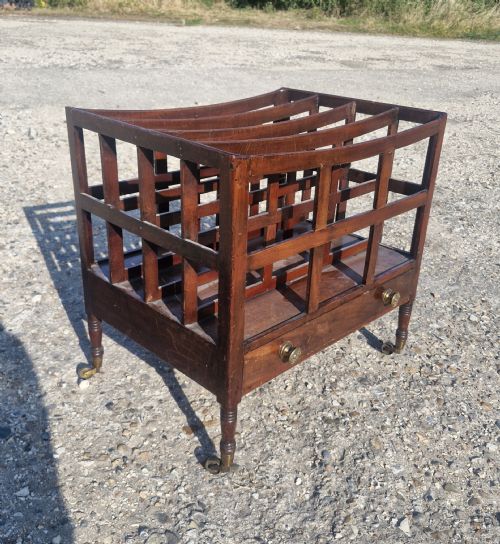
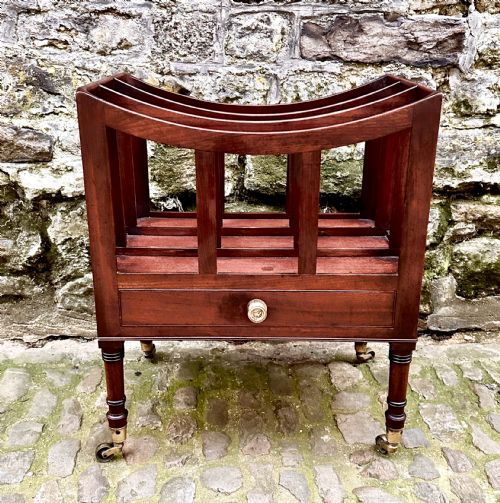
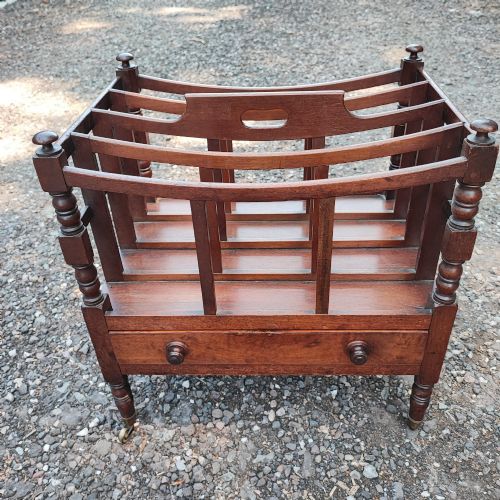
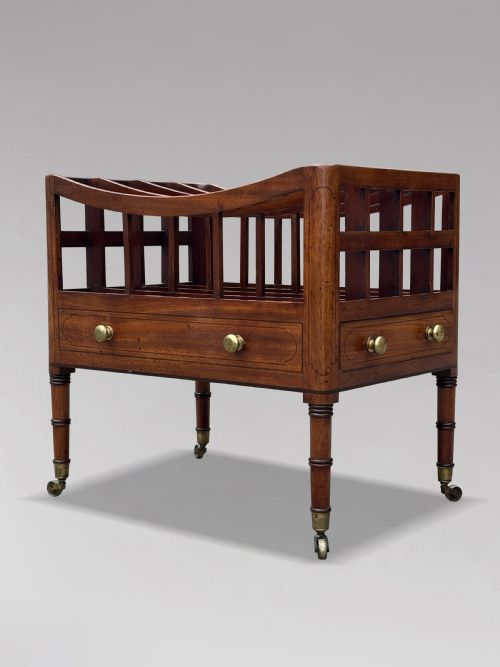
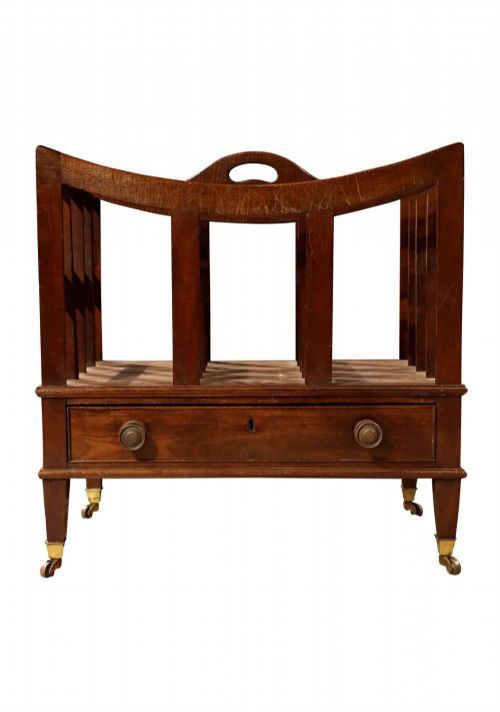
You are most likely to meet the canterbury version on this page, often featuring vertical partitions for holding sheet music upright alongside a low drawer. These items combine timber display with practical compartment storage, reflecting the musical habits of nineteenth-century households.
How they were made
Cabinet makers utilised solid mahogany and Cuban mahogany, sometimes selecting figured timbers to enhance the visual grain across panels and partitions. Brass fittings, cast iron mechanisms and castors appear on stands and tables to provide mobility and adjustable support.
Inlay work incorporating satinwood and ebony accents details specific surfaces, while turned legs support the framework. Joinery methods connect upright divisions to low bases, accommodating weight from heavy bound volumes.
Early musicians relied on these compartmentalised stands to keep their sprawling sheet music collections from cascading across the floor.
What varies in quality
The degree of refinement in timber selection and decorative detail separates examples across periods. Pieces displaying carefully matched grain patterns, precise inlay work and substantial brass castors sit apart from simpler utility items.
Structural integrity of the vertical partitions and the smooth operation of adjustable reading mechanisms or fitted drawers distinguish finer workshop output from standard production.
GILLOWS
The Mahogany Music Holder Glossary
- Canterbury
- A low stand with upright partitions designed for holding sheet music, folios or magazines. It frequently incorporates a single drawer beneath the main tier.
- Duet stand
- A music stand configured to hold two open scores simultaneously for shared playing. These often feature adjustable height mechanisms and pivoting desks.
- Cuban mahogany
- A dense, dark timber harvested in the Caribbean and utilised for fine cabinet making. Its heavy weight and rich patina distinguish it from later varieties.
- Lyre-form
- A decorative motif shaped like an ancient musical instrument, frequently incorporated into the central support of music stands and reading tables.
Mahogany Music Holder: Frequently Asked Questions
What is a mahogany music holder?
A mahogany music holder encompasses items like canterburys, magazine racks and adjustable stands built to store and display scores.
These pieces use timber construction to organise domestic sheet music collections.
How were canterburys used originally?
Canterburys kept sheet music and folios upright near pianos and music rooms for easy access during practice.
Lower drawers provided additional storage for smaller accessories and smaller manuscripts.
How do I identify a Regency period piece?
Regency items often display classical proportions, boat-shaped frames, turned legs and brass castors.
Makers during this era focused on clean lines and rich timber grain.
Where should I place a music stand?
Music stands suit living spaces or studies where their adjustable desks can display open books or scores.
Freestanding designs work well positioned near seating areas or against panelled walls.