
Mahogany Music Furniture
Mahogany music furniture brings together solid timbers, clever compartments, and practical stands designed to hold scores, folios, and periodicals with elegance.
Mahogany Music Furniture
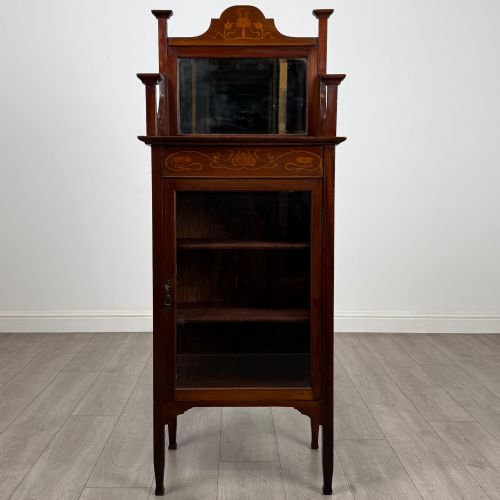
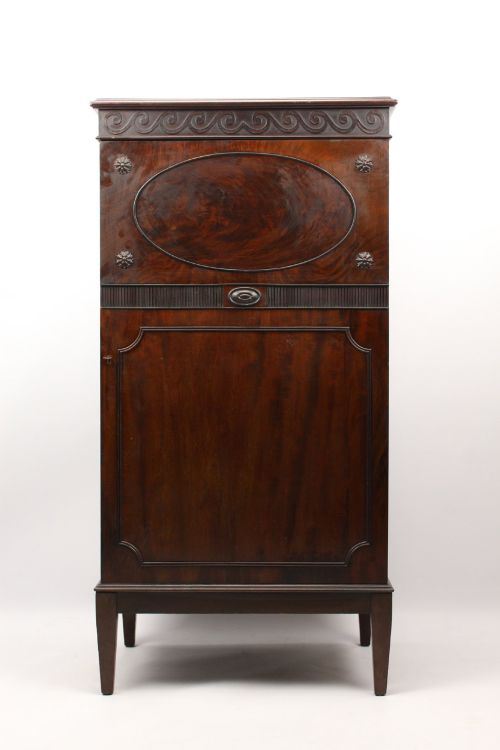
When searching for mahogany music furniture, buyers encounter a specialised selection of objects intended to store scores, sheet music, and periodicals in domestic settings. The primary forms appearing in this collection include canterburys, music cabinets, music stands, and piano stools.
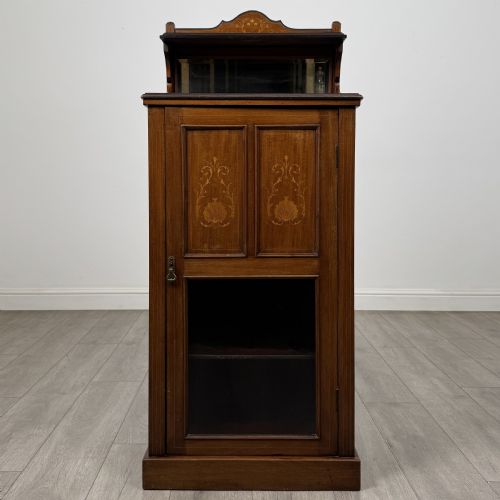
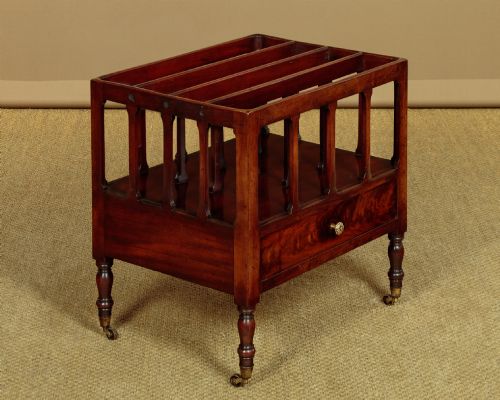
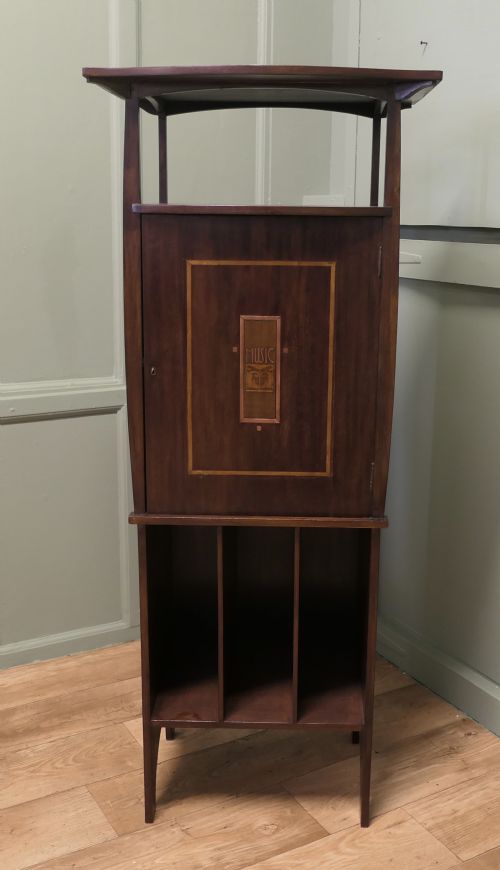
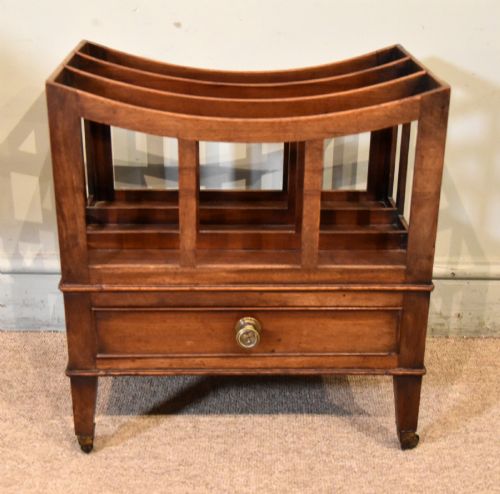
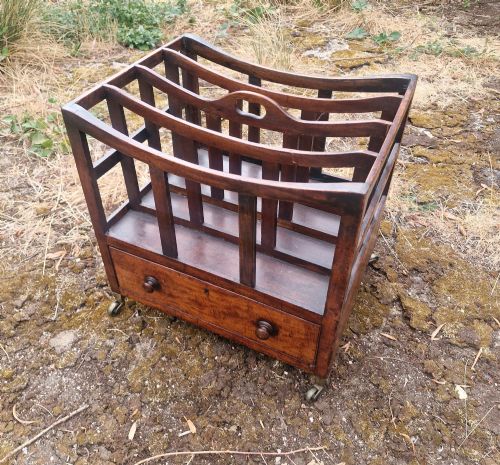
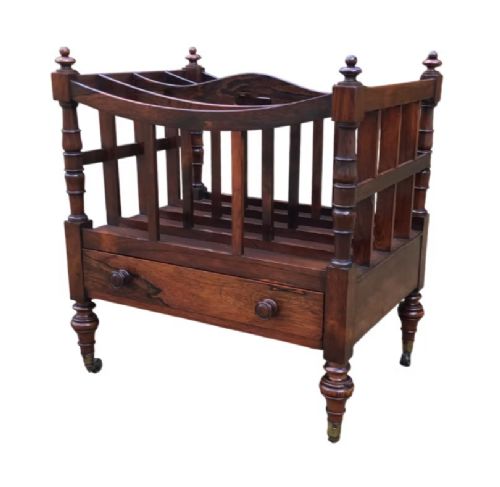
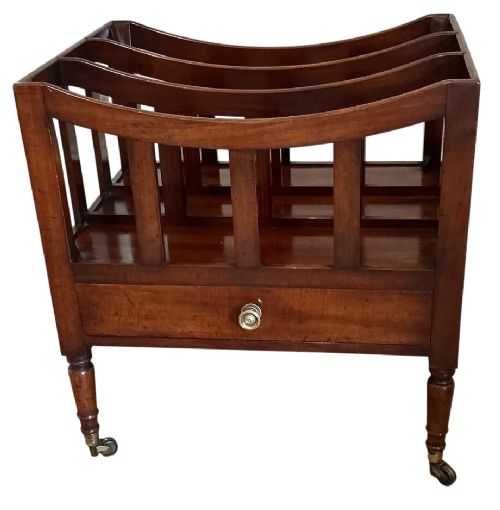
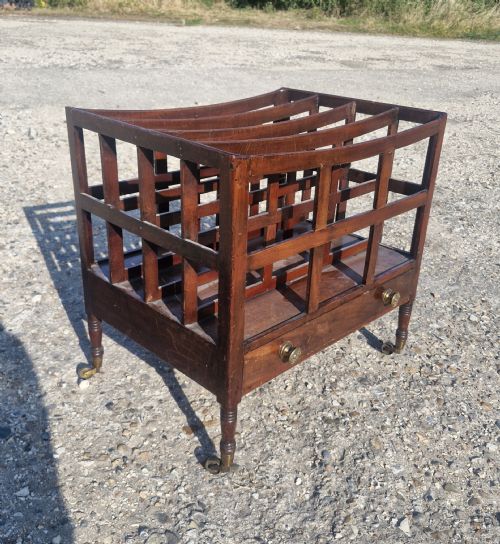
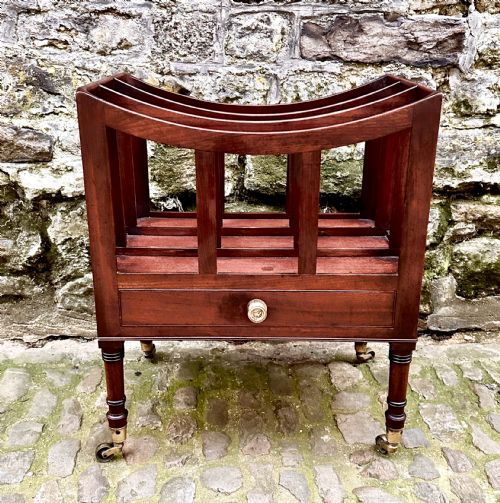
Canterburys emerge frequently as compartmentalized racks designed to hold sheet music or magazines off the floor, often featuring slatted divisions and carrying handles. Music cabinets provide enclosed vertical storage with drawers or hinged doors to keep paper folios tidy.
Piano stools offer seating solutions that accommodate keyboard players, occasionally incorporating revolving mechanisms for height adjustment. Examples span from the Georgian and Regency periods through the Victorian, William IV, and Edwardian eras, reflecting changing domestic entertainments.
Materials and Construction
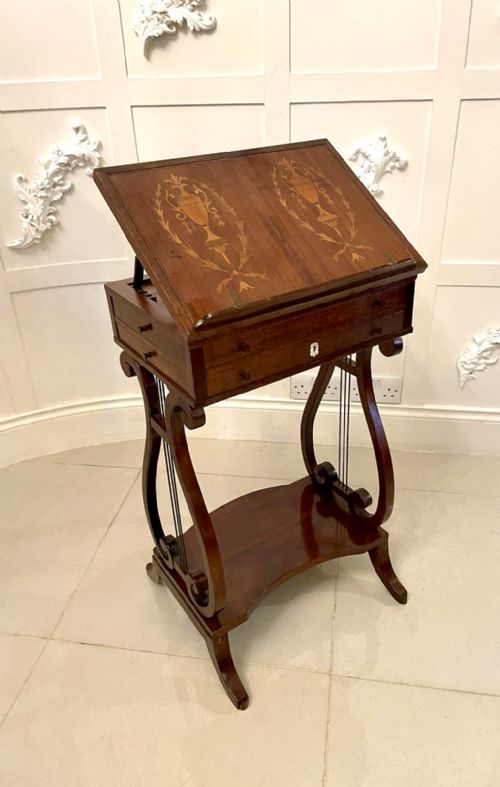
Cabinet makers utilised mahogany as the primary timber, valued for its rich grain, durability, and ability to take a smooth polish. Artisans often enhanced these surfaces with contrasting satinwood inlay, bringing lighter geometric patterns and decorative borders to cabinet doors and table tops.
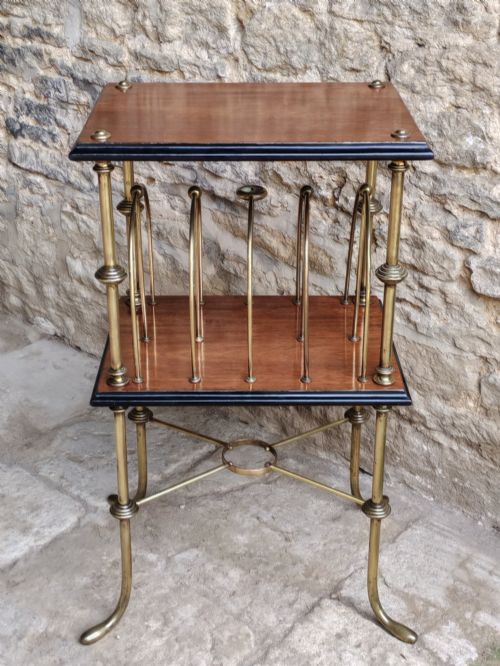
Brass fittings appear throughout the construction, providing structural mounts, casters for mobility, and decorative handles on drawers and canterburys. Additional secondary materials like glass, mirror panels, and fabric linings surface in specific cabinet doors and reading tables.
Listings span the eighteenth, nineteenth, and twentieth centuries, incorporating Georgian, Regency, William IV, Victorian, and Edwardian periods in solid mahogany.
Evaluating Construction and Detail
Quality in these pieces rests upon the crispness of the joinery, the choice of timber cuts, and the subtlety of decorative additions like inlay. Finer examples display carefully matched grain patterns across drawer fronts and slatted divisions, alongside robust framing that withstands regular movement.
The sophistication of the hardware and turning also separates standard items from superior works. Solid brass castors, well-fitted internal drawer divisions, and neatly executed turning on legs and uprights indicate a higher standard of workshop production.
GM Elwood·JS Henry·Denby and Spinks·Gillows
The Mahogany Music Furniture Glossary
- Canterbury
- A low, open-framed stand fitted with vertical partitions for holding sheet music, folios, or magazines. It typically incorporates a small drawer beneath and carrying handles.
- Inlay
- A decorative technique where thin pieces of contrasting wood, such as satinwood, are set into the mahogany surface to create patterns or borders.
- Whatnot
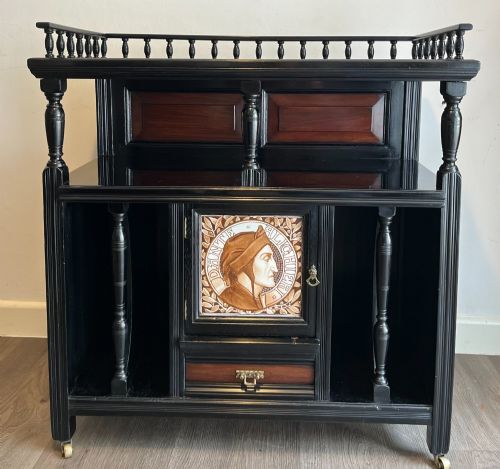
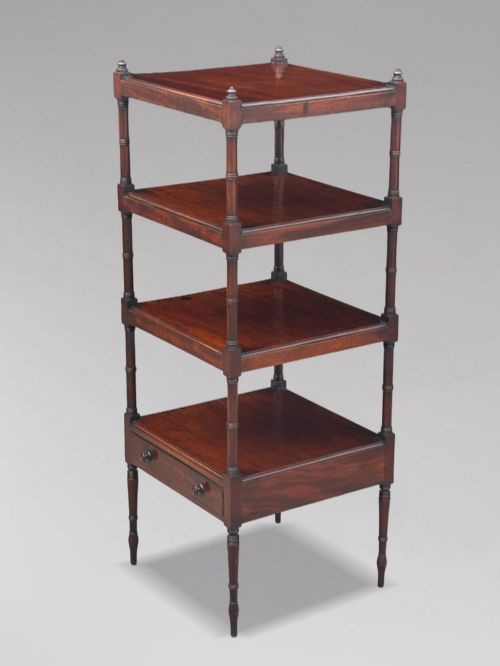
- A piece of open shelving supported on pillars, used for displaying or storing small objects, books, and music stands.
- Revolving
- A mechanical pivot mechanism that allows piano stools to turn freely and adjust height for the seated player.
- Pedestal
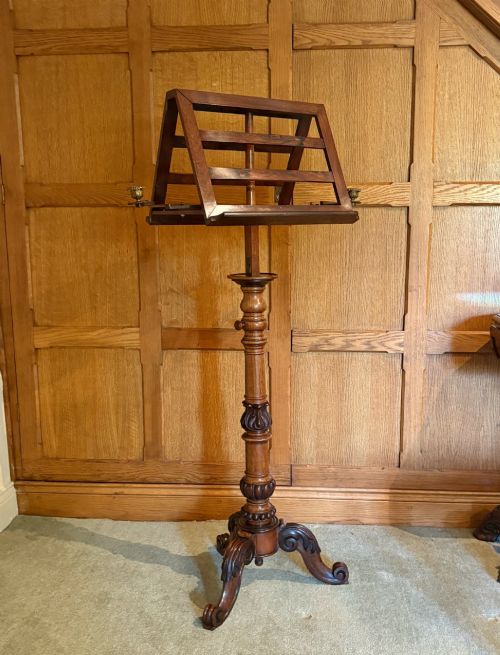
- A single central support or column that holds up a cabinet, table, or reading stand, often resting on shaped feet.
Mahogany Music Furniture: Frequently Asked Questions
What is a mahogany canterbury used for?
A canterbury is designed to store sheet music, scores, and magazines upright in vertical slots to prevent folding or damage.
They sit neatly beside a piano, armchair, or reading table for easy access during practice or leisure reading.
How do I date an Edwardian music cabinet?
Edwardian pieces generally date from the late nineteenth century to the First World War, identified by lighter mahogany frames and delicate satinwood inlay.
They frequently feature multiple shallow drawers or glass-fronted doors suited to the standardised sheet music of the era.
Are piano stools adjustable?
Many period piano stools feature a revolving mechanism that allows the seat to spin and adjust in height.
This functional design helped musicians find a comfortable seating posture at the keyboard.