


Mahogany Low Stool
Mahogany low stool designs range from Georgian footstools to Victorian piano seats, offering compact seating and historic character for modern interiors.
Mahogany Low Stool
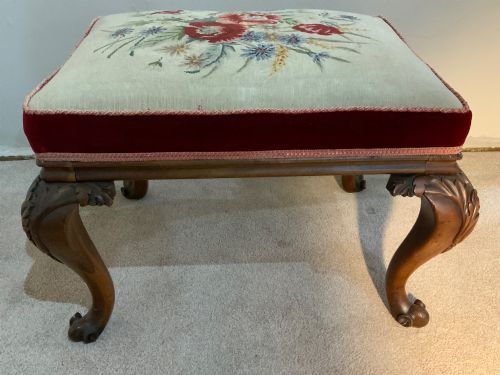
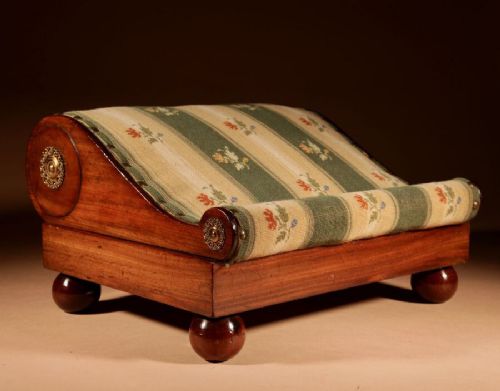
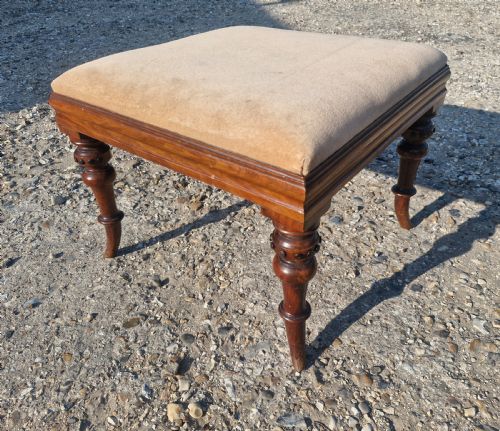
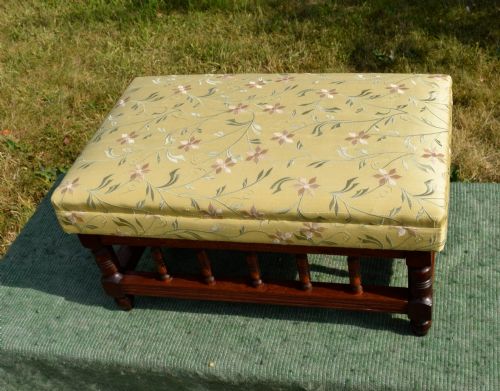
A mahogany low stool is a versatile piece of antique seating found in various forms such as footstools, dressing table stools, piano benches, and occasional seats. Buyers seeking a mahogany low stool will encounter pieces spanning from the eighteenth century through the Victorian era and into the early twentieth century.
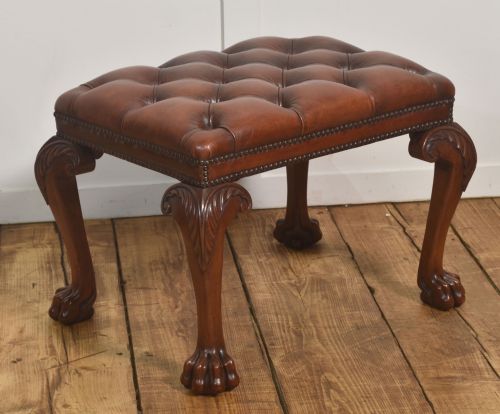
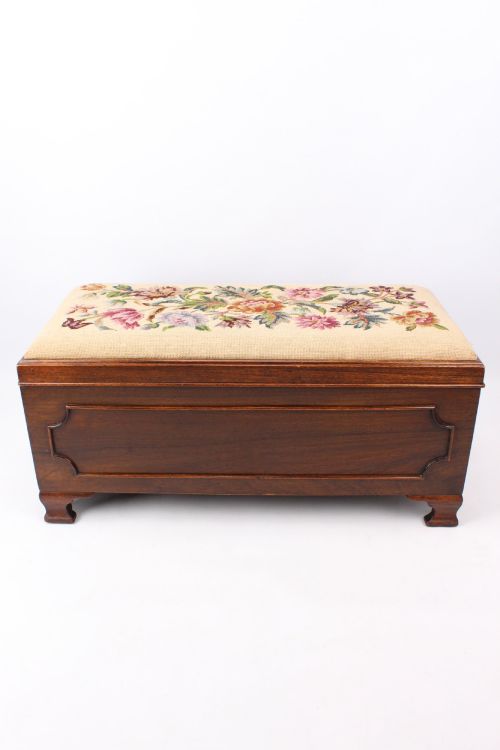
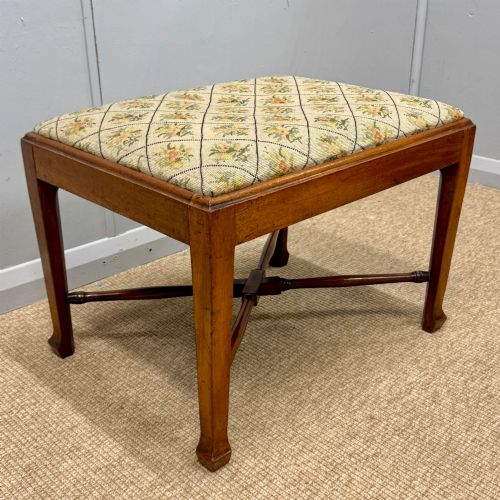
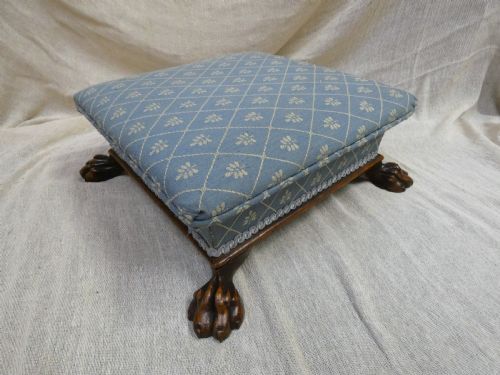
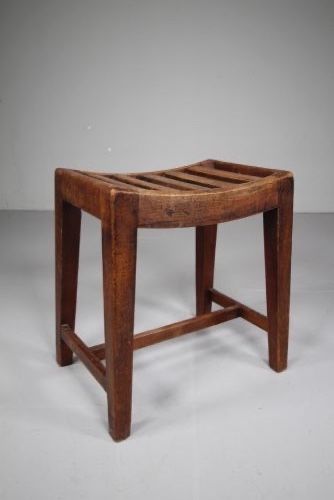
The selection includes simple square frames with tapering legs alongside elaborate carved designs in Regency, Chippendale, and Queen Anne revival styles. Many examples serve specific historic functions, including gout stools, ottomans, and even concealed bidet stools adapted for modern use as low seats.
How they were made
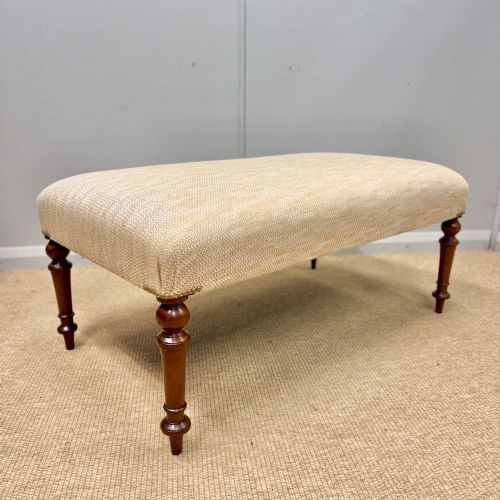
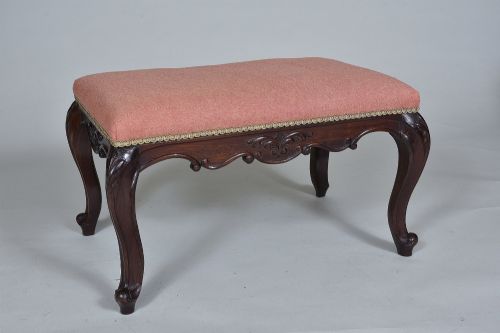
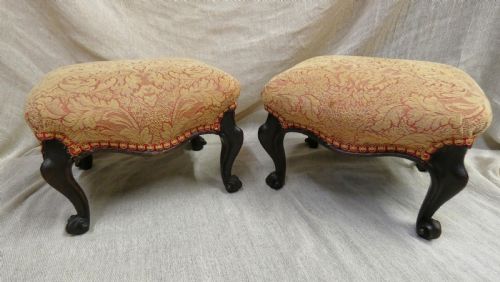
Cabinet makers utilised dense, durable mahogany for the solid wood frames, often shaping the timber into cabriole legs, cross stretchers, or square tapering supports. Brass castors frequently appeared on larger nineteenth century examples to aid movement across floors.
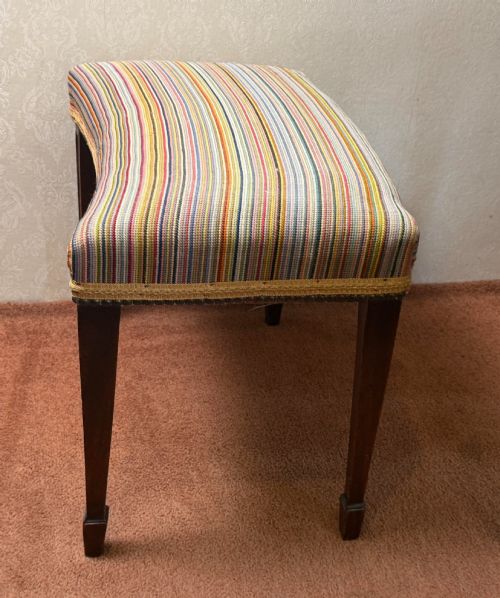
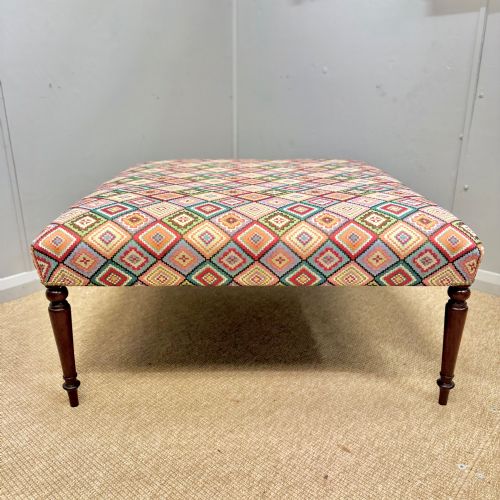
Seats were traditionally upholstered over webbing and stuffing using wool, velvet, tapestry, or needlepoint fabrics, whilst alternative variants featured caned panels or smooth leather tops.
Several unassuming nineteenth century mahogany boxes disguised as polite footstools actually conceal antique porcelain bidet basins within their wooden frames.
What varies in quality
The distinction between ordinary and superior pieces lies in the crispness of the hand-carved ornamentation upon the mahogany frame and the structural integrity of the joinery. Finer examples display thoughtful proportions, balanced turnings, and secondary timbers of equal grade to the primary show wood.
Original upholstery materials and period needlework elevate a piece, whereas poorly executed later alterations or clumsy repairs diminish the integrity of the antique.
Gillows of Lancaster·Waring and Gillows·J. Shoolbred·Howard and Sons·Mathew Gregson
The Mahogany Low Stool Glossary
- Cabriole leg
- A furniture leg that curves outward and then tapers inward, mimicking an animal's curving leg. This form frequently appeared on Georgian and Victorian revival seating.
- Cross stretcher
- Wooden rails connecting the lower legs of a stool to provide structural stability. They often feature central finials or shaped intersections on better pieces.
- Caned top
- A seat woven from split rattan or cane in a decorative mesh pattern. This technique offered lightweight yet resilient support for dressing table stools.
Mahogany Low Stool: Frequently Asked Questions
What is a low mahogany stool used for today?
These compact pieces function well as footstools beside armchairs, occasional seats in hallways, or dressing table stools in bedrooms.
Their low profile allows them to slide easily beneath tables or remain tucked away until needed.
How do I date an antique mahogany stool?
Dating relies on examining the leg style, joinery methods, and the type of mahogany used across different periods. Georgian pieces typically show simpler, linear forms, whilst Victorian examples often feature heavier carved decoration or castors.
Secondary woods and upholstery tacks also provide valuable clues to the exact decade of manufacture.
Are these stools comfortable for daily seating?
Many historical stools feature firm traditional upholstery made with webbing, stuffing, and horsehair rather than modern foam. While supportive and resilient, they offer a firmer sit than contemporary padded furniture.
Pieces with needlework or leather tops provide a sturdy surface suited for resting feet or short periods of sitting.
Did these stools always have upholstered tops?
Not all examples feature upholstered pads, as historical makers also produced variations with caned panels, slotted wooden slats, or solid mahogany saddles. Leather tops and hand-stitched tapestry needlepoint were frequently added to more formal dressing and piano stools.
Interiors from the Georgian and Victorian eras utilised different top treatments depending on the specific room and function.