


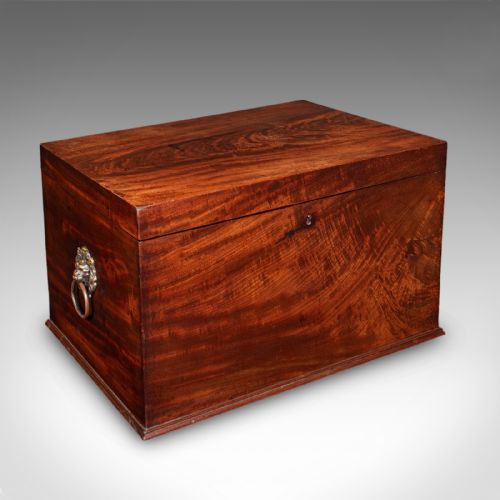
Mahogany Liquor Box
A mahogany liquor box provides secure and elegant storage for spirits, making it a functional centrepiece for any dining room.
Mahogany Liquor Box
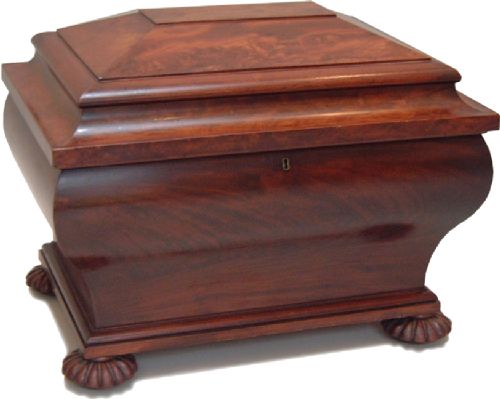
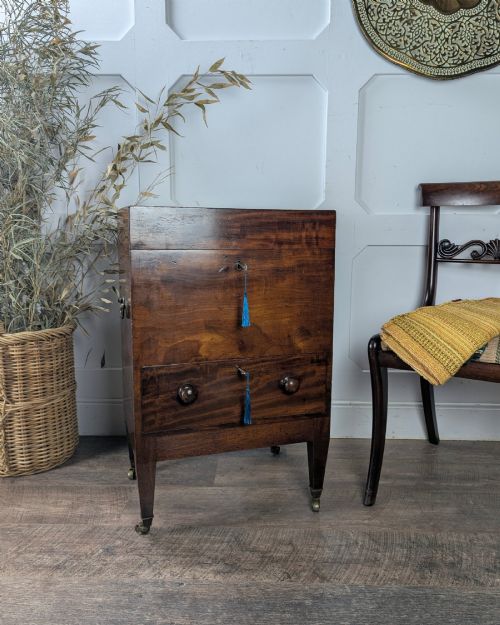
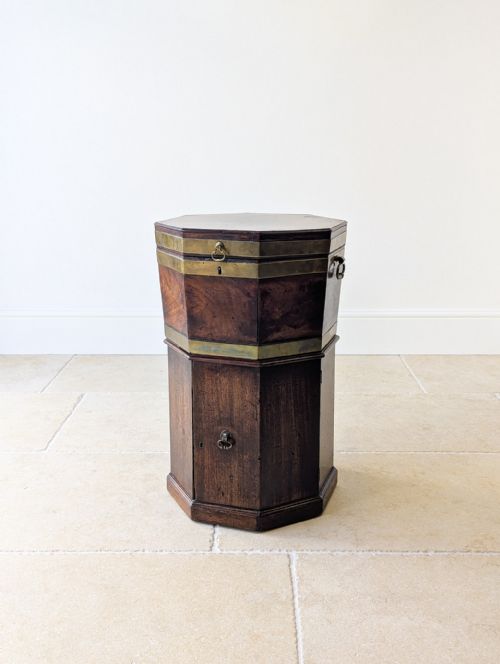
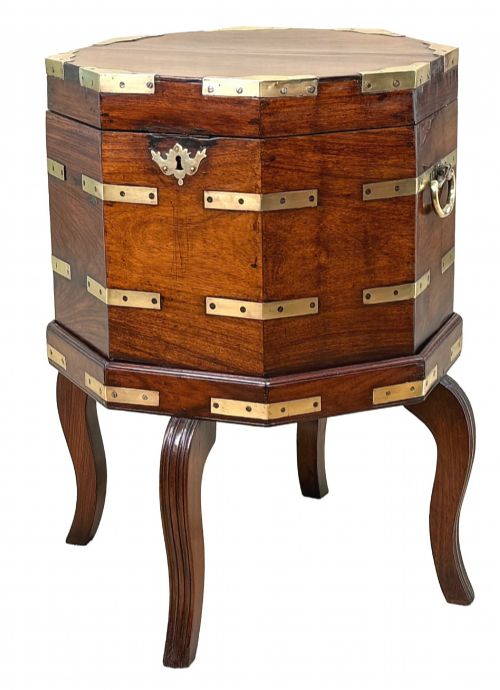
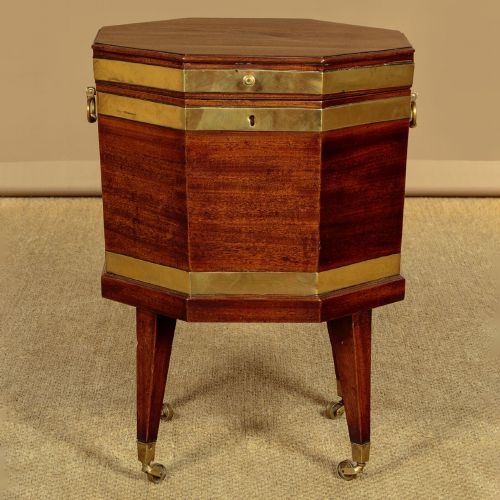
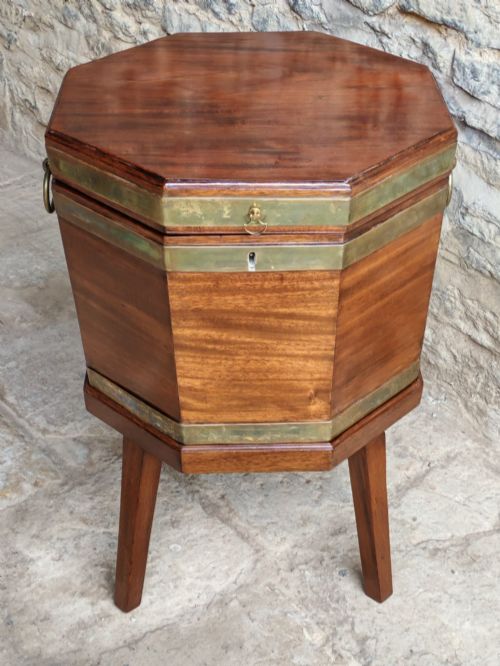
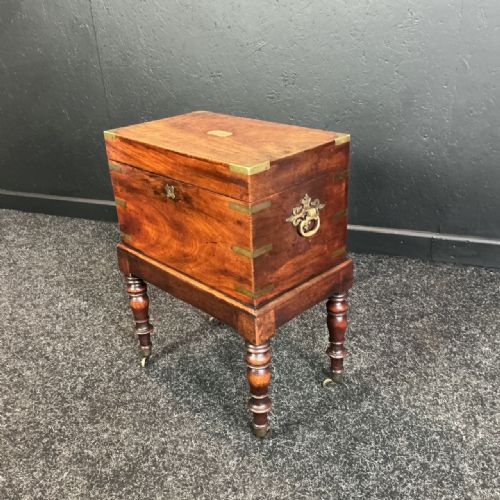
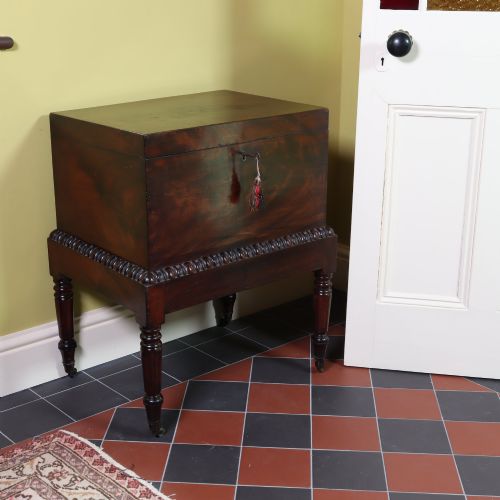
You are most likely to meet Georgian and Regency examples, particularly octagonal and sarcophagus-shaped cellarettes. These pieces often feature fitted interiors designed to keep glass vessels upright and safe during transport or storage.
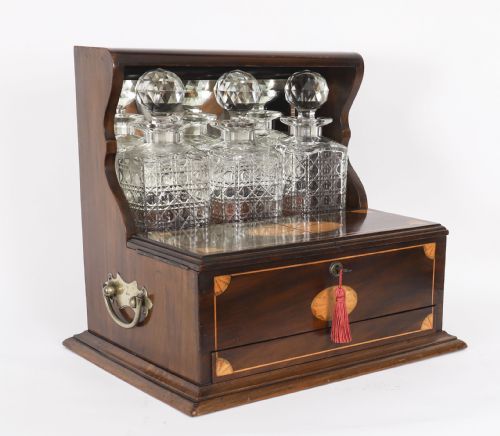
The objects originate from workshops spanning the eighteenth and nineteenth centuries, reflecting the changing social habits of dining and entertaining. Makers utilised distinct regional styles, producing everything from brass-bound octagonal boxes to inlaid tantalus sets.
How they were made
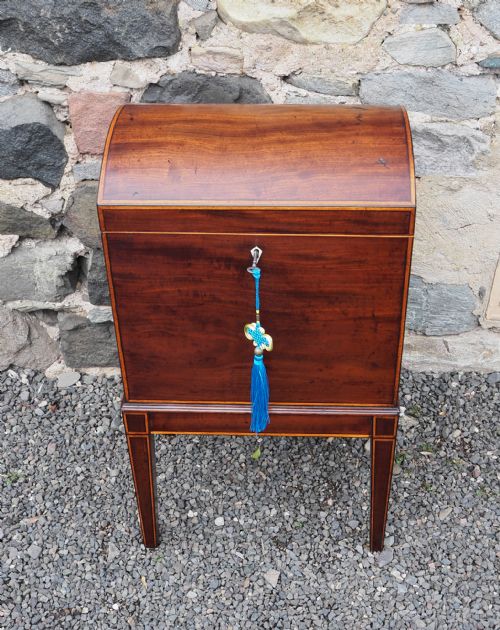
Cabinetmakers constructed these pieces using dense timbers such as mahogany, flame mahogany, and padouk, frequently accentuating the surfaces with boxwood inlay and satinwood. Brass bands and ormolu mounts were applied for structural reinforcement and decorative contrast.
Interior compartments were tailored specifically to hold glass decanters and cut crystal bottles, sometimes incorporating lead lining to keep ice and water for chilling wine. Joinery techniques relied on precise dovetailing and framing to support the heavy weight of glass and liquid.
Listings feature solid mahogany alongside exotic woods like padouk and satinwood, spanning the Georgian to Edwardian eras.
What varies in quality
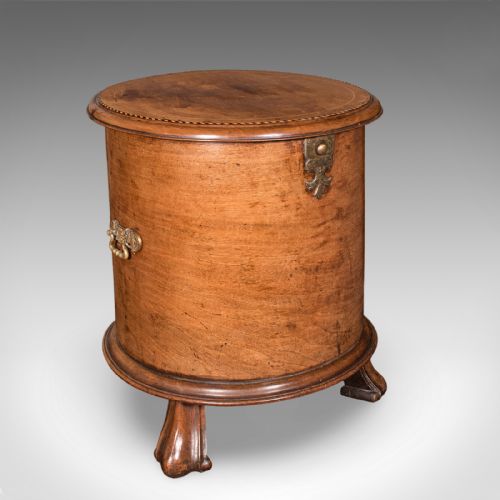
The refinement of the timber selection dictates much of the distinction, with highly figured flame mahogany and contrasting boxwood stringing appearing on superior examples. The crispness of carved details, such as fluting on the body or paw feet, shows the skill of the original workshop.
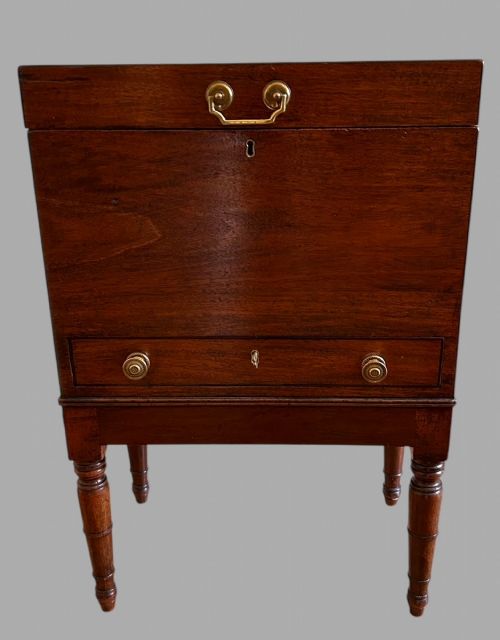
Hardware quality also separates the tiers, as heavy cast brass carrying handles, original escutcheons, and working locks with keys indicate a higher grade of commission. The preservation of the internal bottle dividers and linings determines the integrity of the piece.
Freemans of Norwich·Gillows of Lancaster and London·Gillingtons
The Mahogany Liquor Box Glossary
- Cellarette
- A lockable container used for storing wine and spirits near the dining table. They frequently stood on the floor on short legs or brackets.
- Sarcophagus
- A box form with a sloping or domed lid, popular during the Regency period for wine coolers. This shape mimics ancient stone coffins but provides a grand profile for dining rooms.
- Tantalus
- A locking frame that holds decanters visible yet inaccessible without a key. This device prevented unauthorised access to expensive spirits by domestic staff.
- Ormolu
- Gilded bronze applied as decorative mounts on furniture. It adds metallic contrast to the dark timber surface.
- Padouk
- A dense tropical hardwood with reddish tones utilised in eighteenth-century cabinet making. It offers durability and a striking natural grain.
Mahogany Liquor Box: Frequently Asked Questions
What is a mahogany liquor box used for?
These boxes stored wine bottles and decanters safely away from light and dust in the dining room. They kept spirits close at hand during formal meals.
Many examples feature internal divisions that protected glass bottles from shifting during movement. Some designs incorporated lead linings to function as coolers for wine.
How do I tell a Georgian box from a Regency one?
Georgian pieces often display straight lines, octagonal shapes, and brass binding. They rely on proportion and timber grain for visual impact.
Regency examples frequently adopt the sarcophagus form with heavy feet and bolder carved details. They reflect a shift towards classical architectural influences.
Did these boxes lock?
Most examples included working brass locks to protect expensive imported spirits from domestic staff. The key was a crucial part of controlling access to the contents.
Keys are occasionally missing on surviving pieces today, though the brass escutcheons remain prominent on the front panels.
How do I care for mahogany timber?
Keep the wood away from direct heat sources and strong sunlight to prevent the timber from drying out. Regular dusting with a dry cloth maintains the finish.
Apply traditional wax sparingly when the surface appears dull. Avoid using modern silicone sprays that can damage antique polishes.