



Mahogany Glass Showcase
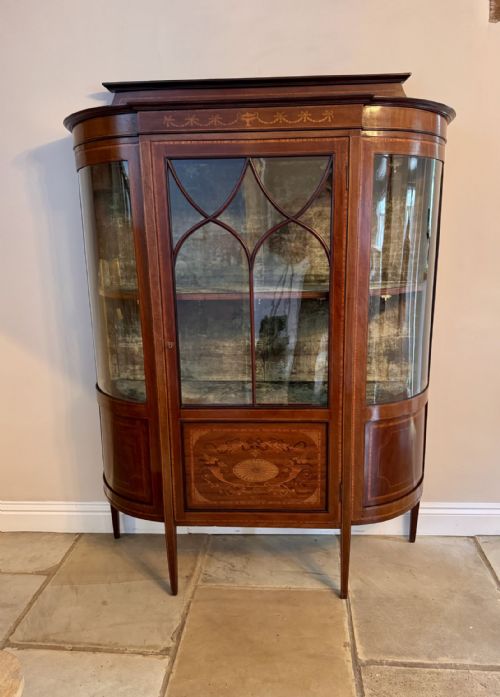
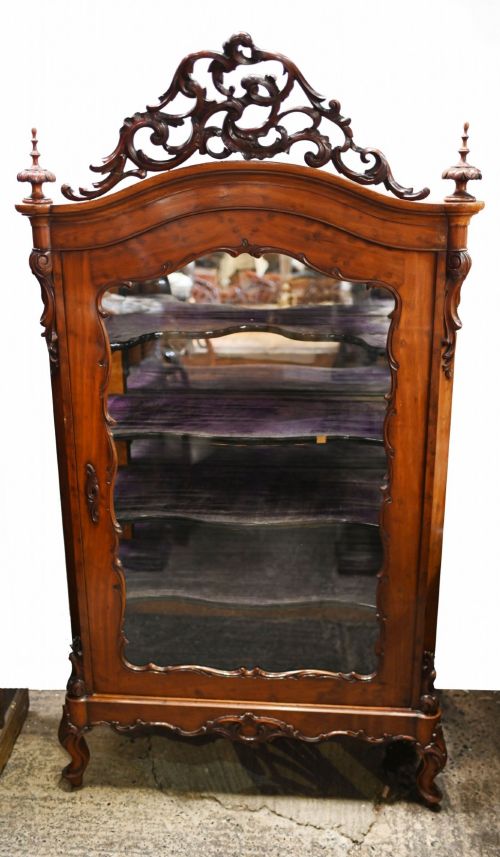
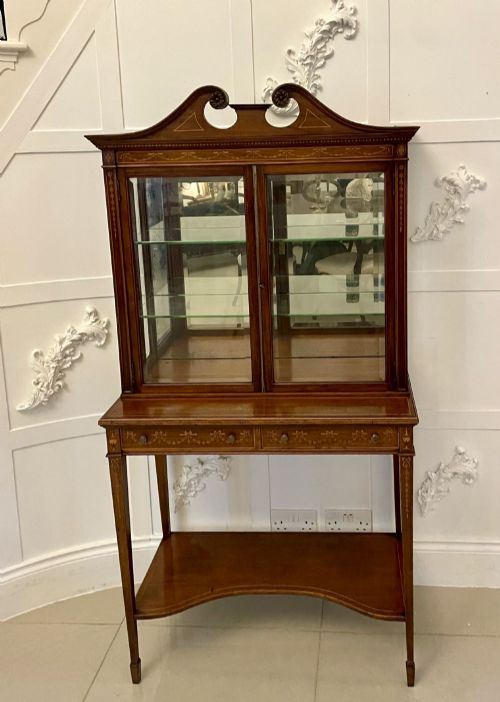
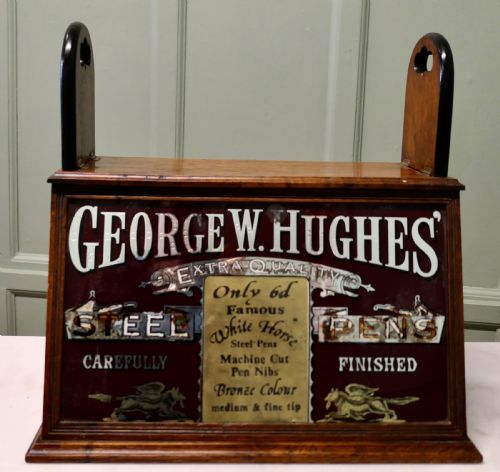
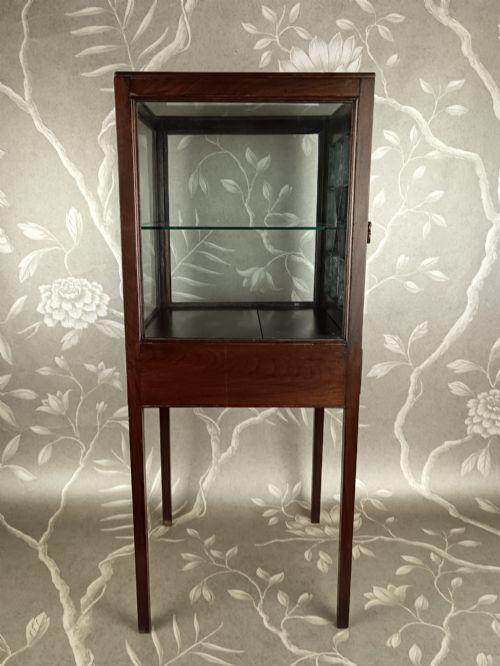
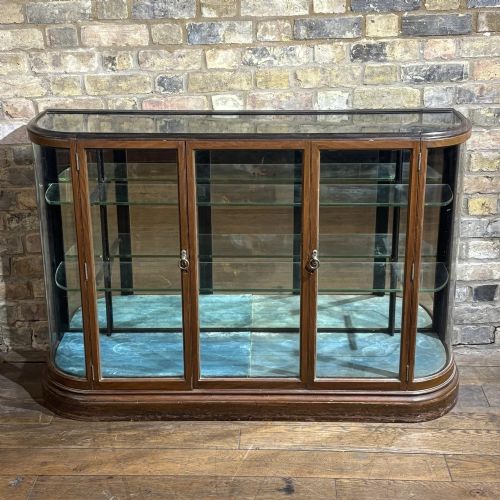
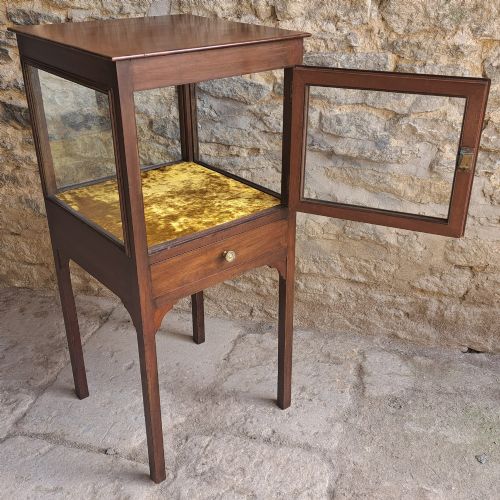
A mahogany glass showcase displays precious objects and retail wares through clear panes set in warm timber frames.
Mahogany Glass Showcase
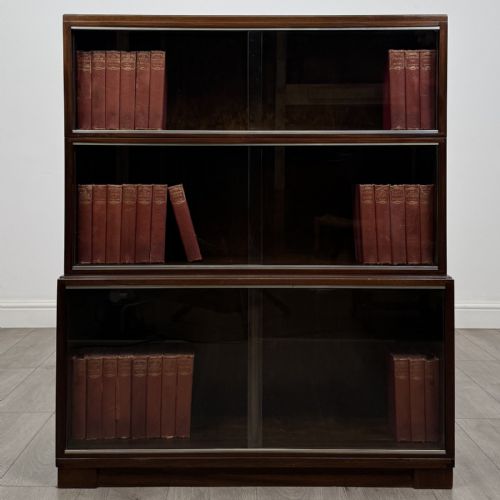
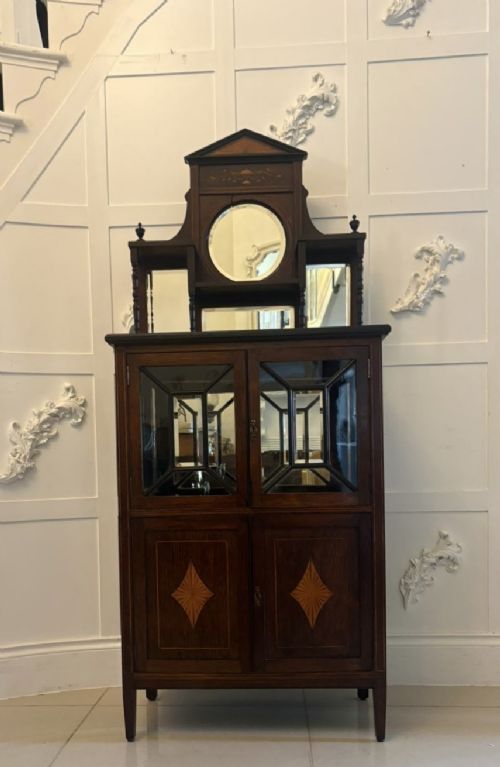
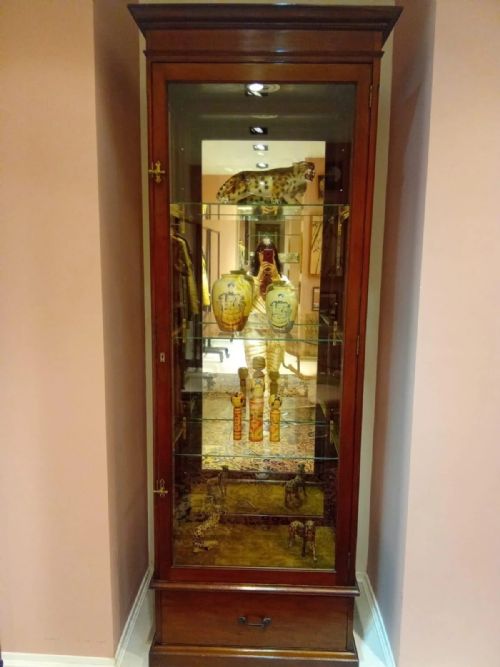
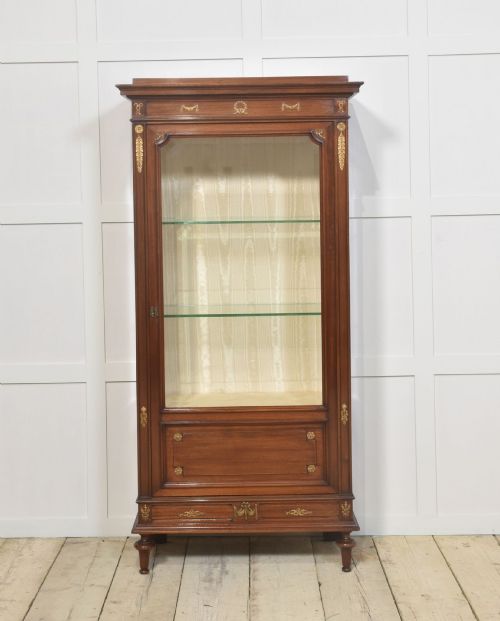
A mahogany glass showcase brings together transparent glazing and solid timber construction to protect and exhibit collections or retail merchandise. The pieces appearing in these listings span domestic furniture such as vitrines and bijouterie tables alongside commercial shop counters and wall cabinets.
Domestic examples often display inlaid satinwood, floral marquetry, or mirror backs intended for a drawing room or parlour. Commercial variants from the Edwardian and later periods include countertop cases, tall freestanding shop fittings, and specialised confectioner or apothecary displays.
Origins stretch from the Georgian and Victorian eras through the Edwardian period into the 1920s, encompassing styles like Chippendale Revival, French Rococo, and Art Nouveau. Buyers encounter freestanding architectural cabinets as well as smaller tabletop cases designed for intimate viewing.
How they were made
Makers constructed the primary frames of these showcases using solid mahogany, frequently enhanced with contrasting satinwood stringing, marquetry, and brass mounts. Interior elements often incorporated mirrored glass backs to reflect light through the display space and fabric or velvet linings to cushion objects.
Glazing techniques utilised large glass panes held within wooden rebates, sometimes paired with adjustable glass shelves to accommodate varied objects. Commercial and domestic workshops employed specialised joinery to create curved bow ends, serpentine fronts, and pentagonal counter layouts.
Mahogany Glass Showcase Retail Price Guide 2026
Typical asking prices for mahogany glass showcase among the pieces listed under this phrase on Sellingantiques today, from the lower quarter to the upper quarter. They describe what is for sale here now, not the wider market.
Materials recorded across the inventory include solid mahogany, satinwood, brass, velvet, mirror, and specialised glass configurations.
What varies in quality
The distinction between ordinary and superior pieces rests upon the precision of the timber selection, the finesse of the joinery, and the presence of decorative details like hand-cut inlay or Ormolu mounts. Solid mahogany construction and sophisticated stylistic revivals command greater attention than simple commercial carcases.
F Sage & Co·François Linke
The Mahogany Glass Showcase Glossary
- Vitrine
- A glass-fronted cabinet designed for displaying fine porcelain, curiosities, or decorative objects. These pieces often feature glazed sides to maximise interior illumination.
- Bijouterie table
- A specialised display table with a glazed top and compartmented interior intended for jewellery, medals, and small artefacts. They frequently stand on slender legs.
- Vernis Martin
- A type of simulated Japanese lacquer developed in France, often found on decorative panels of continental vitrines. The finish involves multiple layers of translucent varnish over painted scenes.
- Ormolu
- Gilded bronze mounts applied to furniture for decorative effect, common on French revival display cabinets. The technique produces a bright metallic golden finish against the dark mahogany timber.
- Marquetry
- Inlaid patterns of wood veneers fitted into the primary timber surface to create floral or geometric motifs. Craftsmen utilised contrasting timbers like satinwood to achieve distinct visual separation.
Mahogany Glass Showcase: Frequently Asked Questions
What is the difference between a vitrine and a showcase?
A vitrine is typically a refined domestic cabinet meant for a drawing room to exhibit porcelain or collectables. A showcase often implies a commercial shop fitting designed for retail merchandise.
Domestic vitrines frequently feature elaborate inlay or gilt mounts, whereas commercial showcases prioritize maximum glass visibility and accessibility for sales.
How do I use a tabletop glass showcase?
Tabletop glass cases sit atop existing furniture or counters to create an elevated platform for small collectables, documents, or jewellery. They protect items from dust while offering top or side visibility.
Many incorporate hinged lids or removable glass covers that allow easy arrangement of the objects displayed inside.
How can I tell an Edwardian showcase from a Victorian one?
Victorian showcases generally display heavier proportions, darker finishes, and more ornate carved ornamentation consistent with nineteenth-century taste. They often serve grand domestic or early retail settings.
Edwardian pieces tend to display lighter mahogany frames, delicate satinwood inlay, and refined neoclassical revival motifs that reflect the changing interior aesthetics of the early twentieth century.
Were these showcases used in shops or homes?
These pieces served both commercial retail environments and private domestic interiors. Shop variants include countertop units for confectioners, haberdashers, and gunsmiths, alongside tall freestanding fittings.
Domestic versions include wall-mounted cabinets, freestanding vitrines, and parlour display tables intended to showcase family treasures to guests.