
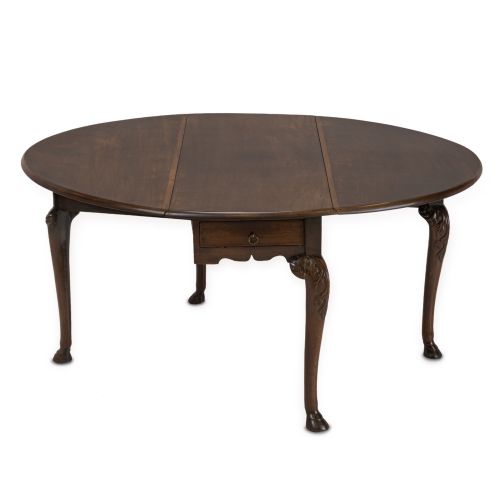

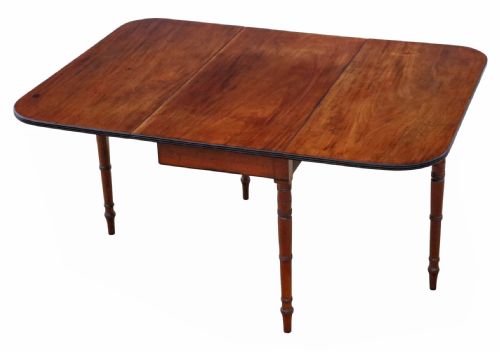


Mahogany Gateleg Dining Table
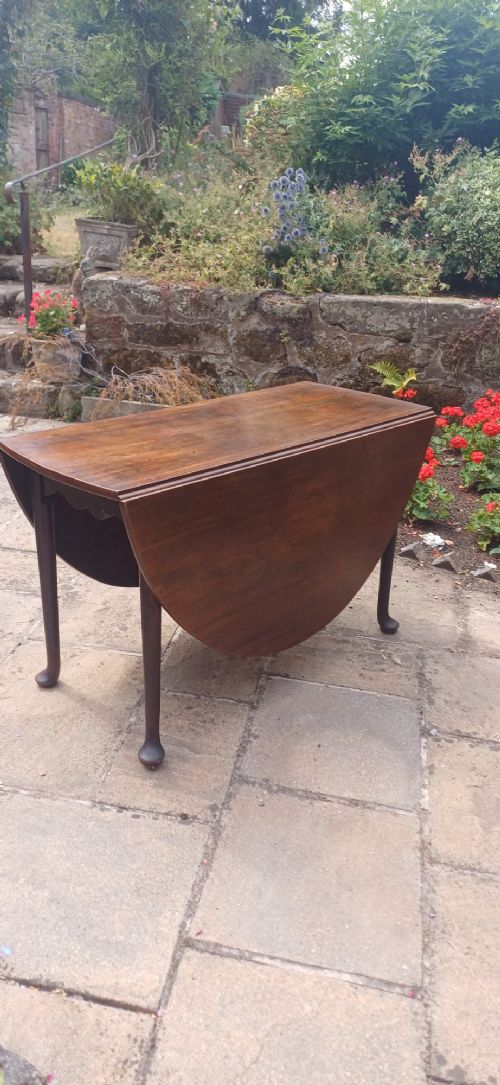
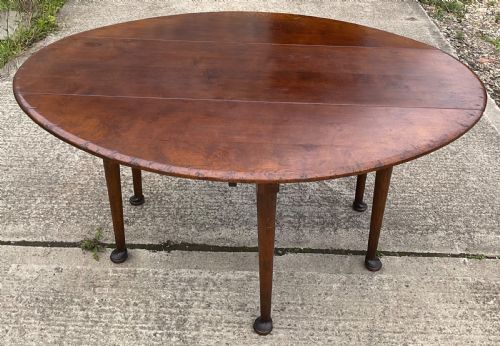
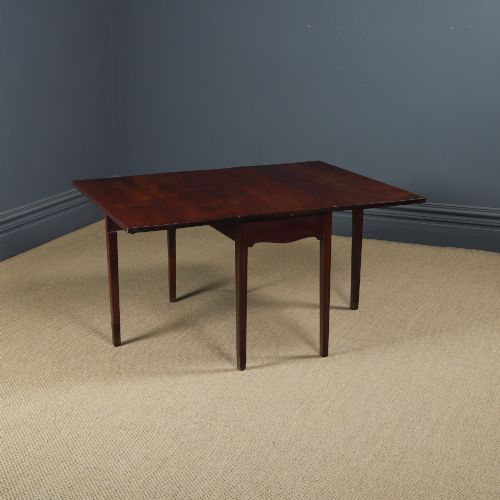
A mahogany gateleg dining table folds down when not in use and extends to seat several guests.
Mahogany Gateleg Dining Table
A mahogany gateleg dining table is a drop-leaf design supported by pivoting legs that swing out to hold the leaves when raised. When someone searches for a mahogany gateleg dining table, they encounter pieces originating from the eighteenth century through to the Edwardian era.
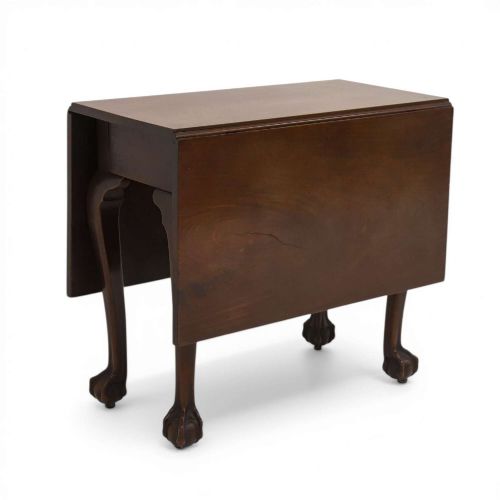
The eighteenth-century examples often display the George II or George III styles with pad feet or claw-and-feet. Later nineteenth-century and Edwardian interpretations provide similar folding utility with slender frames or Sutherland profiles.
Judging quality
Quality rests upon the selection of timber, such as heavily figured Cuban mahogany, and the presence of fine carved details like claw-and-ball feet or carved cabriole legs. Well-proportioned framing that maintains stability when fully extended distinguishes superior examples from standard utility versions.
The listings span multiple eras, encompassing George II, Georgian, Victorian, and Edwardian periods alongside satinwood inlay and brass hardware.
The Mahogany Gateleg Dining Table Glossary
- Gateleg table
- A table with hinged leaves supported by legs that swing outward like gates. This design allows the surface area to expand or contract easily.
- Pad foot
- A simple rounded foot resting flat on the floor, frequently seen on earlier eighteenth-century examples. It provides a neat termination to cabriole legs.
- Sutherland table
- A narrow drop-leaf table with particularly slender legs and very thin leaves. They fold down to a minimal footprint for compact spaces.
- Cabriole leg
- A furniture leg that curves outward at the knee and tapers inward toward the ankle. It mimics the natural shape of an animal limb.
Mahogany Gateleg Dining Table: Frequently Asked Questions
How many people can sit at a gateleg table?
Seating capacity varies according to the overall dimensions when the leaves are fully raised. Many standard models comfortably seat four diners, while larger wake tables accommodate eight or more guests.
Checking the width and depth measurements of the extended surface helps determine the correct seating arrangement for a dining room.
How do I care for a mahogany surface?
Polishing the timber regularly maintains the natural lustre of the mahogany grain. Using coasters and placemats protects the polished top from moisture and heat.
Keeping the table away from direct sunlight and sudden temperature changes prevents the wood from drying out or warping over time.
How do I distinguish an 18th-century table from a later copy?
Examining the underside reveals construction methods, tool marks, and the type of secondary timber used in the framing. Eighteenth-century pieces typically exhibit hand-cut joints and patination developed over generations of use.
Later Edwardian or twentieth-century revivals often display more uniform machining and modern hardware beneath the leaves.
Are these tables suitable for everyday dining?
The sturdy gateleg construction provides a reliable surface for daily meals and family gatherings. Raising and lowering the leaves takes only a moment when floor space is needed.
Dropping the leaves transforms a large dining surface into a narrow console that fits neatly against a wall.