


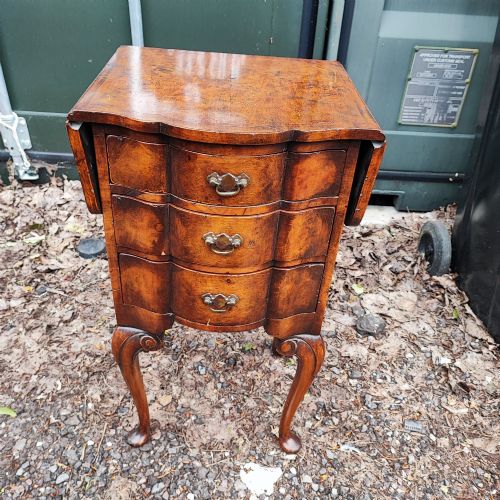


Cabriole Leg Drop Leaf Table
A cabriole leg drop leaf table combines folding leaves with graceful, curving supports, offering practical surface space that tucks away neatly.
Cabriole Leg Drop Leaf Table
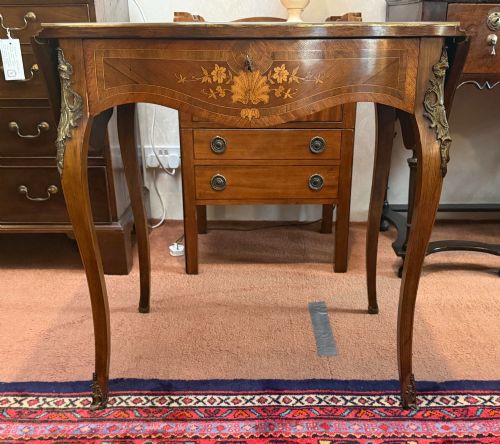
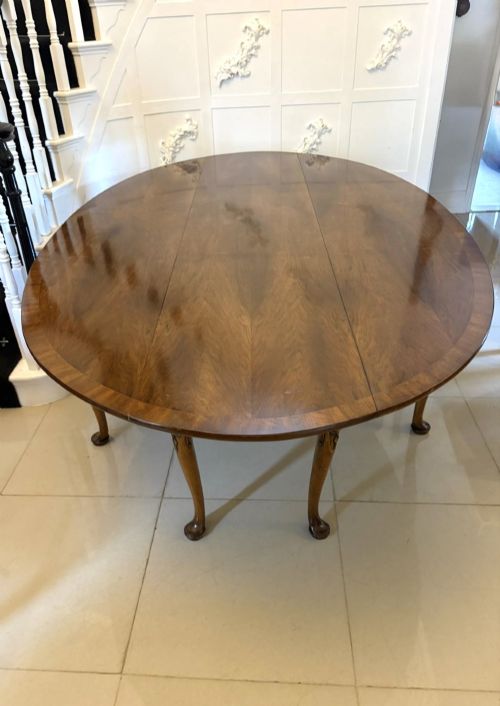
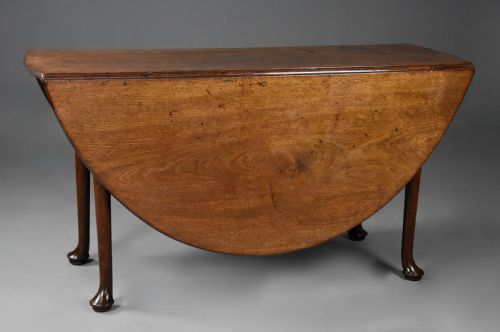
A cabriole leg drop leaf table is a folding furniture form designed to expand for dining or tasks and contract when floor space is needed. You will frequently encounter examples originating from the eighteenth century and the Georgian period, alongside later revivals from the early twentieth century.
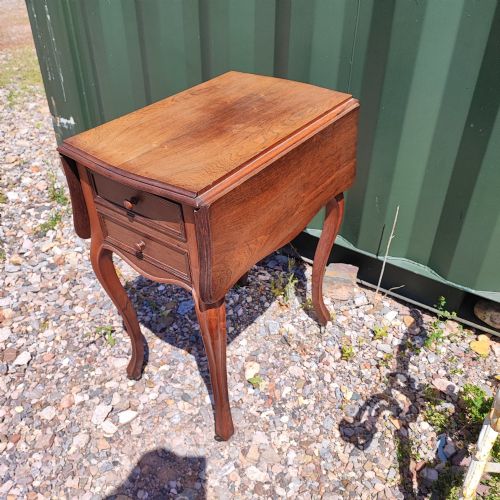
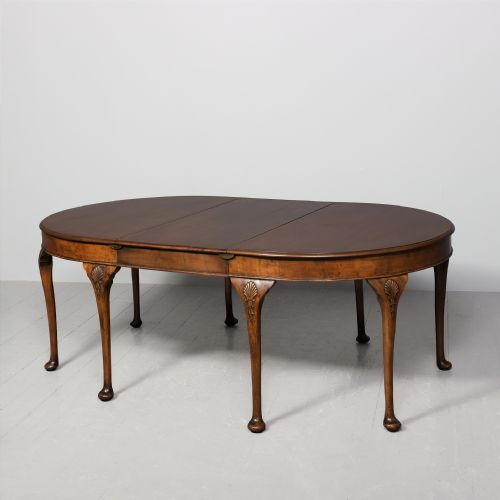
The selection ranges from large dining tables designed to seat several people to smaller occasional, lamp, and bedside tables. Construction materials vary considerably across these forms, drawing on timbers selected for strength and decorative grain.
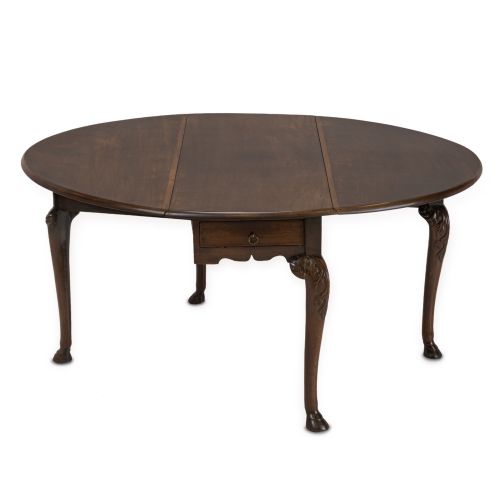
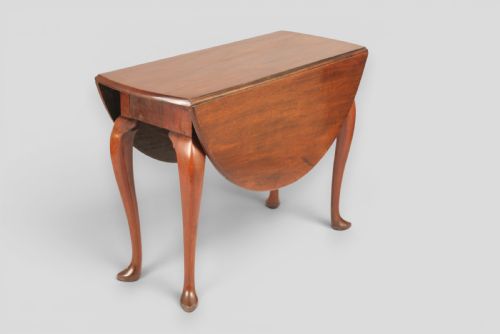
Makers shaped these pieces within recognised historical idioms, notably George II and Queen Anne styles, as well as distinct regional variants like Irish dining tables. The combination of folding flaps and curved supports defines the group across both antique originals and later interpretations.
Materials and construction
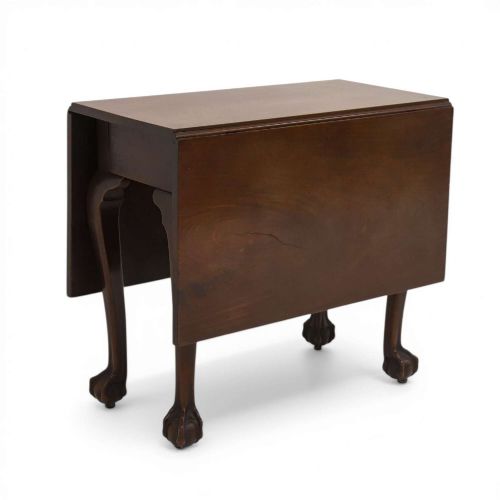
Makers constructed these tables primarily using hardwoods such as mahogany, Cuban mahogany, walnut, burr walnut, and rosewood, occasionally incorporating brass hardware and iron elements. Timber selection dictated how well the wood accepted carved details like claw-and-ball feet, hoof feet, and pointed pad feet.
The drop-leaf mechanism relies on hinged flaps supported by swing legs or folding gates, allowing the top to alter its footprint quickly. Surface enrichment includes figured grain patterns, marquetry, and Chinoiserie lacquered wood finishes applied to specific lamp and occasional tables.
Listings feature woods spanning mahogany, Cuban mahogany, walnut, burr walnut, rosewood, elm, and lacquered wood across multiple centuries.
Distinctions in quality
Quality rests in the harmony of the proportions, the depth and crispness of carved details on the knees and feet, and the selection of figured timber veneers. Tables exhibiting substantial scale and well-figured mahogany or walnut sit at the upper end of the range.
Construction integrity in the hinge mechanisms, the alignment of the drop leaves when open, and the preservation of a fine surface patina differentiate superior examples from simpler utilitarian pieces.
Gillow
The Cabriole Leg Drop Leaf Table Glossary
- Cabriole leg
- A furniture leg that curves out in a convex arc at the knee and tapers inward in a concave arc toward the foot, inspired by animal limbs. This form appeared widely on eighteenth-century seating and tables.
- Drop-leaf table
- A table with a fixed central section and hinged flaps on either side that fold down when not in use. It provides flexible surface area for dining and other domestic tasks.
- Pad foot
- A simple foot shape where the base of the leg rests on a flattened circular pad. Variations include pointed pad feet seen on mid-eighteenth-century tables.
- Claw-and-ball foot
- A carved foot depicting a bird's talon clutching a ball, popular on high-status eighteenth-century furniture. It often terminates a cabriole leg.
- Gateleg table
- A table with hinged legs that swing outward like a gate to support the drop leaves. This design provides robust support for large dining surfaces.
Cabriole Leg Drop Leaf Table: Frequently Asked Questions
How do I use a drop leaf table daily?
Keep the leaves folded down against the wall or in a corner to save floor space when you do not need a large surface. Lift the flaps and swing out the supporting legs whenever you require extra room for dining or working.
Place the table away from direct heat sources and strong sunlight to protect the polished wood surfaces and timber joints. Use coasters and placemats to prevent moisture rings and marks on the antique polish.
How can I tell eighteenth century tables apart from later revivals?
Examine the timber underneath the leaves and inside the frame to check for period tool marks, hand-cut joinery, and natural ageing of the wood. Eighteenth-century pieces generally show timber shrinkage and wear patterns consistent with extensive use over generations.
Twentieth-century revivals often display more uniform machine working and modern fixing methods beneath the surface. Compare the carving style on the knees and feet against established Georgian design characteristics to confirm the period.
Were these tables used only for dining?
While large examples served primarily as dining tables in the main rooms of a house, smaller variants fulfilled many different domestic roles. You will find drop leaf formats built as bedside tables, lamp stands, games tables, and occasional writing surfaces.
The versatile folding design made them easy to reposition around the home as daily requirements changed. Different sizes suited everything from grand dining halls to private chambers.
What is Cuban mahogany?
Cuban mahogany is a dense, durable hardwood harvested in the Caribbean that became popular for fine furniture during the eighteenth century. It is prized for its rich dark colour, fine grain, and ability to hold crisp carved details.
Craftsmen utilised this timber for high-end dining tables and case furniture because of its structural stability and resistance to warping. The wood develops a deep, lustrous patina over centuries of handling and polishing.