


Mahogany Footstool Bench
These mahogany footstool bench options bring solid timber frames and traditional upholstery together to anchor a fireside or dressing room.
Mahogany Footstool Bench
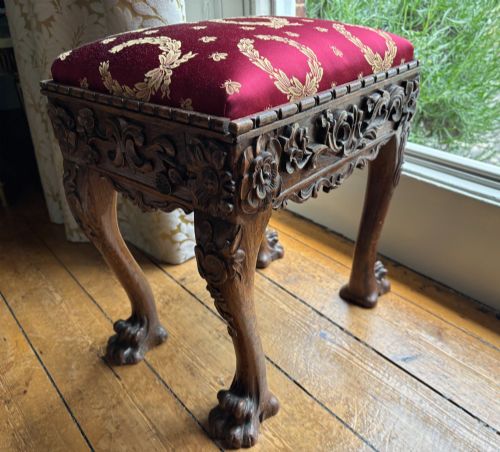
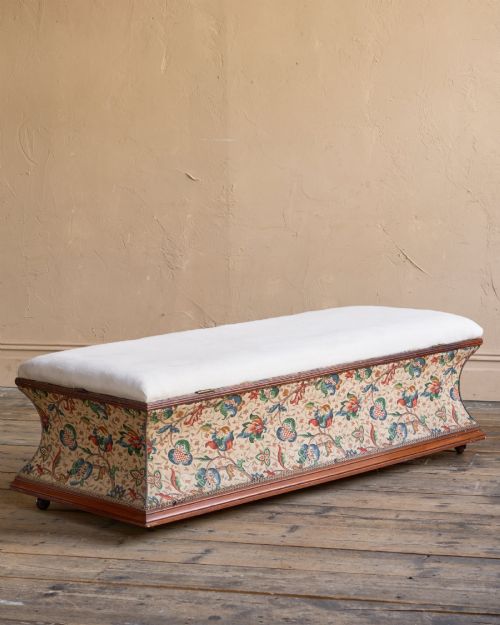
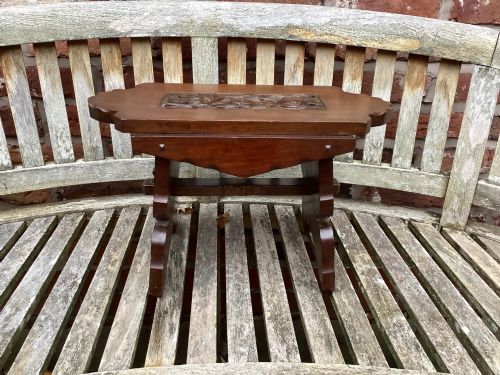
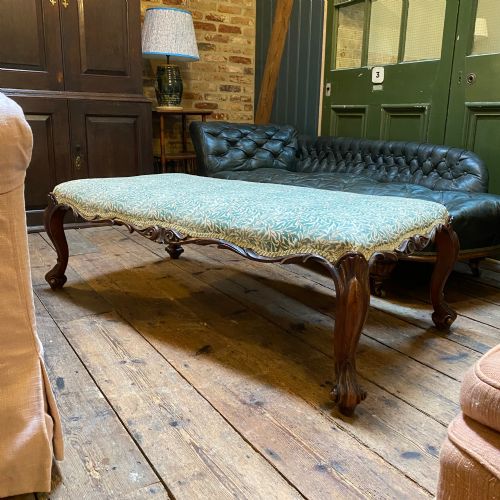
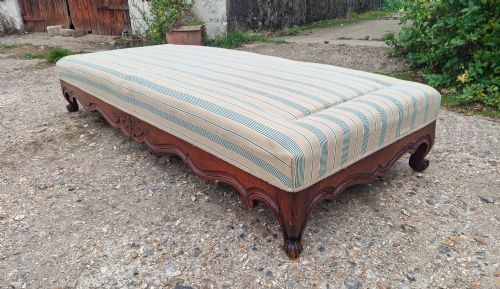
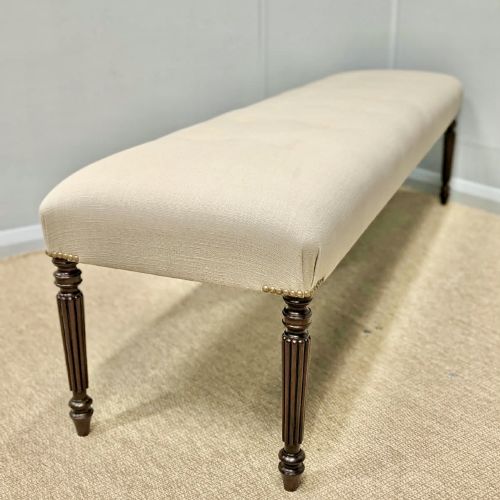
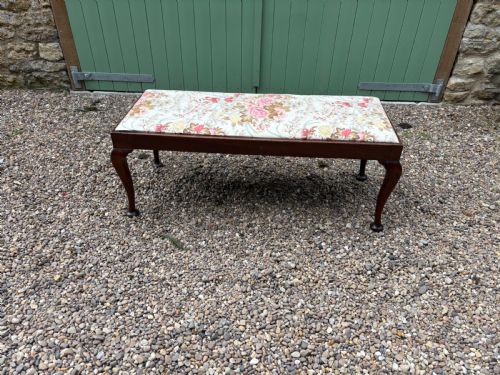
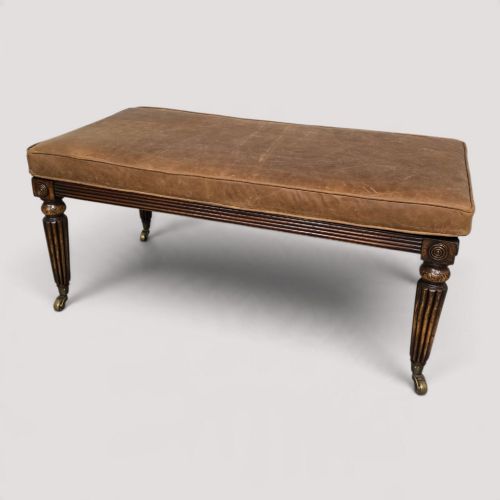
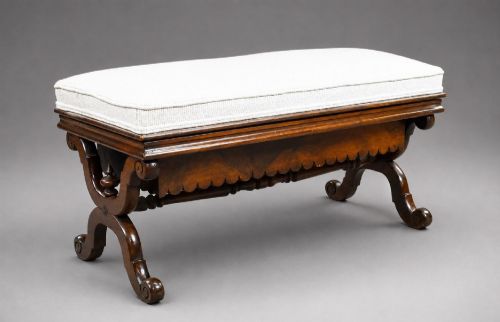
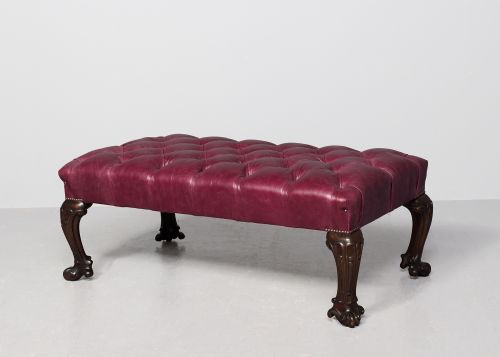
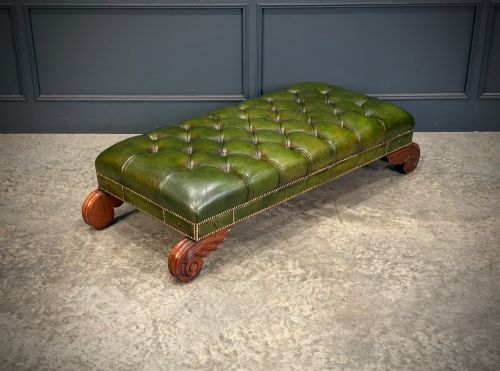
A mahogany footstool bench combines sturdy hardwood timber with a padded or upholstered seat designed for domestic seating and foot support. The selections span compact dressing table stools, long window seats, and substantial ottomans suitable for a living room.
Most examples originate from the eighteenth and nineteenth centuries, taking forms such as square cabriole-legged pieces, X-frame designs, and long carriage stools. The prevalence of Victorian and Georgian styling shapes the character of these listings.
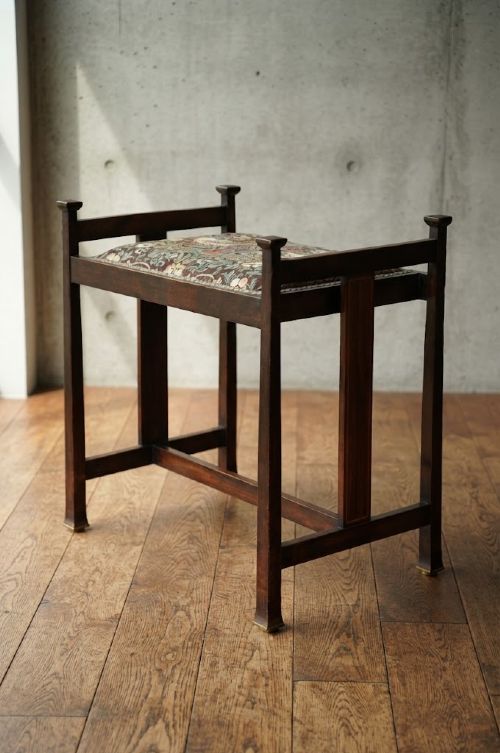
Buyers encounter variations ranging from low fireside rests to piano stools with revolving mechanisms and storage ottomans. Each variant serves a distinct domestic purpose while maintaining the dark grain of mahogany as a unifying element.
Distinctions in quality
The refinement of the timber carving and the elegance of the frame proportions separate standard utility seating from finer artisan work. Well-drawn cabriole legs, crisp geometric shaping, and substantial structural timber indicate higher workshop standards.
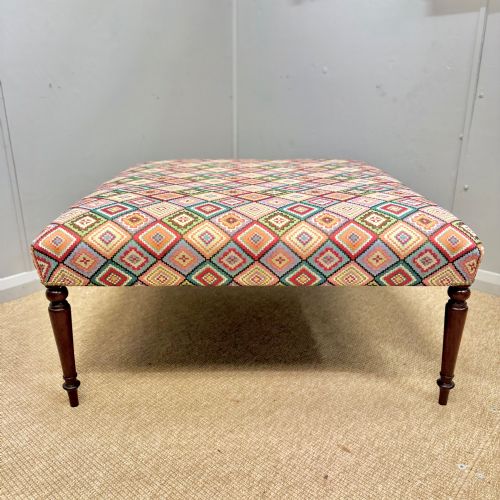
The integrity of the upholstery materials and the execution of buttoning or needlework dictate the finish of the top surface. Original leather hides, hand-stitched textiles, and robust internal webbing retain historical character more effectively than later replacements.
Mahogany Footstool Bench Retail Price Guide 2026
Typical asking prices for mahogany footstool bench among the pieces listed under this phrase on Sellingantiques today, from the lower quarter to the upper quarter. They describe what is for sale here now, not the wider market.
A carriage stool lets you travel the English countryside from your fireside, provided you do not mind the absence of wheels.
Hallett & Sons
The Mahogany Footstool Bench Glossary
- Cabriole leg
- A furniture leg that curves outward at the knee and tapers inward toward the foot, often ending in a pad or claw. This shape draws inspiration from animal limbs and appears frequently on eighteenth-century and Victorian seating.
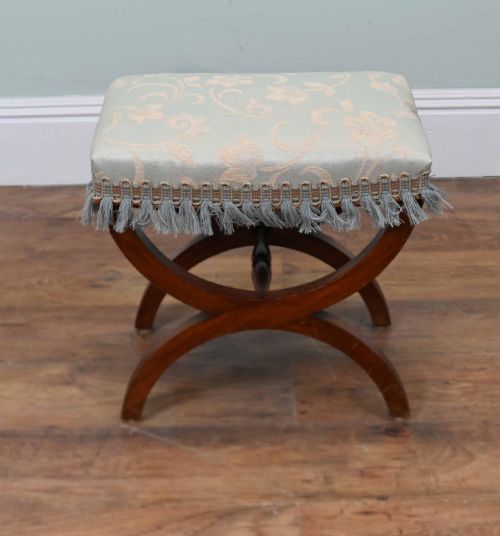
- X-frame
- A structural base formed by two intersecting diagonal members that create an X shape when viewed from the side. This folding or rigid architectural form provides robust support for low stools and benches.
- Crewelwork
- Embroidery executed with wool yarn on a heavy fabric foundation, creating textured floral or patterned surfaces. It frequently appears on traditional fireside foot rests and long carriage stools.
- Kilim
- A flatwoven textile originating from the Near East and Central Asia, utilised as a durable and decorative seat cover. These woven surfaces introduce geometric patterns to nineteenth-century mahogany frames.
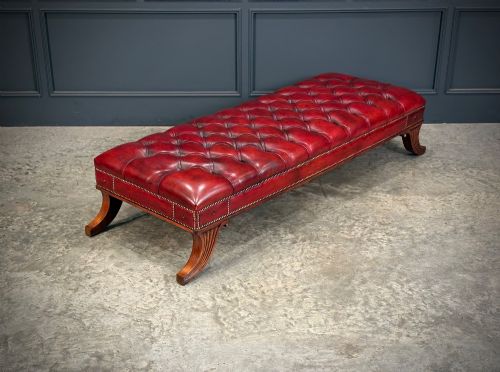
- Buttoned leather
- Upholstery secured by deep indentations formed with buttons pulled tight into the padding, creating a distinctive quilted pattern. This technique provides both structural tension and a firm seating surface.
Mahogany Footstool Bench: Frequently Asked Questions
How do I date a mahogany stool?
Dating relies on observing the leg style, joinery methods, and secondary timbers used in the frame construction. Georgian pieces typically display square tapering or carved cabriole legs, whereas Victorian examples often incorporate heavier turned supports or brass castors.
Upholstery materials and tack types also offer clues, though most seats have been re-covered over time. Comparing the secondary wood inside the frame to known period characteristics provides the most reliable timeline.
What is the difference between a stool and an ottoman?
Stools generally feature an open wooden frame with legs supporting a fixed upholstered or caned top. They serve primarily as foot rests or auxiliary seats for dressing tables and firesides.
Ottomans tend to be larger, often incorporating internal storage compartments beneath a hinged or lift-off seat. They function as central room furniture pieces that combine seating with enclosed utility.
Where should I place a long window seat?
Long window seats suit narrow spaces beneath low windows, long hallways, or the foot of a bed. Their elongated proportions allow them to fit against walls without obstructing room flow.
These benches provide a convenient surface for resting attire or sitting while offering visual length to a room. Placing them away from direct, harsh sunlight protects the mahogany timber and upholstery fabrics from fading.
How do I care for leather upholstery?
Leather seat covers require regular dusting with a soft, dry cloth to prevent grit accumulation in the grain and button folds. Conditioning the hide periodically with appropriate leather balms maintains flexibility and prevents cracking.
Keep these pieces away from direct heat sources such as radiators and firesides to avoid drying out the material. Gentle maintenance preserves the natural patina of buttoned red hide and antique leather.