

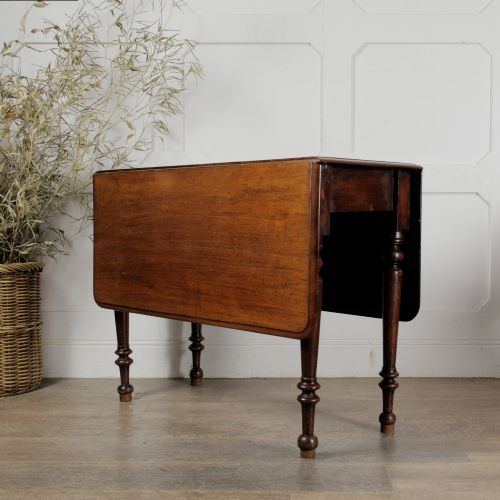
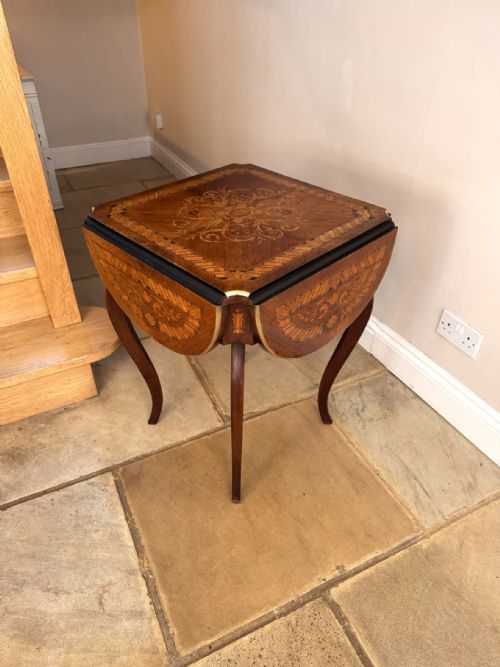
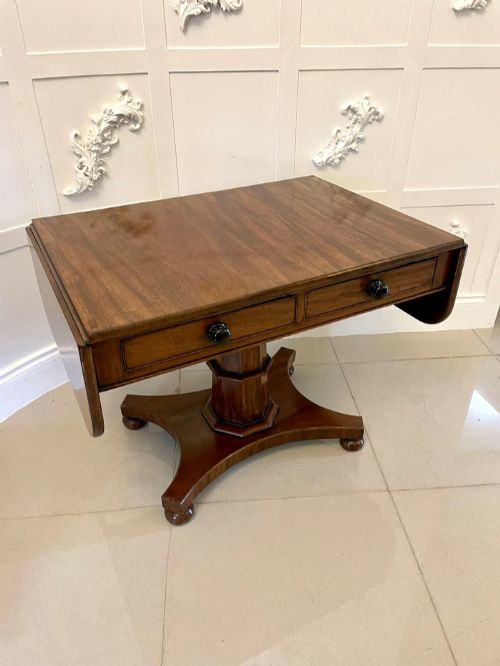
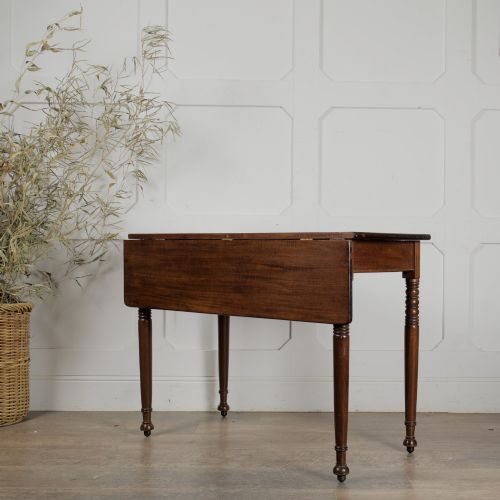
Mahogany Drop Flap Table
When you search for a mahogany drop flap table, you are looking at centuries of versatile folding furniture designed to adapt to shifting room layouts.
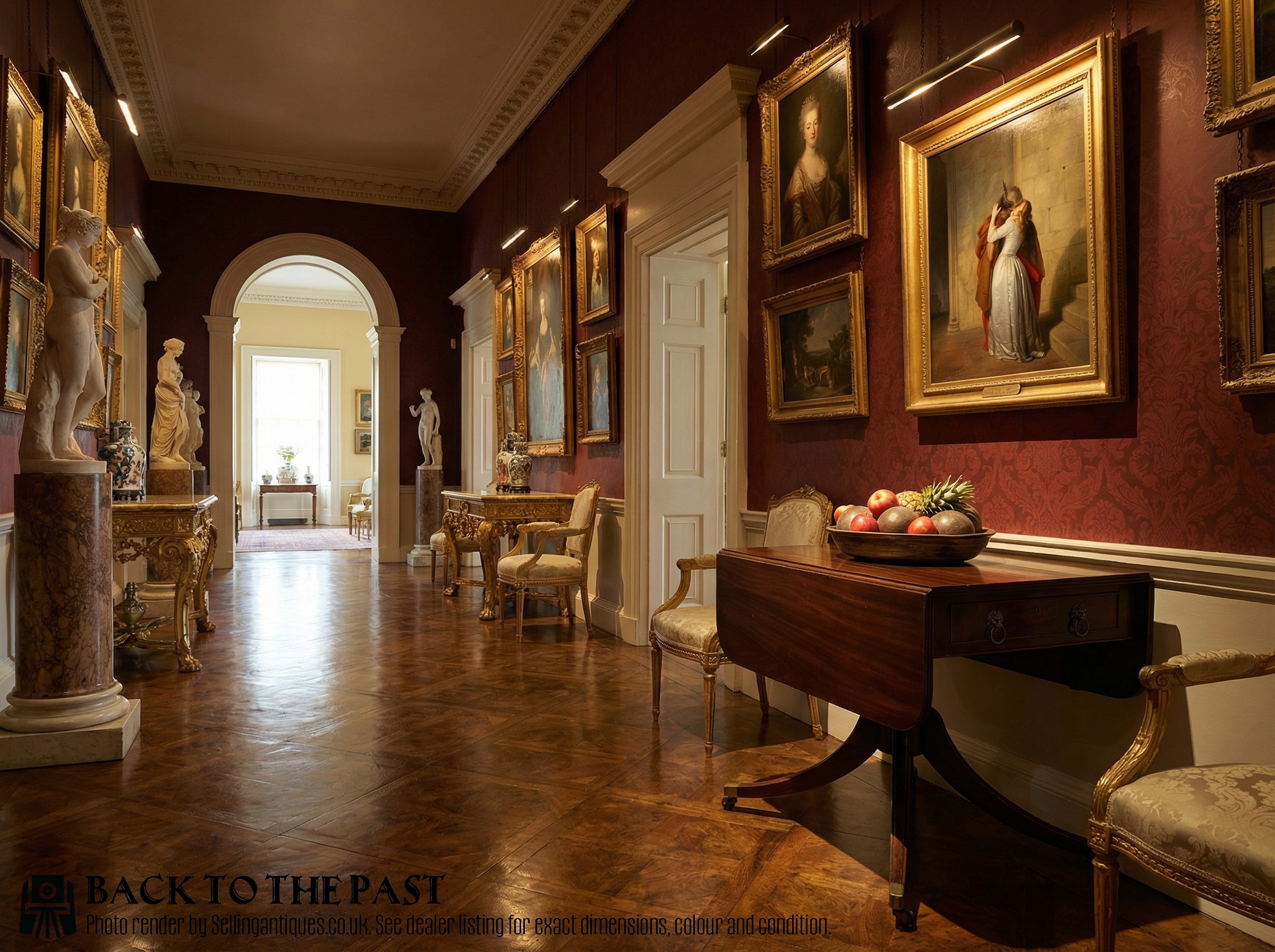
Mahogany Drop Flap Table
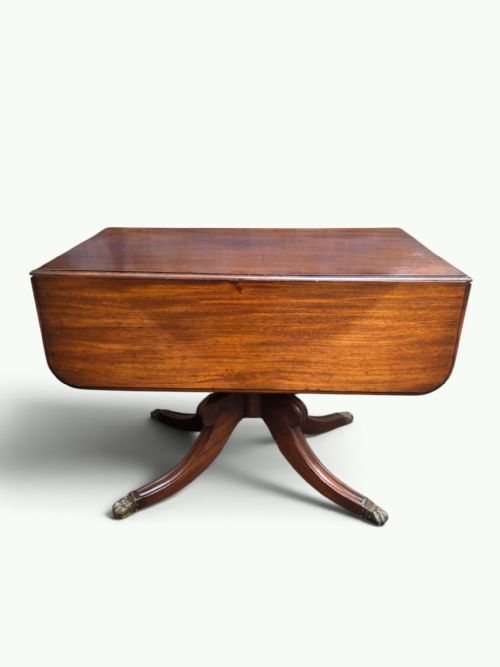
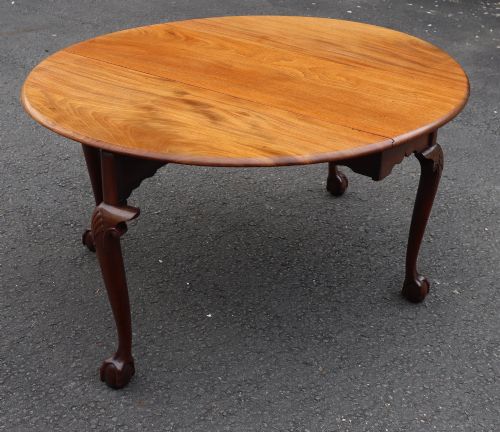
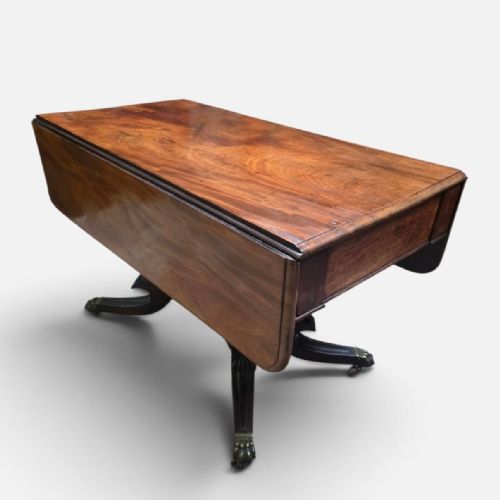
A mahogany drop flap table brings hinged leaves to a central surface, allowing a compact footprint to expand when hosting or working. You will find these pieces spanning the Georgian, Regency, Victorian, and Edwardian periods.
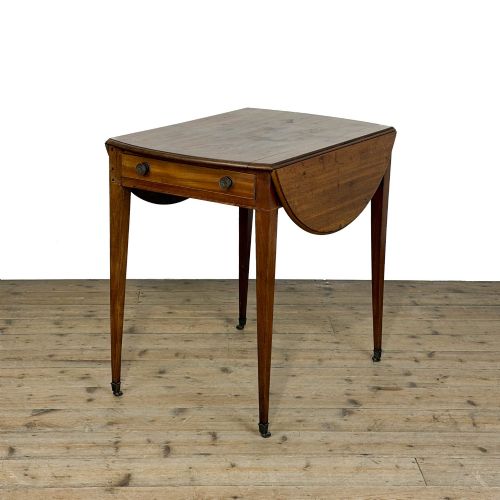
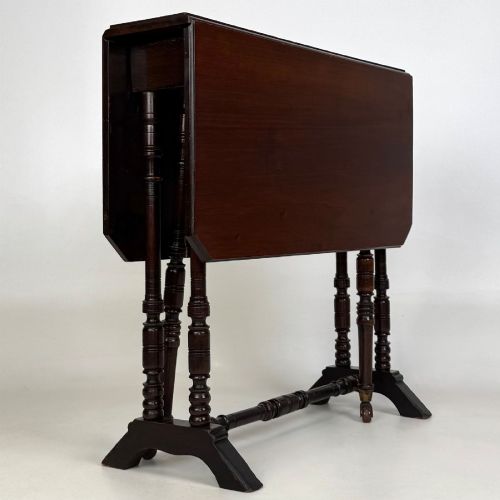
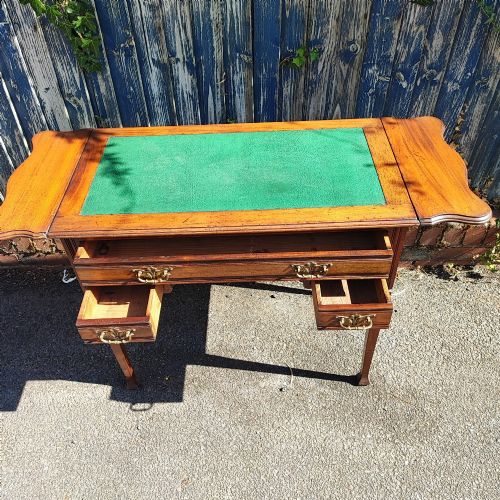
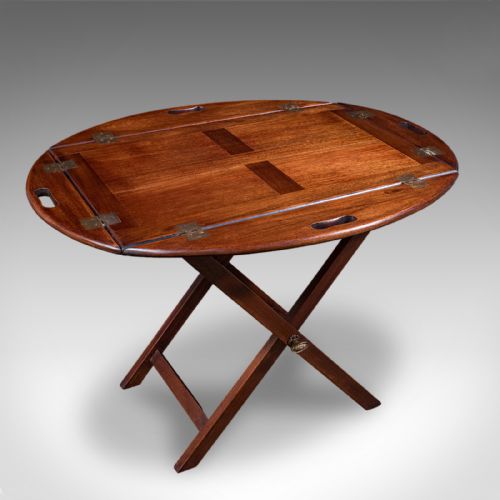
The format covers everything from intimate work tables and occasional lamp stands to grand dining tables and Pembroke forms. Most surviving examples rely on drop leaves supported by folding brackets, swing legs, or gateleg mechanisms.
Makers utilised timber qualities ranging from standard mahogany to figured Cuban varieties and contrasting crossbanding. These tables served multiple domestic functions across centuries, moving effortlessly between parlours, libraries, and dining rooms.
How They Were Made
Cabinet makers built these tables using solid mahogany or dense veneers laid over secondary timbers, frequently incorporating brass castors and metal hardware. Finer workshops selected figured timber or flame mahogany for the top surfaces to catch the light.
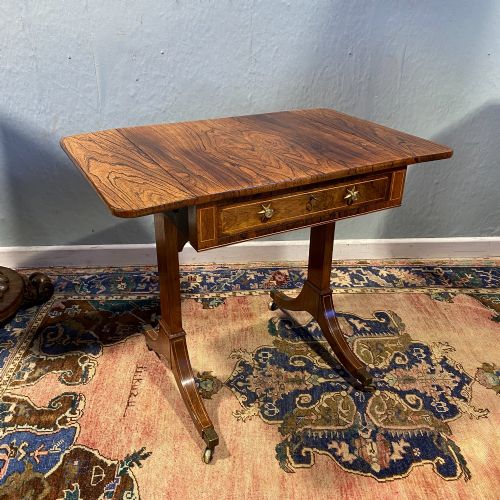
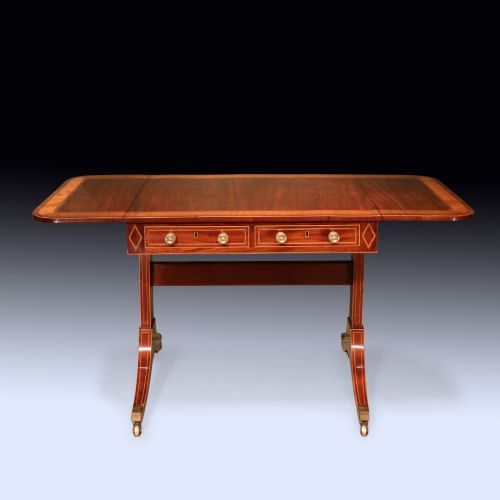
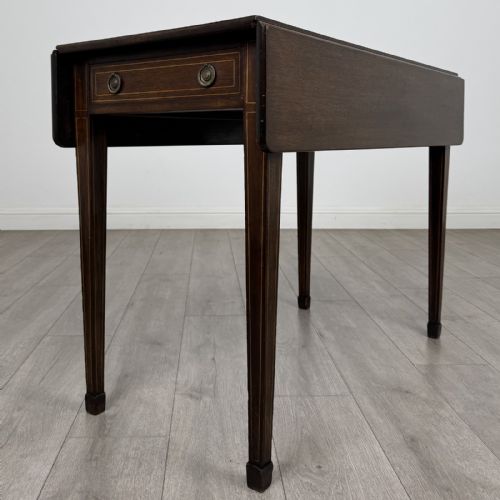
Inlay work often introduced contrasting lines of satinwood, ebony, or general wood inlay to define the borders of the leaves and drawers. Structural stability depended on tight joinery at the hinges and sturdy pivoting legs to support the dropping flaps.
Mahogany Drop Flap Table Retail Price Guide 2026
Typical asking prices for mahogany drop flap table among the pieces listed under this phrase on Sellingantiques today, from the lower quarter to the upper quarter. They describe what is for sale here now, not the wider market.
Deception tables arrived during the Georgian era to trick guests with hidden compartments and clever folding surfaces.
What Varies in Quality
The distinction between ordinary and exceptional pieces rests on the choice of timber and the depth of the figuring in the mahogany. Master craftsmen selected boards with rich natural grain patterns that remained continuous across the flaps when extended.
Construction details such as hand-cut dovetails in the drawers, original brass castors, and smooth hinge mechanisms elevate a piece above standard workshop production. The balance and rigidity of the drop leaves when fully raised indicate the original precision of the build.
James Mein Kelso
The Mahogany Drop Flap Table Glossary
- Pembroke table
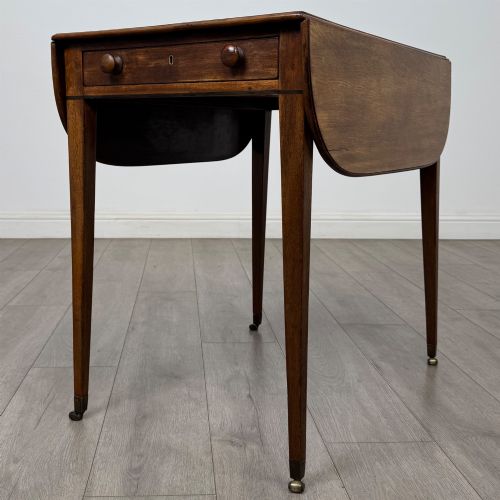
- A small rectangular table featuring two hinged drop flaps on opposing sides, frequently fitted with a drawer. This form gained popularity during the eighteenth century for breakfast or light writing tasks.
- Sutherland table
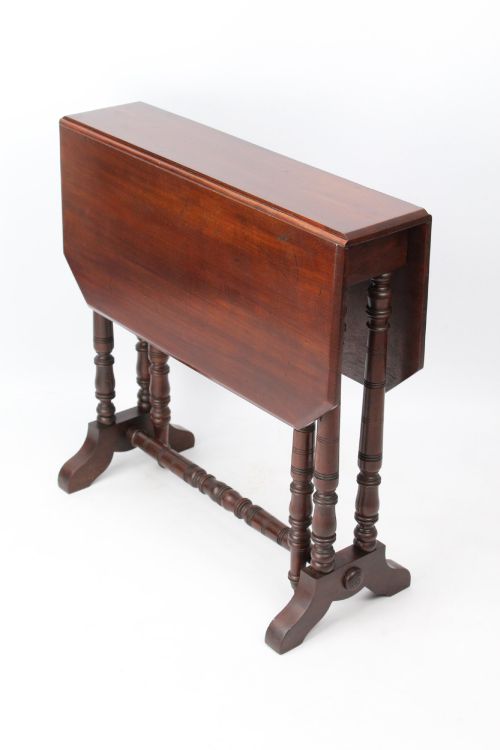
- A narrow table design with exceptionally slender drop leaves supported by swinging gate legs. This Victorian invention maximised floor space when folded completely flat.
- Gateleg table
- A table featuring hinged legs that swing outward on pivots to support the dropped leaves. This mechanism provided robust weight distribution for larger dining surfaces.
- Crossbanding
- A decorative border technique where thin strips of veneer are laid perpendicular to the main grain of the table top. Cabinet makers often used satinwood or rosewood for this contrasting trim.
- Cuban mahogany
- A dense, heavy timber sourced from the Caribbean prized for its deep colour and rich grain. Makers reserved this material for high-status furniture during the Georgian era.
Mahogany Drop Flap Table: Frequently Asked Questions
How do I date a mahogany table?
Dating relies on examining the timber selection, leg styles, joinery techniques, and hardware. Georgian examples often display lighter cabriole or straight tapered legs, while Victorian pieces lean toward heavier turned supports.
Secondary woods inside drawers and the presence of hand-forged screws or original brass castors offer further chronological clues. Comparing the construction methods to known period styles clarifies the era of manufacture.
How were Pembroke tables used?
Pembroke tables served as versatile breakfast, writing, or occasional tables in private homes. Their compact dimensions suited smaller parlour spaces where furniture needed frequent repositioning.
The drop flaps provided extra surface area for writing equipment or serving tea without cluttering the room. Small drawers built into the frame held letters, sewing supplies, or documents.
Are drop leaf tables stable?
Quality drop leaf tables offer reliable stability through sturdy swing legs, folding brackets, or gateleg framing. When properly engineered, the extended leaves lock securely into the horizontal position.
Heavier wood selections and solid pivot joints prevent the flaps from sagging under normal weight. Regular maintenance of the hinge hardware ensures the leaves remain level over decades of use.
What is figured mahogany?
Figured mahogany refers to timber boards displaying natural ripples, swirls, or flame patterns within the grain. Cabinet makers positioned these prized sections on primary table tops to create visual depth.
This distinct figuring results from particular growth conditions in the tree, making each cut unique. Workshops highlighted these patterns using clear polishes to enhance the natural red-brown colour.