


Mahogany Dresser with Slide
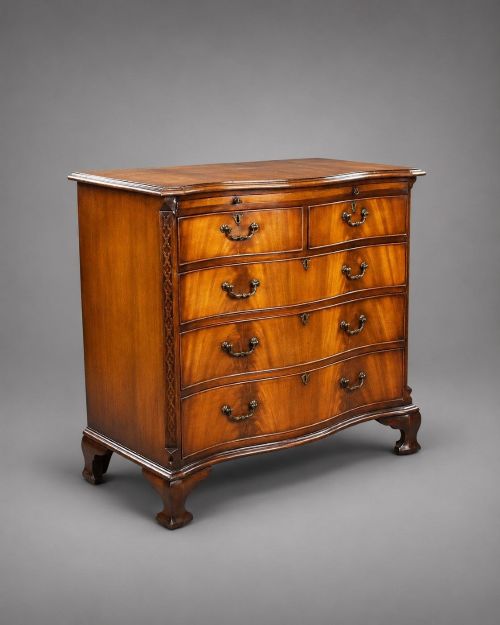
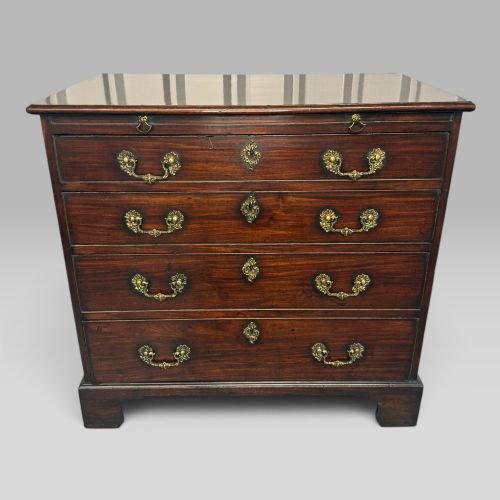
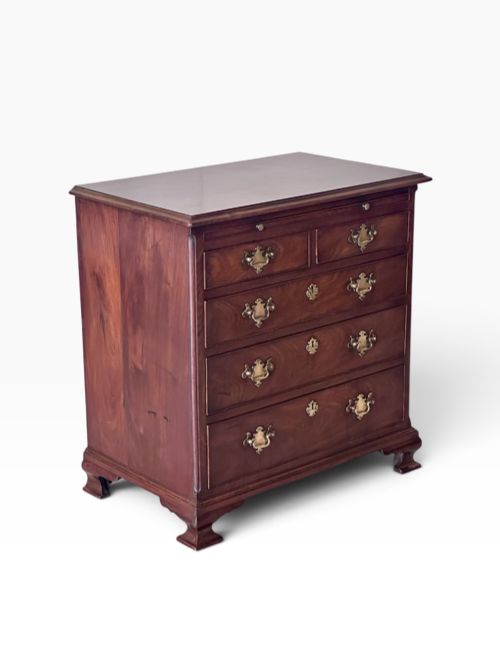
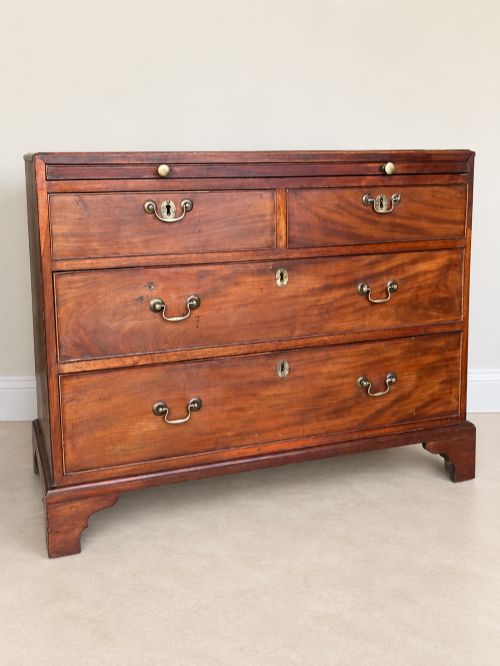
A mahogany dresser with slide brings practical workspace and deep timber warmth into a room, serving as a versatile storage piece from earlier centuries.
Mahogany Dresser with Slide
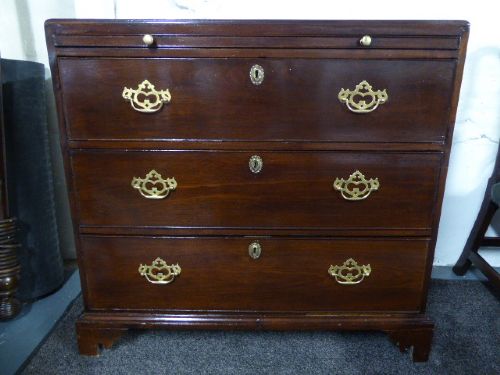
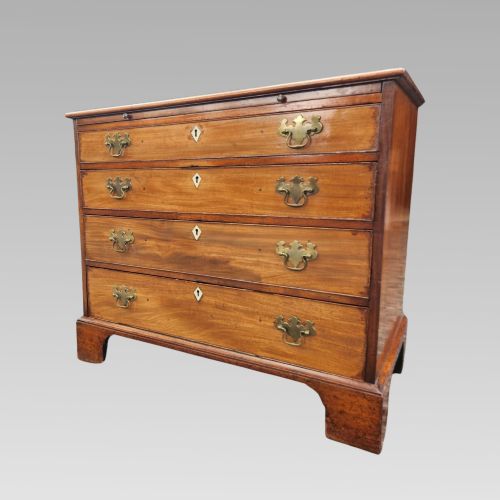
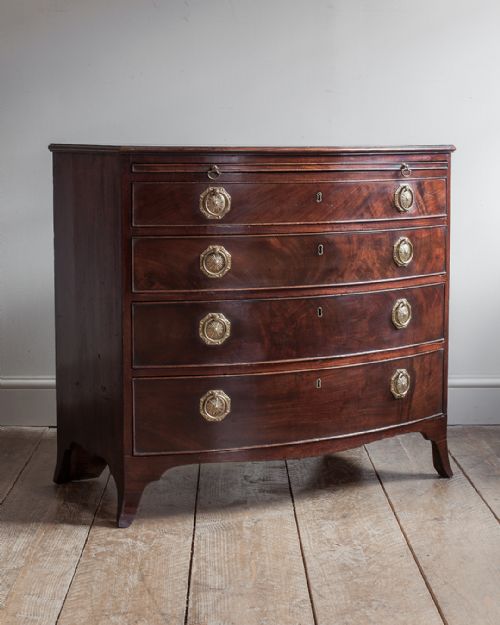
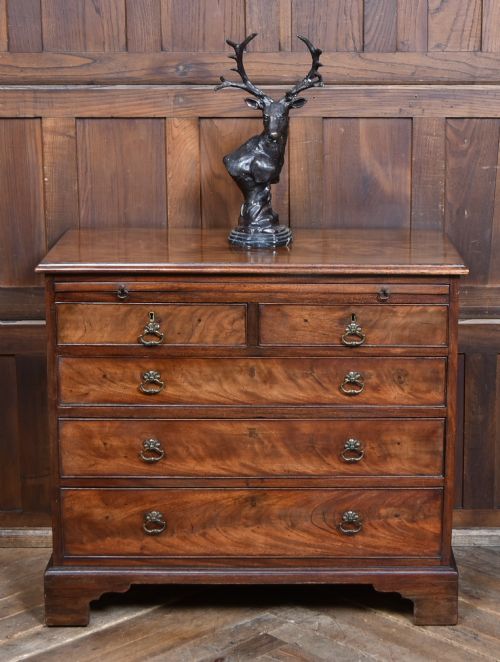
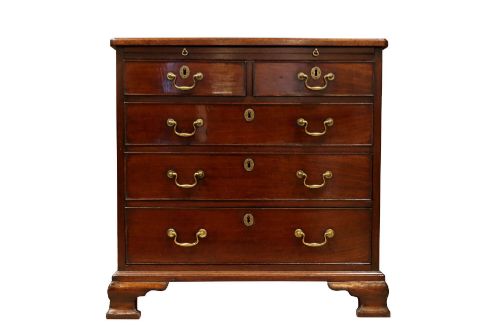
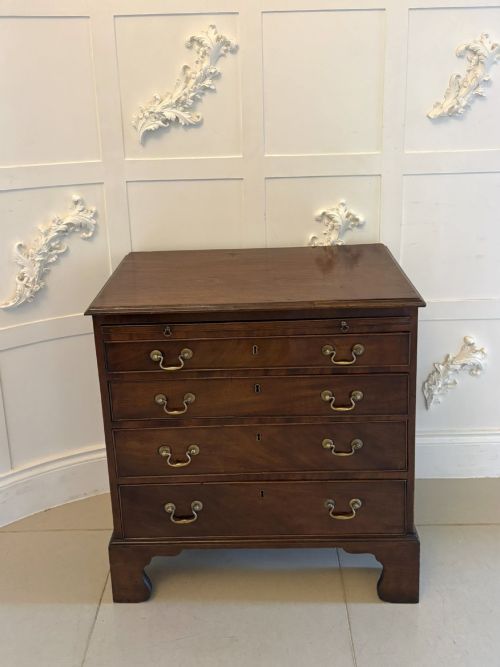
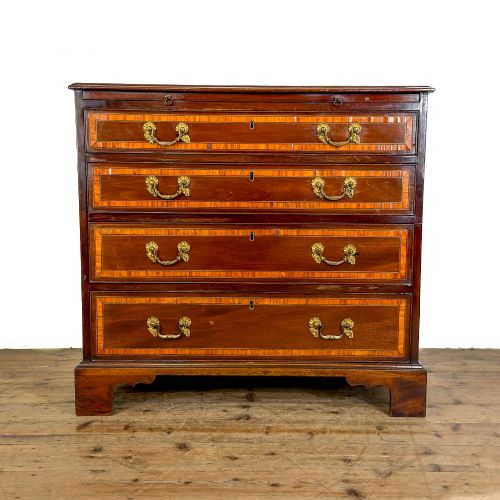
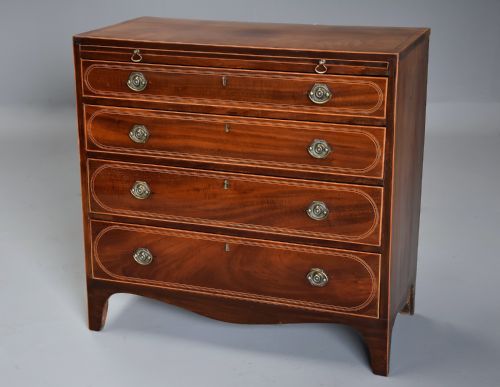
A mahogany dresser with slide is fundamentally a chest of drawers incorporating a pull-out shelf, often termed a brushing slide or writing slide. These pieces appear frequently from the 18th century and the Georgian period, alongside later interpretations in Victorian, Edwardian, and 1920 styles.
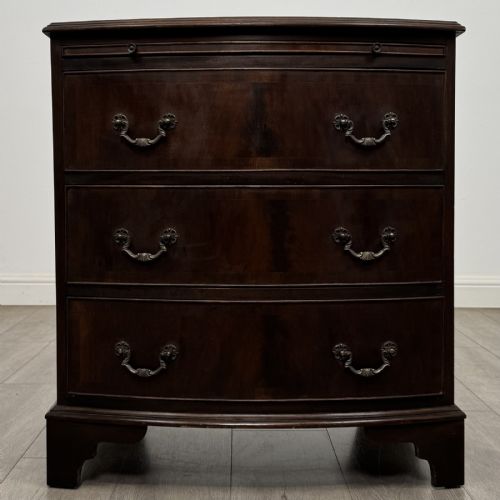
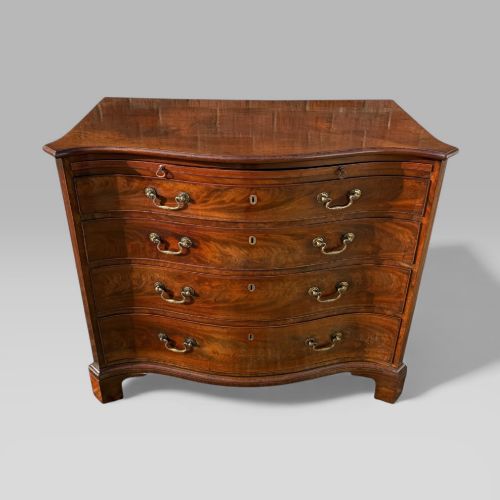
The form functions primarily as a bedroom or dressing chest, with the sliding board originally intended for grooming or temporary writing tasks. Buyers encounter traditional rectangular proportions, compact small formats, bowfront commode shapes, and serpentine fronts.
Originating largely within Georgian and Regency traditions, these items utilise rich timber grains like flame mahogany and figured mahogany. The primary object types span standard chests of drawers and bachelor chests equipped with the characteristic pull-out surface.
Materials and construction methods
Cabinet makers constructed these carcases predominantly using solid mahogany and flame mahogany veneers, complemented by secondary timbers such as oak and pine for drawer linings and internal framing. Satinwood occasionally appears in decorative crossbanding or interior details.
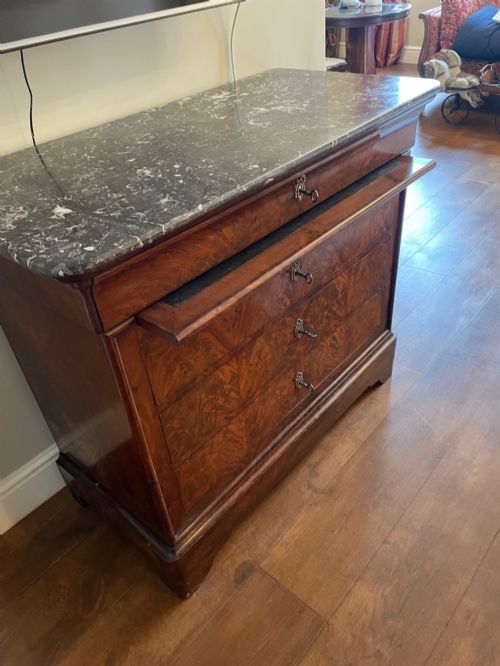
Hardware consists chiefly of brass handles and escutcheons, which secure the drawer fronts. Interiors sometimes incorporate baize lining within the slide mechanism to provide a soft surface for writing or placing grooming items.
Mahogany Dresser with Slide Retail Price Guide 2026
Typical asking prices for mahogany dresser with slide among the pieces listed under this phrase on Sellingantiques today, from the lower quarter to the upper quarter. They describe what is for sale here now, not the wider market.
Period styles span Georgian, Regency, and Victorian eras, alongside 19th-century and 1920 revival pieces.
Distinctions in quality and execution
The upper tier of pieces is distinguished by the selection of highly figured flame mahogany timber and sophisticated shaping, such as serpentine or curved bowfront profiles. Cabinet makers who invested care in matching grain patterns across successive drawer fronts achieved a superior visual harmony.
Mechanical smoothness in the operation of the brushing slide and the drawers indicates careful joinery and proper seasoning of the wood. Simpler proportions and plainer mahogany surfaces define the more utilitarian end of the surviving selection.
The Mahogany Dresser with Slide Glossary
- Brushing slide
- A pull-out shelf integrated just beneath the top surface of a chest, historically used for brushing clothes or light writing. It pushes flush into the carcase when not in use.
- Bachelor chest
- A compact chest of drawers equipped with a slide, traditionally associated with smaller urban residences or gentleman's quarters. These pieces frequently date from the Georgian era.
- Flame mahogany
- A veneer cut from the branch junction or fork of the mahogany tree, yielding a distinctive ripple pattern resembling flickering flames. Cabinet makers prized this timber for principal drawer fronts.
- Bowfront
- A furniture front that curves outward in a convex arc across the width of the chest. This style gained popularity during the late Georgian and Regency periods.
- Serpentine front
- A shaped furniture front featuring a central convex curve flanked by concave sweeps towards the edges. This complex contour requires specialist woodworking skill.
Mahogany Dresser with Slide: Frequently Asked Questions
What is a brushing slide used for?
The pull-out slide served originally as a convenient surface for brushing garments or powdering wigs in the dressing room. It also functioned as a temporary desk for writing letters before sitting down at a full-sized writing table.
In modern rooms, the slide provides a useful perch for holding small items or resting a cup while standing. It retracts completely into the cabinet frame to preserve the clean lines of the chest.
How do I identify a Georgian chest?
Georgian pieces display proportion and timber selection typical of the 18th century, often utilising dense solid mahogany and hand-cut dovetail joints in the drawer construction. Cabinet makers during this era focused on architectural balance and restrained ornamentation.
Details such as original brass drop handles, cockbeading around drawer edges, and oak secondary woods help confirm the period. Later revivals from the Edwardian era or 1920 often mimic these classical proportions using machine-cut elements.
Are bachelor chests different from standard chests?
Bachelor chests are generally smaller in scale than standard bedroom chests of drawers and specifically include the sliding shelf. They were designed for compact living spaces where a dedicated writing desk was impractical.
While standard chests focus purely on vertical storage capacity, the bachelor variant emphasises the multi-functional surface provided by the slide. Both types share similar internal drawer configurations.
Where should I place a chest with a slide?
These chests fit well in bedrooms as functional storage units where the pull-out slide assists with daily dressing routines. They also serve effectively in hallways or studies as decorative accent pieces.
Ensure there is sufficient clearance in front of the chest to pull out the slide comfortably without obstructing walkways. Placing the piece away from direct heat sources protects the mahogany timber from drying out.