


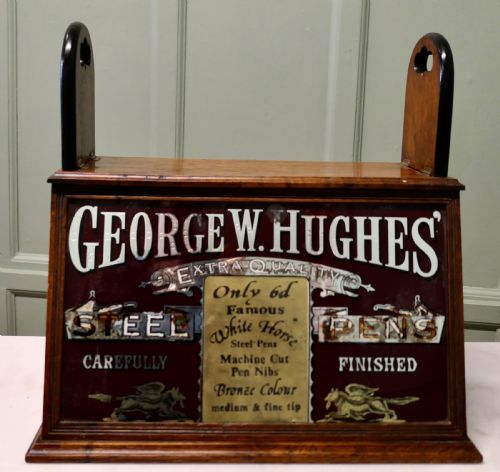
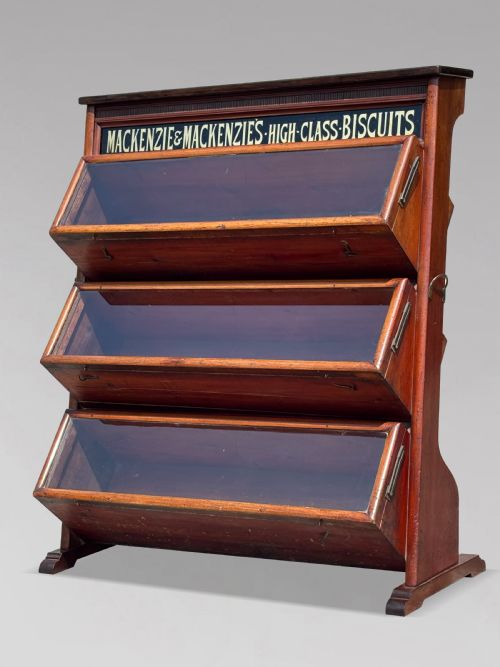
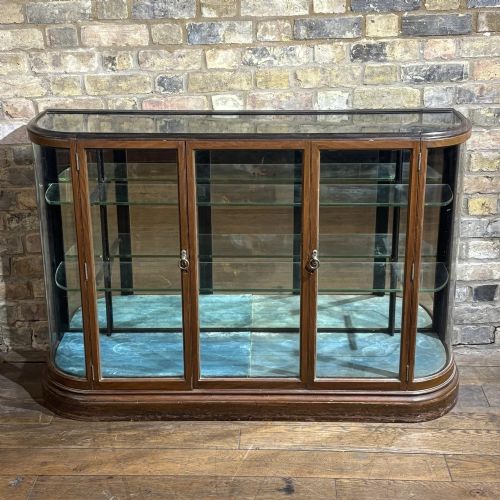


Mahogany Counter Display Cabinet
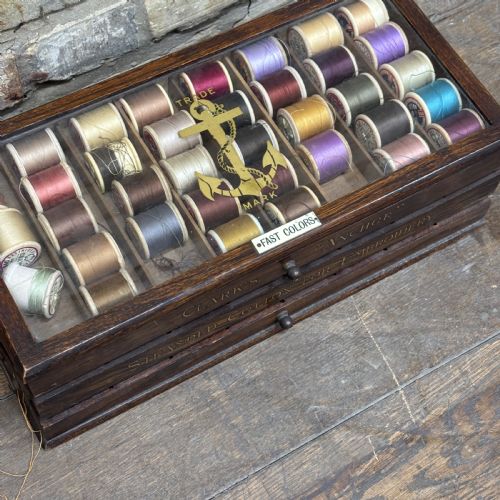
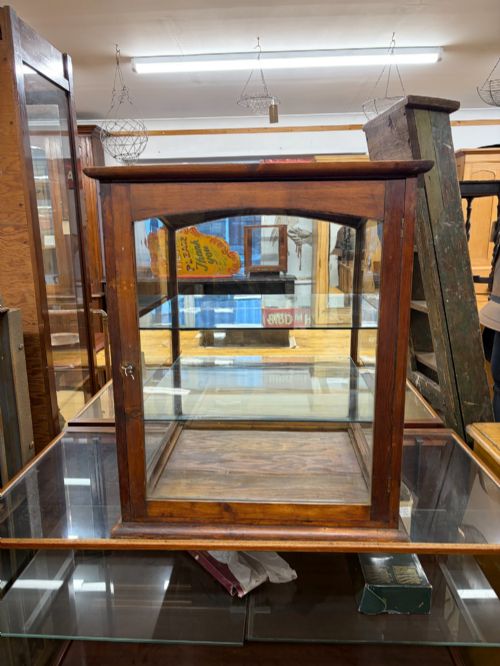
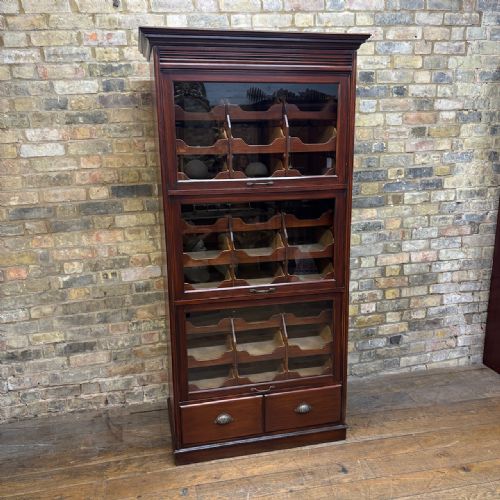
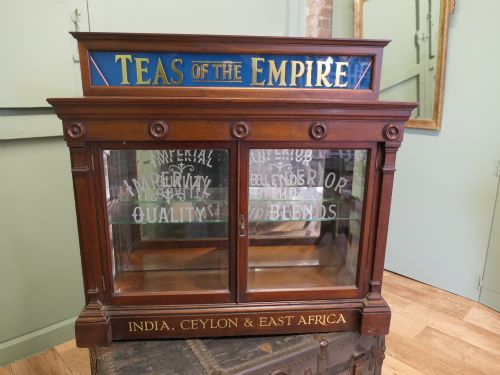
These mahogany counter display cabinet pieces are glazed retail fixtures from the nineteenth and early twentieth centuries designed to showcase goods upon a shop counter.
Mahogany Counter Display Cabinet
A buyer seeking a mahogany counter display cabinet encounters utilitarian retail fixtures spanning the Victorian, Edwardian, and nineteen-twenties commercial eras.
The inventory encompasses table top display cases, haberdashery units, and long shop counters fitted with glazed viewing areas.
Many examples bear commercial lettering or brand associations, including chocolate, soap, and pharmaceutical advertising.
Materials and Construction
Makers constructed the framework using solid mahogany and hardwood, glazed the viewing panels with glass, and incorporated internal mirrors to reflect light through the interior.
Hardware elements typically consist of brass fittings, while internal surfaces occasionally utilise velvet linings or gold leaf signage details.
Mahogany Counter Display Cabinet Retail Price Guide 2026
Typical asking prices for mahogany counter display cabinet among the pieces listed under this phrase on Sellingantiques today, from the lower quarter to the upper quarter. They describe what is for sale here now, not the wider market.
Listings span from eighteen-fifty through the nineteen-thirties, incorporating Victorian, Edwardian, and commercial styles executed in mahogany, glass, and brass.
Commercial Pedigree and Joinery
Superior examples originate from documented commercial outfitters and retain original maker plates alongside crisp glazing bars and uncompromised timber frames.
Lesser or altered pieces rely on later sign-written decoration applied to plain frames, or exhibit heavy timber wear from decades of high street retail use.
F. Sage & Co.·John Stow Ltd of Bradford·E. Pollard & Co. Ltd.
The Mahogany Counter Display Cabinet Glossary
- Mahogany
- A dense tropical hardwood selected for cabinet frames due to its strength and rich red-brown colour. It provides a durable structural skeleton for glass-fronted commercial units.
- Vitrine
- A glass-sided display case intended for the presentation of precious or delicate merchandise. In a retail setting, these sit upon counters to elevate small items.
- Haberdashery cabinet
- A specialised multi-drawer or glazed storage unit designed for sewing cottons and small dry goods. These pieces often feature glass fronts for customer inspection.
- Edwardian
- A stylistic period spanning from nineteen hundred to nineteen ten, characterised by lighter proportions and refined commercial joinery.
- Apothecary box
- A lidded or glazed container used in pharmacies for dispensing medical goods and proprietary remedies.
Mahogany Counter Display Cabinet: Frequently Asked Questions
What items did these cabinets originally hold?
Merchants utilised these glazed enclosures to present confectionery, stationers' goods, sewing cottons, and pharmaceutical supplies directly to retail customers.
The commercial framing kept delicate stock protected behind glass while maintaining clear visibility across the shop counter.
How do I identify a nineteen-twenties commercial piece?
Nineteen-twenties specimens often incorporate specific retail branding, mechanical dispensing mechanisms, or simpler geometric framing associated with early twentieth-century shop design.
Makers such as Pollard and Sage stamped their work or utilised distinct hardware during this decade.
Are the advertising signs original?
Some cabinets retain contemporary manufacturer lettering for brands like Fry, Cadbury, and Rowntree, while others carry later sign-written decoration.
Examining the relationship between the paint layer and the timber surface helps determine whether the branding dates to the active retail period.
How do I care for the timber and glass?
Maintain the mahogany surfaces with traditional wax polish and keep the glass panes clean using standard non-abrasive window solutions.
Protect the internal velvet linings and mirror backs from excessive direct sunlight to prevent fading and deterioration.