




Dark Wood Counter Cabinet
A dark wood counter cabinet is a commercial antique built to showcase goods on a shop counter, bringing genuine period function to modern interiors.
Dark Wood Counter Cabinet
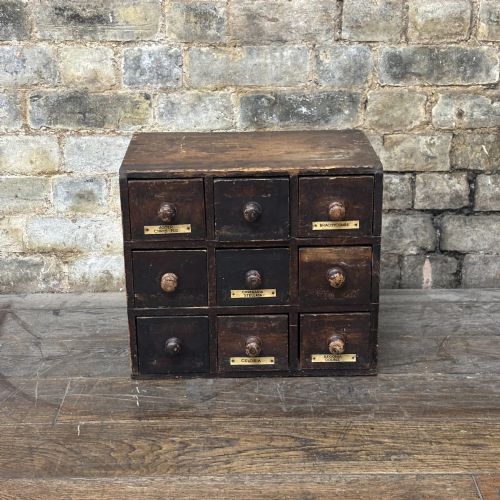
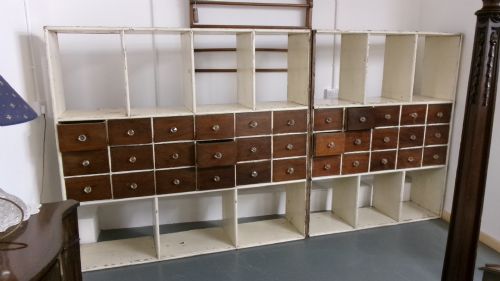
A dark wood counter cabinet serves as a countertop showcase or storage unit drawn from nineteenth and twentieth-century commercial spaces. Buyers searching for a dark wood counter cabinet encounter pieces originating from chemist shops, draperies, sweet shops, and florists. These utilitarian forms include haberdashery cabinets, seed chests, needle drawer cabinets, and advertising display units.
The most common versions on this page span the Victorian, Edwardian, and interwar commercial periods. Materials range from solid mahogany and oak to walnut and pine, frequently paired with glazed panels and brass hardware. Each object reflects the practical demands of trade, designed to sit atop counters and serve customers directly.
What varies in quality
The distinction between tiers rests upon the choice of timber and the complexity of the internal joinery. Higher quality examples utilise solid mahogany or walnut with precision-cut dovetail drawers and original glass.
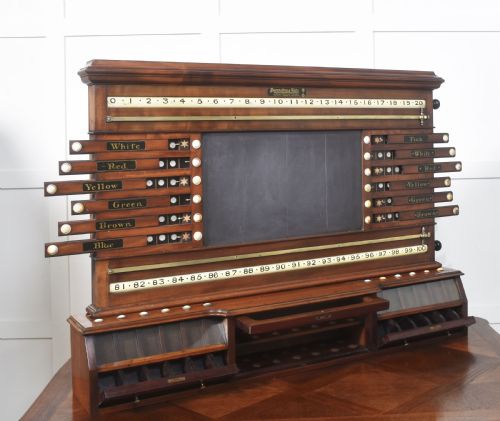
Commercial provenance and maker attribution elevate certain pieces, particularly those bearing manufacturer plates or branded advertising elements. Simpler pine or utilitarian workshop pieces represent a more modest tier of construction.
Listings feature commercial furnishings from the 1870s through the 1930s, constructed in mahogany, oak, walnut, pine, and glass.
F. Sage & Co. London·Rowntree’s Chocolates·Cadbury's·Venus Pencil
The Dark Wood Counter Cabinet Glossary
- Haberdashery cabinet
- A multi-drawer retail unit originally designed for storing sewing accessories, ribbons, and small garments. These pieces often feature glass fronts or pull-out trays.
- Chemist shop fitting
- Commercial furniture produced for pharmacies, typically featuring numerous small drawers or labelled compartments for botanical and chemical storage.
- Countertop display
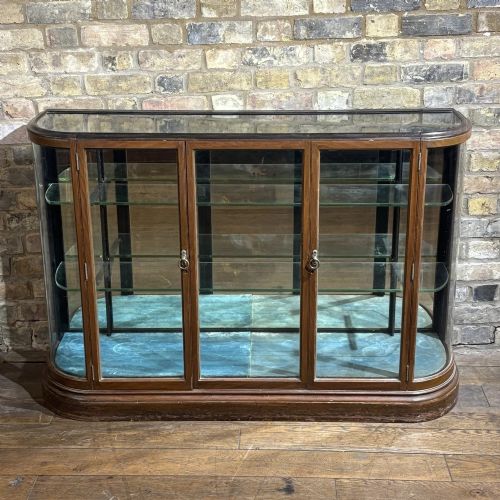
- A glazed showcase built to sit upon a shop counter so that goods remain visible to buyers while secured behind locked doors.
- Dovetail
- A traditional interlocking woodworking joint used in drawer construction to ensure durable corners without relying on metal fasteners.
- Shop counter
- A substantial retail furnishing with a finished display surface on top and storage or serving space behind for the merchant.
Dark Wood Counter Cabinet: Frequently Asked Questions
What trades used these cabinets?
Merchants in draperies, chemist shops, sweet shops, and florists utilised these cabinets to organise and display stock.
Specialised trades required specific drawer configurations and glazed compartments tailored to their goods.
How do I date a cabinet?
Dating relies on the prevailing style, timber choices, and construction methods characteristic of periods like the Victorian era or the 1920s.
Trade labels, advertising typography, and patent brass hardware also offer precise chronological clues.
Can I use one at home?
These cabinets adapt readily to modern domestic spaces as storage furniture or surface displays in kitchens, hallways, and living rooms.
Their glass fronts and drawers provide practical organisation while displaying collectibles.
What woods were used?
Cabinetmakers primarily worked with dense hardwoods including mahogany, oak, and walnut for visible exterior surfaces and structural frames.
Secondary timbers such as pine appeared in concealed drawer linings and internal framing.