

Mahogany Corner Display Stand
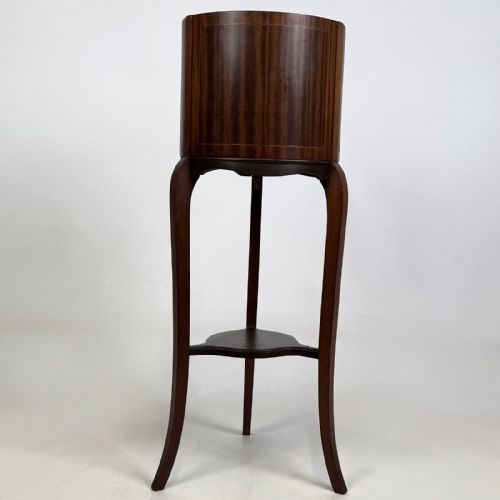
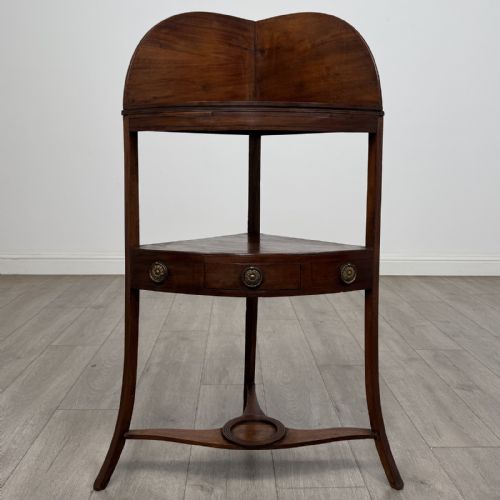
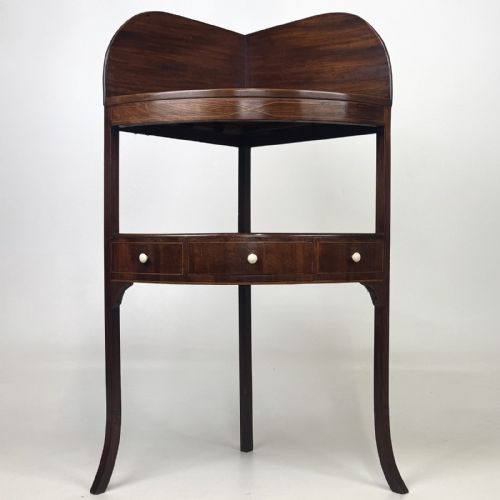
Mahogany corner display stand items combine timber structure with triangular utility, designed to occupy unused room junctions while exhibiting decorative objects.
Mahogany Corner Display Stand
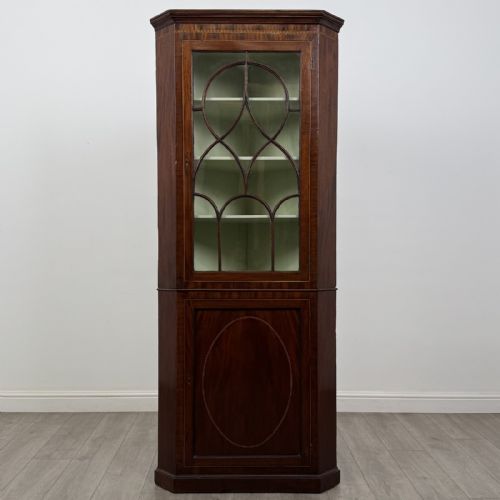
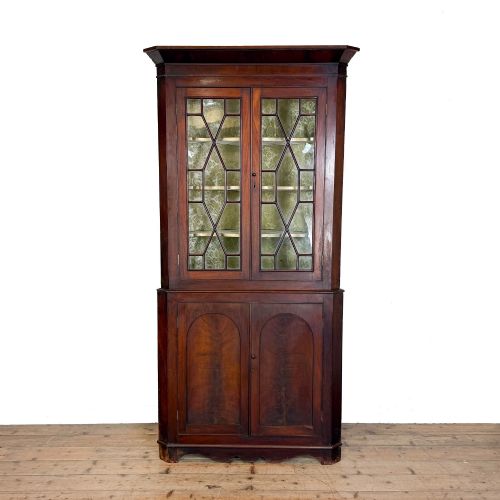
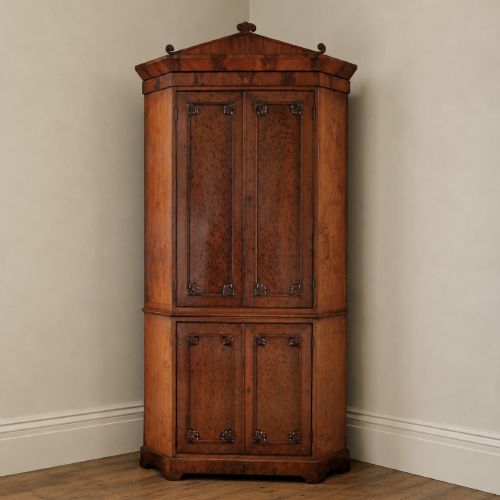
A mahogany corner display stand serves to utilise neglected domestic angles, taking the form of upright cupboards, tiered shelves, and glazed cabinets.
The pieces appearing on this page span the Georgian, Victorian, and Edwardian periods, alongside later 20th-century revivals.
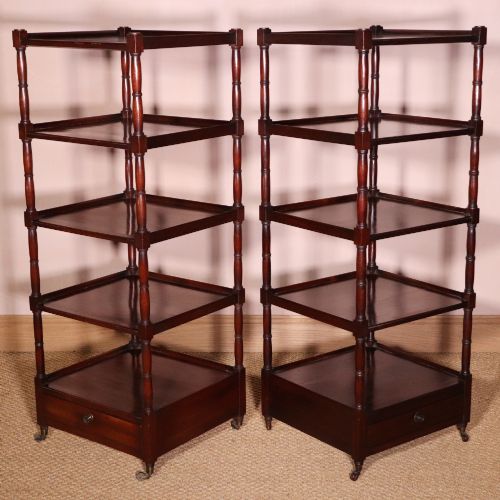
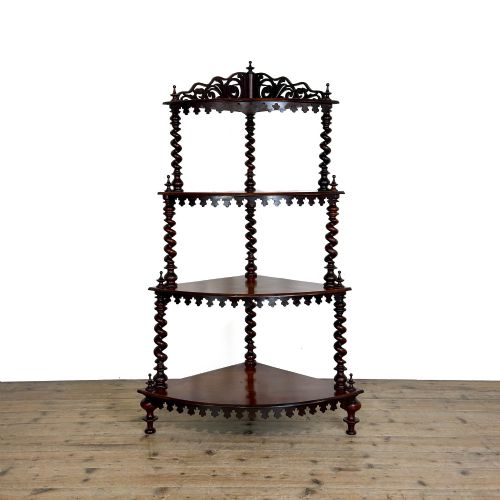
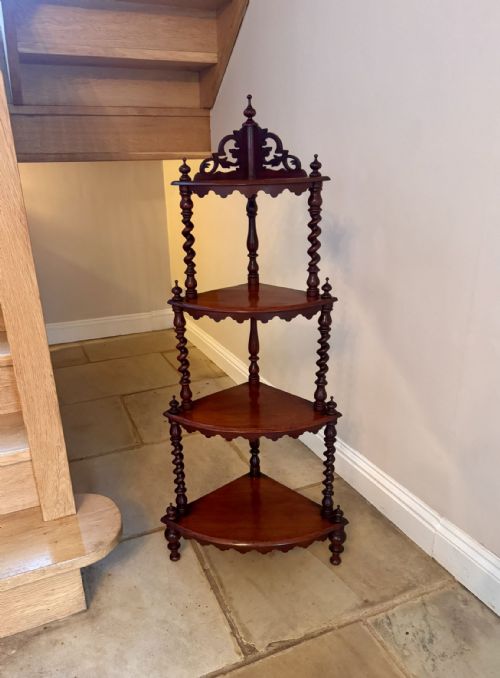
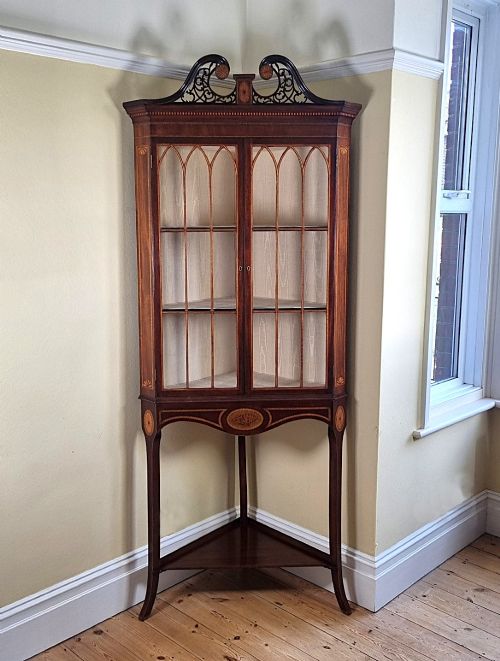
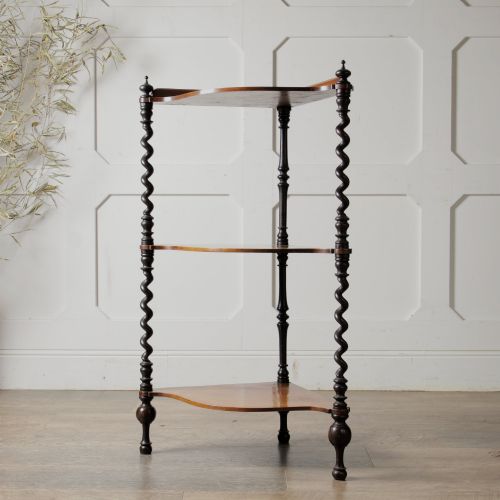
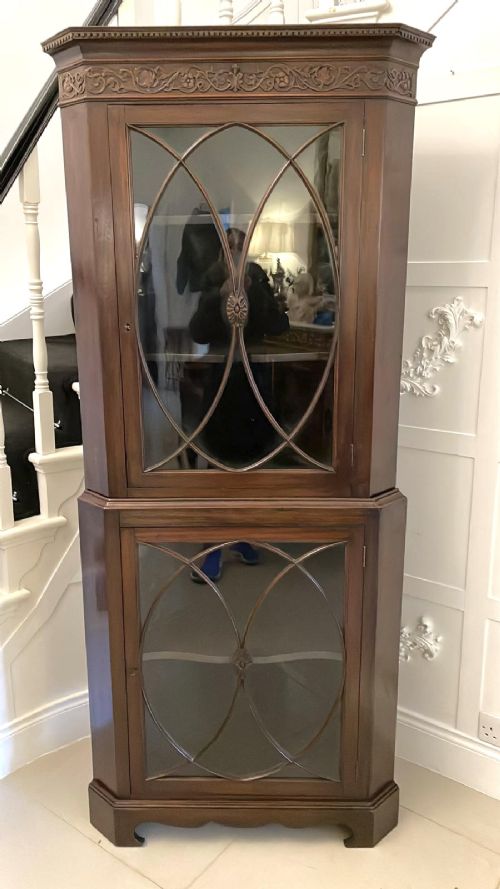
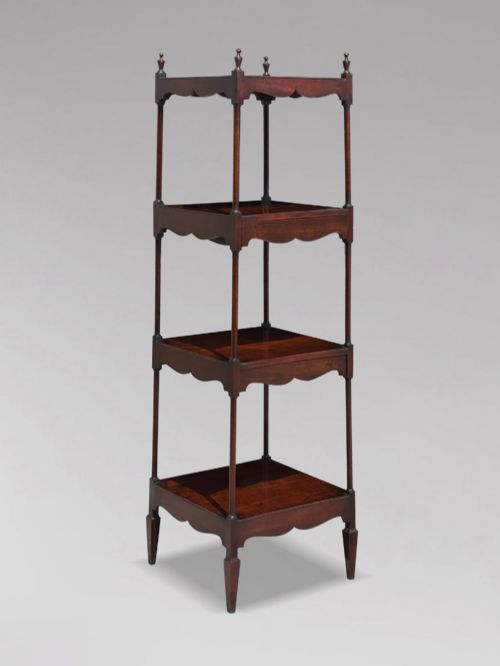
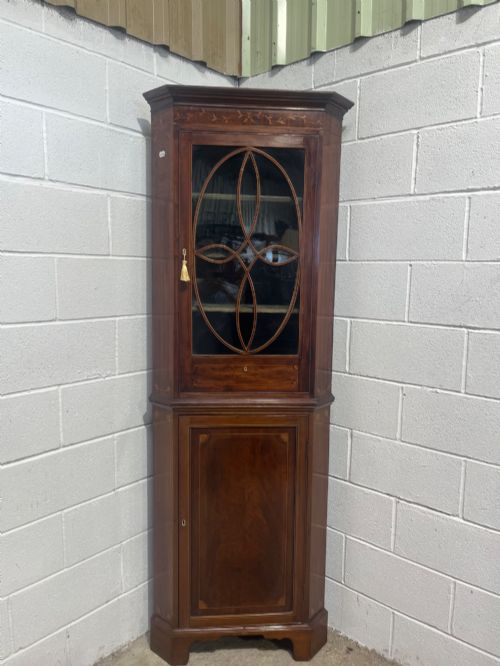
Common variations include floor-standing corner cupboards, open whatnots with multiple tiers, and glazed display units intended to show ceramic and glass collections.
How they were made
Makers utilised solid mahogany and flame mahogany veneers, often incorporating secondary timbers such as oak and walnut within internal framing.
Decorative surfaces frequently incorporate satinwood inlay, boxwood stringing, and brass hardware such as key escutcheons and hinges.
Glazing takes multiple forms, from simple rectangular panes to astragal bars and curved bow-front glass doors.
Mahogany Corner Display Stand Retail Price Guide 2026
Typical asking prices for mahogany corner display stand among the pieces listed under this phrase on Sellingantiques today, from the lower quarter to the upper quarter. They describe what is for sale here now, not the wider market.
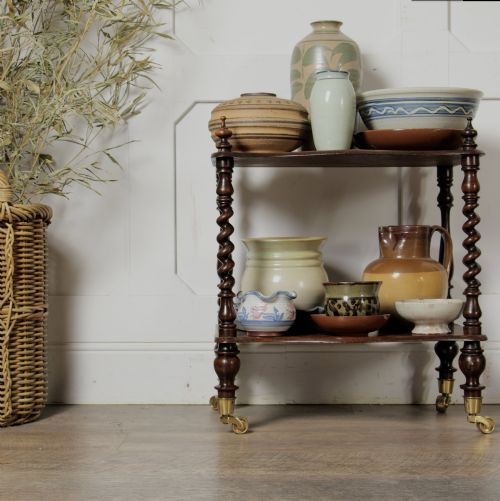
Some upright stands feature barley twist columns that look ready to dance across the floorboards.
What varies in quality
Timber selection distinguishes ordinary examples from superior pieces, with figured plum pudding mahogany and well-matched flame grains commanding higher regard.
The refinement of internal joinery, including dovetailed shelf construction and tightly fitted door frames, dictates structural integrity over centuries of use.
The intricacy of decorative enrichment, such as fine boxwood stringing, marquetry inlay, and carved astragal glazing bars, separates standard utility furniture from high-status cabinet work.
Gillows·Edwards & Roberts
The Mahogany Corner Display Stand Glossary
- Astragal glazed
- A method of framing glass panes with slender wooden mouldings arranged in geometric or intersecting patterns.
- Whatnot
- A tiered open shelving unit designed for displaying ornaments, books, or small objects across multiple levels.
- Bow front
- A convex curved cabinet or tabletop front that projects outward from the corner angles.
- Stringing
- Thin inlaid lines of contrasting light-coloured wood, such as boxwood, used to edge panels and drawers.
Mahogany Corner Display Stand: Frequently Asked Questions
What is a corner whatnot?
A corner whatnot is an open-tiered shelving unit designed to fit neatly into room angles while displaying small decorative objects.
These pieces typically feature three to four graduated tiers supported by turned or barley twist uprights.
How do I date a mahogany corner cabinet?
Dating relies on observing construction methods, timber choice, and prevailing stylistic details recorded across periods like the Georgian era and Edwardian times.
Earlier 18th-century pieces often display solid timber construction and simpler joinery, whereas Edwardian examples frequently incorporate elaborate satinwood inlay and revival motifs.
Where should I place a corner display stand?
These stands fit directly into interior room corners, making efficient use of space that standard rectangular furniture leaves empty.
They work effectively in dining rooms, drawing rooms, and hallways for exhibiting glassware, ceramics, and books.
What is the difference between a cupboard and a whatnot?
A corner cupboard encloses its contents behind solid or glazed doors, keeping dust away from stored items.
An open whatnot provides accessible, unhindered shelving primarily intended for immediate visual display rather than secure storage.