

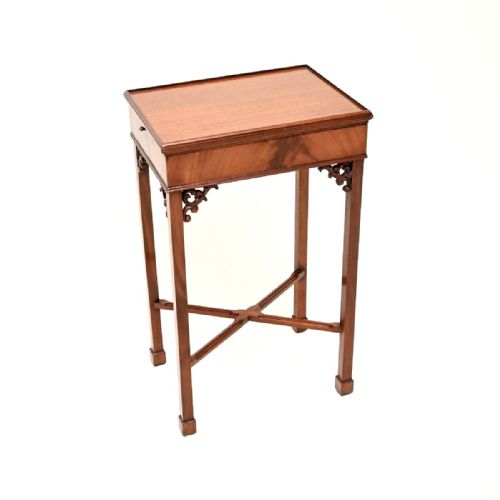
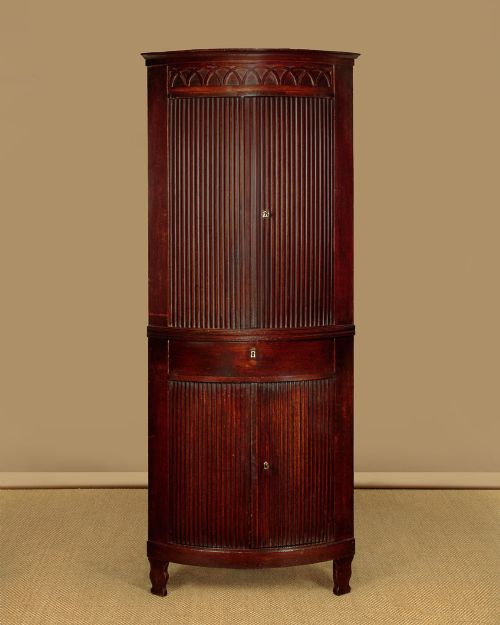
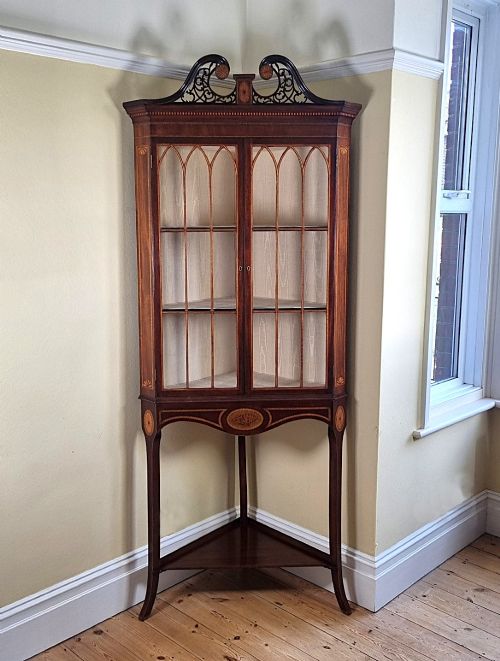
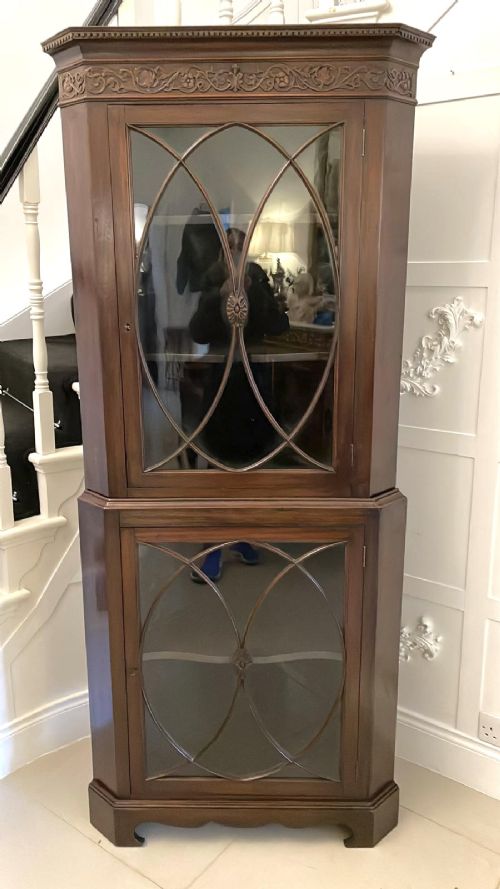

Georgian Mahogany Corner Stand
A georgian mahogany corner stand offers a clever way to utilise empty rooms, combining compact geometry with sturdy timber.
Georgian Mahogany Corner Stand
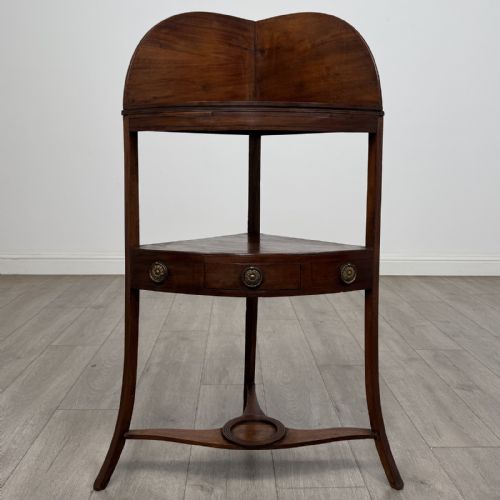
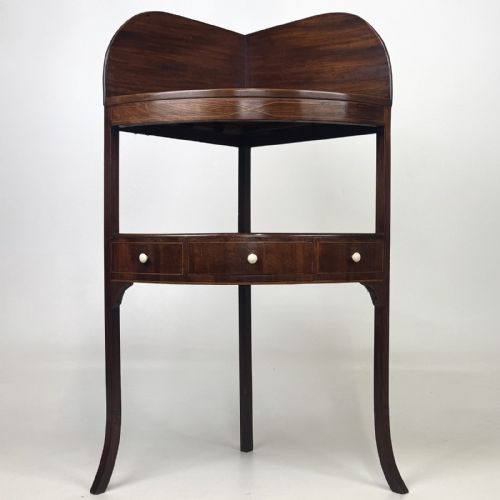
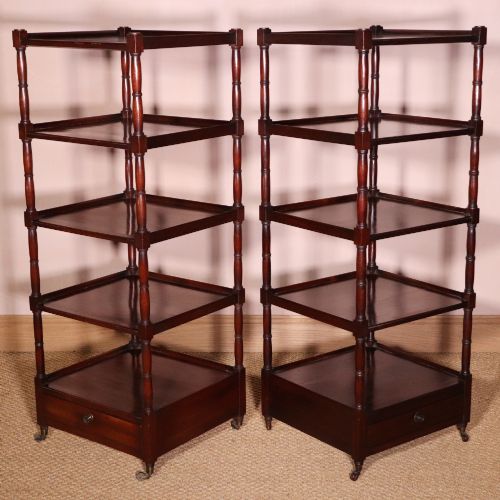
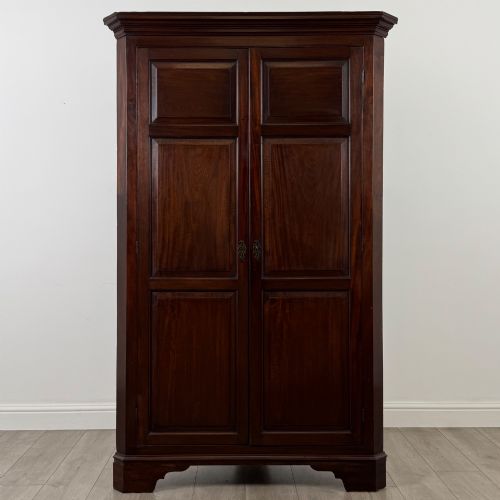
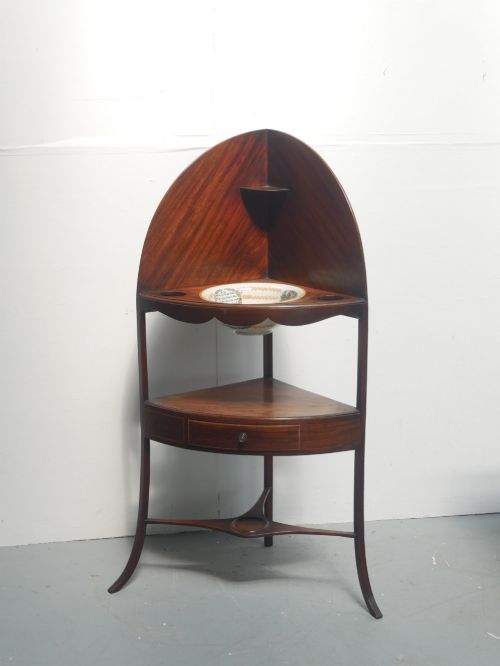
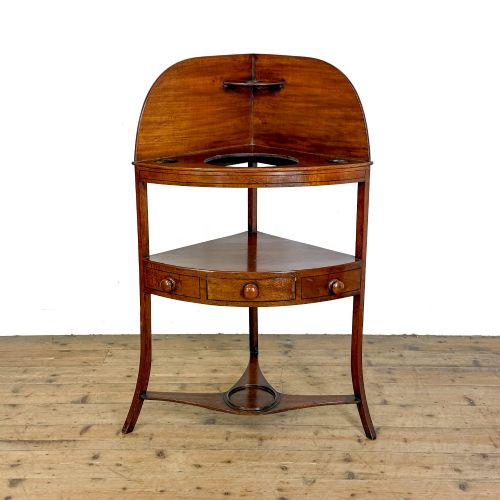
A georgian mahogany corner stand is a functional item designed to fit neatly into domestic angles, appearing frequently as washstands, wall-hanging cupboards, and floor-standing cabinets.
The pieces seen here span periods from the eighteenth century through the regency era and into later revival styles, utilising the natural angles of domestic architecture.
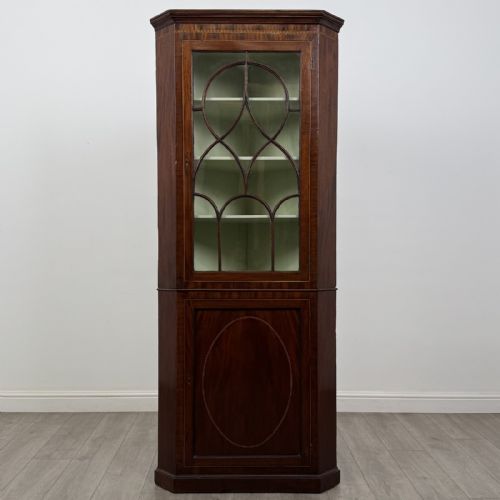
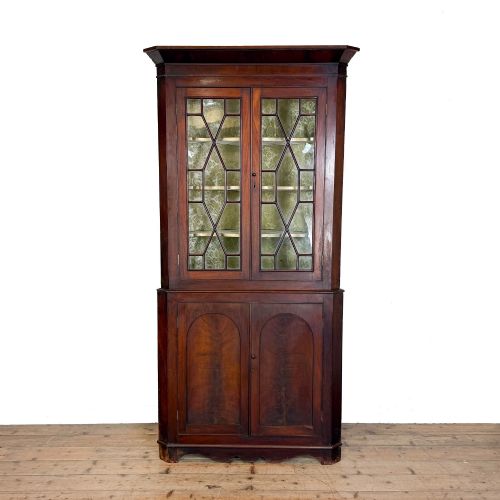
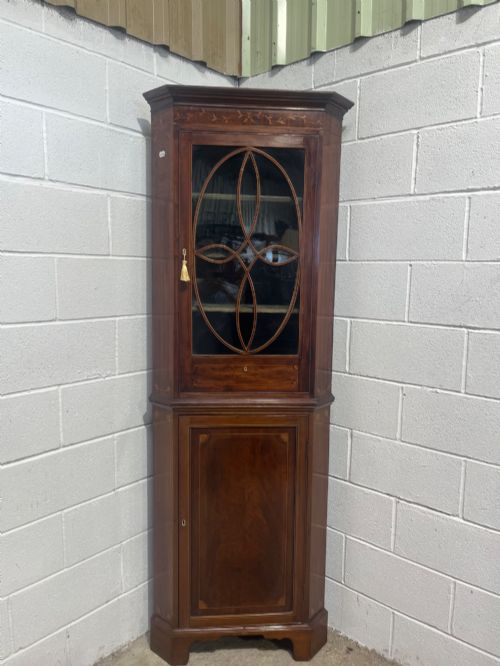
Washstands and tall cupboards dominate the selection, often featuring enclosed basin apertures or glazed display doors tailored for domestic corners.
How They Were Made
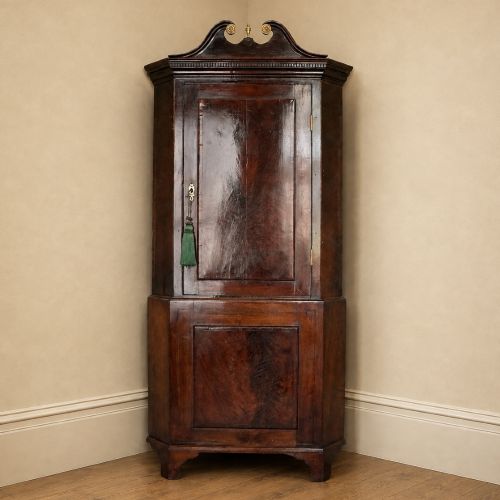
Construction relies heavily on solid mahogany and Cuban mahogany timbers, occasionally incorporating flame mahogany veneers for enhanced grain patterns.
Cabinetmakers integrated contrasting stringing and banding using satinwood and boxwood, while secondary woods provided structural support inside cupboards.
Glazing takes the form of astragal bars framing individual glass panes, and brass hardware secures doors and supports folding washbasin tops.
Georgian Mahogany Corner Stand Retail Price Guide 2026
Typical asking prices for georgian mahogany corner stand among the pieces listed under this phrase on Sellingantiques today, from the lower quarter to the upper quarter. They describe what is for sale here now, not the wider market.
Listings feature mahogany, satinwood, and boxwood across periods spanning the eighteenth century to the edwardian era.
What Varies in Quality
The refinement of timber selection distinguishes standard pieces from superior examples, particularly where figured mahogany or complex grain matching appears on curved doors.
Inlay work ranges from simple boxwood lines to intricate satinwood swags and paterae, demonstrating the dexterity of the original cabinetmaker.
Structural integrity depends on the original joinery within the tight angles, where dovetailed frames and well-fitted doors maintain alignment over centuries.
Gillows
The Georgian Mahogany Corner Stand Glossary
- Astragal
- A small moulding profile, frequently used in strips to divide glass panes within cabinet doors. These wooden bars form geometric grid patterns across glazed openings.
- Boxwood
- A dense, pale yellow timber utilised for fine stringing and contrasting inlay details. Cabinetmakers choose this wood for sharp, precise geometric lines.
- Cuban Mahogany
- A dense, dark variety of mahogany prized for rich colour and heavy weight. Furniture from the eighteenth century often employs this specific timber.
- Satinwood
- A lustrous, yellowish timber used for decorative veneers and marquetry panels. Its reflective quality provides contrast against darker mahogany surfaces.
- Wig Stand
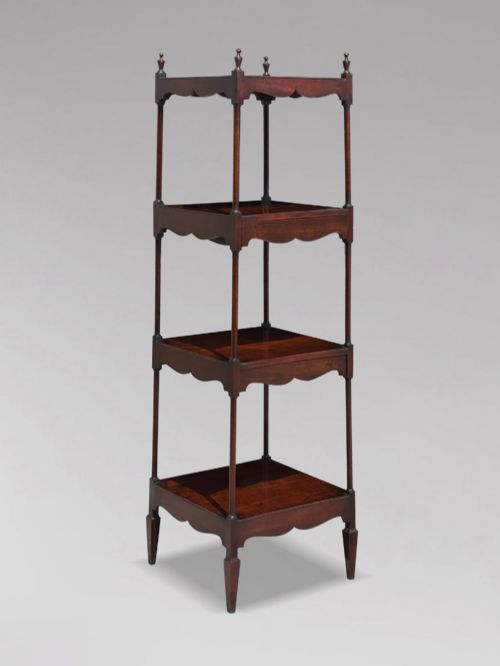
- A small tripod table or tiered stand historically used for powdering and storing gentlemen's wigs. These compact pieces feature circular basins or small tiers.
Georgian Mahogany Corner Stand: Frequently Asked Questions
What is a georgian mahogany corner stand used for?
These versatile pieces served various domestic functions, from holding washbasins and powder bowls in bedrooms to displaying ceramic collections in reception rooms.
Their angled design allowed households to utilise awkward room junctions efficiently without obstructing floor space.
How do I identify a george iii piece?
George III pieces typically display restrained classical proportions, often incorporating bracket feet, brass ring handles, and subtle string inlay.
Timber choice during this period leaned towards dense mahogany with deep natural patination developed over generations.
Are washstands and corner cabinets the same?
Washstands generally feature indented tops or circular apertures designed to hold ceramic basins, sometimes accompanied by lower shelves for water jugs.
Corner cabinets focus instead on enclosed shelving or glazed display areas behind solid timber or glass doors.
Where should I place a corner stand at home?
These items fit naturally into unused room junctions, transforming dead space into practical storage or display areas.
Standing models anchor room corners securely, while wall-hanging versions free up floor space entirely beneath them.