
Mahogany Column Stand
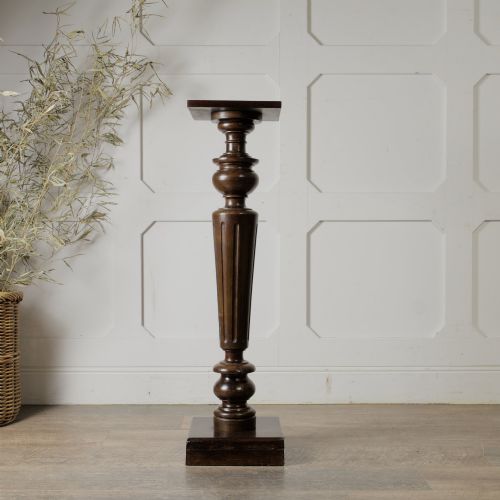
A mahogany column stand supports lamps, plants, and small objects on pedestals of timber, brass, and marble.
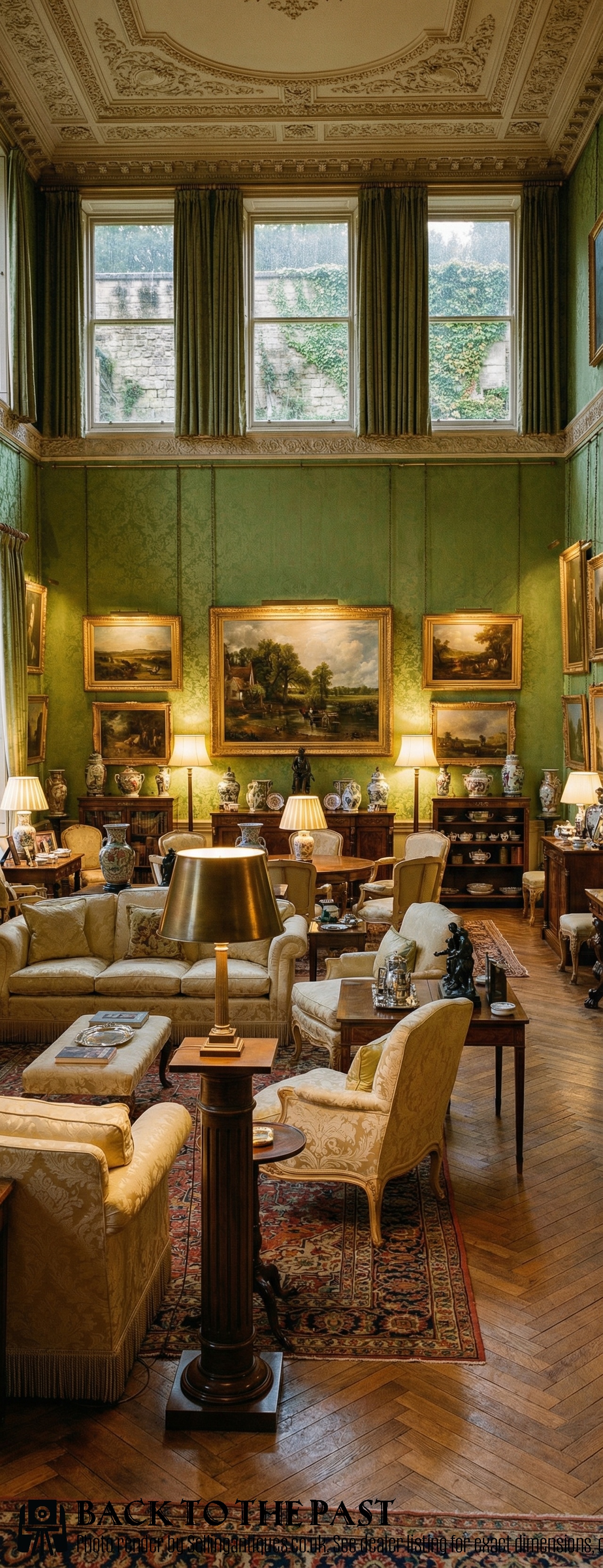
Mahogany Column Stand
A mahogany column stand encompasses vertical display forms like torcheres, plant stands, and occasional pieces originating across the Georgian, Regency, Victorian, and Edwardian periods. Buyers searching for a mahogany column stand look for raised platforms designed to display decorative objects, lamps, or plants within a room.
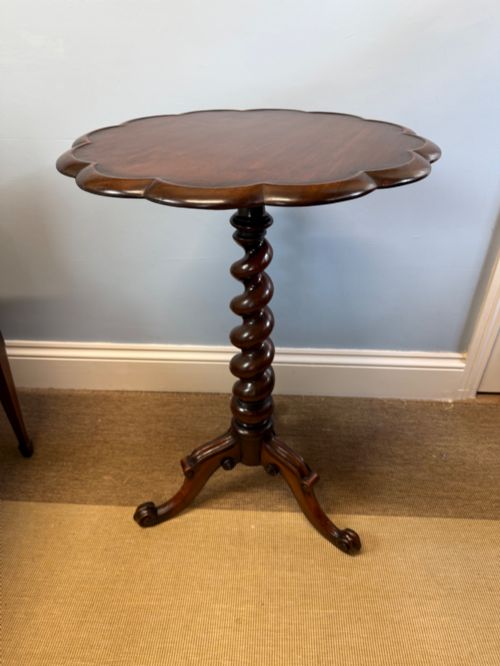
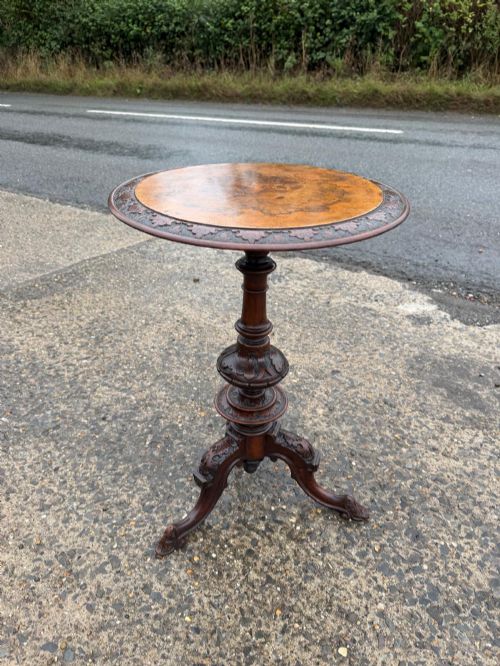
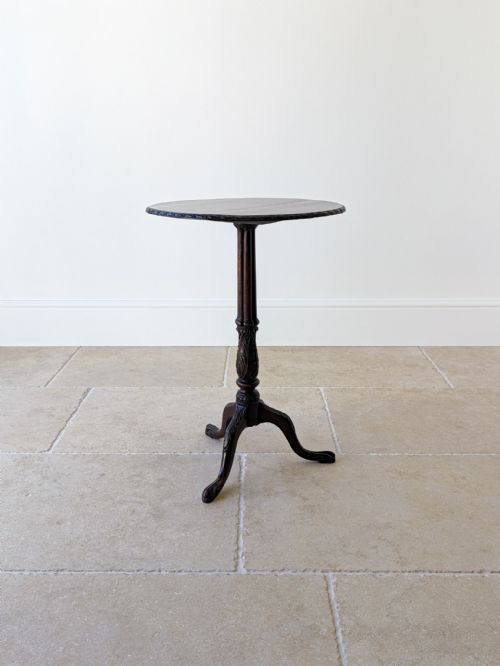
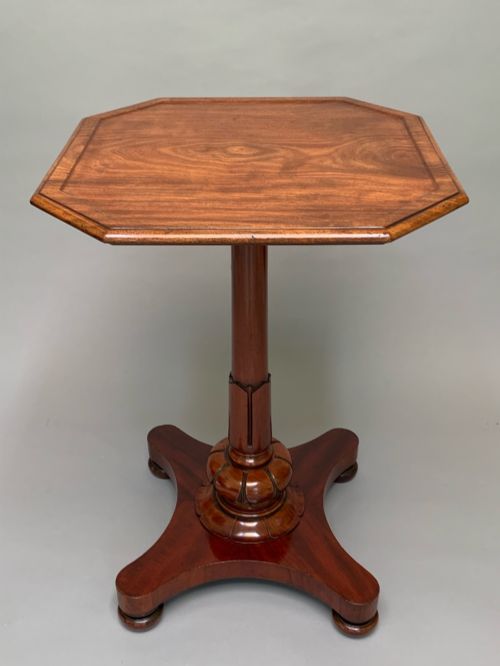
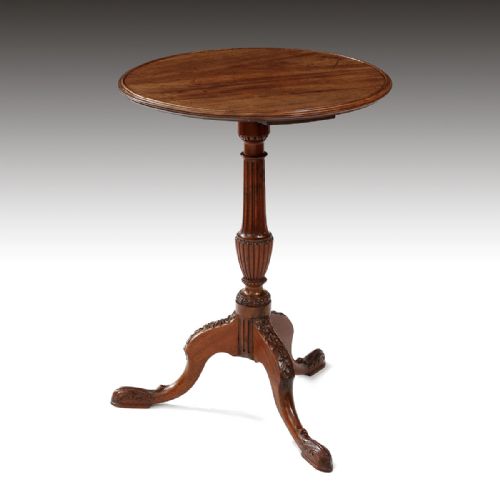
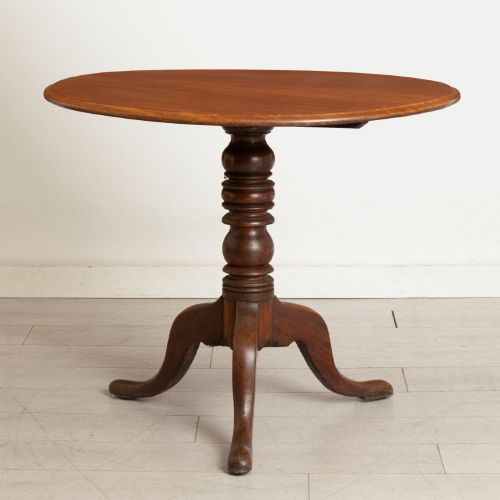
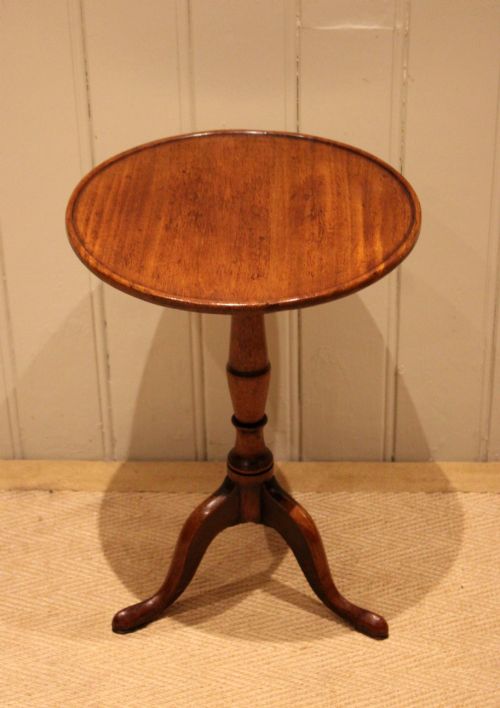
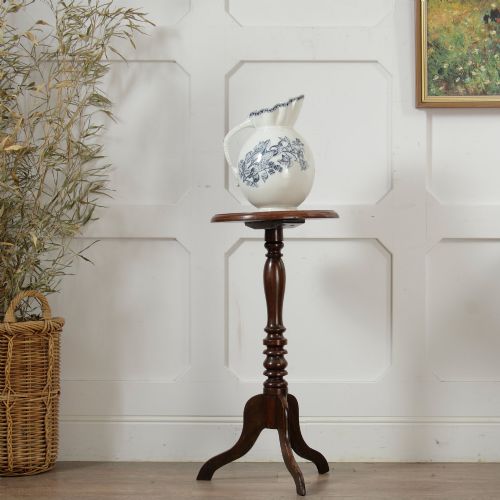
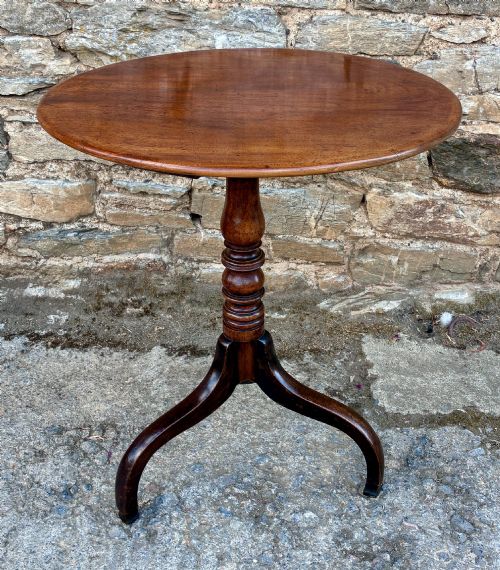
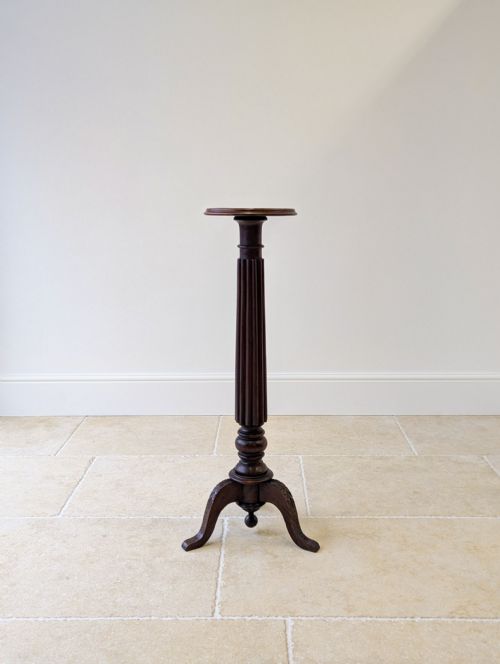
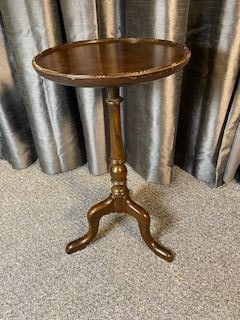
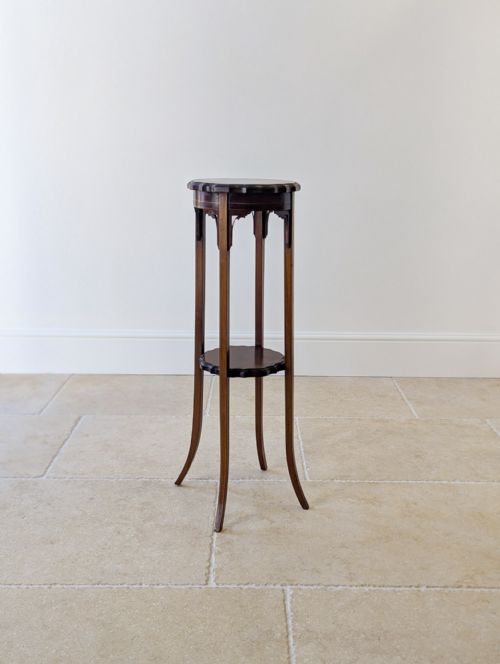
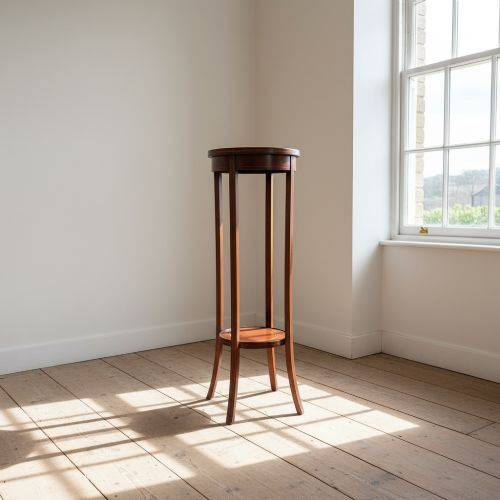
The versions most commonly met on this page span the nineteenth and early twentieth centuries, appearing as slender torcheres, tripod wine tables, and multi-tiered stands. These vertical supports utilise central columns in solid timber to elevate tops of circular, octagonal, or square form.
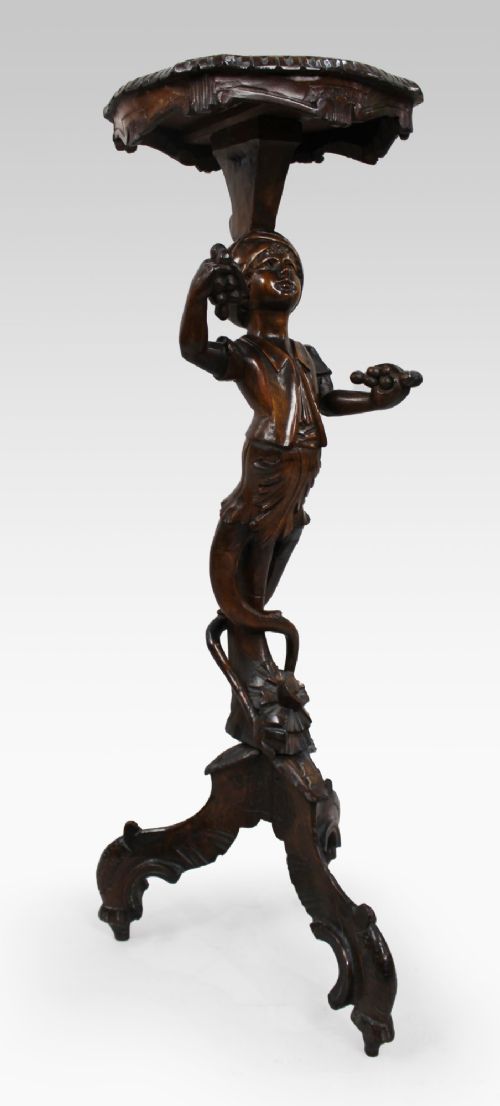
Makers and workshops constructed these stands to serve functional display roles in domestic interiors, ranging from simple turned plinths to heavily carved torchere columns. The category bridges small occasional furniture and architectural pedestals designed for specific display duties.
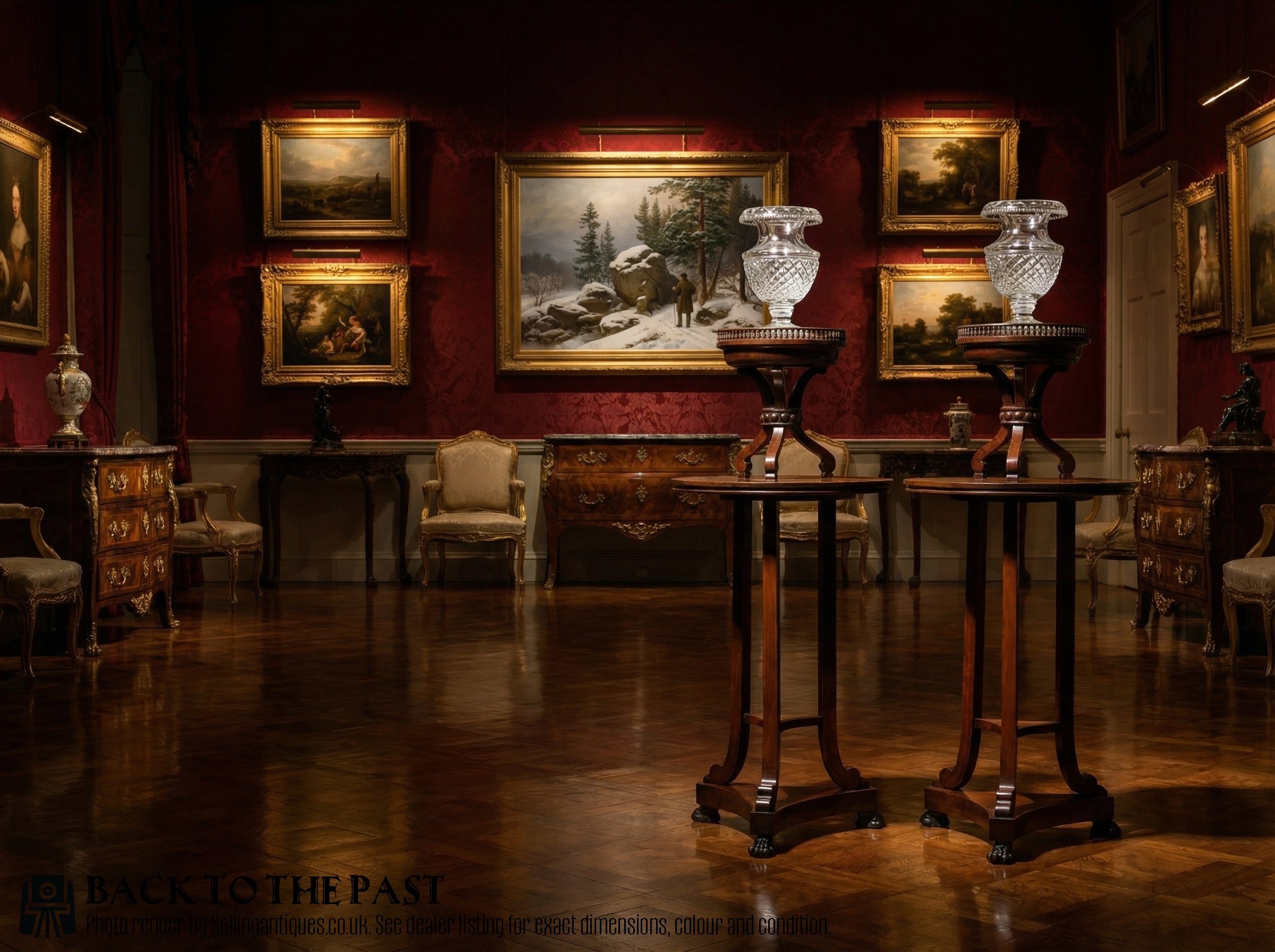
How they were made
Cabinet makers utilised solid and veneered mahogany alongside supplementary materials such as brass, burr wood, marble, and rosewood for decorative contrast. Structural columns were turned on lathes to create reeded, fluted, or rope-twist profiles, while tripod bases provided stable three-point ground contact.
Joining techniques relied on traditional tenons and central iron or wooden threaded spindles to anchor the column firmly to the base and top. Tops frequently incorporated tilt mechanisms with brass catches or fixed platforms supported by carved brackets and pedestals.
Surface finishing involved hand-applied polish that enhanced the deep grain patterns of the timber, sometimes supplemented by inlaid contrasting stringing or marquetry panels on Edwardian examples.
Mahogany Column Stand Retail Price Guide 2026
Typical asking prices for mahogany column stand among the pieces listed under this phrase on Sellingantiques today, from the lower quarter to the upper quarter. They describe what is for sale here now, not the wider market.
Listings feature mahogany column stands spanning the eighteenth, nineteenth, and twentieth centuries, incorporating materials like marble, brass, and burr wood.
What varies in quality
The distinction between standard utility items and exceptional pieces rests upon the crispness of hand-carved details, timber selection, and overall structural proportion. Superior examples demonstrate rigorous grain matching, substantial gauge timber, and finely executed turning rather than mechanical replication.
Design sophistication dictates the upper tier of the range, where workshops employed figural carvings, Ormolu or brass mounts, and architectural marble inserts. Stability, balanced weight distribution, and integrated secondary timbers further distinguish the finest specimens from ordinary production.
Gillow·George Smith·Thomas Hope·WMF
The Mahogany Column Stand Glossary
- Torchere
- A tall, slender stand designed specifically to support a lamp or candle. These pieces typically feature a small top raised on a central column.
- Tripod table
- A small table supported by a pillar resting on three legs. This construction prevents wobbling on uneven floor surfaces.
- Whatnot
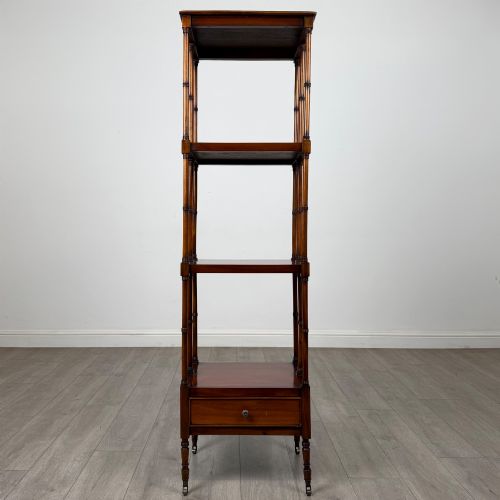
- A set of open shelves for displaying ornaments or books. Examples in the evidence feature multiple tiers supported by turned columns.
- Tilt top
- A table mechanism allowing the surface to pivot to a vertical position when not in use. This design saved space in historic domestic interiors.
- Reeded
- A decorative surface moulding consisting of parallel convex strips. Cabinet makers carved reeds onto the shafts of columns and legs during the Regency and Victorian eras.
Mahogany Column Stand: Frequently Asked Questions
What is a torchere stand?
A torchere stand is a tall, slender column designed to elevate a lamp, plant, or decorative object above floor level. These pieces utilise compact footprints to fit into corners or beside seating.
Historically, they provided focused illumination or displayed prized ornaments in drawing rooms. Their vertical emphasis draws the eye upward in interior schemes.
How do I date a mahogany stand?
Dating relies on stylistic markers, construction methods, and timber characteristics associated with specific eras like the Regency or Edwardian periods. Architectural details such as rope-twist columns or inlaid stringing offer clear chronological clues.
Comparing the turning style and base configuration against documented examples helps narrow the decade of manufacture. Secondary woods and fastener types further verify the period.
Where should I place a column stand?
Column stands suit corners, hallway landings, or spaces beside armchairs where a small surface is needed without blocking circulation. Their narrow profiles make them ideal for displaying trailing plants or reading lamps.
Ensure the stand rests on level flooring to maintain balance, particularly with tall tripod versions. Position them away from direct heat sources to protect the polished timber.
What is the difference between a plant stand and a wine table?
Plant stands generally feature taller, narrower columns and smaller tops intended for vessels or figures. Wine tables provide slightly broader surfaces historically used for holding drinks during social gatherings.
Both utilise central pillars and often share tripod base designs, but their functional heights and top dimensions vary according to their original purpose.