

Mahogany China Display Case
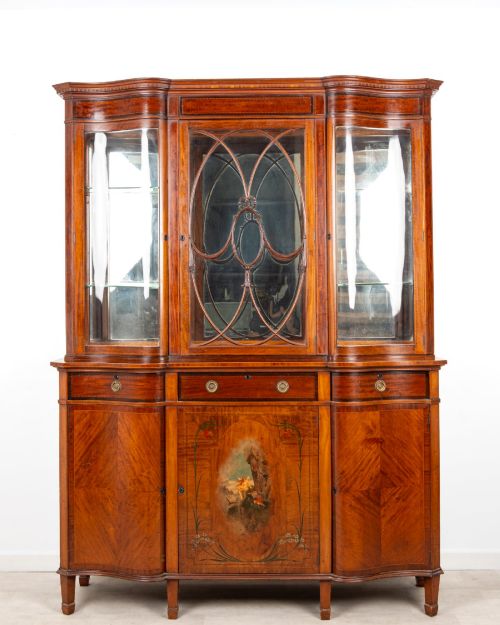
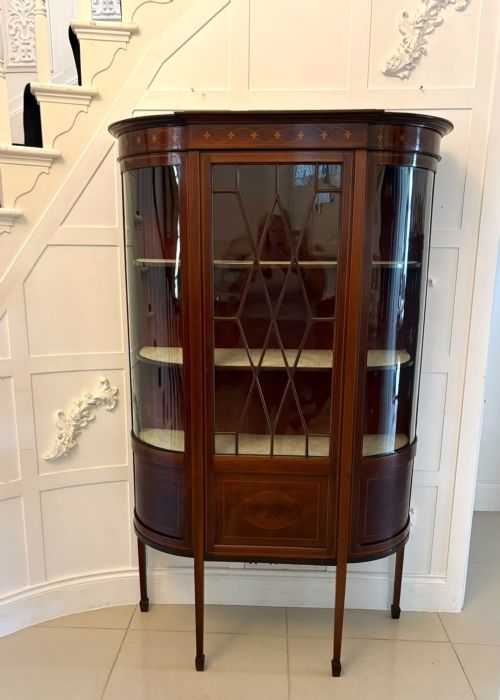
A mahogany china display case brings together rich timbers and clear glass to show off fine ceramics inside a room.
Mahogany China Display Case
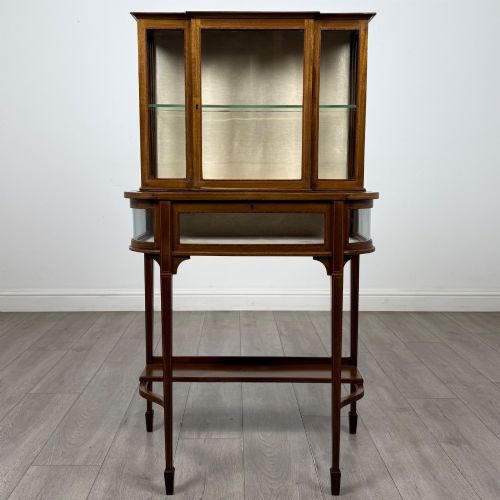
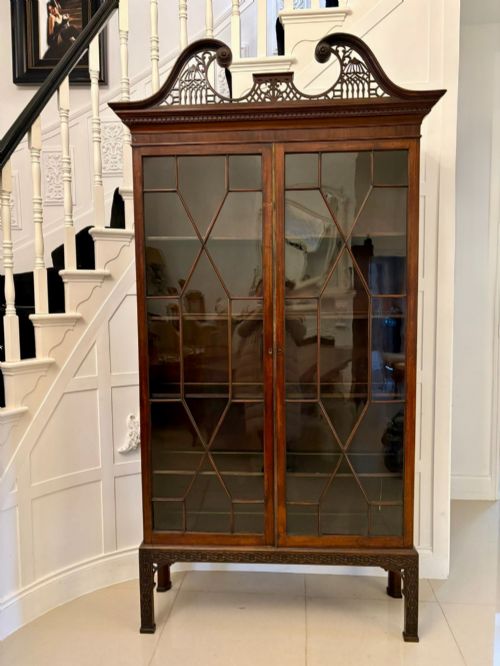
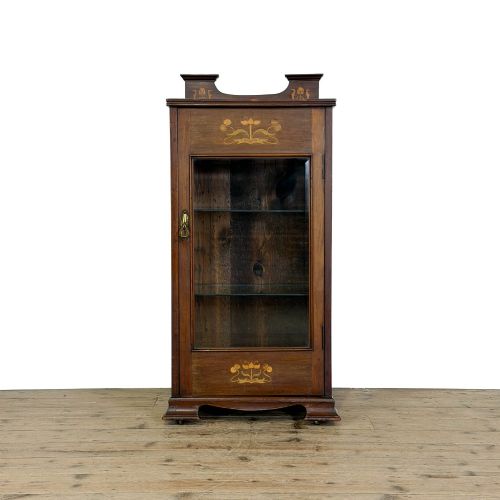
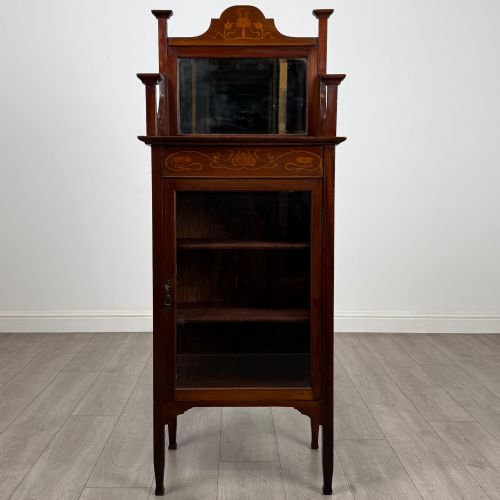
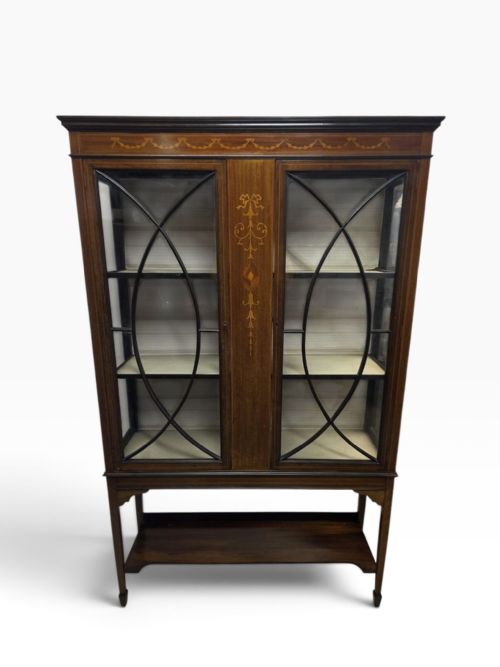
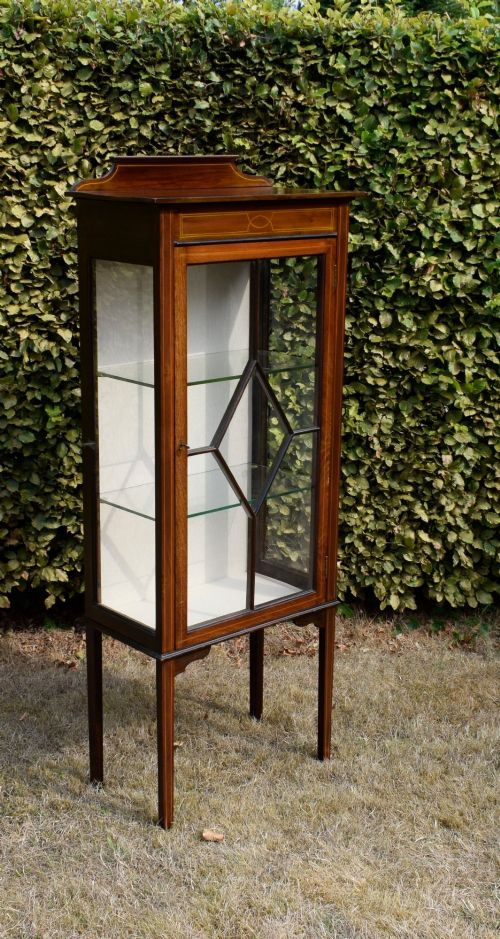
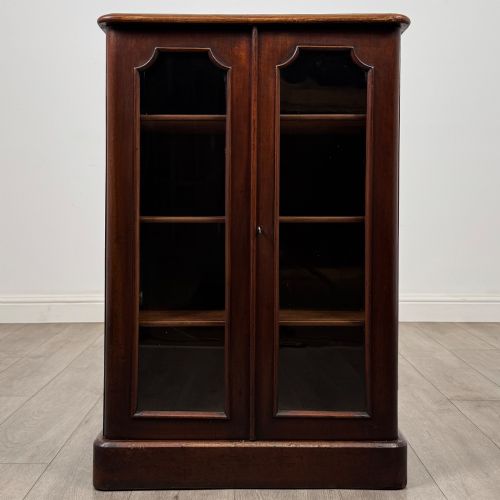
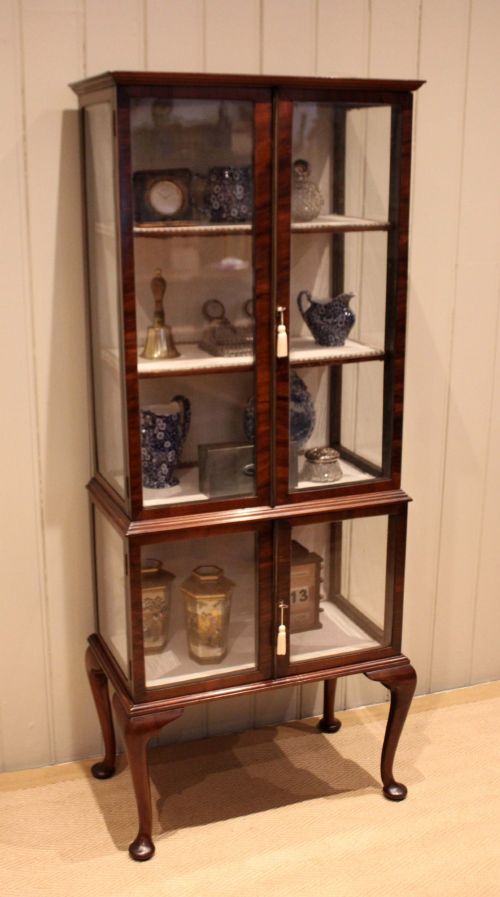
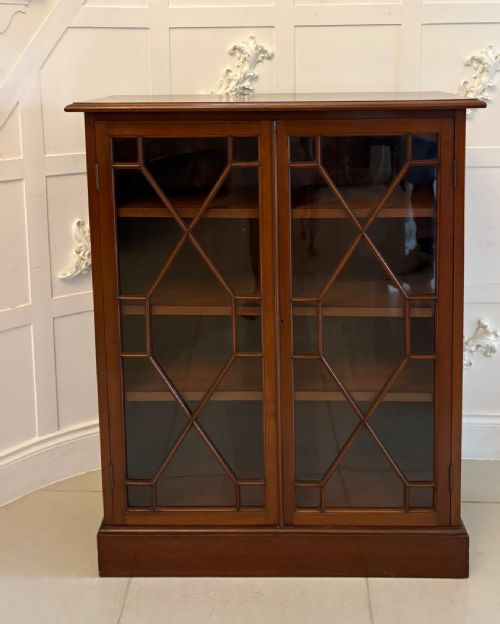
A mahogany china display case is typically encountered as an Edwardian or Victorian piece designed to hold and protect porcelain and glassware behind glazed doors. These cabinets combine timber frames with glass panels, sometimes taking the form of tall bookcases or smaller side cabinets intended for drawing rooms and parlours.
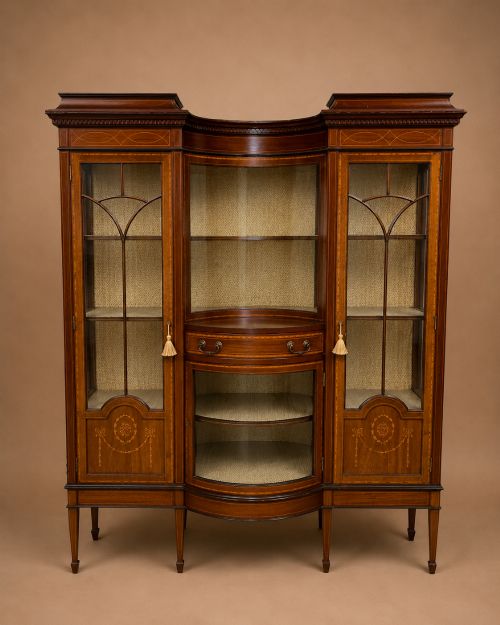
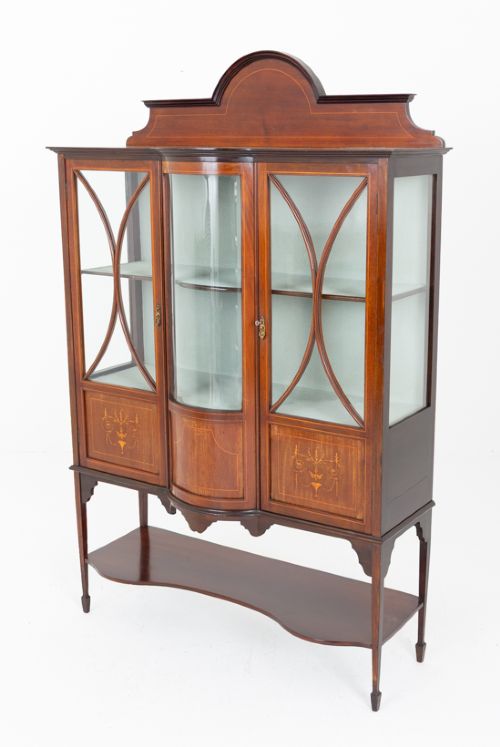
The prevailing styles span from straightforward Edwardian and Victorian designs to elaborate revivals such as Sheraton Revival, Louis XV Revival, and Gothic Revival. Makers constructed these items to suit various domestic settings, ranging from compact corner or bow-ended units to large scale glazed bookcases.
How they were made
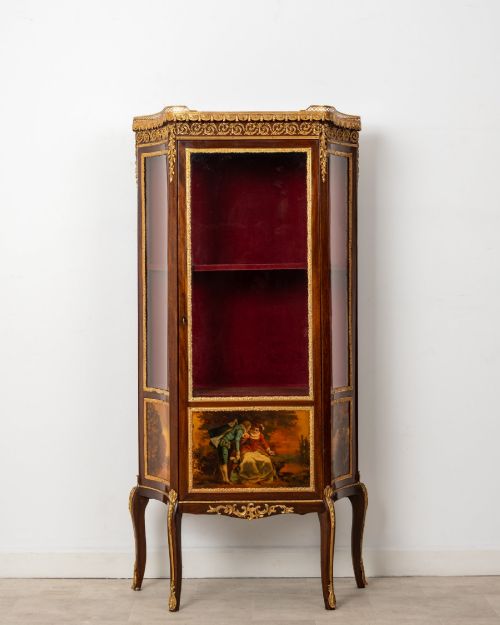
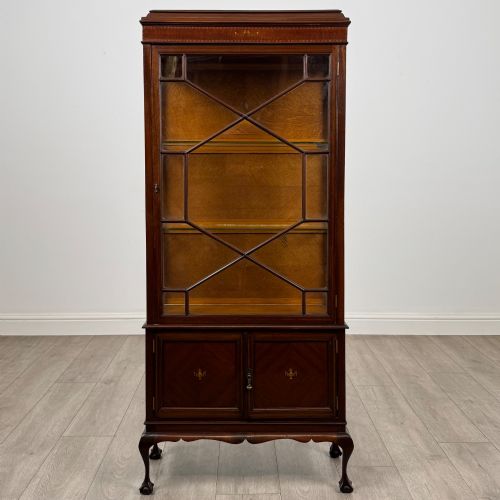
Construction relies heavily on solid mahogany and mahogany veneers over secondary timbers, frequently enhanced with contrasting satinwood inlay, marquetry, or painted details. Cabinet makers joined glass panels into doors using wooden glazing bars or mounted them within gilt bronze and ormolu mounts.
Interiors often incorporate fabric linings such as velvet to cushion displayed items against wooden shelves. Structural hardware typically includes brass hinges, locks, and handles, while marble tops appear on specific French vitrine variants.
Several cabinets include secret compartments for hiding tea service keys away from inquisitive guests.
What varies in quality
Quality separates cabinets through the precision of their timber selection and the complexity of their decorative enrichment. Examples featuring delicate satinwood inlay, hand-painted panels, or cast ormolu mounts stand apart from plainer, utilitarian storage pieces.
The refinement of the joinery and the proportion of the glazed framing also distinguish finer workshops from standard production. Cabinets that retain their original fabric linings, brass fittings, and keys demonstrate a higher degree of preservation.
Maple & Co.·François Linke
The Mahogany China Display Case Glossary
- Vitrine
- A glass-fronted cabinet designed specifically for displaying porcelain, curiosities, or decorative objects. These pieces often feature glass on the sides as well as the doors to maximise light penetration.
- Sheraton Revival
- A late nineteenth and early twentieth century design movement that reinterprets the lighter, neoclassical forms of the eighteenth century. Pieces in this style frequently incorporate satinwood inlay and tapered legs.
- Ormolu
- Gilded bronze mounts applied to furniture for decorative enrichment, particularly prominent on French-influenced cabinets. This technique adds metallic highlights to the mahogany frame.
- Marquetry
- Decorative woodwork where pieces of veneer are fitted together to form pictorial or geometric patterns on the surface. This method is often seen on cabinet doors and friezes.
- Astral glazed
- A method of dividing glass panes within a door using thin wooden bars to create geometric frameworks. This treatment is common on taller bookcases and display units.
Mahogany China Display Case: Frequently Asked Questions
What is a mahogany china display case?
A mahogany china display case is a glazed wooden cabinet built to house and exhibit porcelain collections within a home.
These pieces use glass panels and timber frames to protect delicate items from dust while keeping them visible.
How do I date an Edwardian display cabinet?
Edwardian cabinets generally date from the period between 1901 and 1910, often displaying Sheraton Revival influences and satinwood inlay.
Comparing the timber finish, hardware style, and construction methods helps clarify the era of manufacture.
Where were display cabinets placed?
These cabinets were typically positioned in drawing rooms, dining rooms, or parlours where guests could view porcelain collections.
Smaller side cabinets and bow-ended units suited tighter corners, while larger bookcases served central wall spaces.
How should I clean a mahogany display case?
Dust the timber surfaces gently with a dry, soft cloth and avoid harsh chemical sprays or silicone polishes.
Interior glass requires careful wiping with a mild glass cleaner applied to the cloth rather than directly onto the panel.