
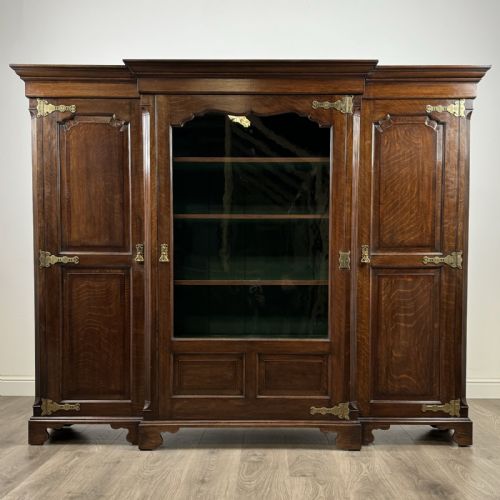
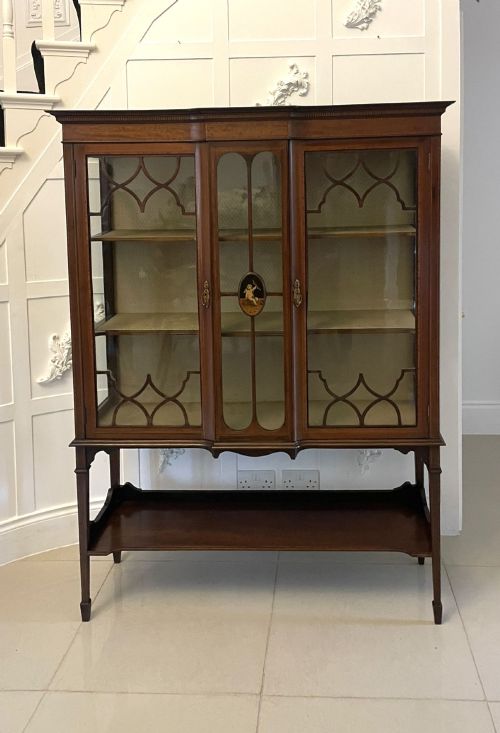
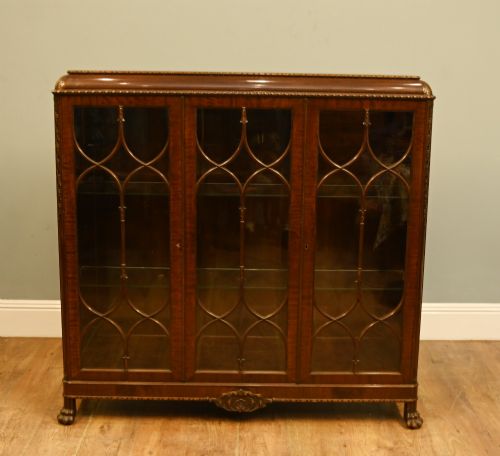
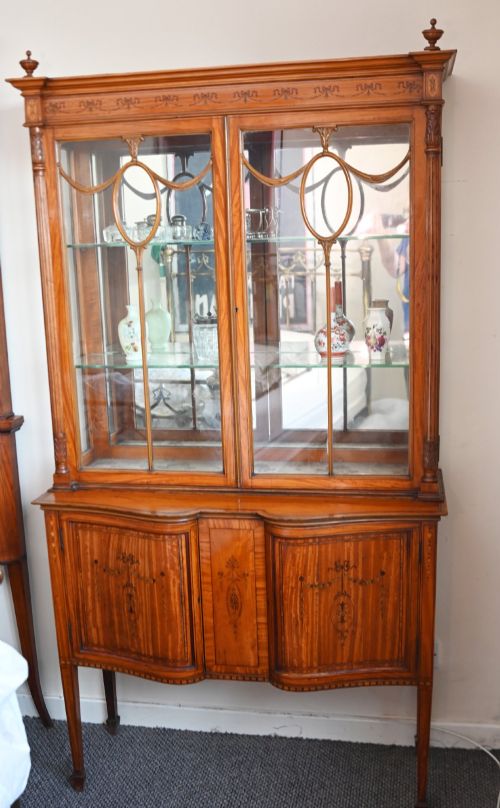
Edwardian Glazed Display Cupboard
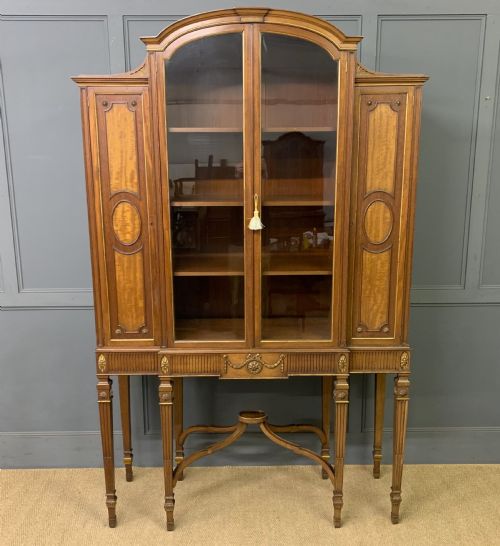
An Edwardian glazed display cupboard offers a refined solution for housing porcelain and books, combining large glass panes with light timber frames.
Edwardian Glazed Display Cupboard
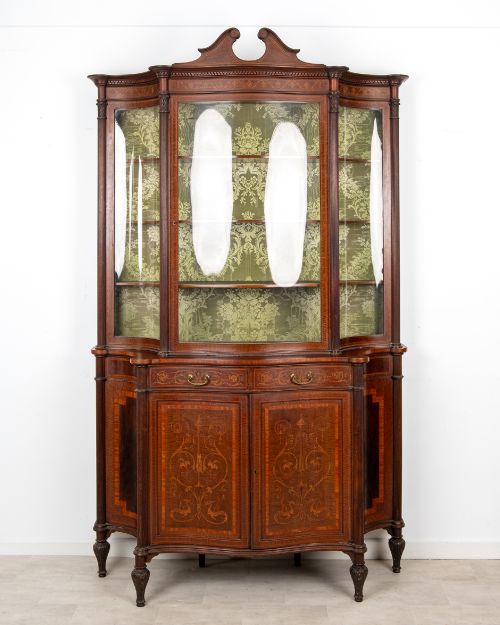
When searching for an edwardian glazed display cupboard, you encounter timber furniture designed to exhibit precious objects behind glass doors. The pieces span periods from the late nineteenth century into the early twentieth century, carrying the stylistic influence of Edwardian taste as well as Victorian, Sheraton Revival, and Arts and Crafts movements.
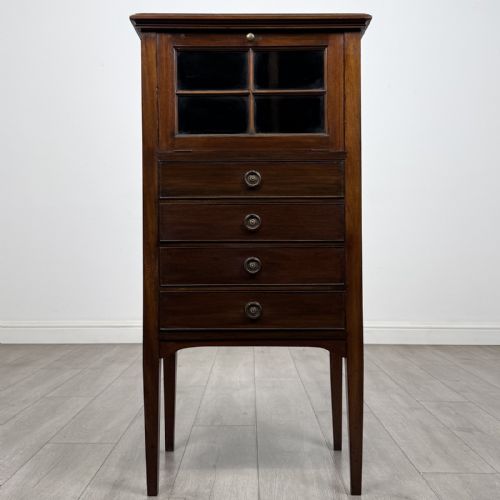
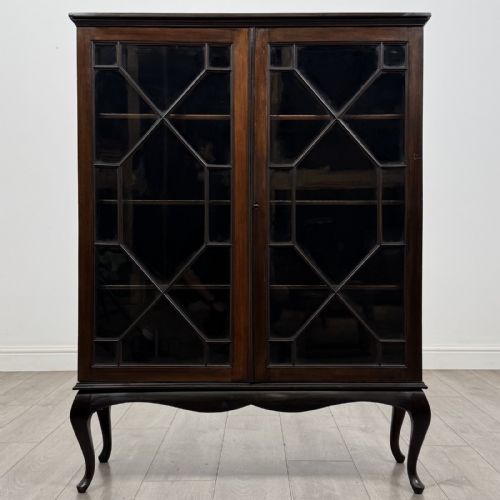
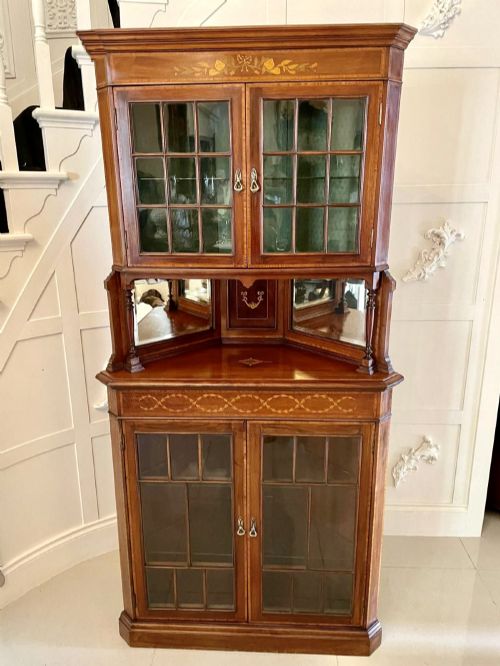
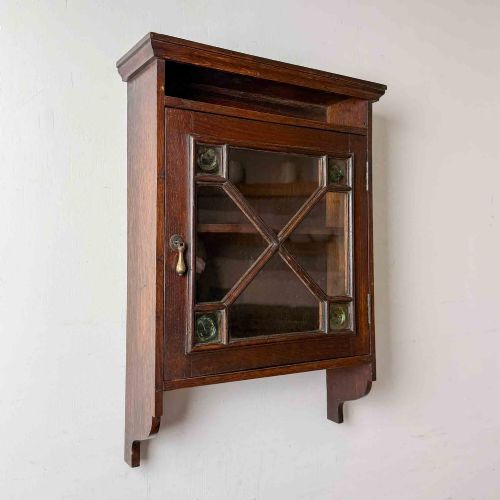
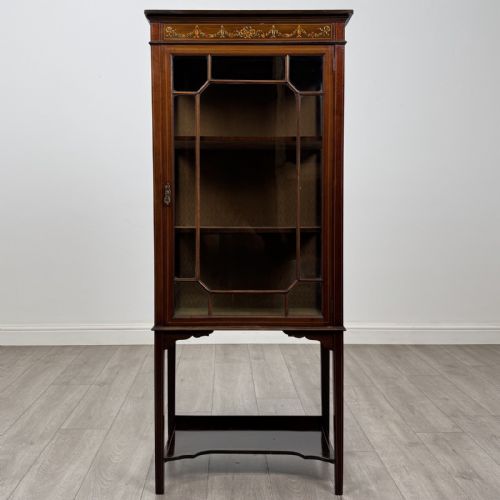
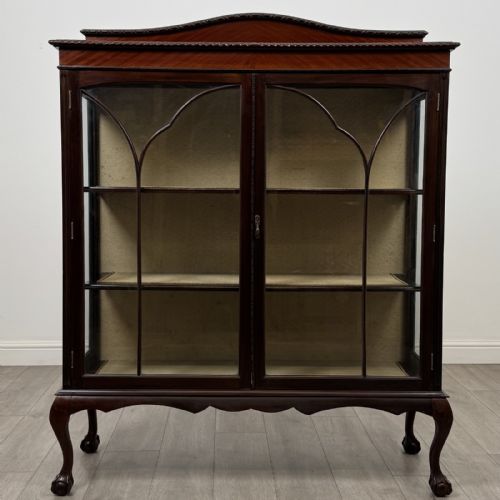
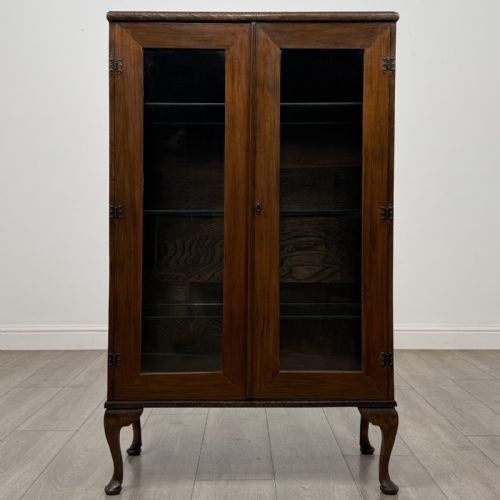
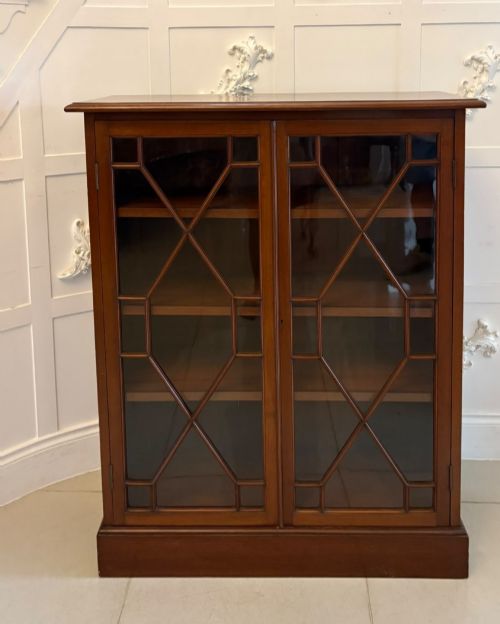
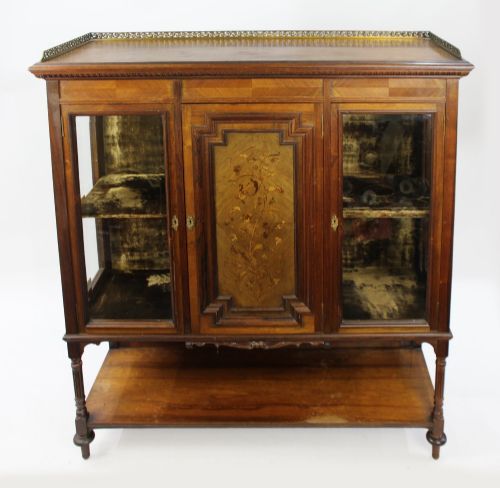
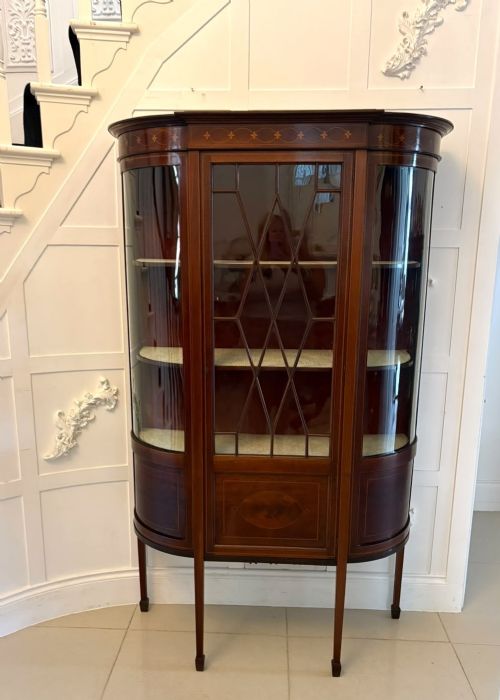
The forms on this page include standing display cabinets, corner cupboards, bookcases, music cabinets, and dressers. Mahogany and oak dominate the listings, frequently enriched with satinwood inlay, marquetry, or brass fittings.
Edwardian examples appear most frequently, sharing showroom space with late Victorian interpretations of Chinese Chippendale and Sheraton Revival styles. Buyers select these cabinets to bring structured storage and light into domestic rooms without dominating the floor space.
How They Were Made
Cabinet makers constructed these pieces primarily from solid mahogany and oak, often applying figured walnut or satinwood veneers to the exterior surfaces. Interior shelves rested on timber supports within glazed compartments designed to protect contents from dust.
Glazing techniques utilised individual timber or brass astragal bars to hold multiple panes of glass securely within door frames. Inlaid decoration relied on contrasting timber veneers cut into geometric or floral motifs, sometimes accompanied by hand-painted details or marquetry panels.
One cheerful music cabinet hides its sheet music behind glass, proving that even sheet paper deserved a grand glass showcase.
What Varies in Quality
Quality separates ordinary utility pieces from pieces intended for formal reception rooms through the selection of timber veneers and the precision of the joinery. Finer cabinets display meticulously matched mahogany or burr walnut grains across the doors and drawer fronts, paired with crisp marquetry or satinwood inlay.
Structural refinement shows in the handling of the glazing bars, where slender, precise woodwork frames the glass without heaviness. The presence of original brass hardware, sound backing timbers, and hand-painted interior decoration elevates an item from standard production to exceptional craftsmanship.
Edwards & Roberts
The Edwardian Glazed Display Cupboard Glossary
- Astragal
- Timber or metal bars holding the glass panes within a window or cabinet door. These slender mouldings divide the glass into smaller geometric shapes.
- Marquetry
- Decorative patterns formed by fitting contrasting veneer pieces into a prepared timber surface. This technique creates pictorial or symmetrical designs on cabinet doors.
- Vitrine
- A glass-fronted cabinet or display case specifically built for showing porcelain and small decorative objects. The term originates from the French word for glass.
- Satinwood
- A durable, yellowish-gold timber native to India and Ceylon, prized for its lustrous grain. Cabinet makers used it extensively as a veneer for banding and inlay.
- Sheraton Revival
- A late nineteenth and early twentieth-century style imitating the neoclassical furniture designs of Thomas Sheraton. Pieces feature delicate proportions, tapered legs, and subtle inlay.
Edwardian Glazed Display Cupboard: Frequently Asked Questions
What were Edwardian display cupboards used for?
These cabinets housed valuable porcelain, glassware, and collections of books in formal sitting rooms and drawing rooms. The glass panels protected delicate items from dust while allowing guests to admire the contents.
Over time, owners adapted them to display family mementos, silver, and curiosities. They served as both functional storage and a focal point for interior decoration.
How do I tell Edwardian from Victorian cabinets?
Edwardian pieces generally exhibit lighter timbers, simpler neoclassical revivals, and more restrained inlay work. They favor brighter satinwood banding and airier proportions compared to earlier designs.
Victorian cabinets often employ darker mahogany or heavy carved walnut with more elaborate ornamentation. They frequently lean towards robust proportions and dense historical revivals.
Where should I place a corner display cupboard?
Corner cupboards fit neatly into unused room angles, making them ideal for smaller spaces or awkward layouts. Positioning them near natural light helps illuminate the interior glass shelves.
They work well in dining rooms for tableware or hallways where floor space is limited. Ensure the door swing remains unobstructed by other furniture.
How do I care for antique glazed cabinets?
Maintain stable indoor humidity levels to prevent the timber frames and veneers from shrinking or cracking. Avoid placing the cabinet in direct sunlight to protect interior fabrics and polished surfaces.
Clean the glass with gentle solutions applied to a cloth rather than sprayed directly near the wooden frame. Dust the exterior regularly with a soft, dry cloth.