
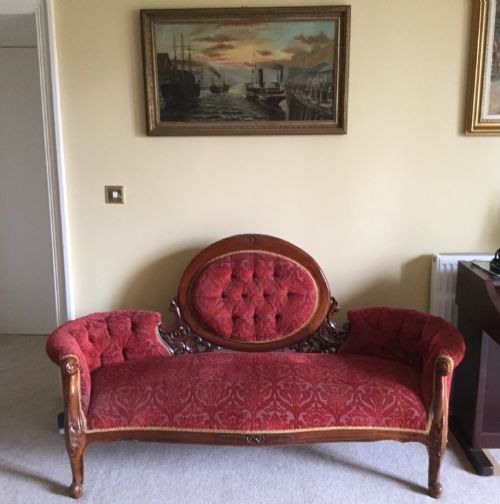
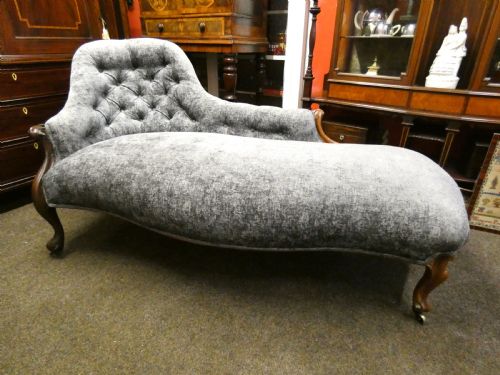
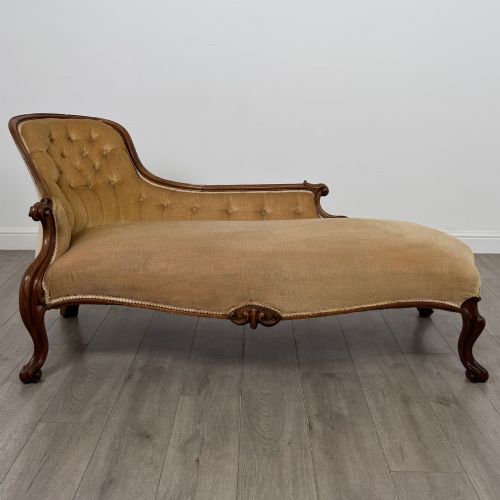
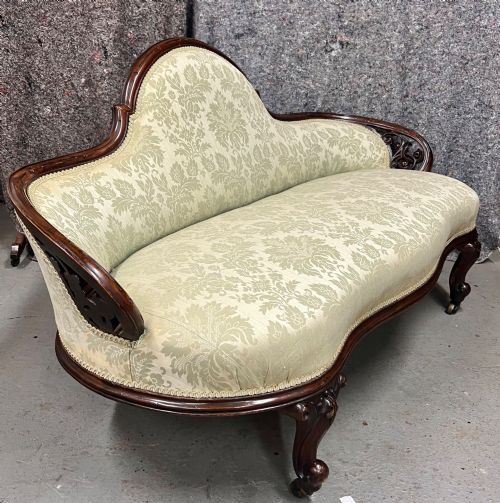


Mahogany Chair Back Sofa
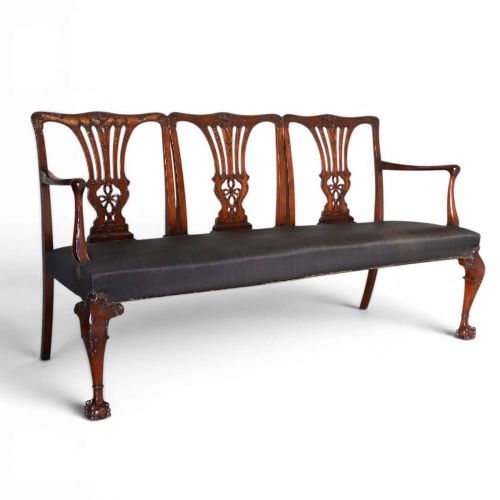
A mahogany chair back sofa brings together dining chair aesthetics and upholstered seating into a single graceful piece of furniture.
Mahogany Chair Back Sofa
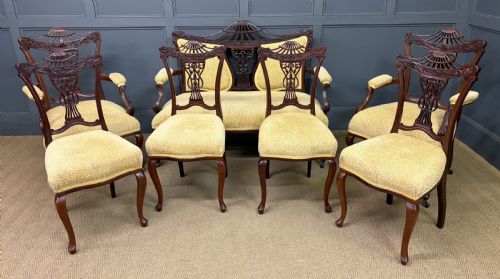
A mahogany chair back sofa combines the open, carved backrests of dining chairs with an extended settee base, creating an airy yet formal profile. Buyers seeking this phrase encounter multi-back settees drawing on Georgian, Hepplewhite, and Chippendale designs, alongside later revival pieces.
Materials and construction
Makers relied on dense, durable mahogany for the exposed framework, allowing for crisp hand-carved details along the splats and crest rails. Supporting structures often incorporated secondary woods, while decorative flourishes sometimes included delicate satinwood inlay.
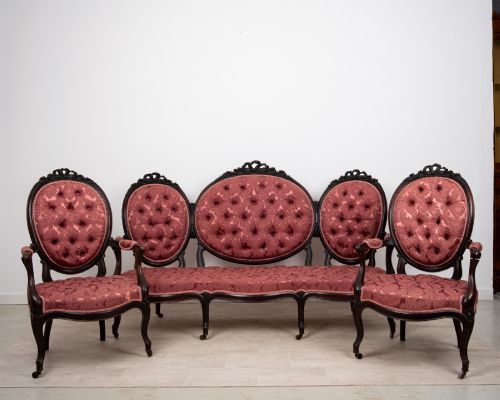
Upholstery techniques evolved from traditional horsehair stuffing over sprung bases to deep-pile brocade, damask, velvet, or leather coverings secured with brass tacks and hessian webbing.
Some Edwardian examples served specifically as end-of-bed seating rather than drawing room furniture.
Factors that distinguish examples
Quality rests primarily on the depth and precision of the wood carving, particularly along the pierced splats and top rails of the chair backs. Crisp, defined edges and well-proportioned arm supports separate superior work from plainer production.
The structural integrity of the joined back uprights and the quality of the timber grain also dictate the standing of a piece. Original upholstery techniques and period textiles further elevate certain examples above later re-covered variants.
Holland and Sons·Miles and Edwards
The Mahogany Chair Back Sofa Glossary
- Chair back sofa
- A settee whose backrest is constructed like a row of connected dining chairs, featuring individual splats and stiles.
- Splat
- The vertical central strip of wood within a chair back, often pierced and intricately carved in Chippendale or Hepplewhite styles.
- Satinwood inlay
- Contrasting pale timber inserted into the darker mahogany surface in geometric or floral patterns.
- Settee
- A long upholstered seat with a back and arms, designed to accommodate more than one person.
- Showwood
- Exposed polished timber framing around an upholstered sofa or chair.
Mahogany Chair Back Sofa: Frequently Asked Questions
What is a mahogany chair back sofa?
A mahogany chair back sofa is a settee featuring a backrest designed to mimic a row of connected wooden chairs. These pieces combine exposed carved timber frames with upholstered seats.
They appear in styles ranging from eighteenth-century Georgian designs to later Victorian and Edwardian revivals.
How were these sofas used?
These settees served as formal seating in parlours, drawing rooms, and large reception spaces. Their open chair backs offered a lighter visual presence than fully upholstered sofas.
They provided comfortable seating for multiple guests while displaying the status and taste of the household through fine woodwork.
How do I care for the wood?
Maintain mahogany frames by keeping them away from direct sunlight and extreme temperature changes to prevent the timber from drying out. Dust regularly with a soft, dry cloth.
Apply high-quality beeswax sparingly when the wood appears dry, buffing gently to maintain the natural sheen.
How do I identify the period?
Dating relies on stylistic clues such as the form of the carving, leg shapes, and construction methods. Eighteenth-century models display precise hand-carved splats, while revival pieces from the late nineteenth and early twentieth centuries often borrow earlier proportions.
Examining the secondary woods and interior framing provides further context regarding age.