


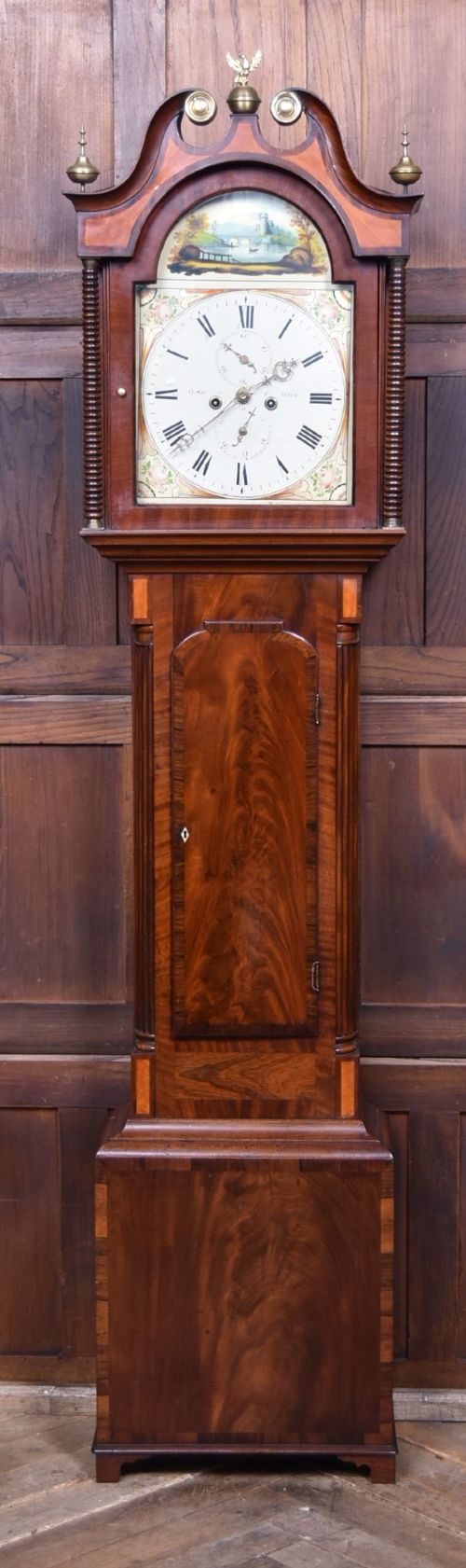
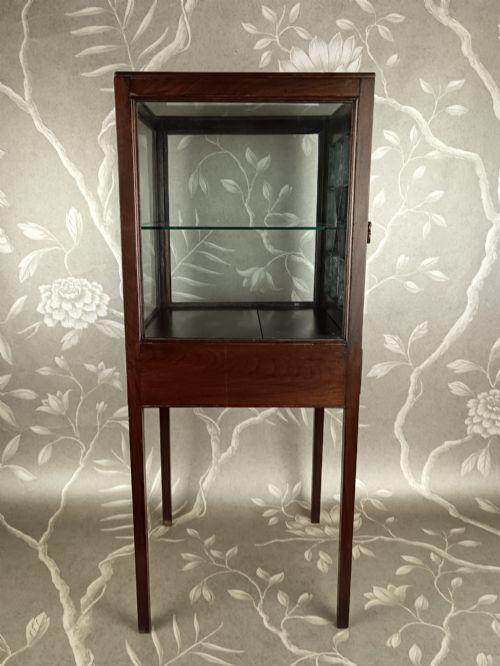
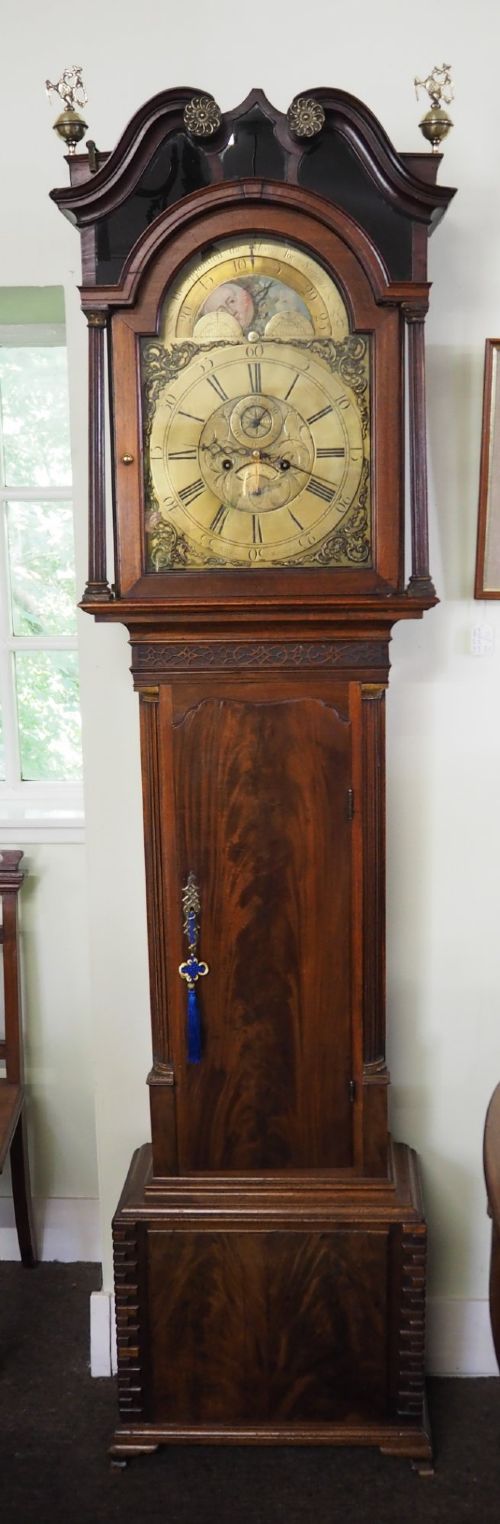
Mahogany Case Stand
These substantial pieces known as a mahogany case stand combine fine cabinetry with mechanical timekeeping or display.
Mahogany Case Stand
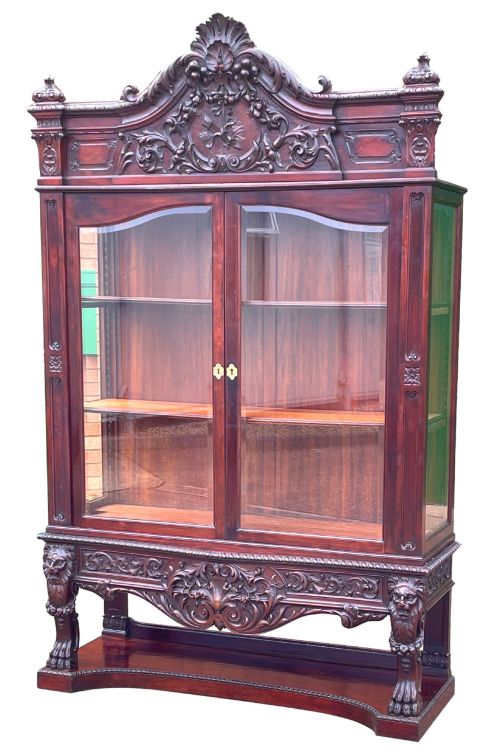
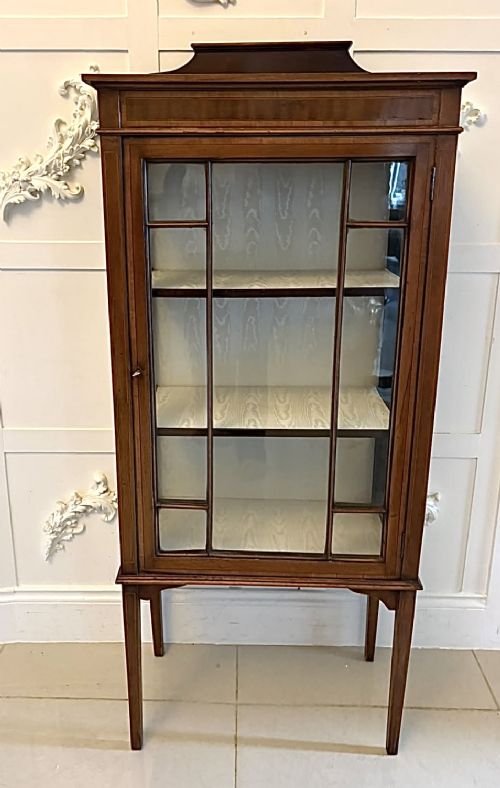
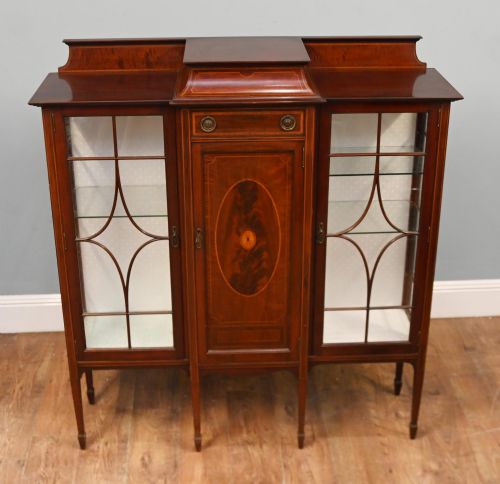
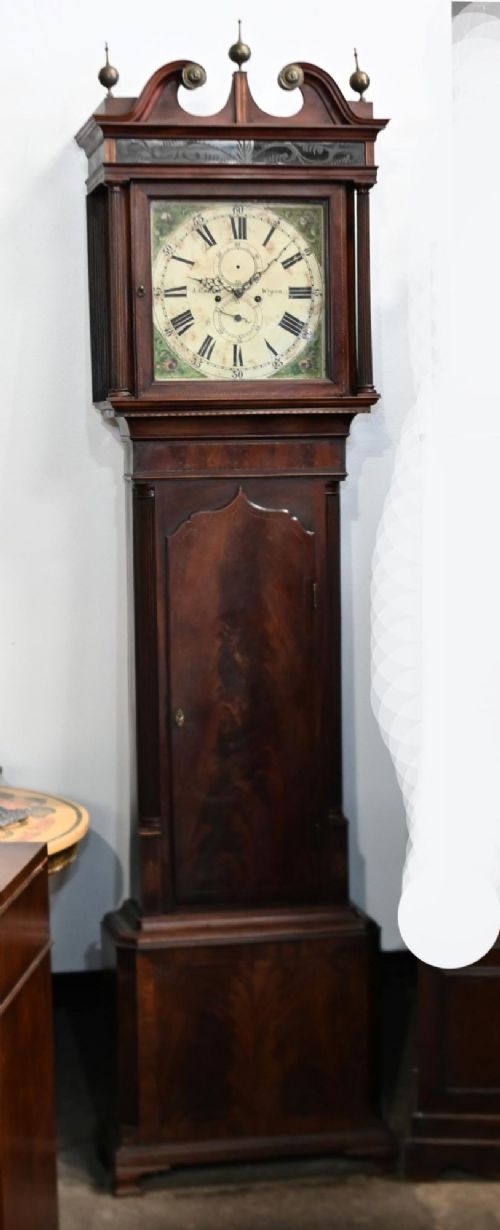
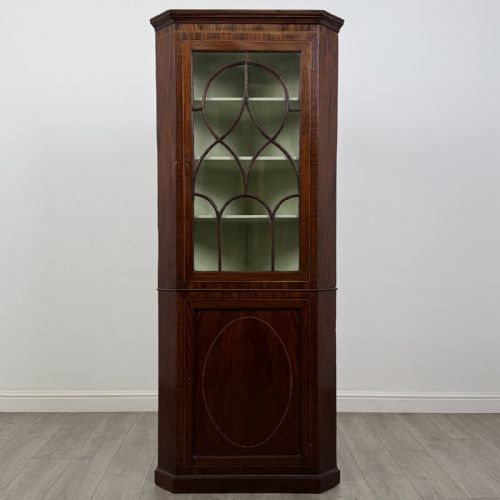
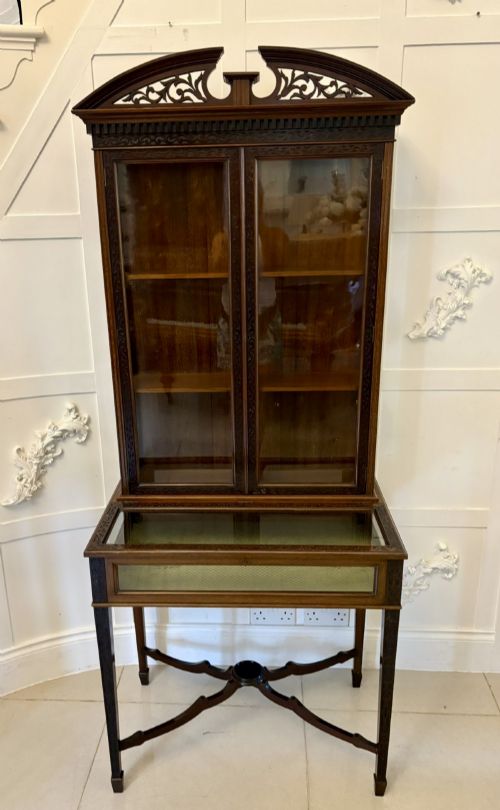
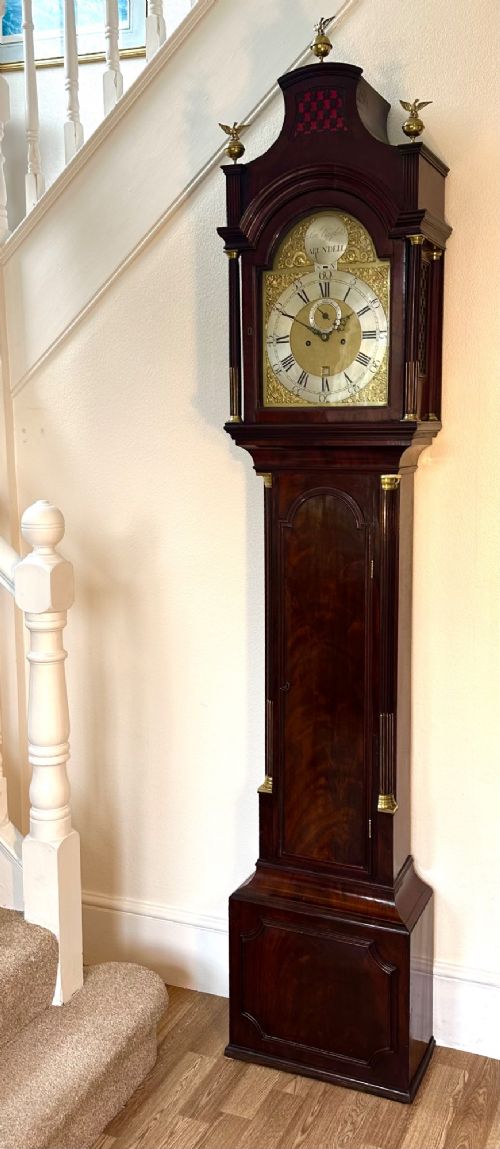
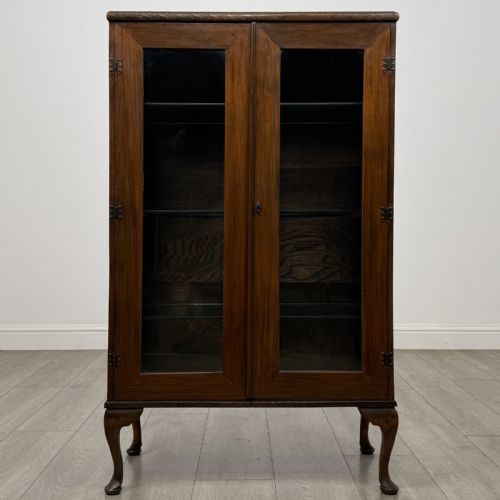
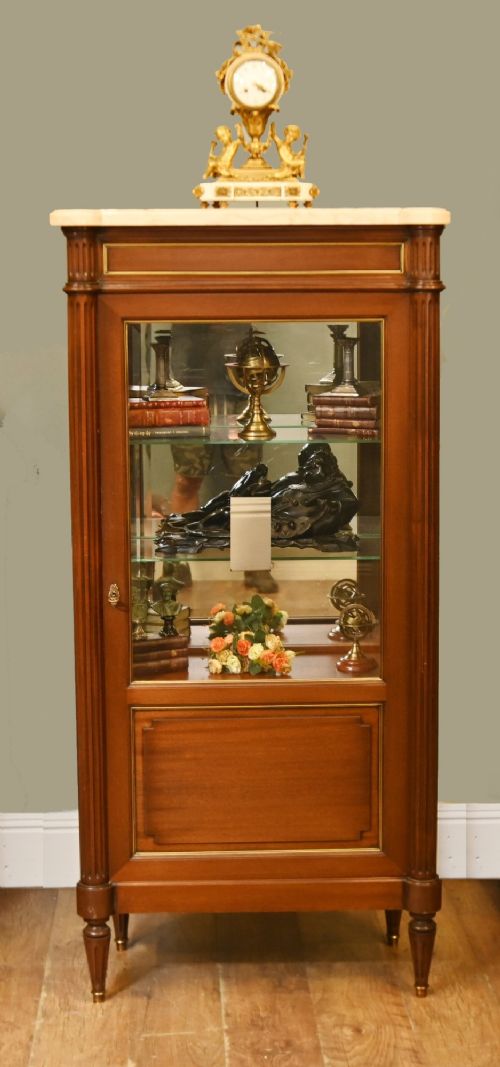
When you search for a mahogany case stand, you encounter tall clock cases and display cabinetry spanning the eighteenth and nineteenth centuries. These items house precision clock movements or showcase porcelain and glassware behind glazed doors.
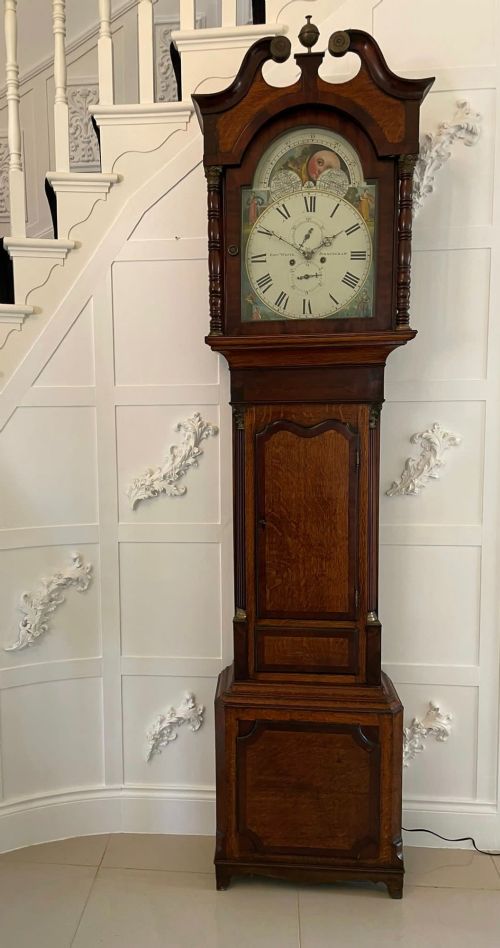
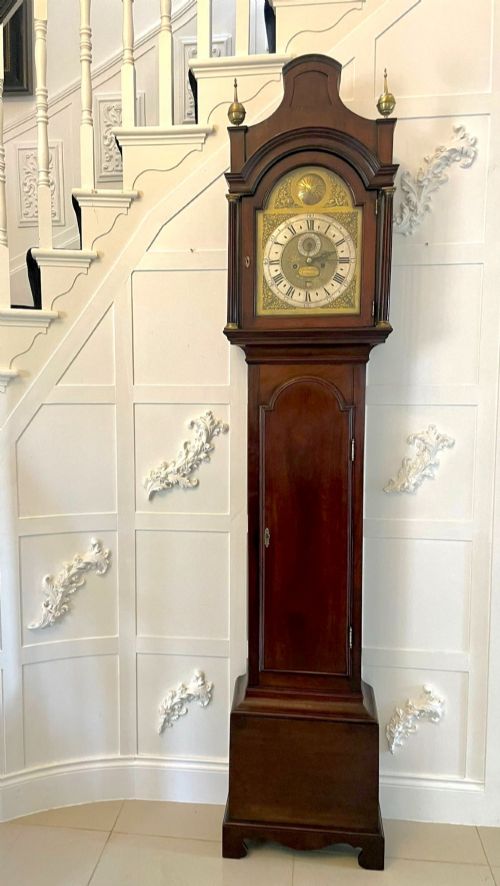
Georgian and Edwardian examples predominate on this page, taking forms such as longcase clocks, corner cabinets, and vitrines. Makers constructed these tall housings to protect delicate mechanisms while serving as architectural furniture in principal rooms.
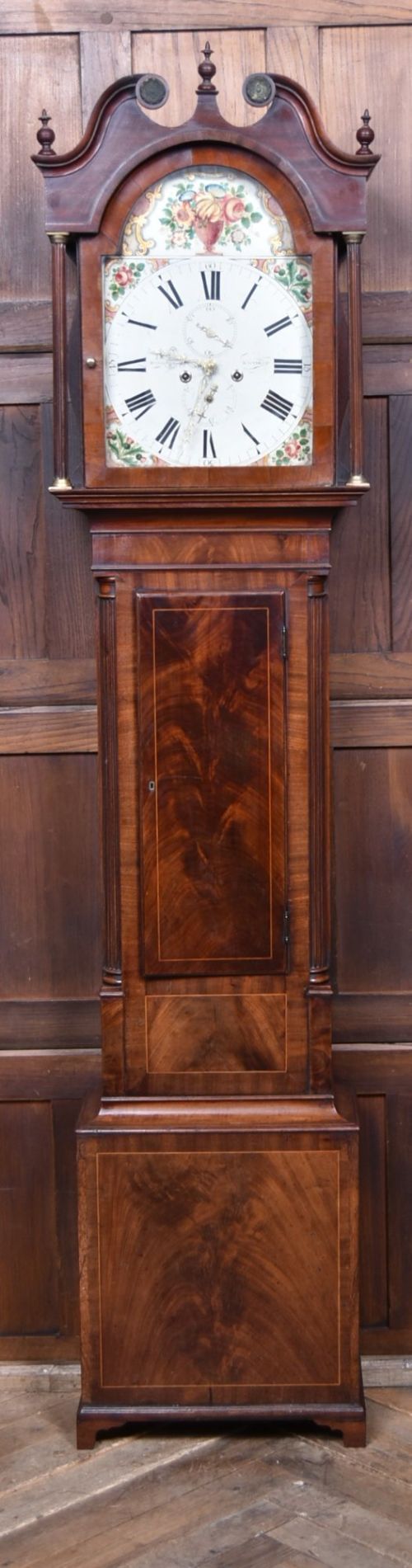
Scottish and English regional variations appear alongside London pieces, showing regional preferences in dial painting and hood design. Most pieces combine functional storage or timekeeping with polished timber surfaces.
Materials and construction methods
Craftsmen built these cases primarily using solid mahogany and mahogany veneers over secondary timbers, frequently adding satinwood inlay or brass dial fittings. Glass panels feature in display doors, while clock housings incorporate heavy iron and steel movements.
Joinery methods relied on precision framing to support tall door structures and heavy brass clock faces without warping. Cabinetmakers polished the timber to a deep lustre, highlighting the natural grain patterns of the mahogany.
Mahogany Case Stand Retail Price Guide 2026
Typical asking prices for mahogany case stand among the pieces listed under this phrase on Sellingantiques today, from the lower quarter to the upper quarter. They describe what is for sale here now, not the wider market.
Materials recorded across the inventory include solid mahogany, glass, brass, satinwood inlay, and painted iron clock dials.
Distinctions in craftsmanship and design
Superior examples display crisp carving, balanced proportions, and fine satinwood inlay that enhances the architectural lines of the case. Lesser pieces rely on plain timber surfaces and simpler joinery without decorative banding.
The sophistication of the internal movement or the refinement of the glazing bars dictates the standing of a piece within its period. Signed clock dials and complex moon phase mechanisms elevate the standard of the cabinetry.
Edward White Birmingham·Charles Shuckburgh London·Hendrie Ogg Dunfermline·Gordon of Aberdeen·D Straiton Montrose·James McCabe·Rickards Wotton Under Edge·D Williams of Crickhowell·Henry Weedon London·Mclennan London
The Mahogany Case Stand Glossary
- Longcase clock
- A tall pendulum clock enclosed in a wooden case standing directly on the floor. These timepieces measure hours via weights suspended inside the trunk.
- Vitrine
- A glass-fronted cabinet designed for displaying fine objects and porcelain. The glazed panels allow light to enter from multiple angles.
- Moon phase
- A dial mechanism tracking the lunar cycle behind the main clock face. Artisans painted these discs with celestial scenes.
- Satinwood inlay
- Contrasting light timber veneers set into the dark mahogany surface in geometric or floral patterns. This technique defines Sheraton Revival aesthetics.
- Paterae
- Small circular decorative motifs carved or inlaid into furniture friezes. They punctuate linear woodwork with classical detail.
Mahogany Case Stand: Frequently Asked Questions
What is a mahogany case stand?
A mahogany case stand refers to tall furniture housings designed for clocks or display cabinets. They serve as vertical focal points in a room.
These pieces combine functional utility with architectural presence, utilising dense tropical hardwoods and glass.
How do I date a mahogany clock case?
Dating relies on stylistic shifts in the hood design, dial architecture, and inlay patterns. Georgian pieces often feature square dials, while later examples show painted arches.
Cabinet proportions and the presence of satinwood stringing provide further clues to the decade of manufacture.
Where were these pieces made?
Workshop origins span London, regional English towns, and Scottish burghs. Master horologists and cabinetmakers signed dials and movements.
Regional variations appear in the painted country dials and the choice of secondary woods within the trunk.
How should I care for mahogany cabinetry?
Maintain stable room humidity to prevent timber movement and protect the joints of tall structures. Avoid placing tall cases near direct heat sources.
Dust regularly with a dry cloth and apply natural wax sparingly to preserve the polished sheen of the mahogany.